










The global fitness landscape is undergoing its most significant structural shift in decades. For years, the personal training industry was built upon a singular, foundational pillar: the mastery of caloric manipulation. Trainers were the architects of the caloric deficit, guiding clients through the grueling mechanics of energy balance to achieve weight loss. However, the rise of GLP-1 receptor agonists—semaglutide and tirzepatide—has fundamentally altered the baseline of human physiology for millions.
As these medications move from niche clinical treatments to mainstream lifestyle tools, the role of the fitness professional is no longer just about “burning calories.” It is evolving into a complex, specialized discipline centered on muscle preservation, metabolic maintenance, and behavioral navigation.
The New Baseline: Data and Demographics
The numbers are unequivocal: we have reached a saturation point. Recent data indicates that up to 12 percent of the United States adult population has utilized a GLP-1 medication for weight management. This is no longer a fringe trend; it is a permanent fixture of the modern wellness ecosystem.
According to the 2026 State of the Personal Trainer survey, the impact on the gym floor is immediate and widespread. Seventy-three percent of surveyed personal trainers report actively fielding questions regarding GLP-1 medications from their clients. Perhaps more telling is the operational reality: 48 percent of coaches report a direct increase in the number of clients on their rosters who are currently utilizing these pharmaceutical interventions.
This creates a new "pharmacotherapy-aware" demographic. These individuals are not just looking for a trainer; they are looking for a medical-fitness partner who understands the physiological constraints of a chemically induced metabolic state.
Chronology of a Paradigm Shift
To understand where the industry is going, we must look at how quickly we arrived here:
- 2021–2022: GLP-1 medications gain massive social media traction. The initial industry response is one of skepticism, with many trainers viewing the drugs as a “shortcut” that threatened traditional coaching models.
- 2023–2024: Clinical reports emerge regarding “Ozempic face” and, more alarmingly, significant muscle wasting. The narrative shifts from aesthetic concern to health-span concern.
- 2025: Fitness organizations begin to integrate pharmaceutical literacy into continuing education. The focus moves toward the “synergy model,” where medical providers handle the biology, and fitness professionals handle the biomechanics.
- 2026 and Beyond: The industry establishes a new standard of care. Personal training is rebranded as a critical component of the “GLP-1 success protocol,” with resistance training becoming the primary defense against the catabolic effects of rapid weight loss.
The Muscle Preservation Crisis: A Biological Necessity
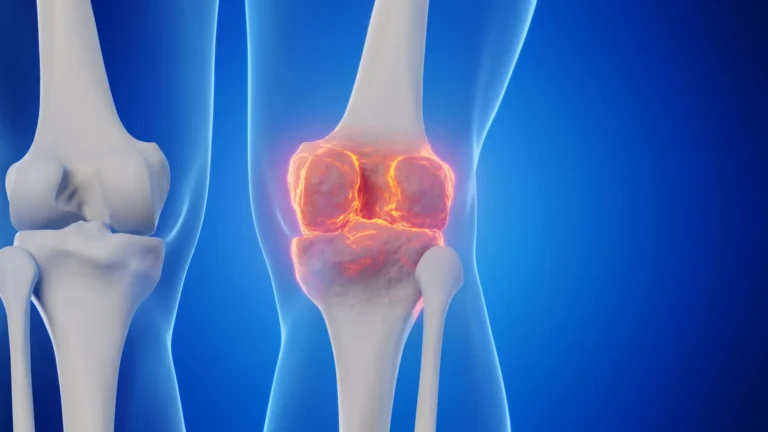
The most urgent challenge facing trainers today is the mitigation of muscle loss. Clinical research indicates that without a structured intervention, roughly 25 to 40 percent of the total weight lost while on GLP-1 therapies is comprised of lean skeletal muscle and bone density.
This is not merely an aesthetic concern—it is a metabolic crisis. Muscle is the body’s primary engine for glucose disposal and metabolic rate. When a client loses significant muscle mass, they effectively lower their basal metabolic rate (BMR), making long-term weight maintenance after the cessation of medication exponentially more difficult.
Fitness professionals are now the primary line of defense. By implementing progressive overload and high-protein nutritional programming, trainers are no longer just “weight loss coaches”—they are guardians of metabolic health.
The Human Element: Empathy and Lived Experience
While the science of muscle preservation is critical, the coaching of the client is equally vital. Jamie Selzler, a NASM Certified Personal Trainer, serves as a beacon for this new era. After losing 350 pounds with the assistance of medication, Selzler transitioned into a career as a wellness coach.
Selzler’s journey highlights the necessity of the "empathy-first" approach. Clients on GLP-1 medications often face side effects that defy traditional training protocols: extreme fatigue, persistent nausea, and a profound suppression of appetite that makes it difficult to consume the protein necessary to fuel muscle repair.
Standard "high-intensity" training, which might have been appropriate for a healthy, unmedicated client, can lead to a "recovery deficit" in this demographic. Coaches must now learn to modulate intensity based on the client’s daily biological feedback, ensuring that they are training hard enough to stimulate muscle growth without pushing the body into a state of systemic burnout.
Official Responses and Industry Standards
The fitness industry has been slow to formalize these protocols, but the consensus is shifting. Mike Fantigrassi, Head of Product at the National Academy of Sports Medicine (NASM), notes that the industry is in a state of urgent recalibration.
"Nearly three out of four trainers are now coaching clients on weight loss medications, and most tell us they feel underprepared for it," says Fantigrassi. "This is a deeply human question that goes far beyond basic exercise programming. Fitness professionals need expert guidance on supporting clients of every size, understanding the unique challenges they face, and applying the right strategies. Specialized knowledge is what separates a standard personal trainer from a professional who actively changes client outcomes."
This sentiment is echoed by the surge in demand for specialized education. Over 40 percent of trainers are actively seeking professional development specifically focused on the intersection of pharmaceuticals and exercise.
Implications for the Modern Fitness Business
The integration of medical weight loss into the fitness sphere creates several profound implications for the future of the profession:
1. The Rise of the "Medical-Fitness" Liaison
Trainers will increasingly serve as a bridge between the patient and their physician. By documenting strength gains, body composition changes, and behavioral adherence, trainers can provide physicians with the data needed to adjust dosages or optimize treatment plans. This elevates the trainer from a service provider to a critical member of the clinical care team.
2. Redefining Success Metrics
The era of measuring success solely by the number on the scale is ending. In a world where medication manages the scale, the trainer’s role is to manage the composition. Success is now measured by muscle retention, improvements in strength-to-weight ratios, and the mitigation of side effects.
3. Ethical Boundaries and Scope of Practice
The most important evolution is the clear definition of "scope of practice." Trainers are not pharmacists; they cannot advise on drug dosage or side effect management. However, they must be literate enough to recognize when a client’s symptoms—such as extreme lethargy or gastrointestinal distress—warrant a return visit to their physician.
4. New Career Paths
The demand for "GLP-1 Specialized Coaches" is growing. These professionals will be able to command higher premiums, work in integrated health clinics, and build more robust, long-term relationships with clients who are undergoing profound physical and psychological transformations.
Bridging the Gap: The Path Forward
To meet this demand, organizations like NASM have updated their educational frameworks, such as the Understanding Weight Loss Medications course. These programs are no longer theoretical; they are practical toolkits that include client-perspective video content, safety boundary training, and strategies for managing the unique nutritional challenges faced by medicated clients.
The goal is to ensure that when a client stops taking medication—or when they reach their goal weight—they are left with a body that is functionally stronger and metabolically healthier than when they started.
Conclusion: The Professional Imperative
The industry is at a crossroads. Trainers who continue to rely solely on outdated “eat less, move more” mantras will find themselves increasingly disconnected from the realities of the modern client. Conversely, those who embrace the science of GLP-1 therapies, prioritize muscle preservation, and develop a sophisticated understanding of the medical-fitness interface will lead the next generation of wellness.
The question for the modern personal trainer is no longer whether to engage with this trend, but how effectively they can lead their clients through it. The future of fitness is not in resisting the medical shift, but in mastering the intersection of medicine and movement. By prioritizing specialized education and human-centered coaching, fitness professionals can ensure that the age of medical weight loss becomes an age of unprecedented physical vitality.