











In our fast-paced, high-demand modern environment, the sensation of being "stuck in a loop"—a cycle of relentless mental chatter and heightened anxiety—has become a hallmark of daily life. For many, this isn’t just a fleeting feeling; it is a physiological reality driven by cortisol. Often referred to as the body’s primary stress hormone, cortisol plays a critical role in managing our immune response, inflammatory signaling, and, most notably, our "fight-or-flight" survival mechanism.
When chronic stress becomes the baseline, cortisol levels remain chronically elevated. This persistent state of high alert can lead to exhaustion, disrupted sleep, and a persistent feeling of overwhelm. However, recent clinical research and physiological studies suggest that we are not helpless in the face of our own biology. By intentionally engaging in specific yoga postures, practitioners can shift their nervous system from a state of sympathetic dominance to parasympathetic activation, effectively lowering cortisol and signaling to the brain that it is safe to return to equilibrium.
The Science of Stress: Understanding the Cortisol Connection
Cortisol is secreted by the adrenal glands in response to perceived threats. While this was evolutionarily designed to help our ancestors escape physical danger, the modern world triggers this response through non-physical threats—deadlines, financial pressures, and digital oversaturation.
Chronology of the Stress Response
- The Trigger: A stimulus (an email, a conversation, a looming task) activates the amygdala.
- The Signal: The hypothalamus signals the pituitary gland, which instructs the adrenal glands to release cortisol and adrenaline.
- The Shift: Heart rate increases, digestion slows, and non-essential functions are dampened to prioritize physical survival.
- The Loop: If the stressor does not dissipate, the body remains in this state. Cortisol begins to interfere with cognitive function, emotional regulation, and hormonal balance.
Recent studies published in peer-reviewed journals, including those from the Frontiers in Psychology database, have demonstrated that consistent yoga practice serves as a potent intervention. Yoga acts as a "bottom-up" regulatory tool: instead of trying to "think" our way out of stress, we use the body to communicate safety to the brain.
5 Targeted Yoga Poses to Lower Cortisol and Restore Balance
While restorative practices like Savasana are essential for nervous system recovery, sometimes the mind requires a more active, focused engagement to break the cycle of rumination. The following five poses are selected for their ability to physically reorient the body and demand the focus necessary to bypass the "loop" of stress.
1. Pigeon Pose (Eka Pada Rajakapotasana)
The hips are frequently described in somatic circles as a "storage unit" for emotional tension. From an anatomical perspective, the hips house the psoas—a muscle deeply connected to the diaphragm and the body’s stress response.
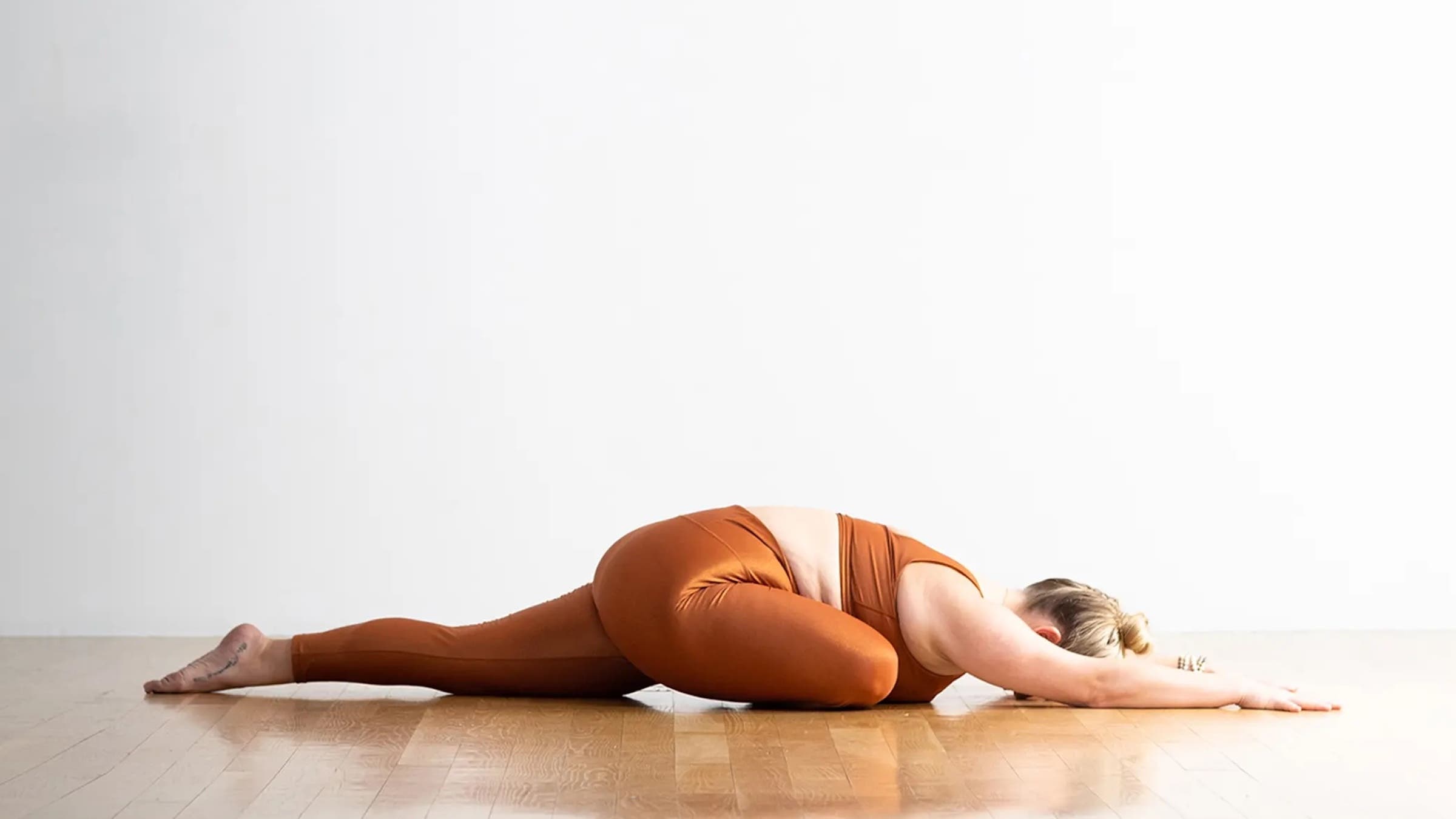
- The Mechanism: By externally rotating the hip, Pigeon Pose provides a deep, sustained stretch to the psoas. This release helps to signal the nervous system that it no longer needs to be braced for impact.
- The Experience: As you settle into your variation of Pigeon, the intensity of the stretch demands presence. This prevents the mind from wandering back into the "loop" of stress, forcing a return to the breath.
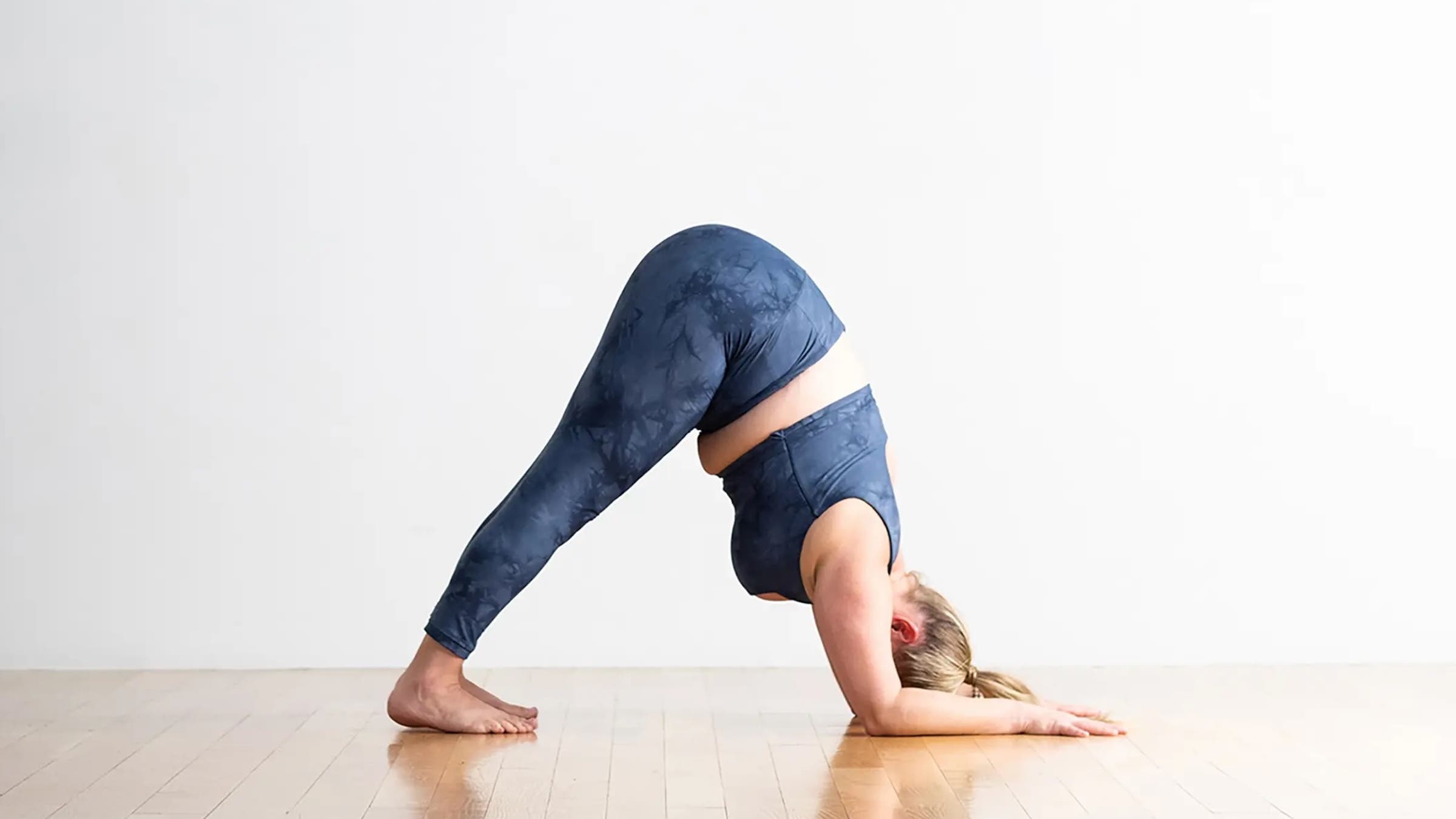
2. Dolphin Pose (Ardha Pincha Mayurasana)
Often considered a "strengthening reset," Dolphin Pose is the ultimate bridge between grounding and inversion. By placing the forearms on the mat, you create a stable foundation that encourages upper-body strength while allowing the head to drop below the heart.
- The Mechanism: The inversion aspect is critical; by placing the head below the heart, you encourage a gentle shift in circulation and venous return. This position requires significant core and shoulder engagement, which acts as a powerful cognitive distraction.
- The Experience: Because the pose is challenging, it leaves little room for anxious thoughts. It forces you to focus on alignment, breath, and stability, effectively "resetting" the nervous system through exertion.
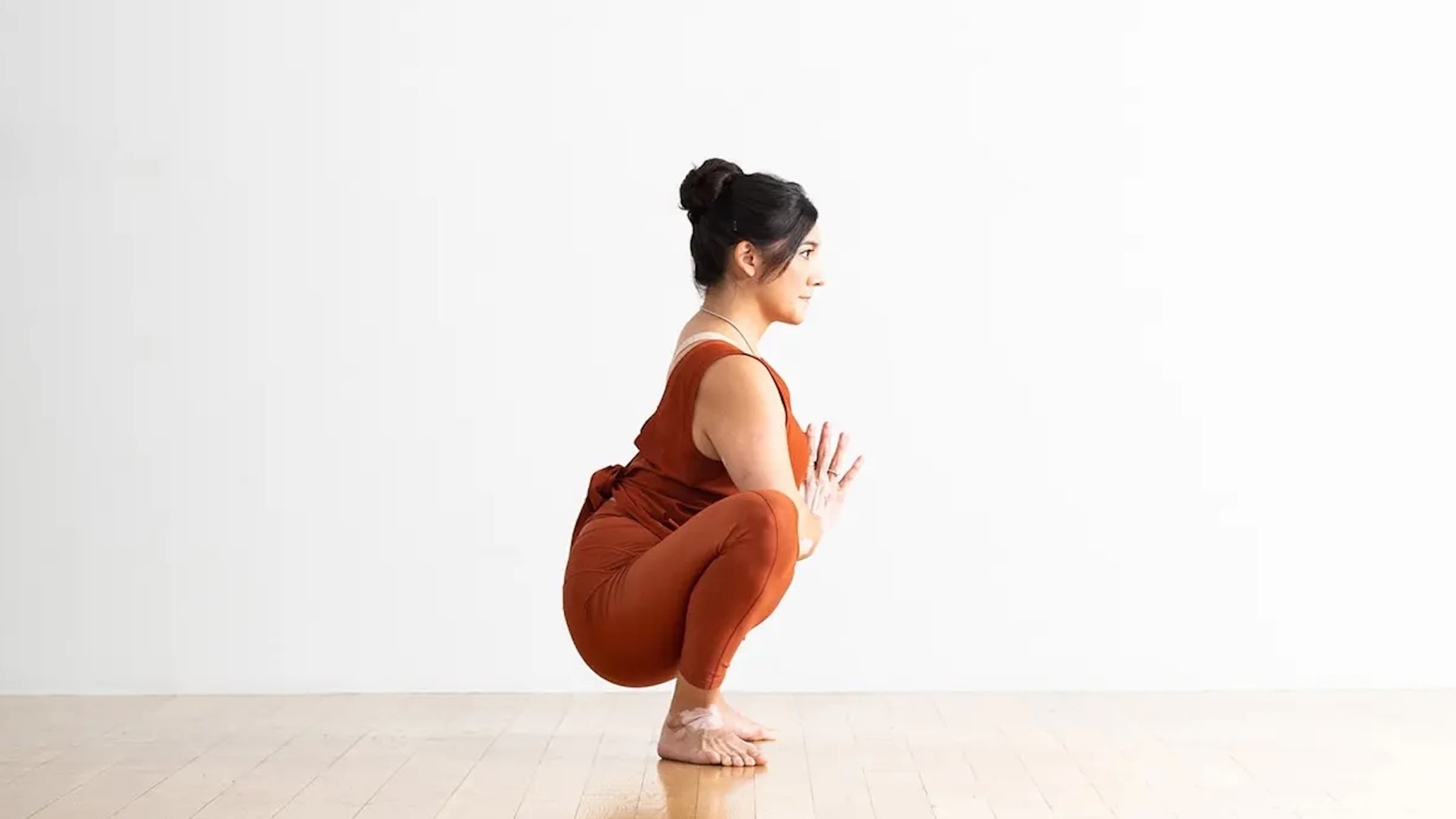
3. Garland Squat (Malasana)
Modern life is defined by sitting in chairs, which shortens the hip flexors and restricts the pelvis. Malasana serves as an antidote, opening the hips and lengthening the spine in a way that is profoundly grounding.
- The Mechanism: The pelvic release achieved in this squat directly supports the parasympathetic nervous system. When the hips are open and the spine is elongated, the body feels "safe," which triggers the release of tension throughout the entire trunk.
- The Experience: There is an inherent sense of stability in a deep squat. It is a primal, functional shape that brings the practitioner back to their center, providing a physical anchor when the mind feels chaotic.
4. Legs Up the Wall (Viparita Karani)
If there is one "gold standard" for lowering cortisol, it is this. Viparita Karani is a restorative inversion that requires zero physical exertion, making it accessible even during periods of extreme exhaustion.
- The Mechanism: By elevating the legs, you facilitate venous drainage and lower the heart rate. This passive pose sends a direct, undeniable signal to the brain that the body is at rest, which is the fastest way to deactivate the fight-or-flight response.
- The Experience: This pose is an act of surrender. By removing the need to hold yourself up, you allow the nervous system to transition into "rest and digest" mode.
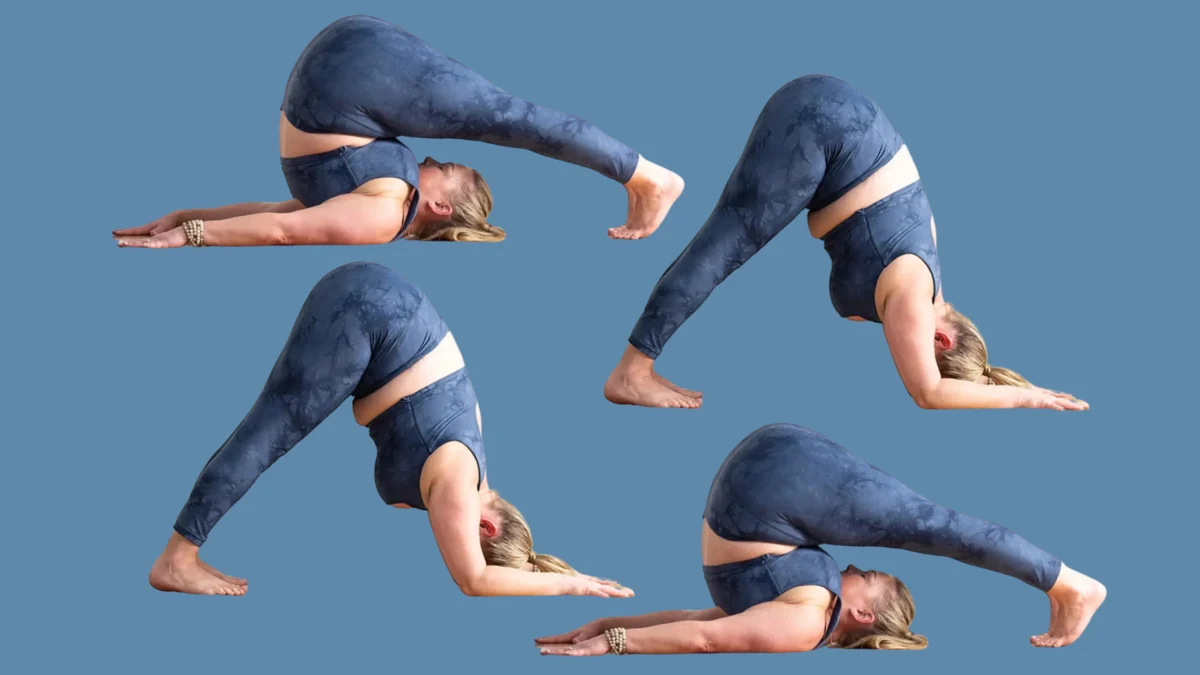
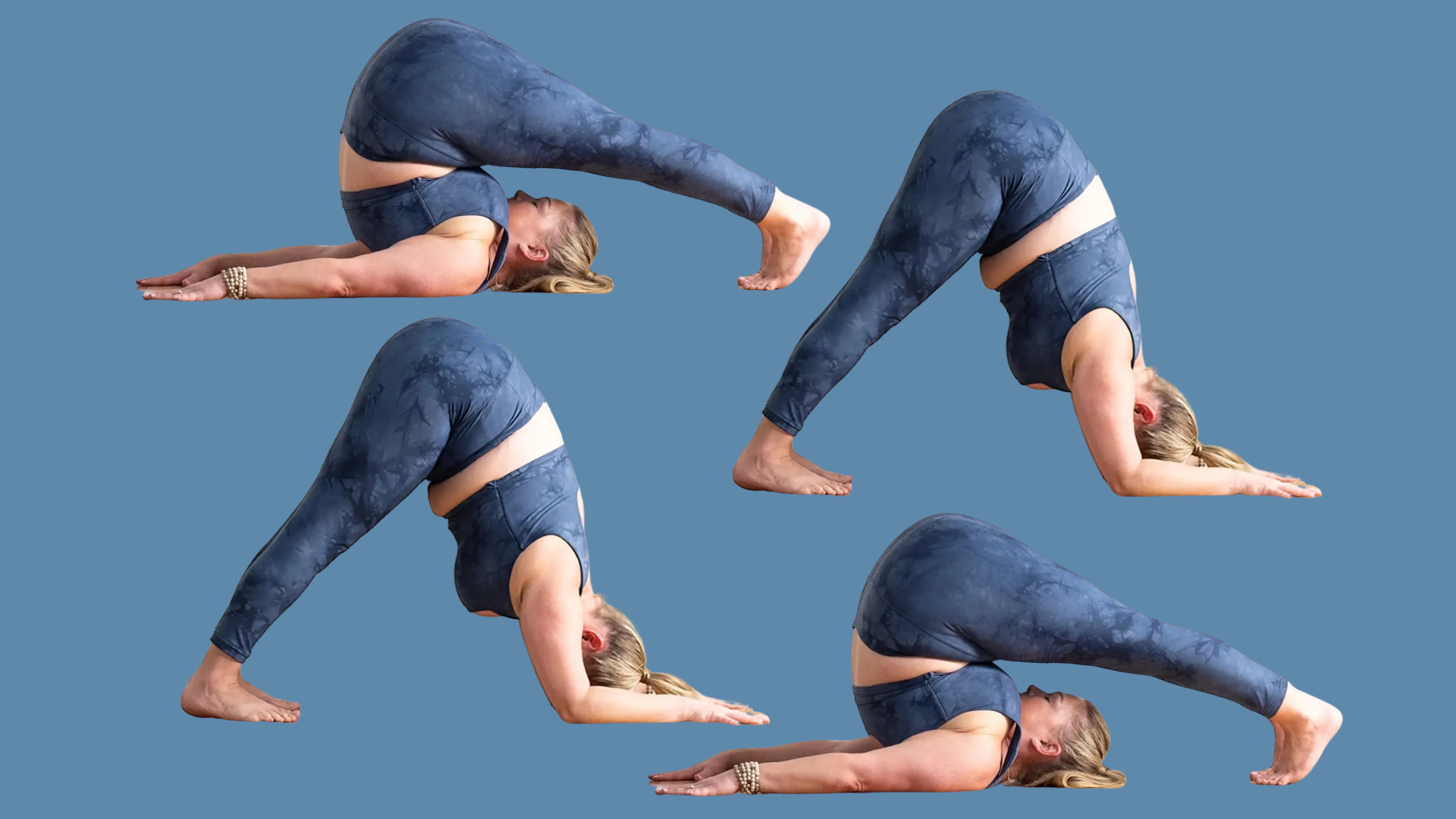
5. Plow Pose (Halasana)
Shifting one’s perspective is not just a metaphor; it is a physiological practice. Plow Pose takes the body into an inverted, folded shape that requires complete internal focus.
- The Mechanism: The chin tuck characteristic of Plow Pose is believed to stimulate the vagus nerve, which is the primary controller of the parasympathetic nervous system. By compressing the throat area slightly, you encourage a slower, more deliberate breath.
- The Experience: The deep, rhythmic breathing required in this pose trains the nervous system to remain calm under pressure. It effectively teaches the body that it can be in an unconventional, inverted position and still remain safe.
Supporting Data: Why Yoga Works
Research from the National Center for Biotechnology Information underscores that the benefits of these poses are not merely anecdotal. Studies show that regular practitioners exhibit lower baseline levels of salivary cortisol. The physiological implications are profound:
- Improved Immunity: Lower cortisol levels allow the immune system to function more effectively.
- Better Inflammatory Response: Chronic stress leads to systemic inflammation; yoga helps modulate these markers.
- Cognitive Clarity: By exiting the "fight-or-flight" loop, the prefrontal cortex—the part of the brain responsible for logic and decision-making—regains control.
Implications for Daily Life
Incorporating these poses does not require an hour-long studio session. Even five minutes of Legs Up the Wall or a brief Malasana break during the workday can act as a circuit breaker for stress. The goal is not to achieve the "perfect" expression of the pose, but to use the physical form as a tool for nervous system regulation.
As we continue to navigate a world that prioritizes constant connectivity, the ability to consciously down-regulate our stress response is a vital skill. By integrating these yoga practices into your routine, you move beyond merely "managing" stress to actively cultivating a state of internal resilience.
Expert Perspective:
Health professionals increasingly recommend these somatic practices as a non-pharmacological adjunct to traditional stress management. While medication or therapy may be necessary for some, the inclusion of body-based movement is universally recognized as a foundational pillar of holistic health. As you begin to practice these shapes, remember: the goal is not to perform, but to feel. In the stillness of the pose, you will find the quiet necessary to silence the loop and reclaim your center.