Updated May 8, 2026
In an era defined by hyper-connectivity, rapid-fire communication, and an unrelenting emphasis on personal productivity, the virtue of compassion is often relegated to the periphery. Frequently dismissed as a "soft" skill in high-pressure professional and social environments, compassion is increasingly being reclaimed by wellness experts and psychological researchers alike as a profound, hidden strength. It serves as the vital bridge between intellectual awareness and tangible action—the difference between recognizing another’s struggle and choosing to engage with it through grace and openness.
As we navigate the complexities of 2026, the necessity of compassion—both for others and, crucially, for ourselves—has never been more evident. Yoga, an ancient discipline often simplified as a series of physical postures, provides a sophisticated framework for developing this quality. By integrating physical movement, breathwork, and meditative practices, practitioners are discovering that the path to a more empathetic society begins with the alignment of the body and the mind.
The Science of Softening: Why Compassion Matters
At its core, compassion is the willingness to remain present and responsive in the face of difficulty. Self-compassion follows a similar logic: it is the practice of meeting one’s own internal monologue with kindness rather than the stinging critique of perfectionism. When we speak to ourselves with the same warmth we might offer a friend, we foster resilience.
From a physiological perspective, our modern lives often trap us in a state of chronic "fight or flight." Constant exposure to digital stimuli and the pressures of the workplace cause us to physically hunch inward, a protective posture that mirrors our psychological defensiveness. When the body stays in this guarded state, the nervous system remains on high alert, leaving little room for the emotional spaciousness required for true empathy.
The Chronology of Cultivation: Building Empathy Through Movement
The integration of compassion into a yoga practice is not an overnight transformation; it is a cumulative process. Historically, the practice of yoga was designed to prepare the body for long periods of meditation, but its modern application serves as a recalibration tool for the nervous system.
Phase 1: Physical Unfolding
The journey begins on the mat. By engaging in heart-opening postures—backbends that counteract our daily, screen-induced hunch—practitioners physically release the guardedness held in the chest and shoulders. According to yogic tradition, stretching the front body is more than a muscular endeavor; it is an act of vulnerability. By literally "opening" to the world, the practitioner invites a release of emotional tension, creating a physical state of receptivity.
Phase 2: The Nervous System Shift
As the body opens, the breath deepens. This rhythmic, mindful breathing triggers the parasympathetic nervous system—the "rest and digest" state. In this physiological calm, the brain moves out of survival mode and into a state where emotional regulation is possible. This is where the "practice" becomes a "skill," allowing the individual to observe their own emotions without judgment.
Phase 3: Extending the Practice
Once the internal environment is stabilized, the practitioner moves from self-regulation to interpersonal connection. This involves the application of the sangha (community) principle, where the realization that we are all part of a larger collective human experience replaces the isolation of the ego.
Heart-Opening Poses: A Practical Guide
To cultivate this state of openness, yoga teachers recommend five foundational poses. These are not merely exercises to be performed; they are opportunities to observe, acknowledge, and appreciate the self.

1. Puppy Pose (Anahatasana)
This pose encourages a surrender of the chest toward the earth. By stacking the hips over the knees and extending the arms forward, the practitioner creates space in the thoracic spine, signaling to the body that it is safe to let go of protective tension.
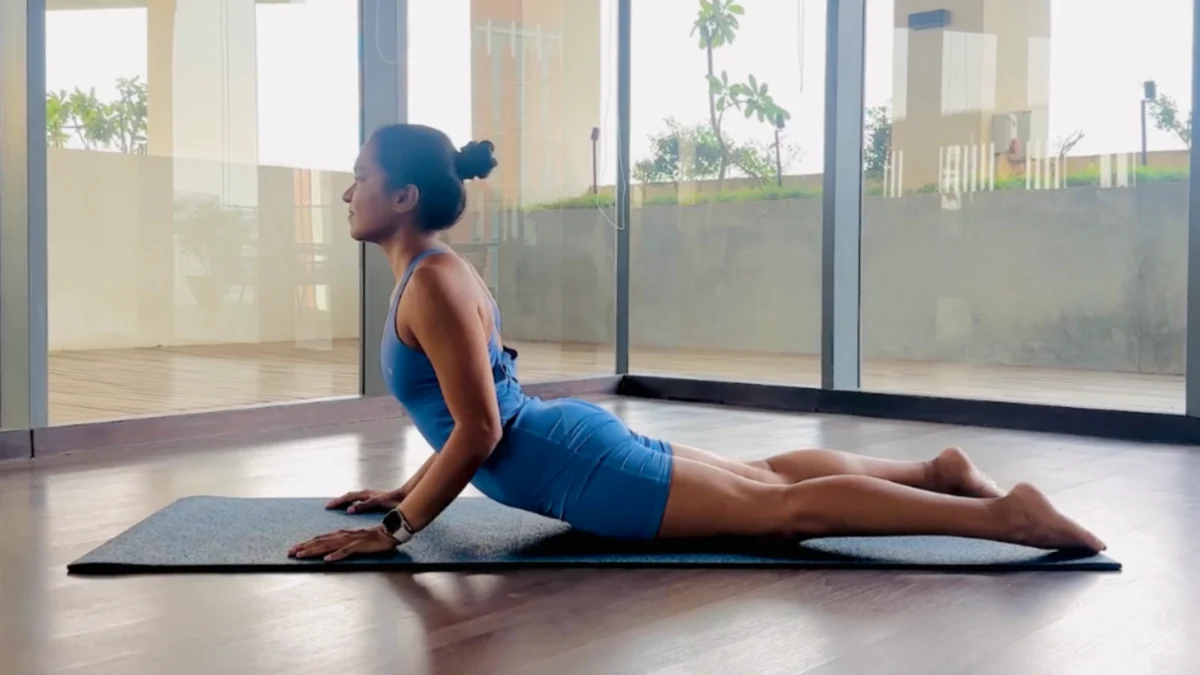
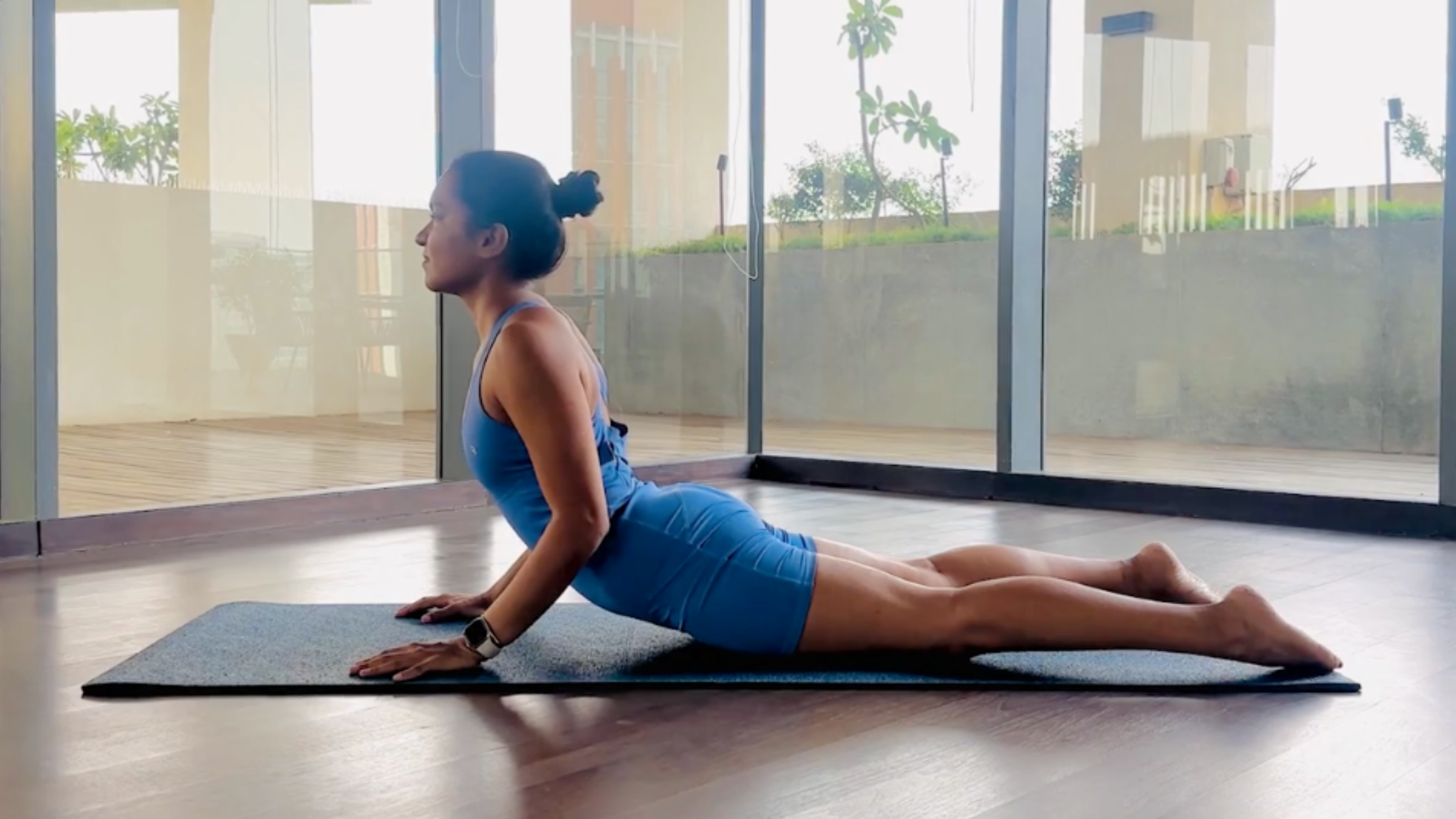
2. Cobra Pose (Bhujangasana)
Cobra serves as a bridge between strength and surrender. By lifting the chest through the engagement of the back muscles rather than the force of the arms, the practitioner learns to lead with the heart while maintaining a grounded, stable base.
3. Fish Pose (Matsyasana)
By lifting the chest and allowing the throat to open, Fish Pose exposes the areas most associated with human vulnerability and expression. It is a powerful exercise in sitting with the sensation of "being open," which is an essential precursor to genuine compassion.
4. Wheel Pose (Chakrasana)
The most challenging of the heart-openers, Wheel Pose requires significant physical effort. It serves as a symbolic reminder that choosing to live with an open heart is an active, powerful choice—one that requires strength, intention, and courage.
5. Child’s Pose (Balasana)
Compassion is not just about expansion; it is about feeling supported. Child’s Pose acts as a profound counter-pose to the intensity of heart-openers, allowing the practitioner to feel held by the earth. It is a vital practice for releasing the "back of the heart" and finding stillness.

Beyond the Poses: Chanting and Loving-Kindness
Physical movement is only one pillar of this practice. To deepen the sense of emotional resonance, many turn to the auditory and cognitive practices of yoga.
The Power of Mantra
Chanting—specifically the repetition of the om or personal affirmations like "May I be kind"—acts as a rhythmic anchor. It disrupts the loop of negative self-talk, grounding the practitioner in the present moment. By focusing the mind on a singular, benevolent intent, the practitioner begins to rewire their habitual response to stressors.
The Loving-Kindness Meditation (Metta)
This practice is perhaps the most direct route to building empathy. By silently directing phrases like "May I be safe" and "May I be peaceful" toward oneself, then toward a loved one, a neutral party, a difficult person, and finally all beings, the practitioner systematically expands their capacity for empathy. It is a systematic deconstruction of the barriers we build between "us" and "them."
Implications for the Modern World
The implications of integrating these practices into daily life extend far beyond the walls of a yoga studio. In the corporate sector, the "soft" skill of compassion is increasingly recognized as a leadership imperative. Leaders who practice emotional regulation and empathy are better equipped to manage crises, foster team cohesion, and navigate the complexities of a diverse workforce.
Furthermore, the concept of sangha—the spiritual community—reminds us that individual well-being is inextricably linked to the well-being of the group. When we practice compassion, we are not just helping others; we are contributing to a more stable, understanding, and functional society.

Conclusion: Compassion as a Way of Life
As we continue through 2026, the need for intentional, practiced empathy grows. Whether through the physical release of a backbend, the rhythmic grounding of a mantra, or the quiet contemplation of a loving-kindness meditation, the goal remains the same: to move from a place of contraction to a place of connection.
When compassion is integrated into the rhythm of daily life, the mat becomes merely a training ground. The true practice happens in our interactions with colleagues, family, and even strangers. By choosing to lead with an open heart, we do not just change ourselves—we change the world around us, one breath at a time.