











For millions of people worldwide, the day does not truly begin until that first steaming cup of coffee or tea is poured. It is a ritual as ingrained in modern culture as it is globally ubiquitous. However, as the global population ages, researchers are increasingly looking at how these everyday habits influence long-term health markers, particularly the strength and integrity of our skeletal structure.
A significant new study conducted by researchers at Flinders University has provided fresh, evidence-based insights into the complex relationship between coffee, tea, and bone mineral density (BMD) in older women. Published in the journal Nutrients, the study offers a decade-long perspective on how our preferred caffeine delivery systems might be subtly shaping our physical resilience as we age.
Main Facts: A Decade of Data on Skeletal Integrity
The study, titled ‘Longitudinal Association of Coffee and Tea Consumption with Bone Mineral Density in Older Women: A 10-Year Repeated-Measures Analysis in the Study of Osteoporotic Fractures,’ represents a rigorous attempt to quantify the skeletal impact of daily beverage consumption. By tracking nearly 10,000 women aged 65 and older over a 10-year period, the researchers sought to determine if the antioxidants, caffeine, and other bioactive compounds found in coffee and tea exert a measurable influence on bone health.
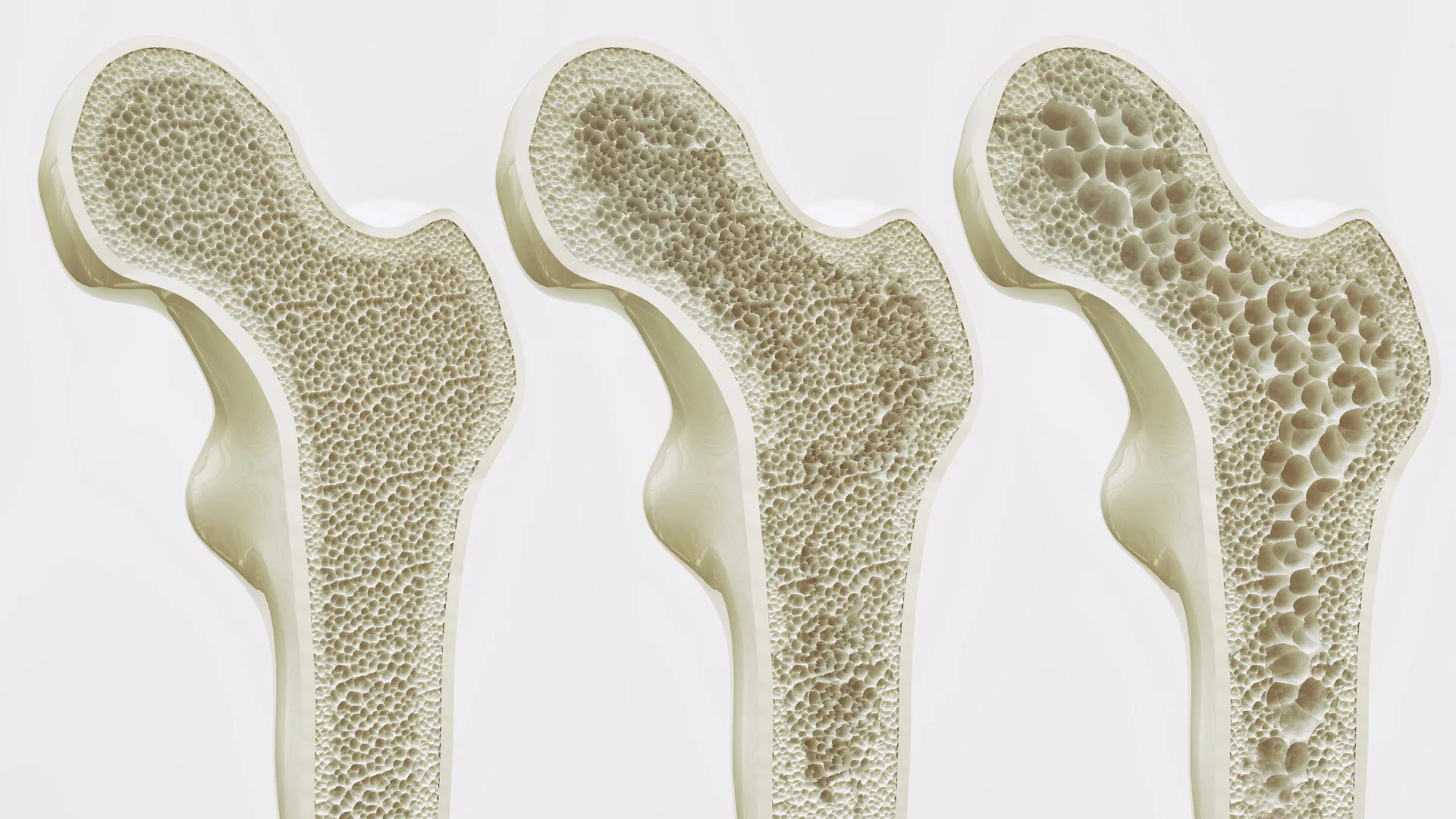
The primary measure used was Bone Mineral Density (BMD), a critical clinical indicator of osteoporosis risk. Osteoporosis is a condition characterized by the weakening of bone tissue, rendering it fragile and susceptible to fractures. With one in three women over the age of 50 experiencing an osteoporotic fracture in their lifetime, the societal and individual health costs are immense. The Flinders University team hypothesized that because these beverages are consumed so frequently, even minor variations in their physiological effects could result in substantial public health outcomes over the long term.
Chronology: The Methodology of the Longitudinal Analysis
The research utilized the extensive data provided by the "Study of Osteoporotic Fractures" (SOF), a long-running clinical cohort. The methodology was designed to be as precise as possible, moving beyond one-off snapshots to capture how consumption patterns evolve and how those patterns correlate with structural bone changes.
Phase 1: Baseline Assessment and Monitoring
At the onset of the study, participants provided detailed information regarding their beverage habits. This was not a singular data collection event; rather, the researchers repeatedly assessed these habits over the 10-year window. By tracking how much coffee and tea the women drank, the team was able to account for lifestyle shifts, health fluctuations, and the consistency of consumption.
Phase 2: Imaging and Measurement
Bone health was measured at the hip and femoral neck—the two regions most critical for assessing fracture risk. Using advanced diagnostic imaging, the researchers were able to track changes in density with high accuracy. This repeated-measures design allowed the researchers to move beyond simple correlation and establish a clearer picture of how beverage consumption tracks with bone loss—or retention—over a full decade.
Supporting Data: The Divergent Effects of Brews
The findings from the Flinders University study paint a nuanced picture, revealing that coffee and tea appear to interact with the skeletal system in fundamentally different ways.
The "Tea Advantage"
One of the most notable findings was the positive correlation between tea consumption and hip bone mineral density. Women who were regular tea drinkers exhibited slightly higher BMD compared to their non-drinking counterparts. While the difference was described as "small," researchers emphasize that in the context of large populations, even a marginal increase in density can significantly lower the statistical probability of hip fractures.
The researchers attribute this benefit largely to catechins—a class of plant-based polyphenols found in high concentrations in tea. These compounds are believed to possess anti-inflammatory and antioxidant properties that may promote bone formation while simultaneously slowing the rate of bone resorption (the process by which the body breaks down bone tissue).
The "Coffee Complexity"
Coffee, conversely, exhibited a threshold-dependent relationship. The data suggested a U-shaped or plateaued effect:
- Moderate Consumption: Drinking two to three cups of coffee per day appeared to be neutral, showing no significant negative impact on bone density.
- Heavy Consumption: A clear association was observed in women who consumed more than five cups of coffee daily. This high-intake group displayed lower BMD, suggesting that at extreme levels, the components of coffee may interfere with the body’s bone-maintenance mechanisms.
The Role of Confounding Variables
The study also identified that the impact of these beverages is not experienced in a vacuum. The researchers noted that individual health and lifestyle factors, such as body mass index (BMI) and alcohol consumption, play a role in how coffee and tea affect bone integrity. For instance, the beneficial association of tea was more pronounced in women living with obesity, while the negative effects of heavy coffee consumption were amplified in women with a history of higher lifetime alcohol intake.
Official Responses: Insights from the Flinders Team
The research team, led by Adjunct Associate Professor Enwu Liu and co-author Ryan Yan Liu, has been careful to contextualize their findings to avoid alarmism, while simultaneously highlighting the potential for simple, actionable health improvements.
"Even small improvements in bone density can translate into fewer fractures across large groups," notes Adjunct Associate Professor Enwu Liu. The team views these results as a validation of the idea that dietary habits are not just about macronutrients or caloric intake, but about the specific chemical compounds we ingest daily.
Regarding the mechanisms at play, Ryan Yan Liu highlights the metabolic tug-of-war occurring within the body. "Coffee’s caffeine content has been shown in laboratory studies to interfere with calcium absorption and bone metabolism," he explains. "However, these effects are small and can be offset by adding milk or ensuring adequate calcium intake." This serves as a vital reminder that nutritional context—what you add to your coffee or what you eat alongside it—matters as much as the beverage itself.
Implications: A Shift in Public Health Recommendations
The implications of this study are both academic and practical. For the aging population, the study offers a compelling case for the inclusion of tea as part of a bone-healthy lifestyle.
Pragmatism Over Perfection
The researchers are quick to emphasize that their findings do not necessitate a radical overhaul of daily routines. "Our results don’t mean you need to give up coffee or start drinking tea by the gallon," says Associate Professor Liu. The goal is not to encourage obsessive consumption, but to promote informed choices. For an older woman concerned about her skeletal health, choosing tea over a fifth or sixth cup of coffee may be a low-effort, high-reward decision.
The Hierarchy of Bone Health
While this study adds a valuable piece to the puzzle, the researchers emphasize that it does not replace established wisdom. Calcium and Vitamin D intake, along with weight-bearing exercise, remain the primary pillars of osteoporosis prevention. The findings regarding coffee and tea should be viewed as an adjunct to these cornerstones rather than a replacement.
Future Research Directions
The study also opens doors for further investigation. Future research might explore whether the type of tea (e.g., green vs. black) or the temperature and strength of the brew influences the results. Furthermore, investigating whether the negative effects of high coffee intake can be fully mitigated by specific dietary interventions could provide even more granular advice for high-risk populations.
Conclusion: Small Steps Toward Stronger Bones
As the global medical community continues to seek strategies to combat the rising incidence of osteoporosis, the role of diet remains a focal point. The research from Flinders University provides a comforting, if cautionary, message: the cup you hold in your hand each morning is a tool that can be used to support your long-term vitality.
For the average consumer, the takeaway is simple: enjoy your coffee in moderation, be mindful of excessive intake if you have other risk factors, and consider embracing the potential bone-strengthening properties of a daily cup of tea. It is a testament to the idea that in the pursuit of healthy aging, even the smallest daily rituals can leave a lasting impact on the strength of our bodies.
Acknowledgments: The study, published in Nutrients, was made possible by data from the Study of Osteoporotic Fractures (SOF), which is funded by the National Institute on Aging (NIA) and the National Institute of Arthritis and Musculoskeletal and Skin Diseases (NIAMS). Grants supporting this research include AG05407, AR35582, AG05394, AR35584, and AR35583.