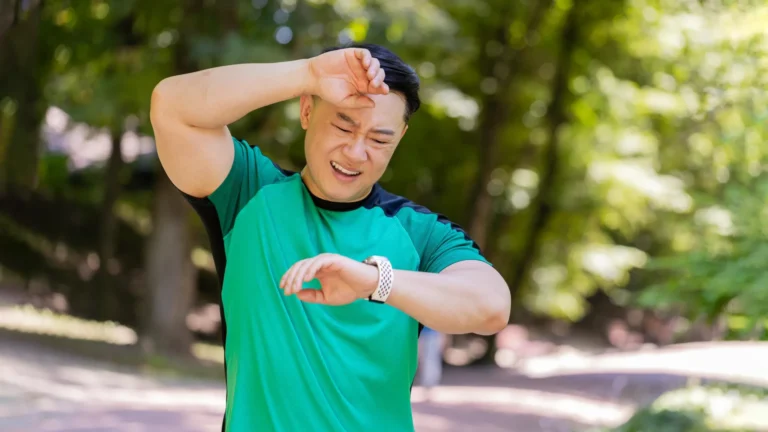











For millions of active individuals, the first few steps after waking up are often a diagnostic ritual of agony. A sharp, searing sensation in the heel—often described as feeling like a hot needle or a tearing ligament—is the hallmark of Plantar Fasciitis. It is a condition that does not merely disrupt athletic performance; it dismantles the basic quality of life, turning a simple walk to the kitchen into an ordeal. While conventional wisdom often leads sufferers toward the medicine cabinet for anti-inflammatories or to the massage therapist’s table for temporary relief, a new perspective is gaining traction in the fitness community.
Jake Blundell, the rehabilitation specialist and movement coach better known to his millions of social media followers as “Elastaboy,” is challenging the status quo. His philosophy is rooted in the belief that while the modern approach to pain management effectively "mutes" the symptoms, it rarely addresses the structural vulnerability that caused the inflammation in the first place. Through a series of targeted, mobility-focused exercises, Blundell is advocating for a shift from passive treatment to active, long-term resilience.
Understanding the Anatomy of Agony: What is Plantar Fasciitis?
To understand why Blundell’s approach is garnering such significant attention, one must first understand the anatomy of the foot. The plantar fascia is a thick, fibrous band of connective tissue that acts as a shock-absorbing bowstring, running from the heel bone to the base of the toes. This structure is the fundamental architecture of the human foot; it maintains the arch, supports the weight of the body during movement, and facilitates the complex biomechanics of walking, running, and jumping.
Plantar Fasciitis occurs when this ligament becomes overwhelmed. This can be triggered by a sudden increase in physical activity, improper footwear, or, most commonly, the repetitive micro-trauma of daily life. When the fascia is subjected to forces it cannot dissipate, it develops micro-tears, leading to chronic inflammation and the characteristic heel pain that plagues sufferers.
"It is a structural issue, not just a pain issue," Blundell notes. When we rely solely on massage or painkillers, we are essentially turning down the volume on the body’s alarm system without fixing the broken machinery. While these methods can provide a reprieve, they do not build the tensile strength required to prevent recurrence.
The Chronology of Recovery: From Passive Muting to Active Building
The history of treating Plantar Fasciitis has largely been one of reactive medicine. Traditionally, a patient presents with symptoms, receives a diagnosis, and is prescribed rest, ice, and non-steroidal anti-inflammatory drugs (NSAIDs). If the condition persists, the patient might move on to corticosteroid injections or orthotics.
Blundell’s methodology represents a shift in this timeline. He argues that the recovery process should be viewed as a period of "controlled adaptation." The chronology of his proposed rehabilitation follows a logical, progressive path:
- The Assessment Phase: Rather than ignoring the pain, the individual must learn to measure it. Blundell emphasizes the "Morning Test." By evaluating the intensity of the pain upon the very first step of the day, an individual can gauge the effectiveness of the previous day’s rehab.
- The Mobilization Phase: Instead of avoiding movement, the focus is on gentle, controlled tension. This is where the toe extensions and foot manipulations come into play, reintroducing flexibility to a stiff and inflamed structure.
- The Strengthening Phase: Once mobility is established, the focus shifts to load-bearing exercises, such as slow calf raises. This phase is critical because it moves the fascia from a state of fragile inflammation to a state of robust, load-bearing resilience.
- The Maintenance Phase: Integration of these movements into a daily routine ensures that the arches remain supported and the fascia remains supple, preventing the "stalling" effect that often leads to chronic relapses.
Supporting Data: Why Stretching Outperforms Static Rest
The efficacy of Blundell’s approach is backed by an increasing body of sports science research that favors "progressive loading" over "total rest." When a ligament like the plantar fascia is injured, complete immobilization can actually lead to atrophy and a decrease in the tissue’s ability to handle force.
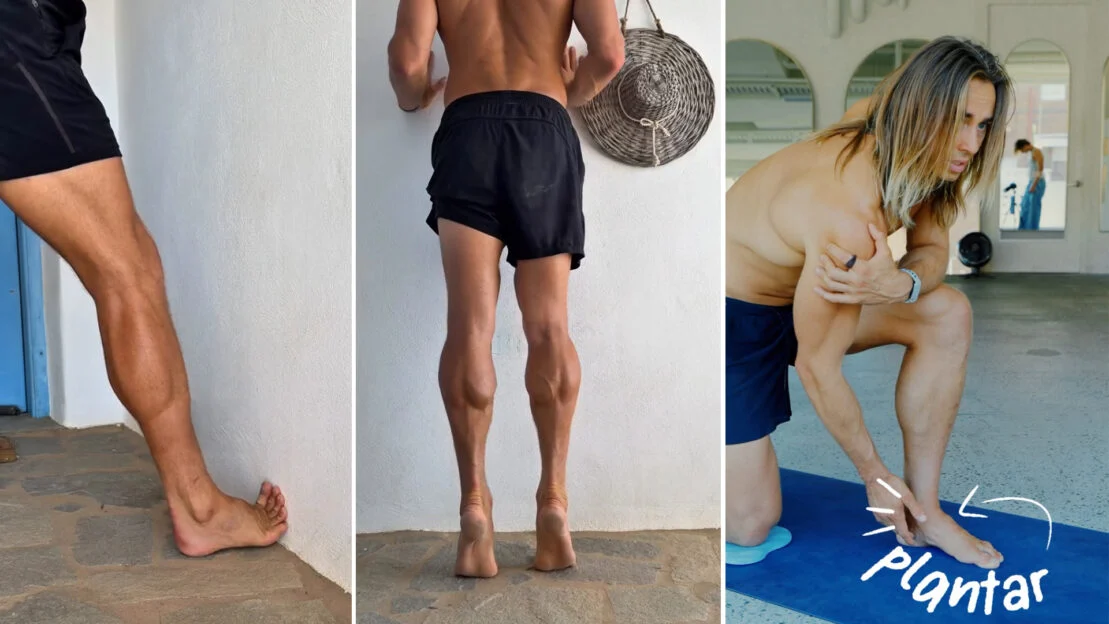
Blundell’s three-pillar exercise routine is designed to bridge the gap between injury and full athletic function:
1. The Toe Extension Stretch
This move is foundational. By placing the toes against a vertical surface—like a wall—with the heels on the ground, the practitioner is forced into a dorsiflexed position that directly stretches the plantar fascia. Holding this for 30 seconds allows the fibrous tissue to acclimate to tension without the impact of body weight, which can be the difference between a therapeutic stretch and a damaging over-extension.
2. Single Leg Slow Calf Raises
The calf muscle is inextricably linked to the foot. Tight gastrocnemius and soleus muscles pull on the heel, which in turn pulls on the plantar fascia. By strengthening the calf through slow, controlled raises, one can improve the overall biomechanical efficiency of the lower leg. Blundell is pragmatic about the intensity: if a full single-leg raise is too painful, the movement can be adapted by remaining seated or using both legs, ensuring the patient can progress at their own speed.
3. Manual Foot Manipulation
This is perhaps the most unique aspect of Blundell’s routine. It involves the active engagement of the intrinsic foot muscles. By spreading, lifting, and controlling the foot, the individual is essentially teaching the arch to support itself. This moves the focus from the passive ligament to the active musculature, which is the ultimate key to longevity.
Implications for the Fitness Community
The implications of "Elastaboy’s" philosophy are profound. If we accept that foot health is the foundation of total-body physical success, then we must prioritize the maintenance of our feet with the same rigor we apply to training our chest, back, or legs.
For the average athlete, the shift away from relying on painkillers carries significant health benefits. Long-term NSAID use is associated with gastrointestinal issues and, in some cases, cardiovascular risk. By replacing the pill bottle with a dedicated ten-minute mobility routine, individuals are not only saving their feet but protecting their long-term systemic health.
Furthermore, Blundell’s focus on "listening to the morning pain" empowers the individual. It transforms the patient from a passive recipient of medical care into an active participant in their own recovery. This internal locus of control is often a significant predictor of rehabilitation success.
Professional Perspectives and When to Seek Help
While Blundell’s exercises offer a potent solution for many, it is vital to acknowledge the limitations of self-directed rehabilitation. The sports medicine community generally agrees that if pain persists for more than several weeks, or if it increases despite adherence to a mobility program, professional intervention is non-negotiable.
"There may be something else going on," Blundell reminds his followers. This is a crucial admission. Stress fractures, nerve entrapments (such as tarsal tunnel syndrome), and systemic inflammatory diseases can masquerade as Plantar Fasciitis. A professional assessment—whether from a podiatrist, a physical therapist, or an orthopedist—is necessary to rule out these more complex issues.
However, for the vast majority of cases stemming from overuse and modern sedentary habits, the message from the "Elastaboy" community is clear: do not wait for the pain to disappear on its own. The path to recovery is paved with consistent, intelligent, and intentional movement. By fostering resilience in the tissues of the feet, we do not just eliminate the pain of today; we build the structural foundation for the activities of tomorrow.
As Blundell himself notes, the goal is not just to reach a pain-free state, but to reach a state of physical freedom. By trading the passive crutch of pain management for the active, empowering practice of mobility, we can ensure that our feet—the very foundation of our movement—remain as strong as the ambitions they carry.