






Published August 27, 2026
In the modern fitness landscape, the "core" is frequently reduced to a visual objective: the coveted six-pack. However, for those looking to move through life with greater ease, stability, and longevity, the true definition of core strength extends far beyond superficial aesthetics. A robust, functional core is the body’s internal support system, essential for everything from navigating the physical demands of a high-pressure workday to maintaining balance while performing everyday tasks.
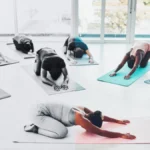
As of late 2026, fitness experts and yoga practitioners are shifting the narrative, emphasizing that core strength is not about "nailing" a difficult pose like Bakasana (Crow Pose), but about fostering the internal coordination required to stabilize the spine and pelvis. When the core muscles—which include the deep abdominals, the muscles supporting the lower back, the pelvic floor, and the hip stabilizers—function in harmony, they provide a multi-purpose foundation for every movement we make.
The Misunderstood Anatomy of the Core
A persistent misunderstanding in both athletic and yoga communities is that the "core" consists solely of the rectus abdominis—the "six-pack" muscles. In reality, the core is a complex, three-dimensional cylinder of muscle that surrounds the torso. This system is responsible for protecting the lumbar spine and facilitating the transfer of force between the upper and lower body.
Supporting the low back and pelvis requires a symphony of muscles working in tandem:
- The Transverse Abdominis: The deepest layer of the abdominals, acting like a natural corset.
- The Multifidus: Small, deep muscles along the spine that provide segmental stability.
- The Obliques: Internal and external muscles that manage rotation and lateral flexion.
- The Pelvic Floor and Diaphragm: The bottom and top boundaries of the core, respectively, which manage intra-abdominal pressure.
- The Hip Stabilizers (including the glutes): Essential for transferring energy between the legs and the spine.
Chronology of the Shift: From Aesthetics to Function
For decades, the standard approach to "core training" involved high-repetition crunches and static holds. However, recent developments in sports science and the evolution of yoga instruction have moved toward a more functional approach.
By the early 2020s, movement specialists began to recognize that static, repetitive movements often failed to translate into real-world strength. The "functional movement" revolution encouraged practitioners to look at yoga not just as a series of shapes, but as a laboratory for movement patterns. The modern approach, refined by practitioners like Rachel Land, suggests that rather than isolating muscles, we should be learning to integrate them into every movement—be it a transition between poses or a simple reach for an object.
The Principles of Core Activation in Yoga
The following five pillars represent the current gold standard for building core strength within a yoga practice. These techniques are designed to foster stability for the low back, mobility for the limbs, and the effective transfer of kinetic energy.
1. Reimagining Engagement: The "Mat-Wrinkling" Cue
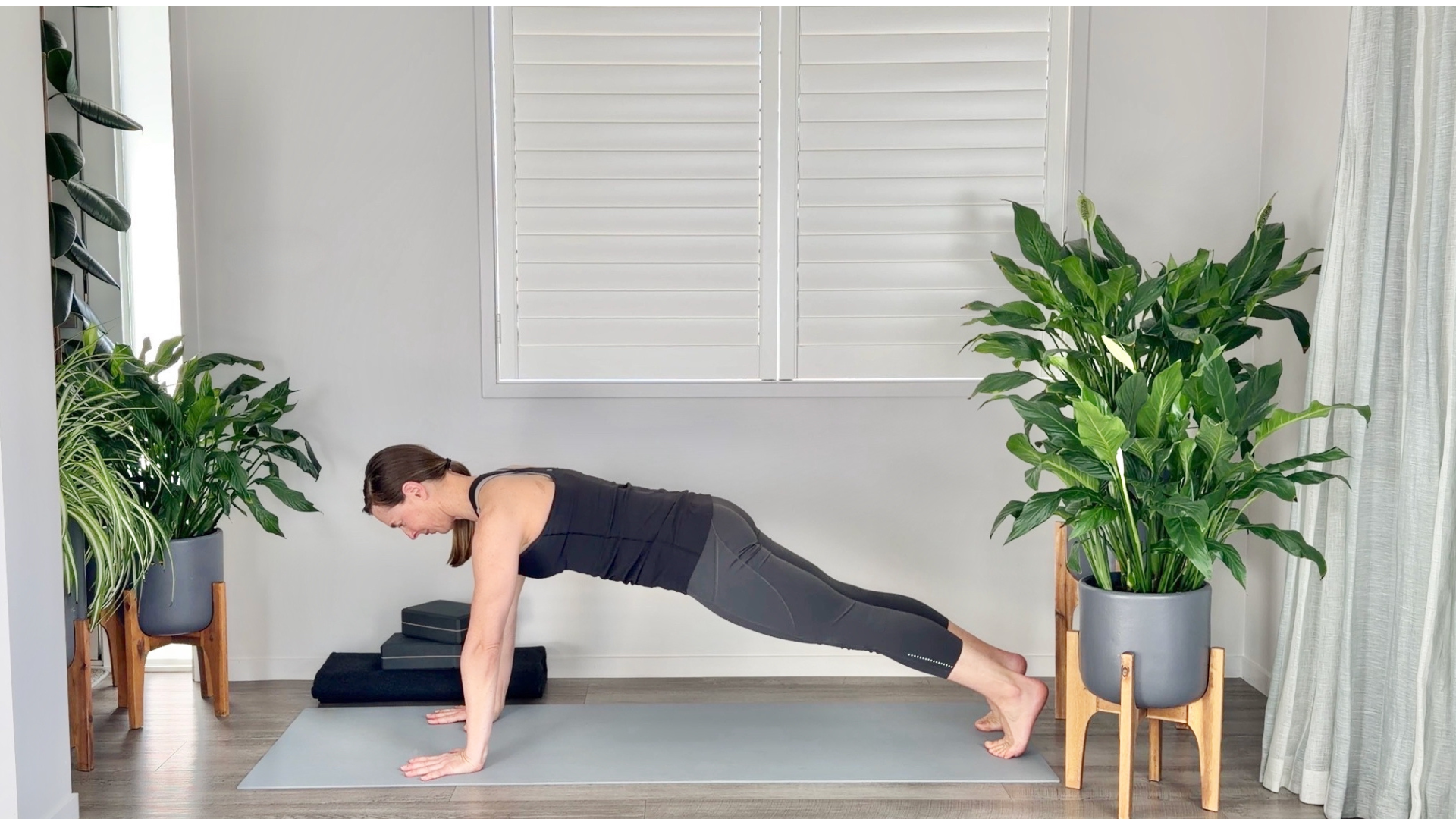
One of the most common pitfalls in yoga is relying on the structural strength of the joints rather than the active engagement of the muscles. In a pose like Tabletop, it is easy to let the shoulders and hips collapse.
Instead of vague cues like "engage your core," instructors now advocate for a "drag and wrinkle" technique. Imagine attempting to drag your hands and knees toward each other without actually moving them. This isometric effort "wrinkles" the mat beneath you, firing the lats, front abdominals, and hip flexors simultaneously. This same activation can be applied to Plank, Chaturanga Dandasana, and even standing poses like Warrior I, where squeezing the feet toward the midline activates the glutes and pelvic stabilizers, creating a more secure foundation.
2. Reducing Contact: The Physics of Stability
The principle of physics dictates that the more points of contact an object has with a surface, the more stable it is. Conversely, reducing those points of contact forces the body to compensate for the loss of stability by recruiting deep stabilizer muscles.
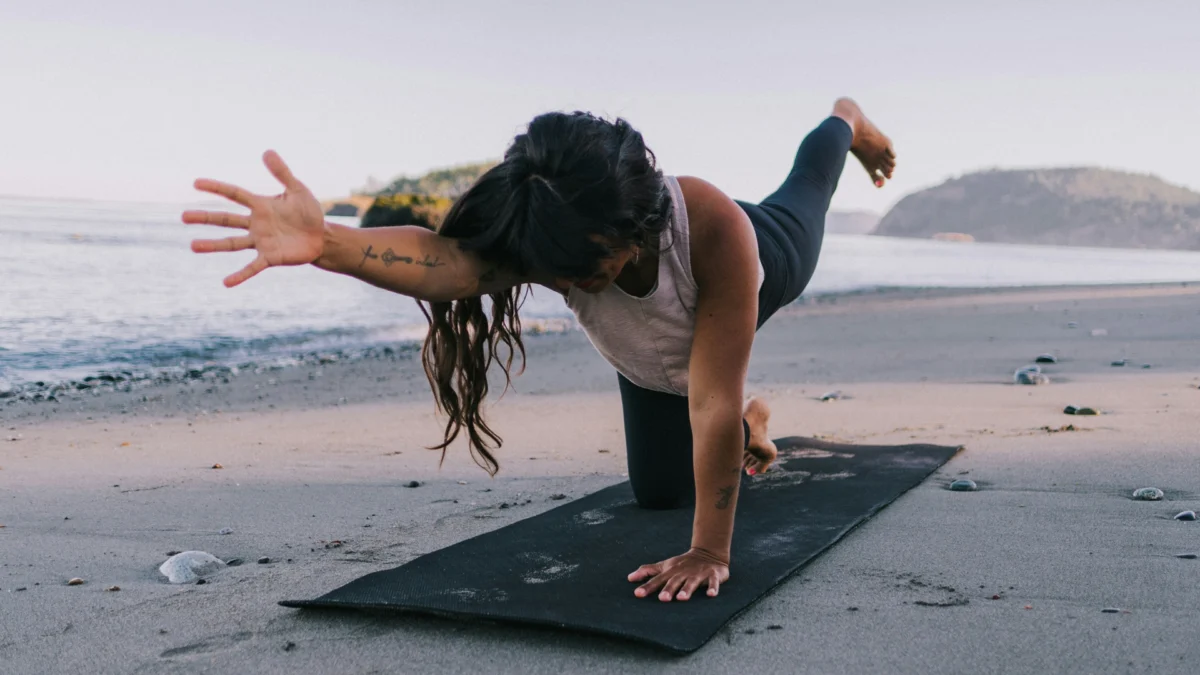
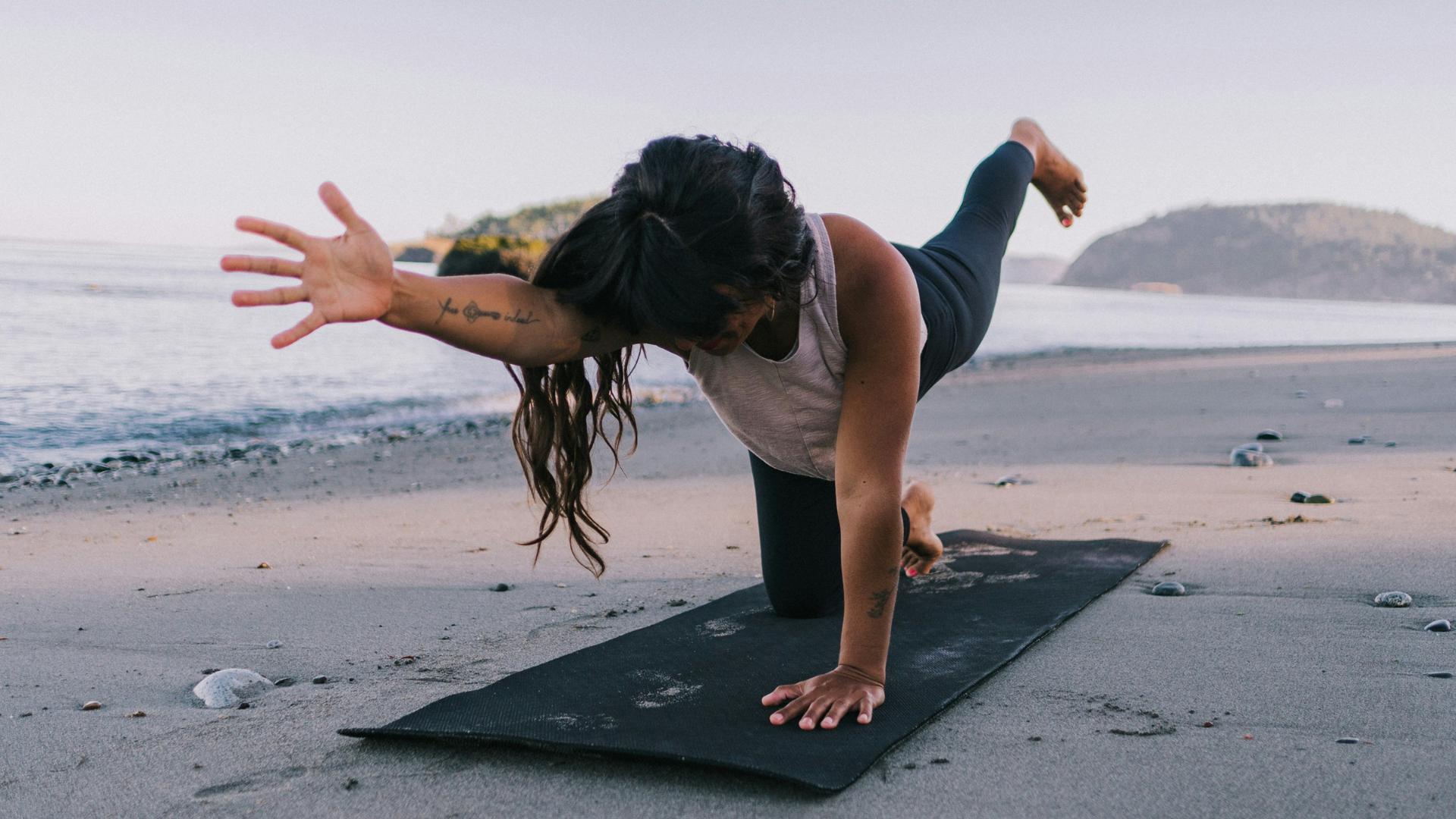
By lifting a knee or hand in Tabletop to create a "Bird Dog" variation, or by hovering the knees to create a "Bear Pose," the demand on the transverse abdominis increases significantly. This is why balancing poses—or even simply lifting the heels in a standing posture—serve as superior core-training tools. When you remove a point of contact, your brain must command the deep core to stabilize the torso against the force of gravity.
3. The Power of the Hover
Leaning into props or allowing the body to rest on the mat provides a shortcut that often bypasses the very muscles we aim to strengthen. By "hovering" the hands—rather than pressing them into blocks or the floor—the body is forced to lift its own weight.
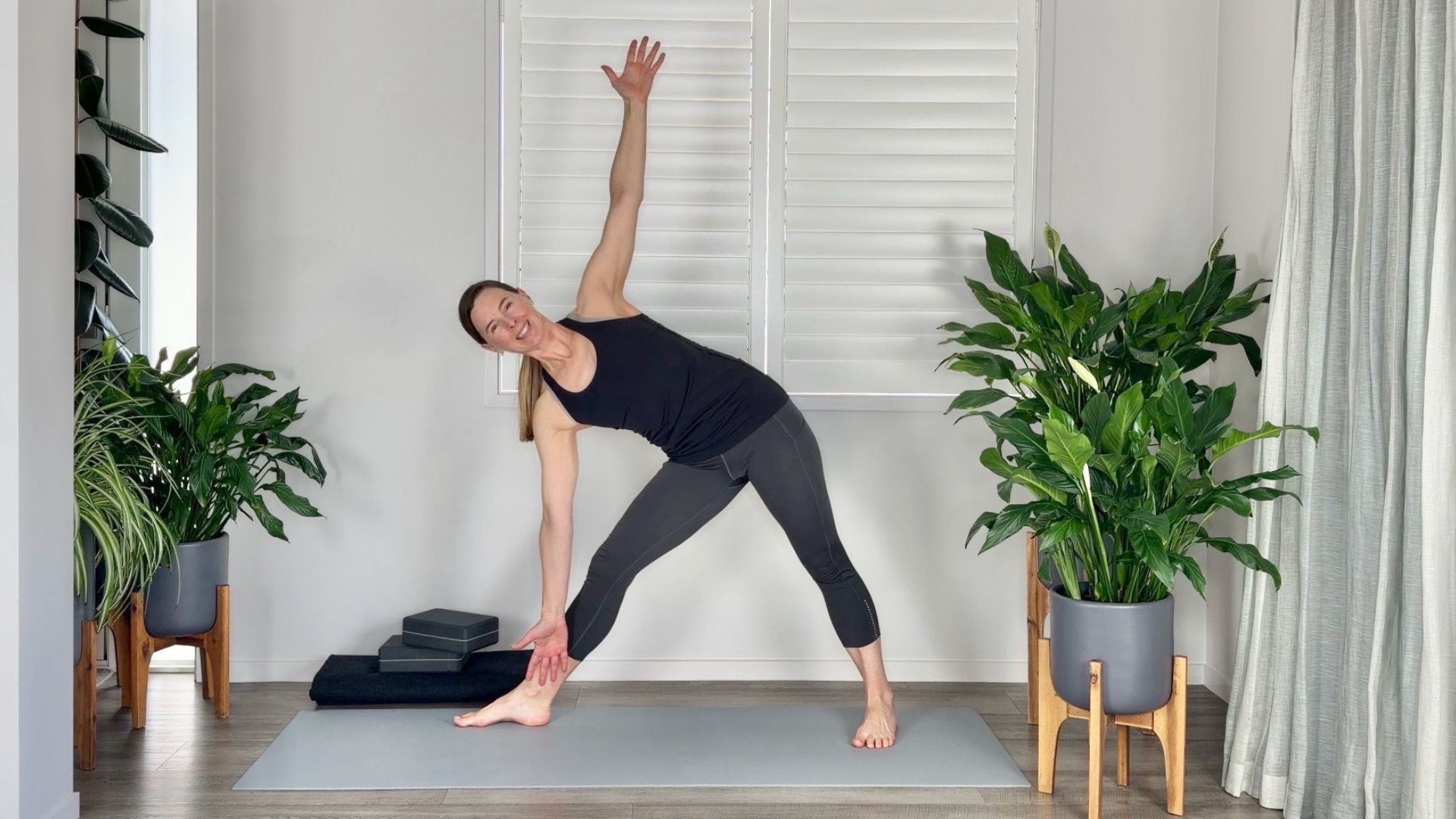
In poses like Extended Triangle or Half Moon, floating the bottom hand requires the oblique muscles and the muscles of the outer hip to work overtime to prevent a collapse. In backbends like Locust Pose (Salabhasana), the absence of arm support forces the muscles of the back and glutes to engage, providing a safer and more effective way to build spinal integrity than the traditional Upward-Facing Dog, which can sometimes lead to dumping weight into the low back.
4. Extending the Reach: Increasing the Lever Arm
The further a limb moves away from the body’s center of mass, the more torque it creates, making the weight feel exponentially heavier. This is the same principle as holding a grocery bag with an extended arm versus holding it close to the chest.
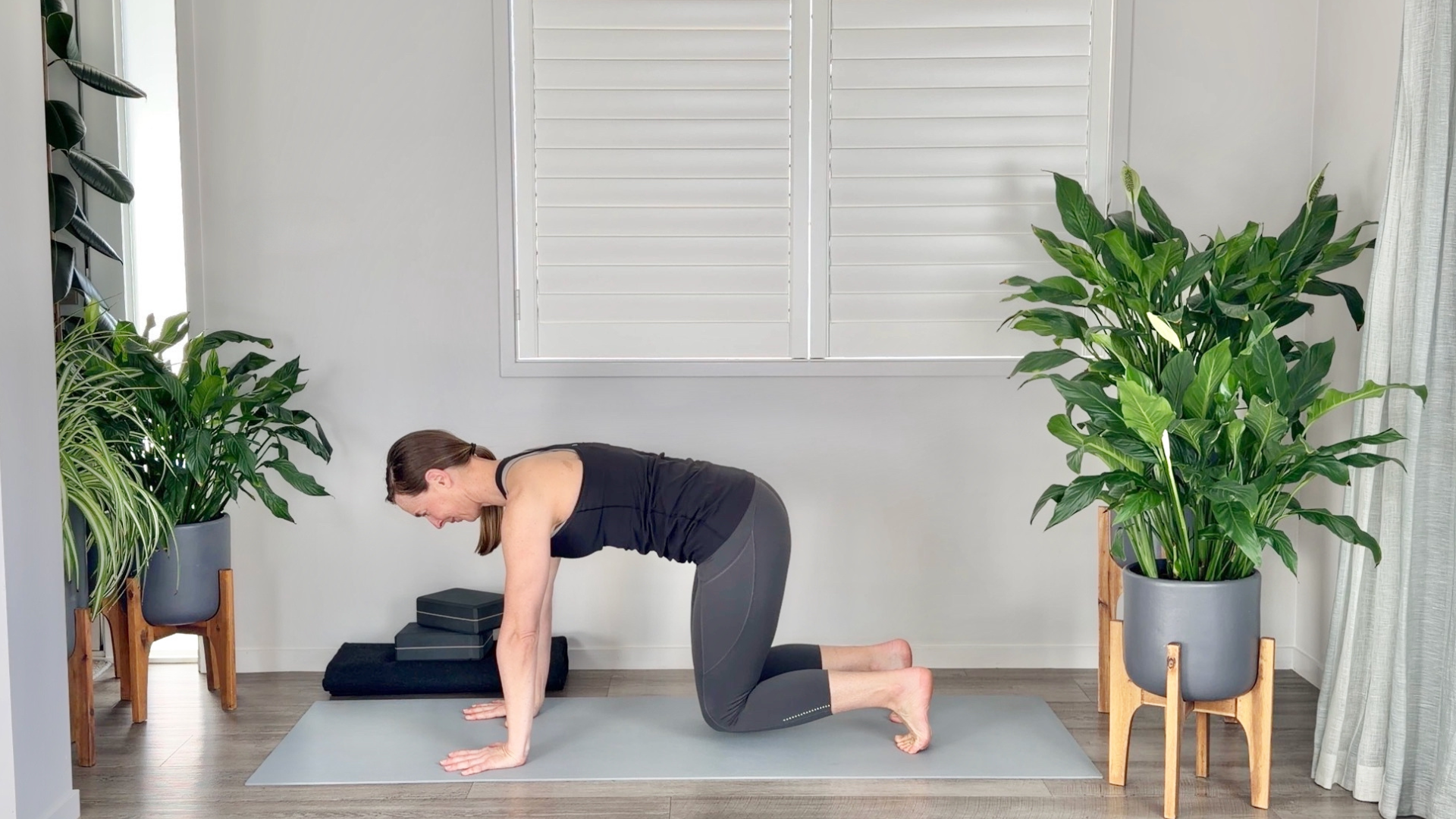
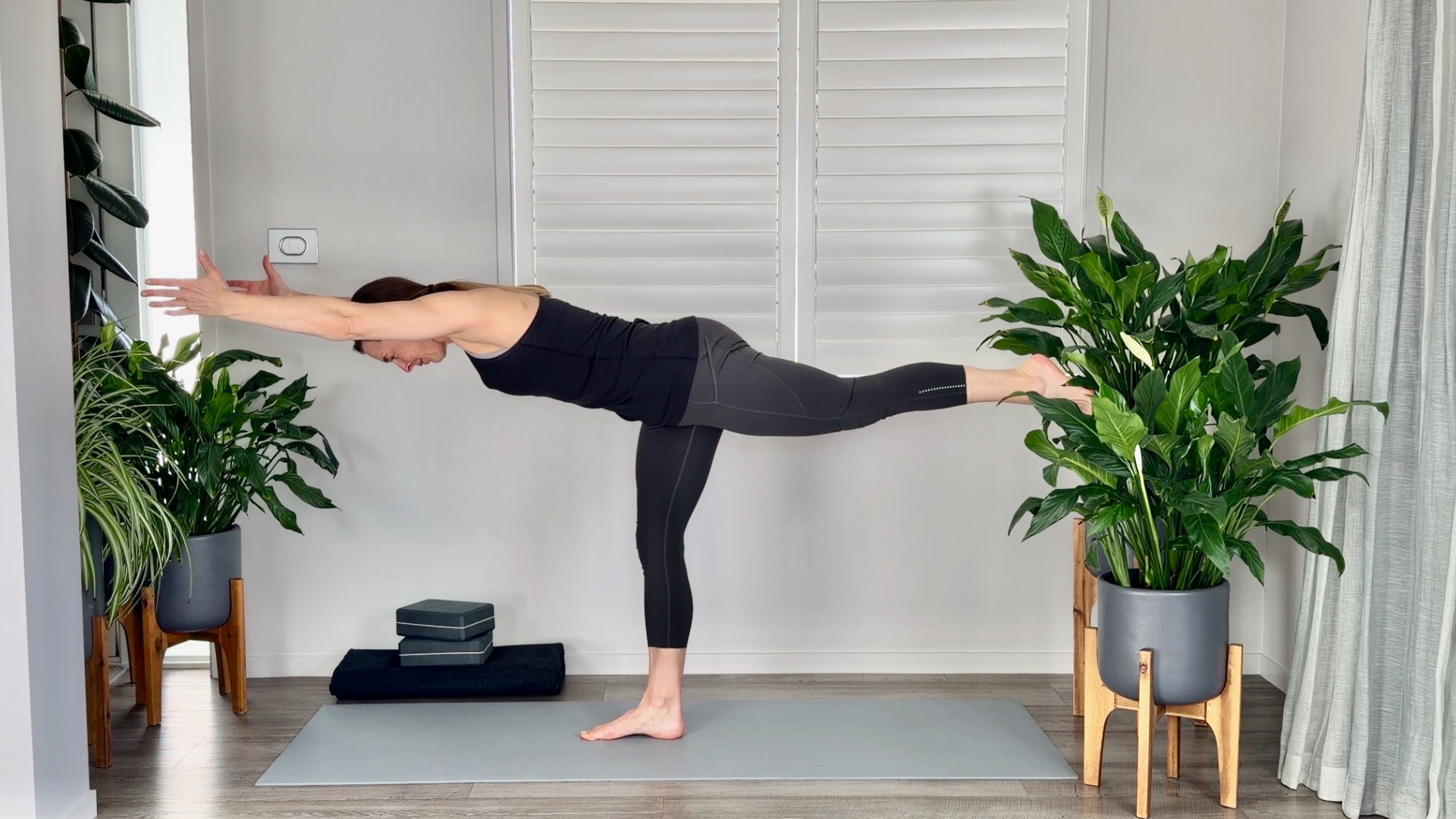
Applying this to yoga, extending the arms overhead in Warrior III or Arrowhead lunge drastically increases the demand on the posterior chain. When the arms are extended, the core must work harder to prevent the torso from dropping. Similarly, walking the hands further forward in Plank Pose shifts the lever arm, forcing the core to work significantly harder than it would if the shoulders were simply stacked over the wrists.
5. Movement with Intentional Control
Momentum is the enemy of muscular development. In many yoga flows, practitioners use the swinging motion of their limbs to move from one pose to the next. However, moving with slow, deliberate control forces the core to act as a stabilizing brake.
Stepping from Downward-Facing Dog into a Lunge with slow, controlled movement engages the hip flexors and deep abdominals in a way that "swinging" the leg never will. This mastery of transition is where the most significant gains in functional strength are found.
Implications for Daily Life
The implications of this approach to yoga are profound. By training the body to stabilize during transitions and through varying lever arms, practitioners aren’t just getting better at yoga—they are building a body that is more resilient against injury.
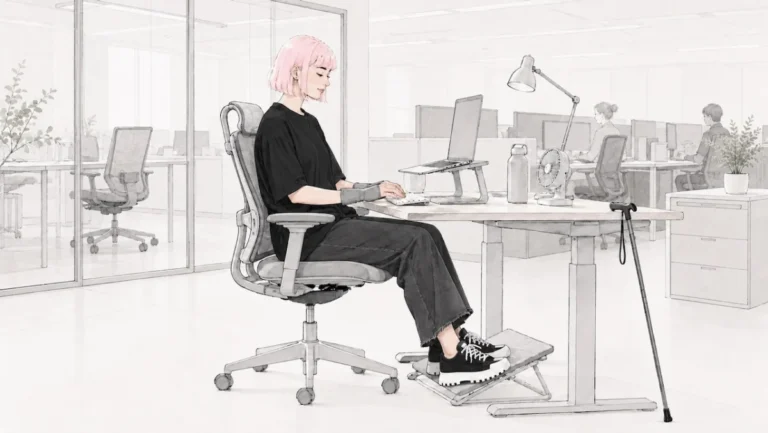
Whether it is steadying oneself after a trip, carrying heavy luggage, or simply sitting upright for long hours at a desk, the core strength developed through these mindful adjustments acts as an "internal safety net." Furthermore, the practice teaches the importance of release. Just as a muscle must work to stabilize, it must also be allowed to relax. The rhythmic expansion of the breath into the midsection during inhale, followed by a release on the exhale, ensures that the core remains supple and ready for the next dynamic challenge.
A Note on Professional Consensus
Physical therapists and sports medicine experts increasingly support this "integrationist" approach. The consensus is clear: the core is not a static object but a dynamic system. By incorporating these subtle alignment tweaks, practitioners of all levels can transform their yoga practice into a comprehensive training program. It is a move away from the "no pain, no gain" mentality of the past and toward a sustainable, intelligent approach to human movement.
As we look toward the future of wellness, the message is clear: true strength is not seen in the reflection of a mirror, but felt in the effortless, graceful movement through the complexities of our daily lives.