While Whistler, British Columbia, is globally cemented in the collective consciousness as a winter sanctuary—a cathedral of powder and high-alpine technical skiing—the true mountain aficionado knows that the real magic begins when the snow recedes. As the spring thaw reveals a dramatic, glacier-carved landscape, the valley floor and its surrounding peaks transform into a sprawling, multi-sensory adventure hub.
For the uninitiated, the transition from winter’s silence to summer’s vibrancy can be startling. What remains is a rare convergence of rugged wilderness and refined alpine culture, where one can scale a volcanic ridge in the morning and dine on world-class cuisine by twilight.
The Landscape: A Geological Masterpiece
At the heart of the Whistler experience is the sheer scale of the Coast Mountains. The region is defined by its verticality, characterized by deep, U-shaped valleys carved by ancient glaciers, and peaks that pierce the clouds with jagged, imposing profiles.
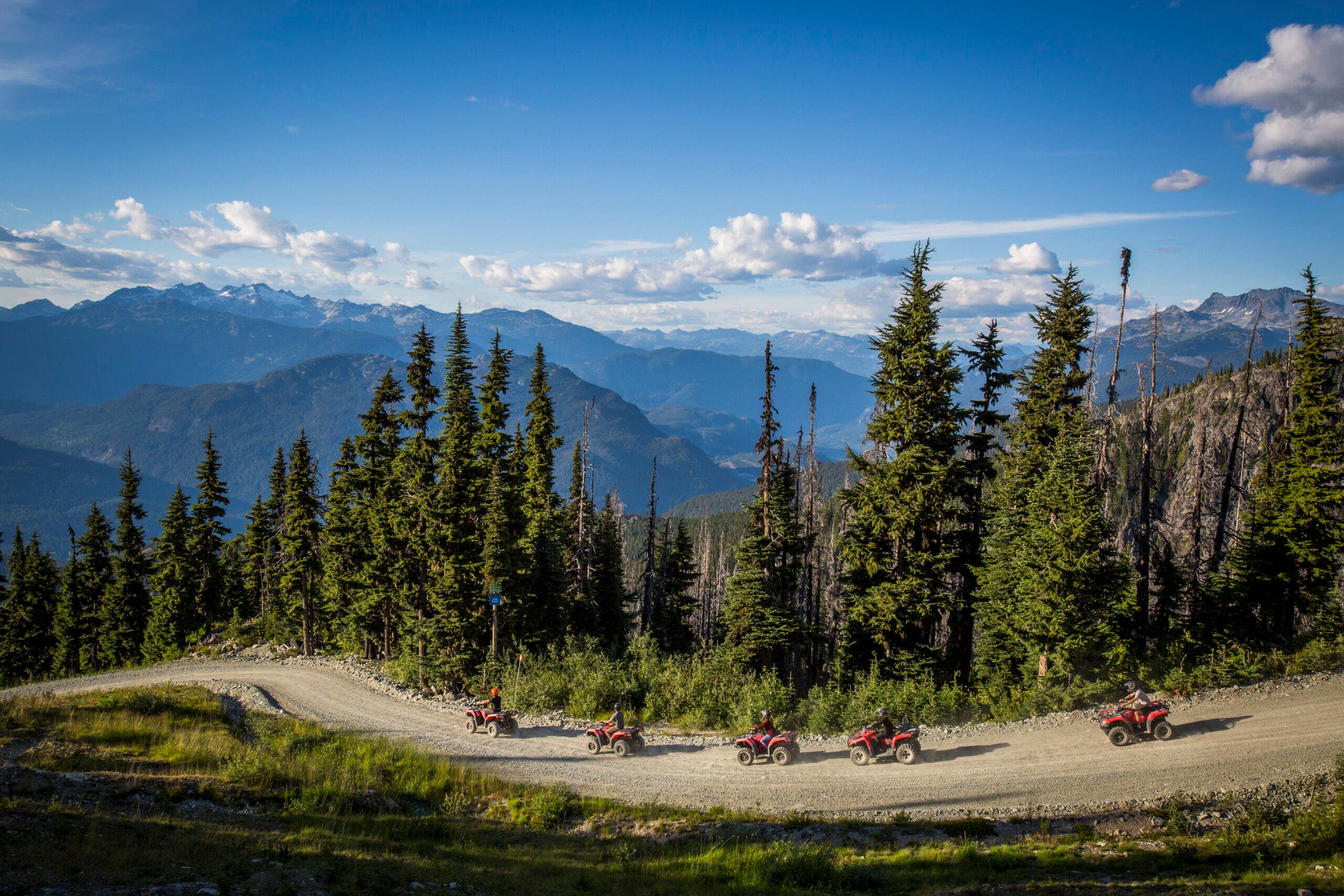
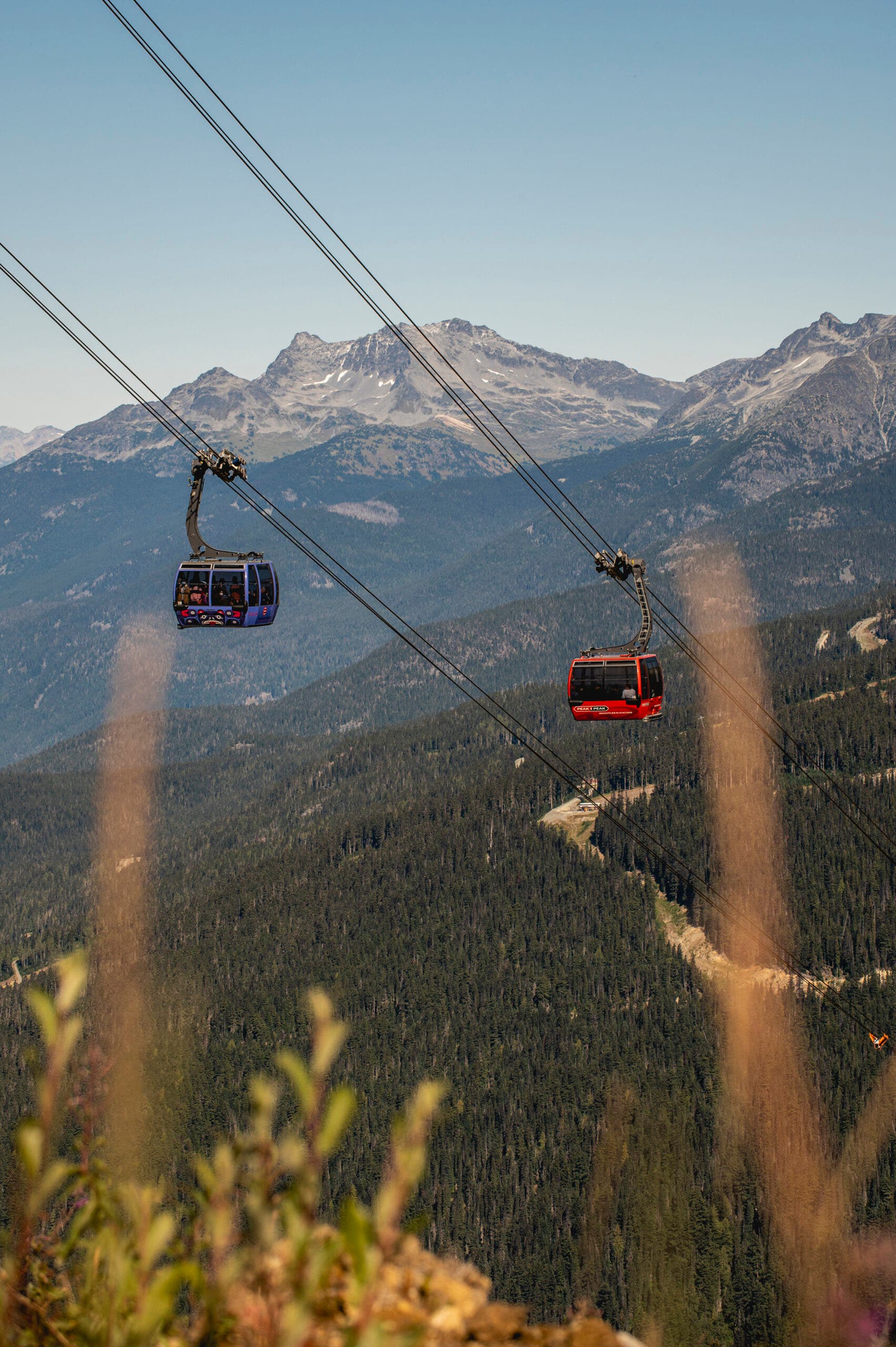
The geography here is not merely a backdrop; it is an active participant in the guest experience. The PEAK 2 PEAK Gondola serves as the primary gateway, offering a breathtaking, three-mile journey across a massive mountain valley. This engineering marvel connects Whistler and Blackcomb mountains, providing unparalleled, eagle-eye views of the Fitzsimmons Range. It is here that visitors begin to grasp the scope of the terrain: more than 30 miles of marked alpine trails, ranging from the gentle, wildflower-dusted loops of Harmony Lake to the more formidable, exposed traverses of the High Note Trail.
From these heights, the view of the Black Tusk—a jagged, dark lava spire—juxtaposed against the ancient, sprawling ice of the Garibaldi Provincial Park, offers a humbling reminder of the volcanic forces that forged this landscape.
Chronology of a Perfect Summer Day
To understand the appeal of Whistler, one must look at the rhythm of a standard summer day. It is a place that demands a "multisport" mindset.
- 08:00 AM – The High Alpine Ascent: The day begins with the first lift ride. The air is thin, crisp, and carries the scent of pine and glacial silt. Whether it is a hike toward the base of the Black Tusk or a photography expedition, the morning is dedicated to the high-alpine environment.
- 11:30 AM – The Descent: By mid-morning, the focus shifts to the Whistler Mountain Bike Park. With over 120 lift-served trails, the park is the industry standard for gravity-fed mountain biking. Riders can rent high-performance downhill rigs in the Village and, within twenty minutes, be dropping into berms, technical rock gardens, or pro-level jump lines.
- 02:00 PM – River and Whitewater: As the temperature peaks, the focus shifts to the water. The Elaho and Squamish Rivers provide a dramatic change of pace, where glacial meltwater creates powerful "wave trains." Guided whitewater rafting trips navigate these systems, providing a visceral connection to the region’s hydrological power.
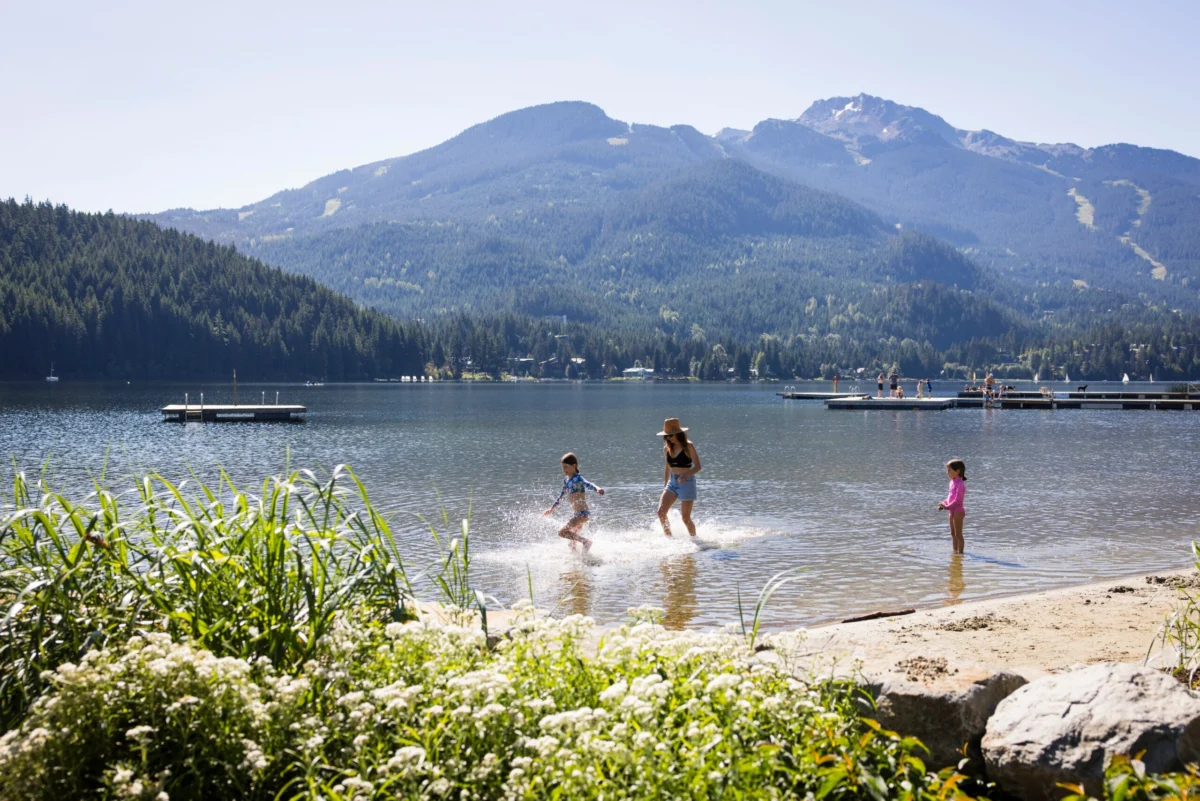
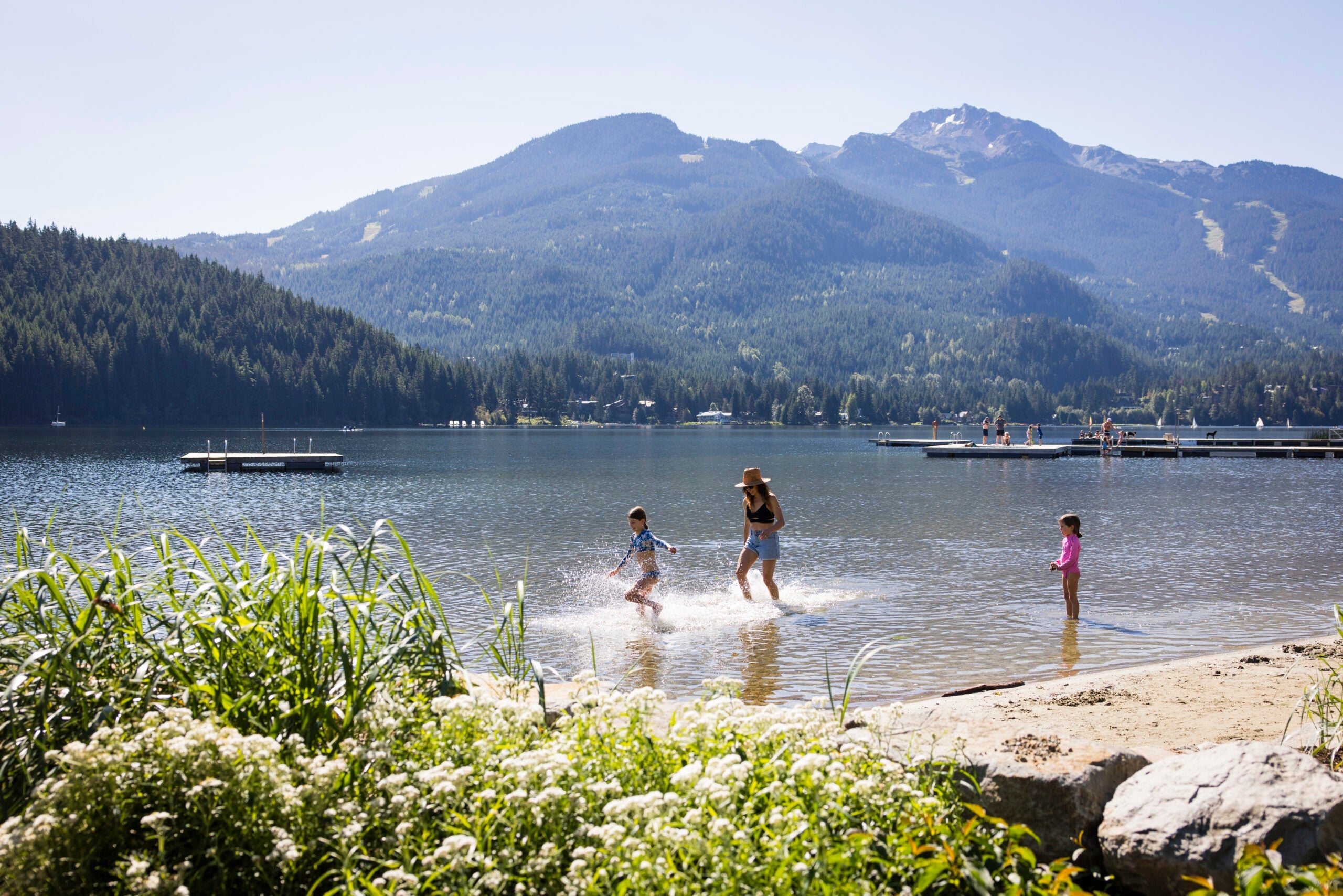
- 05:00 PM – The Valley’s Stillness: The late afternoon is reserved for "lake time." Unlike the high-intensity mornings, the shoreline of Alta Lake or the tranquil waters of Lost Lake offer a meditative counterpoint. Paddleboarding (SUP) has become the de facto mode of transit for those looking to soak in the golden hour.
- 07:30 PM – The Village Pulse: As evening falls, the Village transitions into a hub of cultural activity. The pedestrian-only core is designed to encourage wandering, leading from open-air concerts to intimate patios.
Supporting Data: An Infrastructure for Adventure
Whistler’s ability to cater to millions of visitors while maintaining a high quality of life for its residents is a testament to its master-planned infrastructure.
The Valley Trail system is the connective tissue of the community. This extensive, paved, and gravel network allows non-motorized access to every major lake, park, and neighborhood in the municipality. By effectively removing the need for a vehicle during a stay, the trail system encourages a slower, more deliberate exploration of the environment.
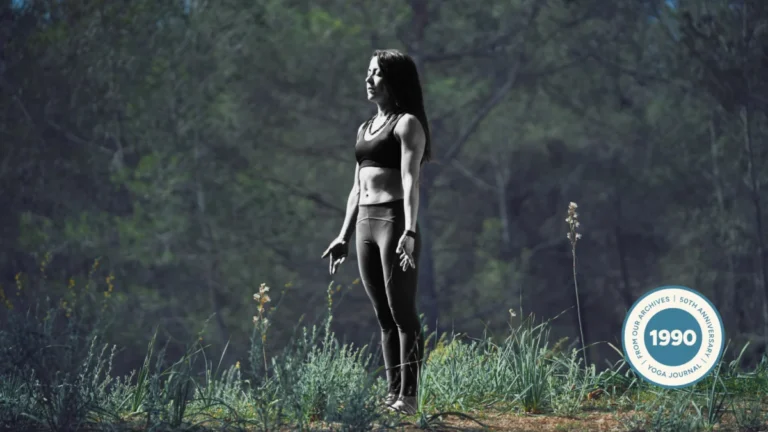
Furthermore, the economic data surrounding Whistler’s summer season has shown consistent growth over the last decade. Tourism Whistler reports a significant shift in visitor demographics, with an increasing percentage of travelers prioritizing "wellness-focused" tourism. This is reflected in the success of initiatives like the Nourish Whistler Wellness Series, which integrates the natural environment with yoga, meditation, and nutritional workshops, proving that the destination is no longer solely about adrenaline.
Official Perspectives and Community Vision
The leadership at Tourism Whistler emphasizes a "leave no trace" philosophy that is increasingly critical as outdoor tourism expands. According to local planners, the goal is to balance the "action" aspect of the brand with the "stillness" of the wilderness.
"We are not just selling a destination; we are inviting guests into a fragile, awe-inspiring ecosystem," says a spokesperson for the local tourism board. "The challenge and the joy lie in ensuring that every visitor who arrives for the Crankworx festival or a mountain biking trip also understands the ecological significance of Garibaldi Provincial Park or the importance of protecting our local waterways."
The community’s response to the seasonal influx has been to institutionalize the "friendliness" for which Canadians are globally known. By fostering a culture where local residents, international seasonal workers, and short-term visitors interact on the same trails and in the same pubs, Whistler maintains a cohesive social fabric that is rare in high-traffic tourist destinations.
The Implications: A Shift in Travel Philosophy
The rise of Whistler as a premier summer destination has significant implications for the broader travel industry. It signals a move away from the "resort-only" experience toward "integrated wilderness access."
- The Rise of the Extended Stay: The incentive structure, such as the SUMMER2026 promotion (offering activity vouchers for stays of three to five nights), is specifically designed to encourage longer, more immersive visits. This benefits the local economy by increasing per-visitor spend while simultaneously reducing the carbon footprint associated with high-frequency, short-term turnover.
- Multisport Diversification: Tourism operators are increasingly bundling experiences. It is now common to book a "peak-to-valley" package that includes gondola access, a bike rental, and a guided hike, forcing a diversification of skill sets among tourists.
- The "Slow Adventure" Movement: There is a discernible trend toward balancing high-intensity activities (downhill biking, rafting) with restorative experiences (lakeside yoga, forest bathing). This holistic approach to travel is becoming the new gold standard for mountain resorts globally.
Conclusion: Why Now?
Whistler in the summer is not just an alternative to the winter season; it is a completely different world. The raw, volcanic beauty of the Coast Mountains, combined with the sophisticated dining and cultural scene of the Village, creates a unique tension—a balance of the wild and the refined.
As the 2026 summer season approaches, the invitation is clear: to see the mountains not as something to conquer, but as a space to inhabit. Whether you are a seasoned mountain biker seeking the technical challenges of the bike park, or a family looking for the serene, golden-hour reflection of Alta Lake, the region offers a depth of experience that rewards those who stay longer.
For those planning their trip, the logistical path is straightforward. By utilizing the official Whistler booking tool, travelers can curate an itinerary that blends the thrill of the alpine with the peace of the valley. Remember, the promotion code SUMMER2026 is currently in effect, providing a tangible incentive for those who commit to a longer stay. In a world that often demands we rush from one destination to the next, Whistler offers a rare invitation to do the opposite: to slow down, to go deeper, and to fully experience the mountain in its most vibrant form.