Updated May 31, 2026
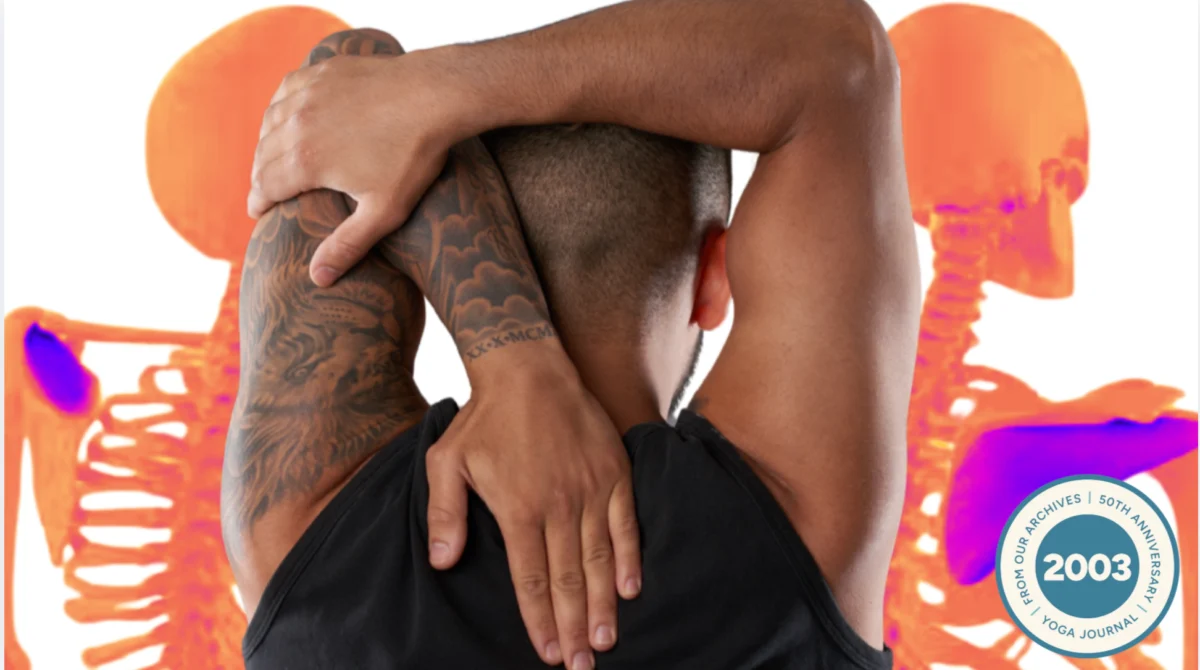
The human shoulder is a marvel of biological engineering. While we often celebrate the dexterity of our hands—the precision required for surgery, the fluidity of a pianist, or the simple grace of a handwritten note—these feats would be impossible without the shoulder joint. It is the bridge between our core and our extremities, a complex mechanical marvel that dictates the range and utility of our upper body. Yet, this essential joint is paradoxically one of the most vulnerable in the human anatomy.
In this retrospective look at the mechanics of the shoulder, we examine the essential role of the rotator cuff, the common pathways to injury, and how a mindful yoga practice serves as both a rehabilitative tool and a powerful shield against long-term joint degradation.
The Anatomy of Vulnerability: Understanding the Ball-and-Socket
To understand why shoulder injuries are so prevalent, one must first look at the design of the joint. Like the hip, the shoulder is a ball-and-socket joint. However, while the hip socket is a deep, secure cup, the shoulder socket (the glenoid fossa) is remarkably shallow.
This shallow configuration is a deliberate evolutionary trade-off. By sacrificing stability, the body gains an extraordinary degree of freedom. A healthy shoulder allows for a sweeping arc of motion that would be physically impossible for a leg. However, this lack of bony depth means the shoulder is entirely reliant on its "soft tissue sleeve"—the ligaments, tendons, and muscles—to keep the humerus (the arm bone) seated correctly in the socket.
The SITS Mnemonic: Your Internal Support System
The primary stabilization team consists of four muscles known collectively as the rotator cuff. Their names are easily recalled through the mnemonic SITS:
- Supraspinatus: Located above the spine of the shoulder blade (scapula), this muscle initiates the lifting of the arm (abduction). It is the critical barrier against subluxation, preventing the humerus from slipping downward.
- Infraspinatus: Situated below the scapular spine, this muscle is a primary external rotator. It acts as a counterweight, ensuring the humerus doesn’t crash into the acromion (the "roof" of the shoulder) during arm elevation.
- Teres Minor: Working in tandem with the infraspinatus, the teres minor supports external rotation and helps keep the joint tracking correctly during overhead movements.
- Subscapularis: The most elusive of the group, this muscle originates on the front of the scapula and acts as a powerful internal rotator. It is the front-line stabilizer that anchors the humerus within the socket.
A Chronology of Shoulder Health in Yoga
Yoga has long been recognized as a holistic approach to maintaining shoulder integrity. However, the application of these poses has evolved significantly since the early 2000s.
The 2003 Perspective: Establishing the Foundation
In the December 2003 issue of Yoga Journal, experts first emphasized the shift from "static holding" to "active stabilization." At that time, the focus was primarily on recognizing that yoga poses—from the weight-bearing Salamba Sirsasana (Supported Headstand) to the expansive Trikonasana (Triangle Pose)—are not just static shapes; they are dynamic exercises in joint alignment.
The Modern Evolution: 2026 Standards
Today, the emphasis has shifted toward "progressive loading." Rather than jumping into intensive inversions, modern physical therapy-informed yoga programs advocate for a tiered approach to building shoulder endurance. By starting with wall-based resistance and moving slowly toward floor-based weight-bearing, practitioners can safely remodel the collagenous tissues of the rotator cuff, creating a more resilient joint over time.
Supporting Data: Why the Rotator Cuff Fails
Clinical data consistently highlights that rotator cuff injuries are rarely the result of a single "bad move." Instead, they are typically the culmination of chronic, sub-clinical issues.
Impingement and Its Consequences
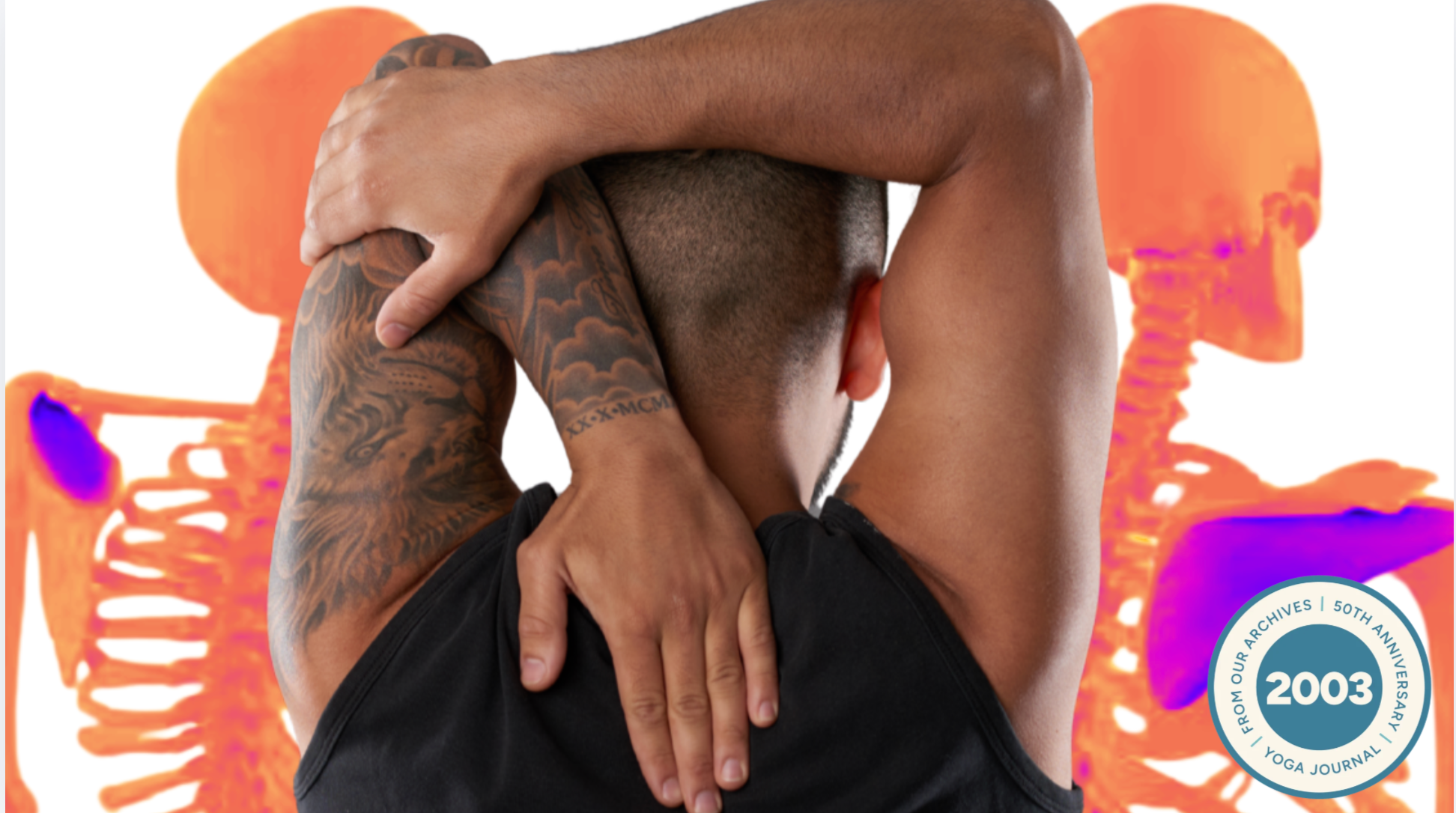
When the rotator cuff muscles are weak, they fail to pull the head of the humerus down as the arm rises. This leads to impingement syndrome, where soft tissues—specifically the bursa (a fluid-filled cushion) and the supraspinatus tendon—get pinched between the arm bone and the acromion.
- Bursitis: Inflammation of the cushioning pad.
- Tendonitis: Micro-tears and inflammation of the tendon itself.
The Demographics of Risk
Data suggests that the highest risk group for acute rotator cuff tears includes two distinct populations:
- The Deconditioned Elderly: Often due to age-related loss of muscle mass (sarcopenia) and decreased joint blood flow.
- The "Weekend Warrior": Younger, active individuals who engage in explosive movements—like throwing a ball or catching themselves during a fall—without the necessary baseline conditioning.
Professional Insights: Expert Recommendations
Medical professionals advise a conservative approach to shoulder pain. "If you are experiencing acute pain or a loss of range of motion, the yoga mat is not the place for self-diagnosis," says Dr. Elena Rossi, a specialist in orthopedic sports medicine.
The "Gold Standard" of Recovery
For those recovering from injury, the professional consensus follows a specific hierarchy:
- Clinical Assessment: Determine if the tear is partial or full-thickness.
- Conservative Management: Utilizing physical therapy to strengthen the stabilizing muscles before returning to full weight-bearing yoga.
- Controlled Progression: Reintroducing load only when the patient can demonstrate scapular stability.
Implications for Your Practice: Implementing Change
How can you apply this knowledge to your daily practice? The goal is to build strength without inducing inflammation.
1. The Power of External Rotation
In almost every overhead or forward-reaching pose, your shoulders should maintain a degree of "moderate external rotation." In Plank Pose or Downward-Facing Dog, aim to have your elbow creases facing forward. This simple adjustment engages the infraspinatus and teres minor, providing the structural integrity needed to prevent the humerus from "bumping" into the acromion.
2. The Internal Rotation Strategy
The subscapularis, which is often neglected, is crucial for internal rotation. While yoga provides fewer opportunities for internal rotation, it is present in poses like Parsvottanasana (Intense Side Stretch) or the "wrap" in Marichyasana III. Engaging these poses with intention helps keep the entire cuff balanced.
3. Chest Opening as a Prevention Tool
When the chest collapses, the shoulders roll forward (protraction). This tilts the shoulder blade and narrows the space under the acromion, making impingement inevitable. Consistent chest-opening work is not just aesthetic; it is a physiological necessity for long-term shoulder health.
4. The "Tiered Loading" Protocol
If you are currently weak or recovering, avoid jumping straight into Sun Salutations or Handstands. Use the following progression:
- Phase 1: Standing against a wall. Use the wall to feel the engagement of the shoulder blades.
- Phase 2: Tabletop transitions. Move from a table-based Down Dog to a table-based Plank.
- Phase 3: Floor-based engagement. Only once you can hold your weight without "sagging" should you move to the mat.
Conclusion
The rotator cuff is a testament to the idea that the most delicate structures are often the most important. By viewing our yoga practice as a system of anatomical maintenance rather than a series of physical accomplishments, we can preserve the health of our shoulders for decades to come.
Whether you are a seasoned practitioner or a newcomer to the mat, remember that strength is built through patience, awareness, and the consistent, small actions that keep our joints moving freely. Always listen to the feedback your body provides—if a pose hurts, modify it. If you are uncertain, consult a professional. Your shoulders are the gateway to your practice; treat them with the respect their complexity deserves.
Disclaimer: This article is intended for educational purposes and does not constitute medical advice. Always consult with a physician or qualified physical therapist before beginning an exercise program, especially if you have a history of shoulder pain, limited mobility, or prior injury.