Rice is the silent engine of global sustenance. As the primary caloric source for more than half of the human population, it is a commodity that underpins the stability of nations and the daily rhythms of billions. For decades, however, our scientific understanding of this grain has been strangely lopsided. Nutritionists and food scientists have long focused almost exclusively on starch, which constitutes over 85% of the grain’s mass.
While the carbohydrate content is undeniably central to the grain’s identity, a new wave of research is challenging the long-held assumption that rice is merely a "starch delivery system." A groundbreaking study from Hokkaido University, recently published in the journal Food Research International, has turned the spotlight onto the "forgotten" component of rice: its lipids. By mapping the complex fatty acid profile of japonica rice, researchers have discovered that these minor components—making up only about 2% of the grain—are instrumental in dictating not just flavor and texture, but the potential for rice to serve as a powerful tool in modern preventative medicine.
The Overlooked Biochemistry of the Grain
For the average consumer, the distinction between rice varieties is often limited to texture and color. However, at a molecular level, the diversity is vast. The Hokkaido University team, led by Associate Professor Siddabasave Gowda, focused their investigation on japonica rice. Known for its short-to-medium grain, japonica rice is prized for its ability to become soft, tender, and slightly sticky upon cooking. While it represents only about 15% of total global rice consumption, it is a staple of East Asian diets and carries a unique chemical footprint that remains largely untapped by the mainstream food industry.
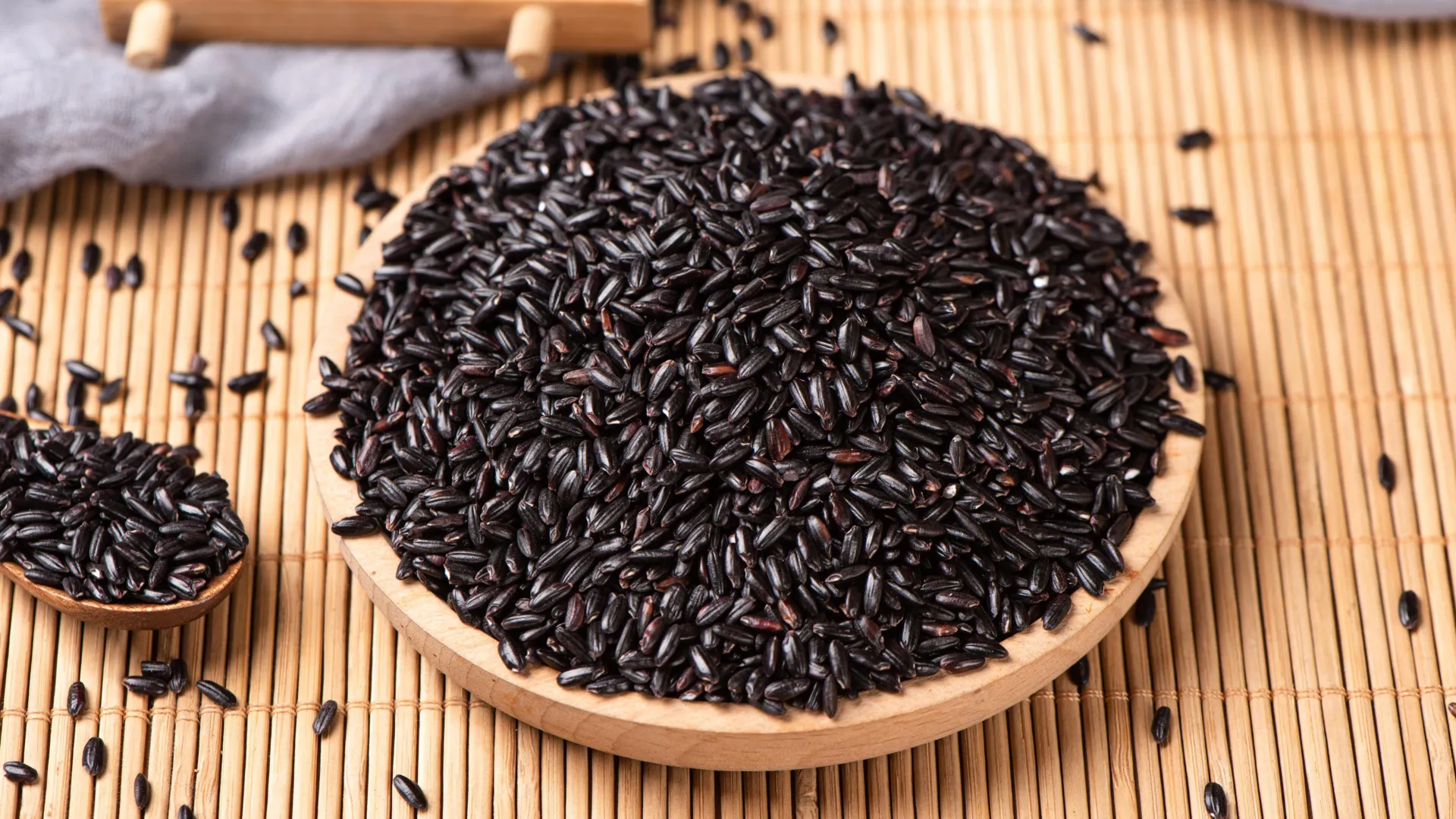
To conduct their analysis, the team gathered 56 distinct japonica cultivars from across Japan. This collection was not limited to the standard polished white grain; it encompassed a spectrum of hues including brown, red, green, and black varieties. By subjecting these samples to high-resolution liquid chromatography and mass spectrometry—the gold standards of modern lipidomics—the researchers were able to peel back the layers of the grain’s chemical complexity.
Chronology of Discovery: Mapping the Lipid Landscape
The journey to these findings was a systematic process of decoding the molecular architecture of the grain.
Phase I: The Molecular Census
The initial phase involved the comprehensive mapping of the lipid content. Historically, lipids in rice were ignored because they were deemed insufficient to warrant nutritional interest. The Hokkaido team refuted this by identifying 196 distinct lipid molecules, categorized into five major groups. This represents a monumental leap in our understanding of rice chemistry, moving from a simplistic view of "fats" to a nuanced map of specific, bioactive lipid molecules.
Phase II: Identifying Bioactive Compounds
As the data emerged, two specific classes of lipids—FAHMFAs (fatty acid esters of hydroxy medium-chain fatty acids) and LNAPEs (N-acyl-lysophosphatidylethanolamines)—began to stand out. The discovery of FAHMFAs in rice is particularly significant, as this marks the first time these compounds have been identified in the grain. In other biological systems, these lipids have been linked to anti-inflammatory responses and improved metabolic regulation, suggesting that rice might be more "bioactive" than previously hypothesized.
Phase III: The Digestive Simulation
Recognizing that molecular presence does not always equate to human health outcomes, the team transitioned to an in vitro digestion model. By subjecting cooked rice samples to digestive enzymes, the team monitored the hydrolysis of starch. This phase was crucial for determining the glycemic impact of the grains, effectively measuring how quickly each variety converts into glucose during the digestion process.
Supporting Data: Why Color Matters
The study’s most striking takeaway is the clear correlation between the color of the rice and its nutritional efficacy. While white rice is often favored for its neutral flavor and aesthetic, the pigmented varieties—black and green—consistently outperformed their counterparts in the researchers’ "health-promotion index."
The pigmented varieties contain significantly higher concentrations of the aforementioned bioactive lipids. When the team simulated the human digestive process, they observed a marked difference in the starch breakdown rates. The black and green japonica varieties induced a slower, more sustained rise in glucose levels compared to white rice. This is a critical finding for metabolic health. A slower release of glucose into the bloodstream prevents the "sugar spikes" that are common triggers for insulin resistance and, eventually, type 2 diabetes.
The data suggests that the lipids found in these pigmented grains may act as a natural modulator of starch digestion, effectively lowering the glycemic index of the rice. This transforms rice from a potential risk factor for blood sugar imbalances into a functional food capable of supporting metabolic stability.
Official Perspectives: The Vision for Functional Food
Associate Professor Siddabasave Gowda, the lead researcher on the project, views this study as a foundational step in a much larger, ambitious program. "Although lipids make up only a small proportion of rice, they are critical in determining its nutritional value," Gowda explains. "They help maintain cell membrane integrity, store energy, and support essential signaling processes in the body."
Gowda’s team is part of an ongoing institutional effort to catalog the "hidden" nutritional profiles of traditional Japanese dietary components. Their work has already yielded significant discoveries regarding lipids in locally sourced fish, herbal teas, and various species of seaweed. According to Gowda, the ultimate goal is to shift the consumer and industry mindset toward "functional foods."
"Our hope is that our findings will support the development of new functional rice products," Gowda states. By leveraging the specific lipid profiles of these pigmented grains, food scientists can formulate dietary options that are specifically engineered to help manage lifestyle-related diseases. "People may be interested in learning about the health benefits of different pigmented rice varieties and, based on this knowledge, choosing the type that best suits their needs," he adds.
Implications for Global Health and Industry
The implications of this research are far-reaching, spanning from public health policy to the agricultural supply chain.
Public Health and Disease Management
With the global incidence of type 2 diabetes and obesity reaching epidemic proportions, the discovery that pigmented rice can naturally attenuate glucose absorption offers a low-cost, accessible intervention. Integrating these varieties into the diets of at-risk populations could provide a sustainable way to manage blood sugar without the need for drastic dietary restriction.
Agricultural Diversification
The study serves as a strong argument for the preservation and promotion of heirloom and pigmented rice cultivars. For years, agricultural industrialization has favored high-yield, uniform white rice. The Hokkaido findings provide a scientific incentive for farmers to diversify their crops, potentially increasing the market value of "niche" grains that were previously overlooked by industrial food processors.
The Future of Food Formulation
For the food industry, these findings open the door to a new generation of "functional rice" products. By refining processing techniques to preserve these delicate lipid profiles, companies could produce rice-based meals specifically labeled for heart health or glycemic control. The research also invites a broader conversation about how we process grains; if the most beneficial lipids are concentrated in the bran or the pigmented layers, current milling processes that result in "white" rice may be stripping the grain of its most valuable medicinal properties.
Conclusion: A New Chapter for an Ancient Grain
The research from Hokkaido University is a reminder that even the most familiar substances can hold secrets when viewed through the lens of modern technology. By moving beyond the starch-centric view of rice, scientists have uncovered a complex biochemical landscape that holds promise for human health.
As the team continues to explore the "lipid-rich food resources" of Japan, the narrative surrounding rice is evolving. It is no longer just a source of calories; it is a complex, bioactive plant that, when properly understood and selected, can play a vital role in our fight against modern metabolic disorders. The future of the grain, it seems, is not just in its starch, but in the vibrant, hidden fats that color the rice we eat.