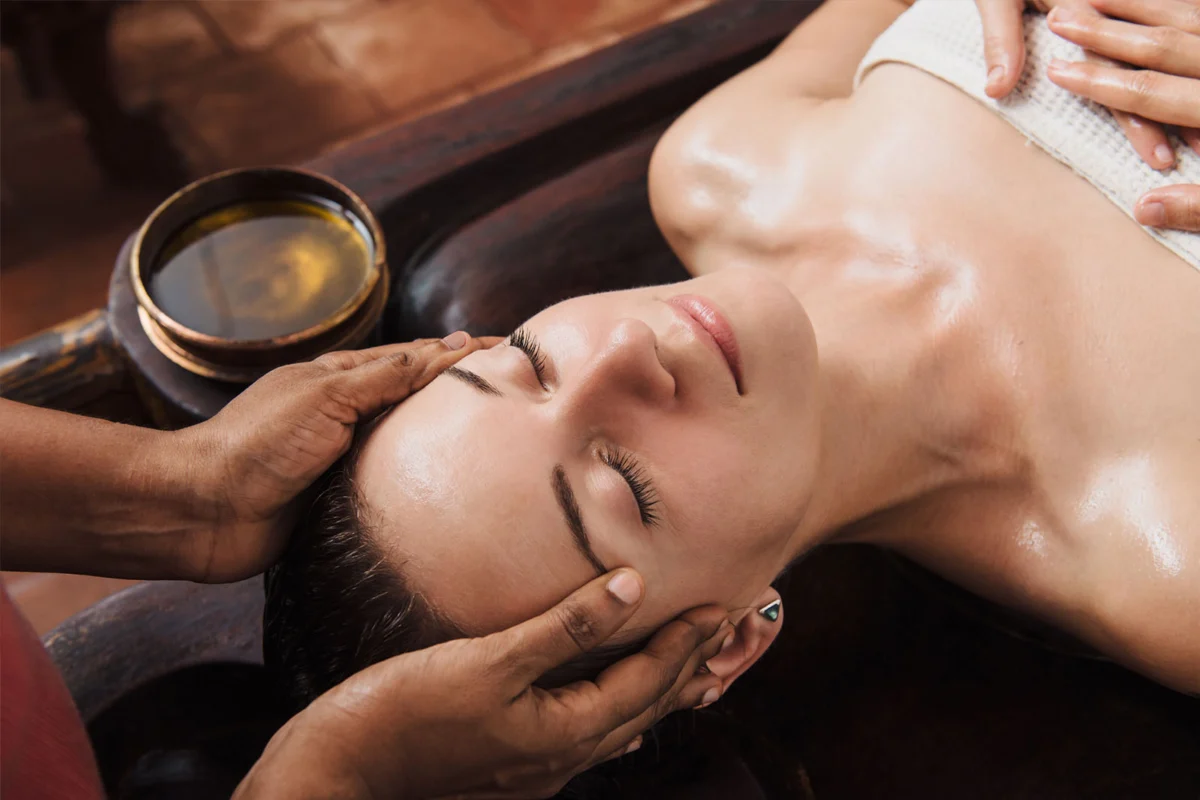
In an era where modern medicine often leans toward standardized protocols and "one-size-fits-all" pharmaceuticals, a growing segment of the wellness community is turning back to the ancient, highly individualized science of Ayurveda. At the core of this traditional system lies a fundamental philosophy: no two human beings are identical, and therefore, no two paths to healing should be the same.
While Western medicine might categorize a patient’s experience of pain or metabolic dysfunction under a singular diagnosis, Ayurveda views these manifestations through a granular lens. Whether it is pain—which the system classifies into Vata, Pitta, or Kapha types—or complex metabolic conditions like diabetes, which Ayurveda recognizes as having 20 distinct classifications, the divergence in treatment is profound. For the practitioner, the mission is not merely to suppress a symptom but to understand the samprapti (the disease process) and restore the unique equilibrium of the individual.
The Philosophical Foundation: Why Personalization Matters
The success of Ayurvedic intervention hinges on the practitioner’s ability to decode the "root cause." Unlike conventional models that may prioritize symptom management, the Ayurvedic approach demands a deep dive into the patient’s prakruti (their inherent state of balance) and vikruti (their current state of imbalance).
When a patient presents with an ailment, an Ayurvedic practitioner evaluates the qualities (gunas) that have fallen out of sync. Are they suffering from excess heat, dryness, or stagnation? By identifying these markers, the practitioner designs a protocol that is uniquely supportive. This level of customization ensures that the therapy acts as a corrective mechanism rather than a temporary "band-aid," addressing the underlying physiological and energetic environment that allowed the imbalance to take root.
The Panchakarma Protocol: A Deep Dive into Detoxification
One of the most potent tools in the Ayurvedic arsenal is Panchakarma. Often misunderstood as a generic detox retreat, Panchakarma is actually a highly sophisticated, multi-stage clinical process designed to pull toxins (ama) from deep tissues and eliminate them from the digestive tract.
However, the efficacy of Panchakarma is entirely dependent on the practitioner’s oversight. Every step—from the selection of herbs to the intensity of the detoxification—must be tailored to the client’s agni (digestive fire), ama (toxin load), and overall vitality. Without this expert guidance, the process can be counterproductive or even destabilizing.
The Chronology of Treatment: The Three Stages of Panchakarma
Panchakarma is not a singular event; it is a carefully orchestrated sequence of three distinct phases: Purvakarma, Pradhanakarma, and Paschyatkarma.
Stage 1: Purvakarma (The Preparatory Phase)
Before the primary elimination actions occur, the body must be readied. Purvakarma focuses on two vital objectives: kindling the agni and internal oleation.
The digestive fire must be stoked so the body can process the toxins being released. This might involve anything from specific dietary adjustments, such as ginger preparations, to the ingestion of hot water. Simultaneously, internal oleation—the intake of medicated ghees or specific oils—is used to lubricate the tissues. This crucial step acts as a "loosening" agent, dislodging toxins from deep within the cellular matrix and pulling them into the digestive tract, where they can be effectively flushed out.
Stage 2: Pradhanakarma (The Five Actions)
This is the stage from which the term "Panchakarma" derives, translating literally to "five actions." Each action targets a specific physiological region to purge toxins.
- Virechana (Purgation): Targeted at the small intestine, liver, and gallbladder—the seats of Pitta dosha—this therapy uses laxatives to purge excess bile and heat from the system.
- Basti (Enema Therapy): This procedure focuses on the large intestine, the home of Vata dosha. By introducing herbalized oils or decoctions, the practitioner can nourish the colon lining and address systemic imbalances, as the colon is considered the root of many chronic conditions.
- Vamana (Emesis): Reserved for specific imbalances, this process involves the use of licorice tea and salt water to clear excess Kapha (phlegm) from the stomach. It is a highly specialized, supervised procedure not suitable for every constitution.
- Nasya (Nasal Administration): By applying oils into the nasal passages, practitioners address imbalances in the head and neck. It is frequently employed to improve cognitive function, alleviate brain fog, and clear sinus congestion.
- Raktamoksha (Blood Cleansing): Considered the final frontier of purification, this process cleanses the blood of lingering ama. While traditional methods involved leeches, modern practitioners in the U.S. often utilize alternative, non-invasive methods to ensure the blood—the source of jivanam (life-giving energy)—remains pure and nutrient-rich.
Stage 3: Paschyatkarma (The Post-Treatment Rejuvenation)
The journey does not end with the elimination of toxins. In fact, the Paschyatkarma stage is perhaps the most critical for long-term health. Following a deep detoxification, the body is often in a state of vulnerability and fatigue. The practitioner creates a strategic, post-treatment diet and lifestyle plan designed to rebuild tissue, stabilize digestion, and solidify the gains made during the process. This phase ensures that the patient does not simply return to their previous habits but emerges with a renewed foundation of vitality.
The Critical Role of the Practitioner
The rapid rise of Ayurveda in the Western wellness market has led to an abundance of "detox" offerings. However, industry experts caution that without a practitioner trained in the nuanced design of all three stages, the results can be unpredictable.
"The practitioner acts as the navigator of the healing journey," notes one leading Ayurvedic educator. "If a center offers Panchakarma without a deep understanding of prakruti and vikruti, the client risks aggravating existing imbalances rather than resolving them."
A competent practitioner ensures that the intensity of the treatment matches the client’s current capacity. They monitor the client throughout the stages, adjusting the herbal protocols as the body responds to the detoxification process. This oversight is what separates a genuine therapeutic intervention from a generalized health trend.
Implications for Future Wellness
As consumers become more informed, the demand for personalized medicine is set to grow. The Ayurvedic model offers a compelling alternative to the standardized approach, emphasizing the importance of alignment between a patient’s values and the practitioner’s methodology.
For those seeking to engage with this ancient wisdom, the recommendation is clear: look beyond the marketing. Seek out practitioners and centers that emphasize education, individual assessment, and a comprehensive, multi-stage approach. By prioritizing the "individualized approach," patients can ensure that their health journey is not only safe but deeply transformative.
Whether one is exploring Ayurveda for chronic disease management or as a preventative measure, the takeaway remains the same: healing is not a destination but a process—one that requires a tailored map, a skilled guide, and a deep respect for the unique biological signature of every individual.
For those interested in pursuing the rigorous training required to become a certified Ayurvedic practitioner, or for those seeking professional-grade Panchakarma retreats, resources are available through established educational institutions like the Ayurvedic Institute and specialized facilities like the SoHum Mountain Healing Resort.