








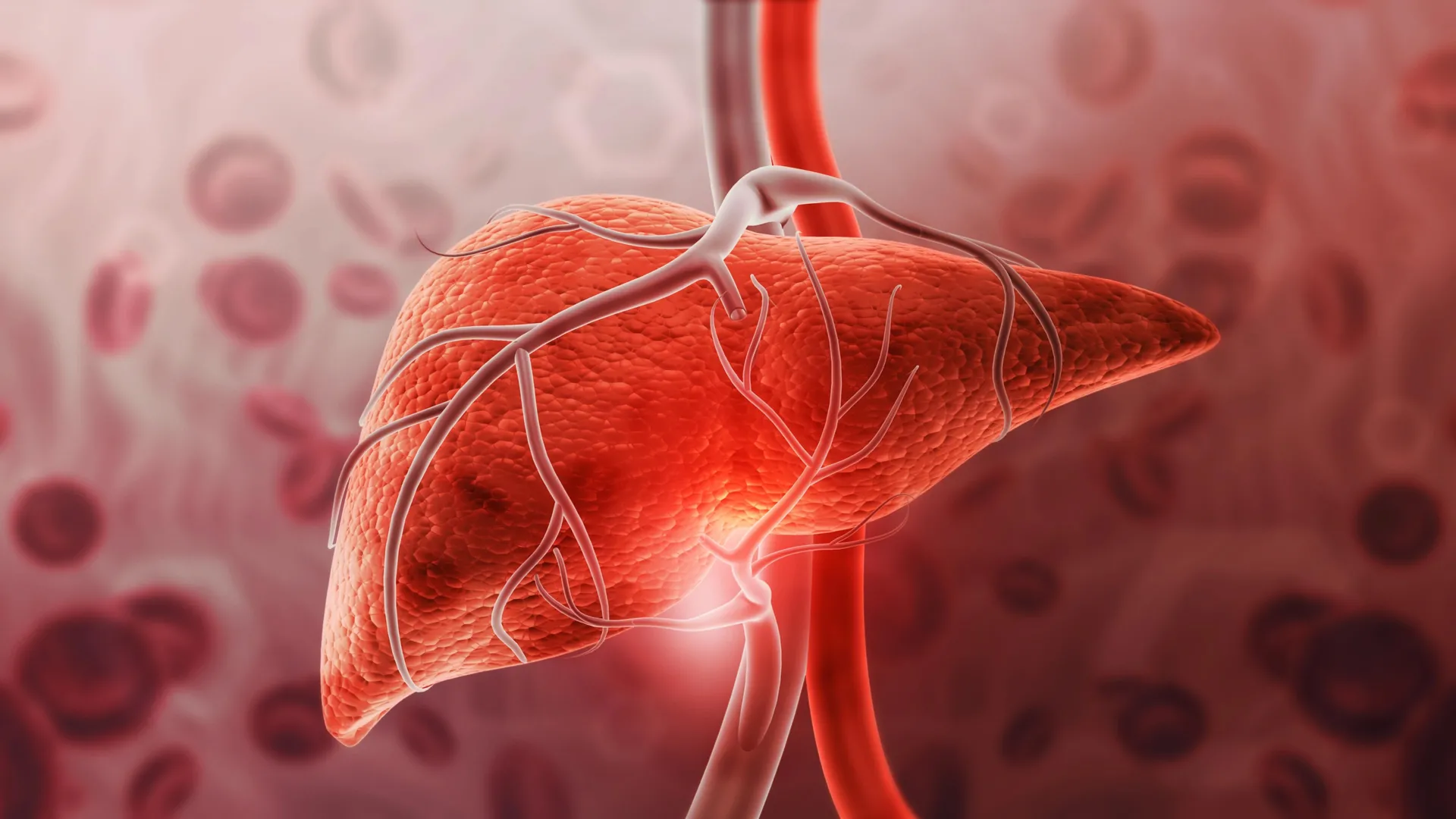
For years, the medical community has viewed the hormone GDF15 primarily through the lens of metabolic regulation. Known for its potent ability to suppress appetite and facilitate weight loss, it has been the subject of intense scrutiny in the global race to combat obesity. However, groundbreaking research from McMaster University, published on August 10, 2026, in the journal Cell Metabolism, has shifted this paradigm. Researchers have uncovered that GDF15 possesses an entirely separate, critical function: it acts as a powerful anti-inflammatory guardian for the liver, independent of its effects on body mass.
This discovery holds profound implications for the treatment of metabolic dysfunction-associated steatohepatitis (MASH)—an advanced form of fatty liver disease that affects millions worldwide and often serves as a precursor to cirrhosis, liver failure, and hepatocellular carcinoma.
The Evolution of a Medical Breakthrough: A Chronological Overview
The journey to this discovery represents a multi-year effort to decipher the complex signaling networks that govern human metabolism.
The 2023 Foundation
In 2023, a research team led by Dr. Gregory Steinberg and Dr. Dongdong Wang at McMaster’s Centre for Metabolism, Obesity and Diabetes Research (MODR) published a landmark study in Nature. That research established that GDF15 plays a pivotal role in maintaining high metabolic rates during periods of weight loss, effectively preventing the "metabolic adaptation" or "plateau" that often hinders long-term weight management. This established the hormone as a metabolic regulator of significant interest.
The 2026 Pivot
By 2025, as the team continued to investigate the systemic effects of GDF15, they began to notice anomalies in the liver tissue of experimental models. While traditional wisdom suggested that improvements in liver health were merely a secondary byproduct of weight loss, the team’s data indicated otherwise.
Throughout late 2025 and early 2026, utilizing advanced spatial transcriptomics and genetic modeling, the researchers isolated a specific brain-to-liver signaling axis. They discovered that GDF15 does not just signal the brain to reduce caloric intake; it triggers a cascade that results in the release of glucocorticoids—steroid hormones that act as a systemic "fire extinguisher" for inflammation. This culminated in the August 2026 publication, which officially separated the anti-inflammatory benefits of GDF15 from its weight-loss properties.
Decoding the Mechanism: How the Body Defends the Liver
The biological pathway identified by the McMaster team is a sophisticated communication network. When GDF15 is introduced or naturally stimulated, it initiates a series of events that bridge the gap between the nervous system and the liver.
The Brain-to-Liver Axis
The research utilized high-precision mouse models that mimic the pathology of human MASH. By employing pharmacological and genomic techniques, the team mapped the signaling pathway:
- Initiation: GDF15 binds to receptors in the brain, activating a neural pathway.
- Endocrine Response: This activation leads to the systemic release of glucocorticoids.
- Hepatic Modulation: These glucocorticoids reach the liver, where they interact with immune cells.
Reprogramming the Liver’s Immune Landscape
Dr. Dongdong Wang, the lead and corresponding author of the study, notes that the effect on the liver is one of "reprogramming." Instead of merely suppressing the immune system, GDF15 induces a state of "protective dormancy" in hepatic immune cells.
"Instead of causing liver damage, GDF15 appears to help calm the liver’s immune system," Dr. Wang explains. "It shifts immune cells into a more protective and less active state, helping reduce inflammation and prevent damage to the liver." This prevents the chronic, low-grade inflammation that typically leads to fibrosis—the scarring of liver tissue that marks the progression toward end-stage liver disease.
Supporting Data and Technical Insights
The strength of the McMaster study lies in its multi-modal approach. To ensure the findings were not artifacts of weight loss, the researchers carefully controlled for food consumption and body mass.
- Spatial Transcriptomics: This cutting-edge technology allowed researchers to observe gene expression changes in specific micro-environments within the liver tissue, providing a "map" of how inflammation was suppressed at the cellular level.
- Genetic and Pharmacological Validation: By silencing specific pathways in the brain, the team was able to prove that the anti-inflammatory effect was lost when the brain-to-liver communication was severed, confirming that the hormone’s protective role is indeed dependent on this specific signaling chain.
- Fibrosis Mitigation: Beyond merely reducing inflammatory markers (such as cytokines), the study provided visual and quantitative evidence that the accumulation of collagen and scar tissue was significantly slowed in treated subjects, regardless of whether those subjects had lost weight.
Official Responses and Expert Perspectives
The academic community has received the findings with significant interest, as it addresses a major clinical hurdle: the persistence of liver inflammation even after successful weight loss.
The View from the Lab
Dr. Gregory Steinberg, a professor in the Department of Medicine at McMaster and senior author of the study, emphasizes that this discovery changes the fundamental understanding of GDF15. "Our findings show that GDF15 does much more than regulate appetite and body weight," Steinberg states. "We discovered that GDF15 activates a natural brain-to-liver signaling pathway that helps suppress liver inflammation and reduce fibrosis. This changes how we think about the hormone and suggests it may be part of the body’s own defense system against chronic liver injury."
Clinical Implications
Currently, treatments for MASH are limited. While GLP-1 receptor agonists and other weight-loss medications have revolutionized the management of metabolic disease, they do not always resolve the underlying inflammatory "scars" left by long-term fatty liver. The McMaster team’s work suggests a future where GDF15-based therapies could be used in tandem with weight-loss drugs to provide a "dual-action" approach: one therapy to reduce the metabolic burden and another to directly heal the liver’s immune environment.
Implications for Future Medicine
The implications for patients suffering from MASH and other chronic liver conditions are profound. By mapping the body’s natural defense mechanism, the McMaster team has effectively provided a blueprint for next-generation drug development.
A New Class of Therapeutic Targets
While Dr. Steinberg is an executive member of NexusHealth and a co-founder of Espervita Therapeutics—which is currently exploring drug candidates for liver disease—the current study provides a foundation that extends beyond proprietary interest. It identifies a biological pathway that could be targeted via small molecules, hormone analogs, or neural stimulation.
Rethinking Chronic Injury
The concept that the brain, through hormonal signaling, can "reprogram" the immune state of an organ like the liver opens new doors in psychosomatic and endocrine research. It suggests that the liver is not a passive recipient of metabolic damage, but an active participant in a complex, systemic immune regulatory network.
The Path Forward
The study concludes that "current therapies largely focus on reducing body weight and liver fat. Our work suggests there may be value in combining those approaches with therapies that directly target inflammation." As the medical field moves toward personalized medicine, the ability to tailor treatments to address both the cause of the disease (metabolic dysfunction) and the consequence of the disease (chronic inflammation) could mark a turning point in the management of MASH.
The research, which received funding from the Natural Sciences and Engineering Research Council of Canada (NSERC), the Canadian Institutes of Health Research (CIHR), and Diabetes Canada, with research support from Novo Nordisk A/S, represents a major collaborative achievement. As clinical trials evolve, the legacy of GDF15 may eventually be remembered not just as a tool for weight loss, but as a critical therapeutic agent in the fight to preserve liver function and save lives.