



As the global population ages, the challenge of maintaining robust health becomes inextricably linked to the resilience of our immune systems. A significant hurdle in geriatric medicine is "immunosenescence"—the natural, progressive decline of the immune system that leaves older adults more susceptible to infections and less responsive to life-saving vaccinations. However, a promising new study published in the journal Aging Cell suggests that a naturally occurring compound known as spermidine may offer a viable pathway to restoring some of this lost immune vigor.
Led by a multidisciplinary team of researchers from the Max Delbrück Center and the University of Oxford, the study highlights how this simple, cell-derived molecule could potentially bolster the protective response to vaccines in older adults. While still in its pilot phase, the research offers a tantalizing glimpse into a future where nutritional supplementation might bridge the gap between biological aging and clinical immunity.
The Biological Crisis: Understanding Immunosenescence
The immune system is a sophisticated network of cells, tissues, and organs that work in concert to defend the body against pathogens. In youth, this system is highly adaptive, capable of mounting swift and powerful responses to new threats. However, as individuals age, the efficiency of these biological sentinels begins to wane.
The Mechanism of Decline
Immunosenescence is not merely a "slowing down" of the immune system; it is a complex reconfiguration. As we age, the thymus—the organ responsible for the development of T cells—shrinks, leading to a reduction in the production of new, "naïve" immune cells. Simultaneously, the cells that remain often exhibit signs of cellular senescence. These are essentially "zombie cells": they have stopped dividing and functioning correctly but refuse to undergo apoptosis (programmed cell death). Instead, they linger in the body, secreting inflammatory signals that damage surrounding tissues and suppress the overall effectiveness of the immune response.
This decline is particularly evident in the context of vaccination. While a vaccine is designed to "train" the immune system to recognize a virus, an aged immune system often struggles to learn these lessons, resulting in lower antibody titers and a less robust memory-cell formation.
Spermidine: Nature’s Cellular Recycler
The focus of the new research, spermidine, is a polyamine compound found in every living cell. It plays a critical role in cellular growth, proliferation, and survival. More importantly, spermidine is a potent inducer of autophagy.
Autophagy—from the Greek for "self-eating"—is the body’s internal recycling program. It allows cells to disassemble damaged proteins, organelles, and other cellular debris, breaking them down into components that can be used to build new, healthy structures. As we age, the efficiency of autophagy drops, allowing damaged material to accumulate, which in turn accelerates the aging process of the cell.
Dietary Sources
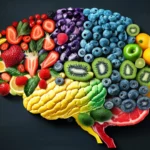
Spermidine is not a synthetic drug; it is a dietary staple. It is found in abundance in wheat germ, certain mushrooms, and fermented cheeses like parmesan and cheddar. By potentially restoring autophagy, spermidine acts as a biological "reset button," helping cells clear out the clutter that contributes to senescence.
Chronology of the Research: A Pilot Study
The investigation, which sought to determine whether oral spermidine supplementation could counteract immune aging, was a collaborative effort involving Dr. Katja Simon of the Max Delbrück Center and Dr. Ghada Alsaleh of the University of Oxford’s Nuffield Department of Orthopaedics, Rheumatology & Musculoskeletal Sciences (NDORMS).
Phase 1: Enrollment and Baseline Assessment
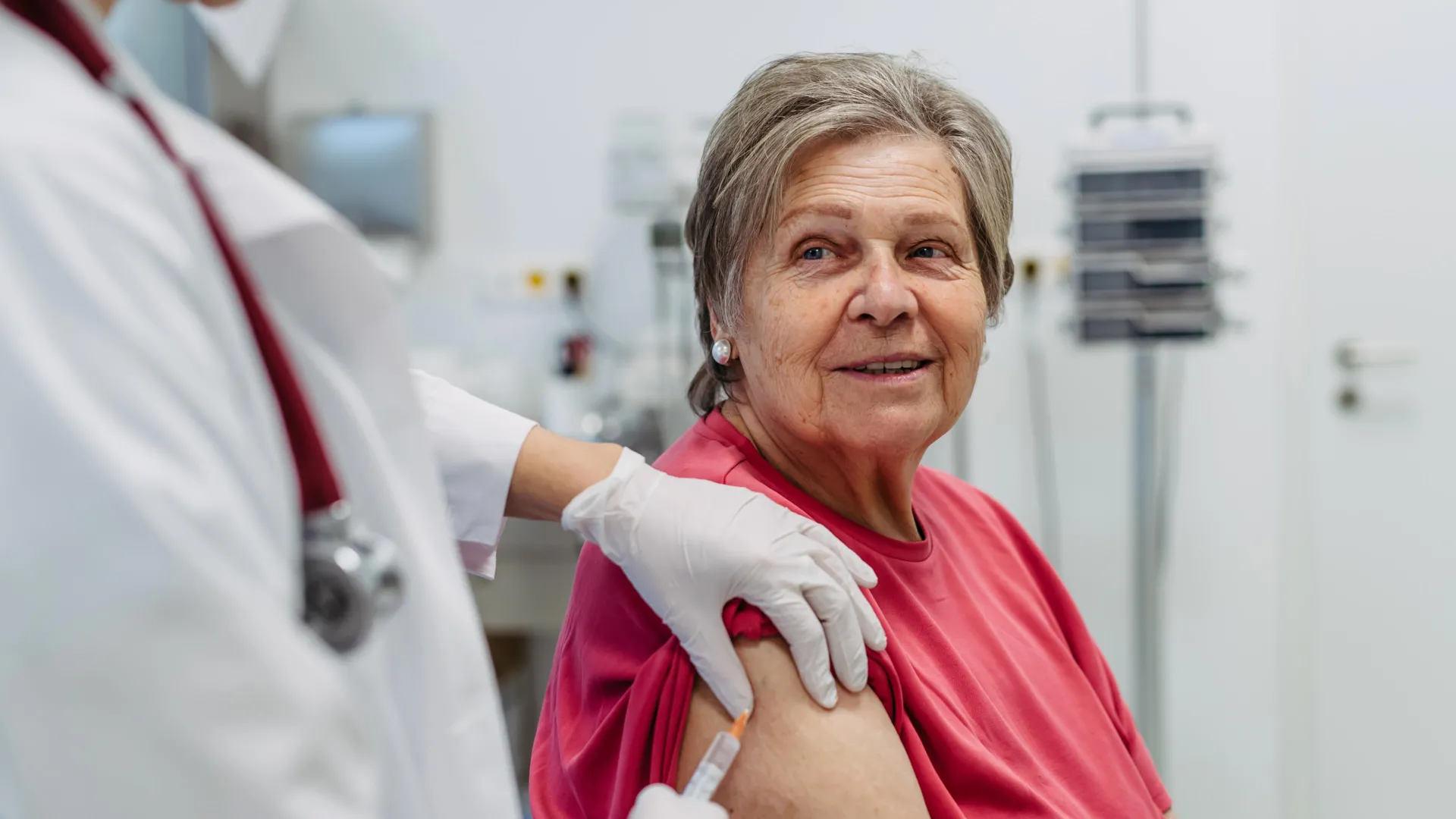
The research team enrolled 40 healthy volunteers aged 65 and older. The participants were evaluated following their third COVID-19 vaccination. The researchers were particularly interested in "nonresponders"—individuals who, despite multiple vaccine doses, failed to develop the high levels of protective antibodies typical of younger, healthier immune systems.
Phase 2: The Intervention
The participants were divided into two groups. Over a period of 13 weeks, one group received a daily six-milligram supplement of spermidine, while the other received a placebo. Throughout this period, the researchers monitored for adverse reactions, finding that the supplement was well-tolerated and presented no significant safety concerns.
Phase 3: Data Collection and Analysis
At the conclusion of the 13-week period, the team analyzed the participants’ blood samples. They looked for markers of DNA damage, indicators of cellular senescence, and, crucially, the levels and neutralizing capacity of SARS-CoV-2 antibodies.
Supporting Data: Findings and Observations
The results of the study were striking, particularly for the subset of participants who had previously shown poor vaccine responses.
Bridging the Immunity Gap
In the group receiving spermidine, the researchers observed a marked improvement in the quality of the immune response. These participants did not just produce more antibodies; they produced antibodies with higher neutralizing activity against various SARS-CoV-2 variants.
Molecular Markers of Renewal
The blood samples from the spermidine group showed a decrease in markers associated with cellular senescence. The researchers noted:
- Reduced DNA damage: The genetic integrity of immune cells appeared better preserved.
- Enhanced Autophagy: Molecular signatures indicated that the cellular recycling process had been upregulated, helping the cells function with a vitality more characteristic of younger immune systems.
The study effectively demonstrated that for a segment of the older population, the "nonresponsive" status is not necessarily a permanent state of biological decline, but rather a reversible condition that can be targeted through metabolic intervention.
Official Perspectives: Expert Commentary
The research team, which included experts from the Oxford Vaccine Group—such as Drs. Paul Klenerman, Teresa Lambe, and Lucy Jones—as well as Owen B. Spiller from Cardiff University, emphasized the significance of these findings.
"Many older adults respond well to vaccines," Dr. Ghada Alsaleh noted. "But some do not develop strong protection, even after repeated vaccination. Biological aging of immune cells may be one reason why this happens. Our findings suggest that spermidine could help restore aspects of immune function in this group."
Dr. Katja Simon underscored the importance of the collaborative, multidisciplinary approach. By combining expertise in cellular biology with clinical vaccine research, the team was able to draw a direct line between the molecular action of spermidine and the real-world outcome of vaccine-induced immunity.
Implications for Public Health and Future Research
While the initial results are highly encouraging, the researchers remain measured in their optimism. The sample size of 40 participants, while sufficient for a pilot study, is too small to change clinical guidelines immediately.
The Need for Large-Scale Trials
"This study was designed as a pilot trial and involved a relatively small number of participants," Dr. Simon explained. "Larger studies will be needed to determine whether spermidine can consistently improve vaccine responses and whether similar effects are seen with other vaccines, such as those used against seasonal influenza."
Future Avenues
The implications of this research extend far beyond COVID-19. If confirmed by larger, randomized controlled trials, spermidine could become a standard recommendation for older adults prior to receiving annual flu shots or shingles vaccines. Furthermore, the ability to "rejuvenate" immune cells could have implications for cancer immunotherapy, where the effectiveness of treatment is often limited by the patient’s own aging immune system.
A Holistic Approach to Aging
This study is part of a growing body of evidence that suggests that aging is not an immutable decline, but a biological process that can be influenced by diet and metabolism. By focusing on the cellular "housekeeping" mechanisms like autophagy, scientists are opening new doors to treating the systemic vulnerabilities that come with the aging process.
Conclusion: A New Frontier in Geriatric Care
The research published in Aging Cell represents a significant step forward in understanding how to protect our most vulnerable populations. By targeting the biological mechanisms of immunosenescence with a naturally occurring compound, the researchers have provided a foundation for future therapies that could make vaccines more effective for millions of older adults.
As we look toward the future, the integration of nutritional science and immunology offers a promising path. While we await the results of larger clinical trials, the study serves as a vital reminder that the immune system, much like any complex machine, requires the right fuel and the right maintenance to function at its peak—regardless of age. The potential for spermidine to act as a catalyst for immune renewal is a testament to the power of scientific inquiry in the ongoing quest to improve healthspan, not just lifespan.