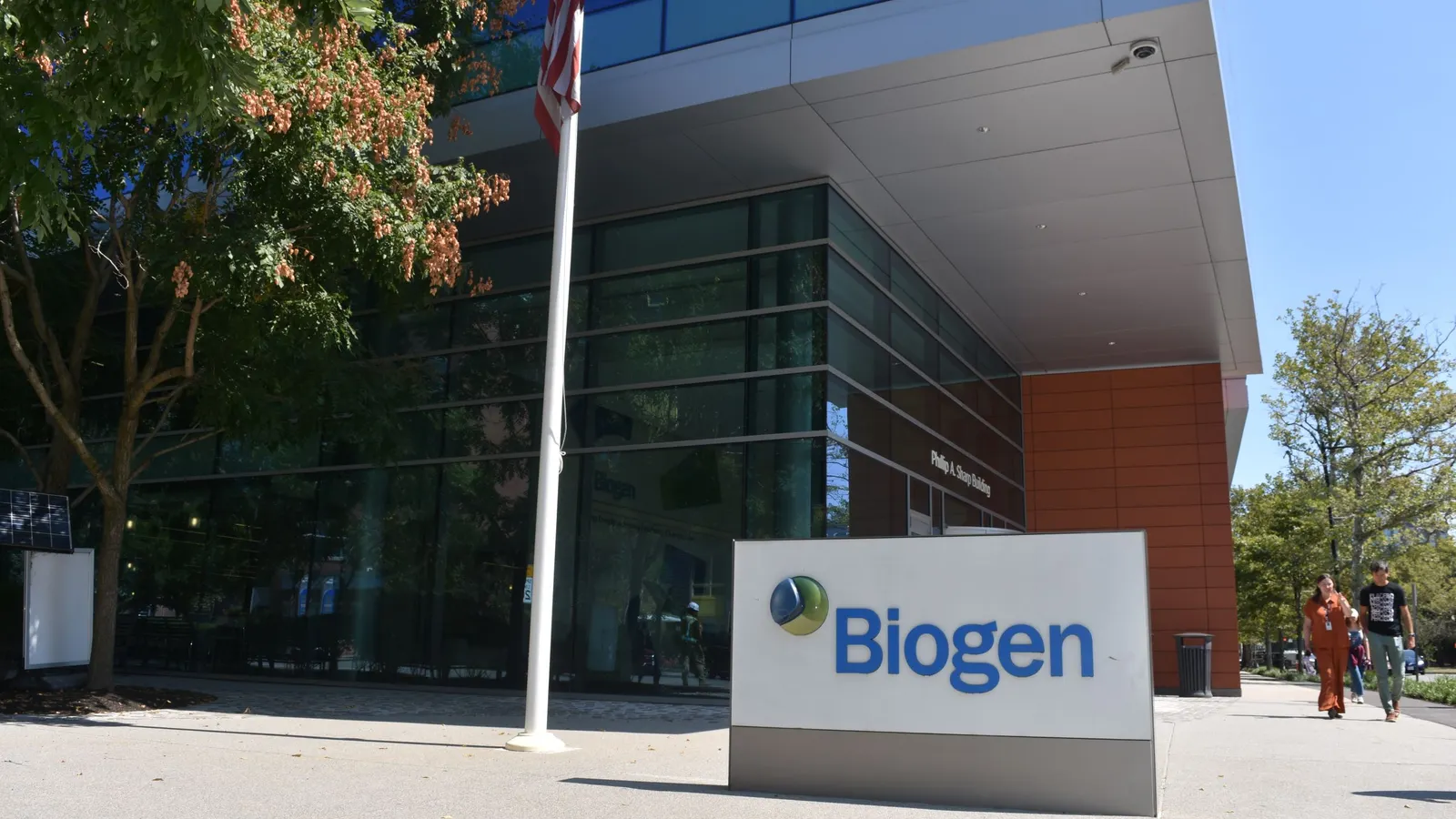
In a move that underscores a definitive pivot toward immunology, Biogen has announced the acquisition of RayThera, an emerging biotech firm known for its robust, albeit secretive, research pipeline. While the financial specifics of the transaction remain undisclosed, the deal signals Biogen’s aggressive intent to diversify its portfolio beyond its long-standing dominance in neurology. By integrating RayThera’s advanced therapeutic platform, Biogen aims to fortify its early-stage research capabilities and secure a foothold in some of the most competitive spaces in modern pharmacology.
Main Facts: A Strategic Pivot
The acquisition of RayThera serves as a key pillar in Biogen’s broader corporate strategy to pivot away from its historical reliance on neurology. While the company has been a titan in the treatment of multiple sclerosis and, more recently, Alzheimer’s disease, the acquisition of RayThera suggests a desire to leverage immunology to address a wider array of inflammatory and autoimmune conditions.
Although both companies have remained tight-lipped regarding the specific drug candidates included in the deal, industry analysts and patent filings provide a clear window into the scope of the acquisition. RayThera’s intellectual property portfolio points toward several high-value targets, including TNF activity modulators, CCR4 inhibitors, and pathways involving STAT6 and JAK2. These targets are not merely experimental; they are the bedrock of some of the most successful blockbuster drugs in the global market, positioning Biogen to compete directly with established pharmaceutical giants.
Chronology: The Road to Acquisition
The journey leading to this acquisition is characterized by rapid development and high-stakes venture capital interest.
- May 2023: Co-founders Qing Dong and Gene Hung successfully conclude the sale of their previous startup, XinThera, to Gilead Sciences. The deal focused on PARP1 and MK2 inhibitors, establishing the founders as high-value innovators in the biotech space.
- April 2025: RayThera secures a significant $110 million Series A financing round. The round was led by industry heavyweights Foresite Capital and OrbiMed Advisors, signaling immense confidence from the investor community. Michael Rome, a partner at Foresite, noted at the time that the firm was “impressed with the progress” made by the company in a remarkably short timeframe.
- Mid-2025: Following the successful Apellis Pharmaceuticals acquisition—a $5.6 billion transaction that brought Biogen deep into the “complement” protein space—Biogen executives accelerated their search for earlier-stage assets.
- Third Quarter 2025 (Expected): The transaction between Biogen and RayThera is slated to close, at which point Biogen will assume full responsibility for the development, manufacturing, and global commercialization of the acquired immunology assets.
Supporting Data: Why RayThera?
The value of this acquisition lies in the high-potential mechanisms of action (MoAs) found within RayThera’s patent landscape. By dissecting these filings, it becomes evident why Biogen has prioritized this target.
The Power of TNF and Beyond
TNF (Tumor Necrosis Factor) blockers remain a cornerstone of autoimmune therapy, exemplified by the enduring commercial success of Humira. By acquiring technology that touches on TNF modulation, Biogen is positioning itself to enter the lucrative market for chronic inflammatory diseases.
Furthermore, the inclusion of STAT6 modulators is particularly notable. STAT6 is a critical protein in the signaling pathways of Interleukin-4 and Interleukin-13, which are primary drivers of allergic and inflammatory diseases. With companies like Sanofi and Kymera Therapeutics already advancing their own STAT6-related programs, Biogen’s acquisition ensures they are not left behind in the race to develop next-generation inhibitors that could offer better efficacy or safety profiles than current standards of care.
The Complement System Connection
Biogen’s recent $5.6 billion acquisition of Apellis Pharmaceuticals introduced the company to the complex world of the complement system—a part of the innate immune system that, when dysregulated, can trigger systemic tissue damage. RayThera’s research into JAK2 V617F inhibitors and other inflammatory markers complements this existing portfolio. By controlling the “complement” cascade and mitigating overactive inflammatory signals, Biogen is building an integrated platform capable of tackling complex, multi-system diseases that have historically been difficult to treat.
Official Responses and Strategic Intent
Biogen’s leadership has been transparent about the need to diversify. Following the Apellis deal, management indicated that the company’s internal R&D efforts would be supplemented by strategic acquisitions aimed at filling the “early stages” of the pipeline.
The acquisition of RayThera is the manifestation of this mandate. By bringing the seasoned team of Dong and Hung into the fold, Biogen is not just buying drugs; they are buying the expertise required to navigate the high-risk, high-reward landscape of immunology. While official press statements have remained formal, the underlying sentiment is clear: Biogen is building a research engine that can churn out viable candidates, shifting the company’s culture from one of neurology-only reliance to a diversified, immunology-focused powerhouse.
Implications for the Industry
The Biogen-RayThera deal carries significant weight for the broader biotech ecosystem.
Competition and Market Consolidation
The rush to acquire startups specializing in inflammatory pathways reflects a broader industry trend. As patents on older biologic drugs expire, large pharmaceutical companies are under immense pressure to refresh their portfolios. The high price point of recent deals suggests that there is a premium on companies that have successfully moved past the discovery phase and into robust preclinical or early clinical development.

The Role of Venture Capital
The rapid exit of RayThera, having only raised its Series A funding a few months prior to this acquisition, demonstrates the efficiency of the modern biotech venture model. Foresite Capital and OrbiMed’s involvement highlights the importance of institutional investors in "de-risking" early-stage assets for larger players like Biogen. This cycle of formation, rapid funding, and acquisition is becoming the gold standard for how innovative medicine reaches the market.
Future Outlook for Patients
For patients, the implications are profound. If Biogen can successfully scale the candidates acquired from RayThera, the market could see a new wave of targeted immunotherapies. By focusing on precision pathways like STAT6 and CCR4, these drugs may offer more specific interventions with fewer side effects than traditional broad-spectrum immunosuppressants.
Conclusion: A New Chapter for Biogen
The acquisition of RayThera is a decisive move that bridges the gap between Biogen’s legacy in neuroscience and its future in immunology. By aggressively expanding its pipeline with high-value targets, Biogen is demonstrating a clear roadmap for long-term growth. As the industry watches the integration of these assets, the focus will shift to the clinical trial results. If the promise of RayThera’s patents translates into successful human trials, Biogen will have successfully secured its position as a multi-disciplinary leader in the next generation of medical innovation.
The third quarter of 2025 will serve as a pivotal moment for the company, as the transition moves from the boardroom to the laboratory, marking the beginning of a new, highly competitive chapter in the evolution of the pharmaceutical giant.