




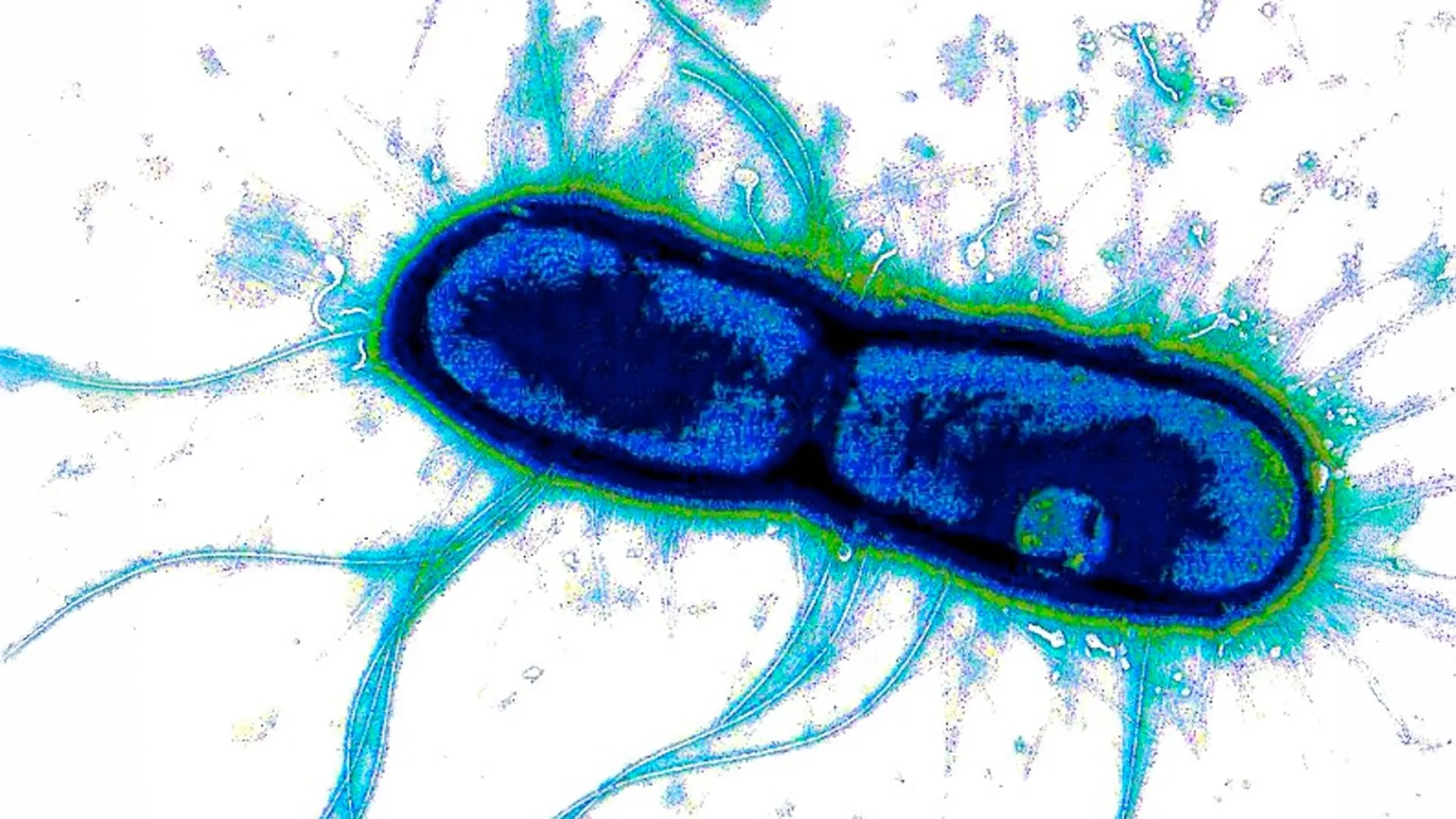
For decades, the global health community has faced a persistent, frustrating stalemate in the fight against diarrheal disease. Enterotoxigenic Escherichia coli (ETEC) and Shigella—two of the world’s most notorious gut pathogens—are responsible for hundreds of millions of infections annually. They remain leading causes of mortality in children and significant sources of morbidity for travelers and vulnerable populations worldwide. Despite extensive research, effective vaccines have remained elusive, largely because these bacteria are master mimics, frequently altering their surface features to evade the human immune system.
However, a breakthrough study published June 15 in the Proceedings of the National Academy of Sciences (PNAS) has potentially flipped the script. Researchers from the Washington University School of Medicine in St. Louis, in collaboration with the University of Missouri and the International Centre for Diarrhoeal Disease Research in Bangladesh, have identified a "biological Achilles’ heel" shared by these pathogens. By targeting a specific, conserved mechanism that these bacteria use to breach the human gut, scientists have laid the groundwork for a single, multi-pathogen vaccine that could save countless lives.
The Mechanism of Infection: How Pathogens Bypass Our Defenses
To understand the magnitude of this discovery, one must first look at the battlefield: the human intestinal lining. The intestines are protected by a thick, sophisticated layer of mucus. This gelatinous barrier serves a dual purpose: it keeps harmful microbes away from the delicate underlying tissues and creates a controlled environment that regulates the body’s beneficial gut flora.
For a pathogen like ETEC or Shigella to cause illness, it must first navigate this gauntlet. The researchers found that these bacteria do not merely drift through; they actively dismantle the barrier. They utilize a set of closely related enzymes to chemically "digest" the structural proteins that give intestinal mucus its integrity.
"These bacteria have evolved right alongside us, and they’ve gotten very good at breaching our defenses," explains Dr. James M. Fleckenstein, a professor of medicine in the Division of Infectious Diseases at WashU Medicine and co-senior author of the study. "If we can block that first step, we have a chance to stop these infections before they ever take hold."
The research team identified that ETEC relies on an enzyme known as EatA to break down intestinal mucus. The new study reveals that Shigella and other related pathogens utilize nearly identical enzymes—dubbed SepA and Pic—to perform the exact same destructive task. Because these enzymes are critical for the initial stage of infection, they represent a highly vulnerable target that the bacteria cannot easily "evolve away" without losing their ability to cause disease.
A Chronology of Discovery: From Clinical Observation to Molecular Insight
The path to this discovery was not linear; it was a multi-year journey involving international collaboration and advanced molecular imaging.
- Early Observations: The research began with observations in Dhaka, Bangladesh, where the burden of diarrheal disease is acute. Researchers noted that children who had developed natural antibodies against the EatA enzyme were significantly less likely to fall ill compared to those who lacked these specific immune markers. This provided the "smoking gun" that targeting these enzymes could confer protection.
- Isolating the Antibodies: Working with Dr. Ali Ellebedy, an expert in immunology at WashU, the team isolated antibodies from patients who had naturally contracted ETEC infections. They also studied volunteers who had been intentionally exposed to the bacteria in controlled, clinical settings. The goal was to see if the immune system naturally produced antibodies that could cross-react between different pathogens.
- Validation of Cross-Reactivity: The team discovered that antibodies capable of neutralizing EatA could also effectively disable SepA and Pic. This was a pivotal moment; it meant that the immune system, if primed correctly, could fight off a broad spectrum of diarrhea-causing bacteria using the same defensive strategy.
- Structural Analysis: To visualize the interaction, the team turned to cryo-electron microscopy. By flash-freezing the enzymes and antibodies, researchers at the University of Missouri—led by first author Dr. David P. Buckley—captured the "handshake" between the immune molecules and the bacterial enzymes in extraordinary detail. They identified the exact binding site on the enzymes, providing a blueprint for vaccine developers to mimic.
Supporting Data: Why This Strategy Matters
The implications of this study are supported by the stark reality of current global health trends. According to the World Health Organization (WHO), diarrheal disease is the second leading cause of death in children under five years old. In developing nations, the lack of clean water and sanitation makes these pathogens a constant threat.
However, the problem is not confined to the Global South. ETEC is a frequent cause of foodborne illness in the United States and other developed nations. Because clinical laboratories often struggle to differentiate pathogenic ETEC from the harmless strains of E. coli that inhabit the human gut, these infections are frequently misdiagnosed or underreported.
Furthermore, the current standard of care—relying on antibiotics—is fueling a global crisis of antimicrobial resistance (AMR). As bacteria evolve to survive standard treatments, the need for a preventive, vaccine-based approach becomes a matter of urgent public health security. By targeting the enzymes required for infection rather than the bacteria themselves, a vaccine based on this research would potentially avoid the selective pressure that leads to antibiotic resistance, as the vaccine would prevent colonization rather than killing the bacteria after they have already established an infection.
Official Responses and Expert Perspectives
The academic and clinical community has reacted with cautious optimism, viewing this as a foundational step toward "rational vaccine design."
"This study establishes EatA as a viable vaccine candidate capable of providing protection across multiple pathogens," said Dr. Zachary Berndsen, an assistant professor of biochemistry at the University of Missouri and co-senior author of the study. "By identifying the key regions of EatA that are targeted by neutralizing antibodies… we’ve established a foundation for rational vaccine design—a major advance toward development of effective therapeutics."
The research, funded by the National Institute of Allergy and Infectious Diseases (NIAID) and the Department of Veterans Affairs, highlights the importance of sustained, cross-disciplinary research. By bridging the gap between clinical observation in Bangladesh and cutting-edge structural biology in Missouri, the team has successfully mapped the vulnerabilities of pathogens that have historically outmaneuvered conventional vaccine development techniques.
Implications for the Future: Toward a Universal Vaccine
The potential for a "combination vaccine" is the most exciting takeaway from the PNAS report. If developers can create a vaccine that prompts the human body to produce antibodies against the conserved, shared regions of EatA, SepA, and Pic, they could effectively "immunize" the intestinal mucus layer.
Such a vaccine would act as a preemptive barrier. When the bacteria arrive in the gut, they would be met by a swarm of antibodies that bind to their digestive enzymes. By neutralizing these enzymes, the bacteria would be rendered unable to penetrate the mucus, essentially leaving them "trapped" in the gut lumen where they would be safely expelled by the body’s natural digestive processes.
The team is currently taking the next steps toward moving these findings from the laboratory bench to clinical trials. While the timeline for a commercially available vaccine remains years away, the "Achilles’ heel" strategy provides a clear roadmap. By focusing on the shared machinery of infection rather than the ever-changing external appearance of these bacteria, scientists are finally turning the tide in a battle that has claimed millions of lives over the last century.
As Dr. Fleckenstein noted, the simplicity of the solution—blocking the first step of infection—belies its profound potential. In a world where antibiotic efficacy is waning and global health equity remains a distant goal, a vaccine that targets the universal mechanisms of gut pathogens could represent one of the most significant medical advancements of the decade.