











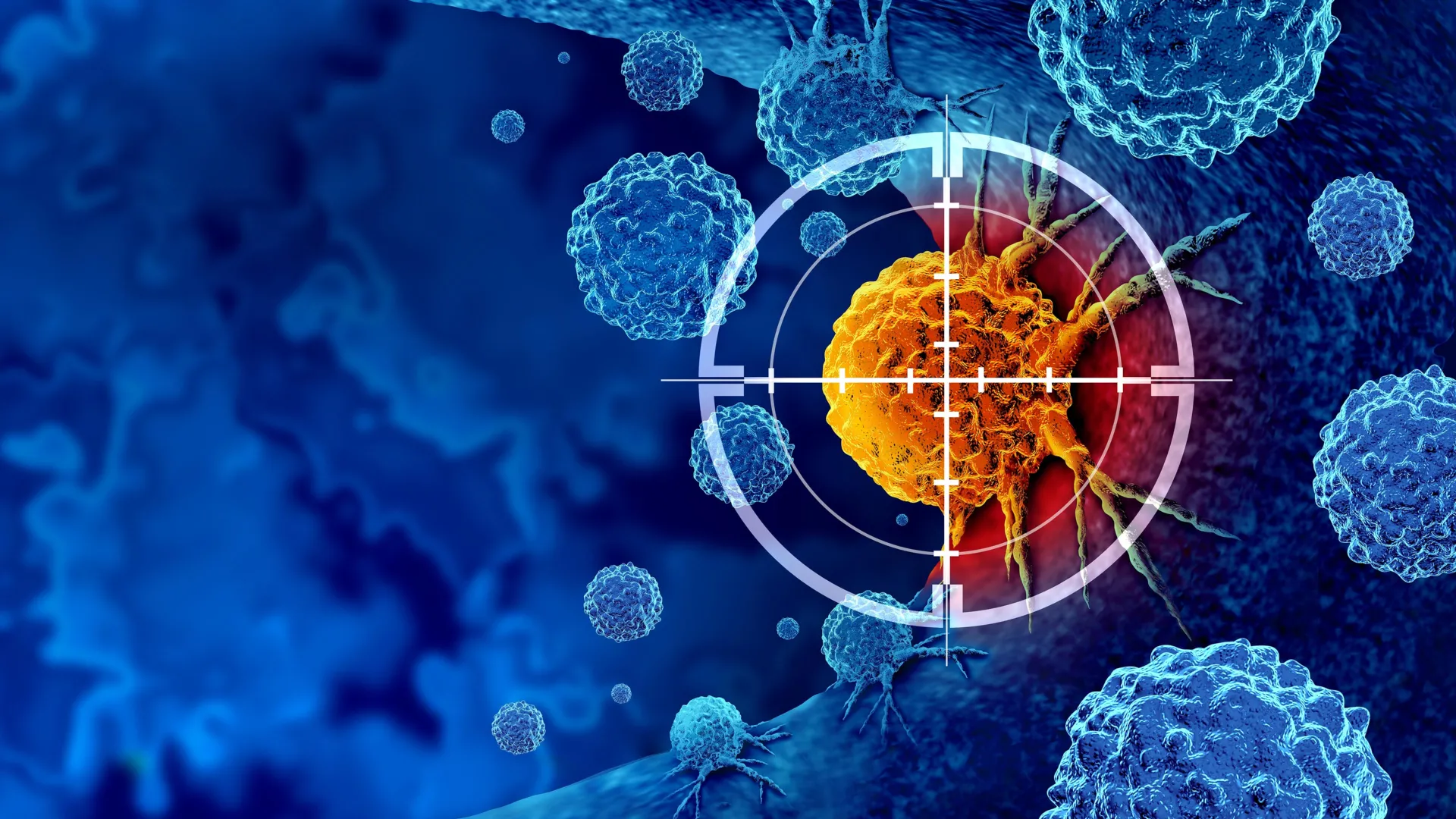
For over half a century, the clinical outlook for patients diagnosed with small cell neuroendocrine cancers—whether originating in the lung, prostate, or ovary—has remained stagnant. These aggressive, fast-growing malignancies are notorious for their ability to spread early and their stubborn resistance to conventional targeted therapies. However, a groundbreaking study from the University of California, Los Angeles (UCLA), has finally identified a potential "Achilles’ heel" in these tumors, offering a glimmer of hope where progress has been elusive for decades.
Published in the Proceedings of the National Academy of Sciences (PNAS), the research reveals that the very genetic mutations that render these cancers so lethal also create a unique dependency that could be exploited by existing, FDA-approved medications.
The Main Facts: Synthetic Lethality as a Strategy
At the heart of the discovery is the loss of the RB gene. In a healthy cell, the RB protein acts as a master regulator, keeping cell division in check. In many aggressive neuroendocrine cancers, this gene is deleted or inactivated, allowing the cells to replicate uncontrollably.
While the loss of RB is a driver of tumor malignancy, the UCLA team discovered that it also forces the cancer cells to become hyper-dependent on a protein called E2F3 to survive. This phenomenon is known as "synthetic lethality." In this context, it means that while the cancer cell can survive the loss of RB alone, it cannot survive if both RB and E2F3 are removed. By targeting E2F3, researchers can effectively collapse the tumor’s survival mechanism, leading to growth inhibition or cell death.
A Chronology of Discovery: From Clinical Frustration to Genetic Mapping
The journey to this discovery began with a sobering realization from Dr. Owen N. Witte, a senior author of the study and a veteran oncologist. Reflecting on his career, Dr. Witte noted that when he first encountered these specific tumor types as a medical student over 50 years ago, the survival statistics were virtually identical to those seen today. This lack of progress served as the primary catalyst for the UCLA team’s mission.
The Engineering of Reality
One of the most significant barriers to studying small cell neuroendocrine cancers has been the absence of accurate laboratory models. Without a way to replicate the specific genetic environment of human tumors, scientists have been unable to map their vulnerabilities.
Over the past decade, Witte’s laboratory focused on building specialized organoid models. The team engineered normal human prostate cells, introducing five critical cancer-causing genetic alterations—most notably the loss of RB and TP53. These engineered cells were then grown into organoids and transplanted into mouse models, successfully replicating the aggressive, rapid-growth characteristics of human small cell prostate cancer.
Genomic Screening
With these robust models in hand, the team utilized CRISPR-Cas9 genome-wide screens. This high-throughput technology allowed the researchers to systematically "knock out" thousands of individual genes across the genome to see which ones were essential for the cancer cells’ survival. Out of the thousands of genes tested, the team identified 1,400 that were vital. Among these, the reliance on E2F3 stood out as a universal weakness across different types of neuroendocrine cancers, regardless of their organ of origin.
Supporting Data: Why E2F3 Matters
The dependency on E2F3 is not merely a biological curiosity; it is a clinical opportunity. When the researchers experimentally depleted E2F3 in RB-deficient cells, the results were dramatic:
- Cell Cycle Arrest: The tumor cells stopped dividing immediately.
- Loss of Architecture: The cells lost their ability to form the dense clusters characteristic of aggressive tumors.
- Apoptotic Response: In many experimental iterations, the cells underwent complete cell death.
Dr. Evan Abt, an assistant professor of Molecular and Medical Pharmacology at the David Geffen School of Medicine at UCLA and the study’s first author, emphasized that the strength of this discovery lies in the model systems. "These new model systems allowed us to uncover a genetic vulnerability that would have been very difficult to find otherwise," he explained.
Official Responses and Expert Perspective
The scientific community has viewed the study with optimism, particularly because of the potential for rapid translation into clinical settings. Dr. Witte’s perspective highlights the conceptual shift this study represents: "It’s not that the two genes do the same thing. But the combination of what they do together becomes essential for the cancer cell. Losing one gene may not matter much, but losing both has a dramatic effect on tumor growth."
Dr. Witte, who holds the Presidential Chair in Developmental Immunology and is a founding director emeritus of the UCLA Broad Stem Cell Research Center, noted that the discovery provides a blueprint for an entirely new generation of treatment strategies. The collaboration involved a vast team of experts, including Liang Wang, Grigor Varuzhanyan, Jack Freeland, and others, representing a multidisciplinary approach that spanned immunology, molecular genetics, and pharmacology.
Implications: A Shortcut Through Repurposing
Perhaps the most exciting implication of the UCLA study is the "shortcut" it provides for drug development. Developing a new drug from scratch is a process that typically takes over a decade and costs billions. However, the UCLA team found that they did not necessarily need to create a new molecule to target E2F3.
Instead, they discovered that by inhibiting an enzyme called DHODH—which is involved in producing DNA building blocks—they could indirectly lower the levels of E2F3, thereby starving the tumor of the protein it needs to survive.
The Promise of Existing Drugs
Crucially, DHODH inhibitors such as leflunomide and teriflunomide are already FDA-approved and currently used to treat autoimmune diseases like rheumatoid arthritis and multiple sclerosis. Because these drugs have already passed safety trials and are being used in humans, the path to testing them in clinical trials for cancer patients is significantly shorter than the path for a novel chemical compound.
"What’s exciting is that our findings open the door to applying existing drugs in a new way," Dr. Abt noted. "By understanding how these cancers depend on E2F3, we can start to think about strategies that might work much more quickly in patients."
Future Directions: Moving Beyond the Lab
While the results are compelling, the researchers remain cautious, noting that the work is still in the early stages. The next phase will involve rigorous testing in clinical trials to determine if the DHODH inhibition strategy is safe and effective in human cancer patients.
If successful, this approach could offer a lifeline to patients who have exhausted all other options. By repurposing drugs that are already on pharmacy shelves, the UCLA team has provided a roadmap to circumvent the traditional bottlenecks of cancer research.
Ultimately, this study serves as a testament to the power of basic science. By taking the time to build better laboratory models and using advanced genomic tools to look beneath the surface of aggressive tumors, researchers have transformed a "hopeless" case into a targetable disease. As Dr. Witte noted, for the first time in five decades, there is a tangible, scientifically grounded reason to believe that the treatment paradigm for small cell neuroendocrine cancers is on the verge of a long-overdue evolution.