In a significant development for oncology, researchers have unveiled compelling data from the phase III PRESERVE-003 trial, suggesting a new path forward for patients battling squamous non-small cell lung cancer (NSCLC). The study, presented at the World Conference on Lung Cancer in Seoul, South Korea, highlights the performance of gotistobart—an investigational anti-CTLA-4 immunotherapy—as a potent second-line treatment option that significantly outperforms the current standard of care.
For patients whose disease has progressed despite undergoing PD-(L)1 inhibitor therapy and platinum-based chemotherapy, the outlook has historically been bleak. However, the latest findings indicate that gotistobart offers a viable, chemotherapy-free alternative, potentially shifting the treatment paradigm for a population with few remaining options.
The Main Facts: A Paradigm Shift in Second-Line Therapy
The core revelation of the PRESERVE-003 trial is the substantial survival advantage afforded by gotistobart. Among metastatic patients who had exhausted standard frontline therapies, the median overall survival (OS) reached 18.5 months for those treated with gotistobart, compared to just 10 months for those receiving docetaxel. This represents a 44% reduction in the risk of death (HR 0.56, 95% CI 0.33-0.95).
Rama Balaraman, MD, of the Ocala Oncology Center in Florida, who presented the findings, underscored that this is a critical breakthrough. "Gotistobart offers a chemo-free option for patients who had previous exposure to chemotherapy and immunotherapy in a squamous cell lung cancer population with a critical unmet need," Balaraman noted.
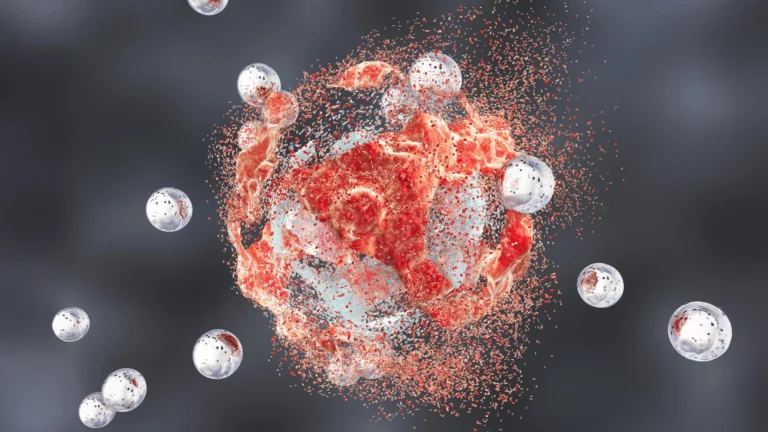
Unlike traditional chemotherapy, which often carries heavy systemic toxicity, gotistobart is an investigational anti-CTLA-4 monoclonal antibody engineered to selectively deplete regulatory T cells within the tumor microenvironment. By eliminating these cells, the drug triggers tumor cell death while potentially minimizing the severe immune-related adverse events often associated with broader immunotherapy approaches.
Chronology of Development and Trial Evolution
The journey of gotistobart to the clinical stage has been marked by strategic development and rapid regulatory recognition.
- 2022: The U.S. Food and Drug Administration (FDA) granted Fast Track designation to gotistobart, reflecting the urgent need for new therapies in the NSCLC space.
- 2023: The developer, BioNTech—widely recognized for its role in the mRNA COVID-19 vaccine partnership—secured Orphan Drug designation for the agent, recognizing its potential to treat a rare and underserved patient subset.
- June 2023 – September 2024: The first stage of the phase III PRESERVE-003 trial was conducted across global centers in the United States, Australia, China, South Korea, and the United Kingdom.
- Current Status: With stage 1 complete, the study has transitioned to a larger, definitive stage 2, currently enrolling patients at 160 global sites. This stage is designed to validate the initial findings across a larger cohort of 478 patients.
The trial design itself underwent refinement during the process. Early on, a subset of patients was randomized to a 3 mg/kg dose; however, this arm was terminated upon the recommendation of the Data Monitoring Committee. The remaining participants were subsequently randomized to receive either gotistobart monotherapy (at a dose of 6 mg/kg following two 10-mg/kg loading doses) or the standard-of-care, docetaxel (75 mg/m²).
Supporting Data: Analyzing Efficacy and Exposure
The efficacy of gotistobart is further supported by an exposure-response analysis, which demonstrated that higher exposure to the drug correlates with improved overall survival. This observation has led investigators to adopt the two-loading-dose regimen of 10 mg/kg, followed by a maintenance dose of 6 mg/kg every three weeks.
While median progression-free survival (PFS) was relatively similar between the gotistobart and docetaxel arms—2.4 months versus 2.6 months, respectively—the data showed a clear trend toward improved outcomes with the immunotherapy (HR 0.69). More importantly, the confirmed objective response rate (ORR) was significantly higher in the gotistobart group at 20%, compared to only 4.8% for the docetaxel cohort.
Safety and Toxicity Profiles
One of the most promising aspects of the PRESERVE-003 data is the safety profile. In the docetaxel arm, toxicity was predominantly hematologic, a hallmark of traditional chemotherapy. In contrast, adverse events (AEs) associated with gotistobart were primarily immune-related or inflammatory.
Grade 3 or higher AEs occurred in 44.4% of patients in the gotistobart arm and 48.8% in the docetaxel arm. The most frequent Grade 3+ event in the gotistobart group was colitis (8.9%), while the docetaxel group saw significant instances of decreased neutrophil count (24.4%). While discontinuation rates due to AEs were slightly higher in the gotistobart group (15.6% vs 4.9%), investigators emphasize that the therapeutic benefit in terms of survival far outweighs the managed risks.
Official Responses and Clinical Perspectives
Dr. Balaraman highlighted the difficulty of treating squamous NSCLC, noting that "it is rare to find targetable mutations in this population." Consequently, many previous attempts to introduce new therapies in this space have failed to produce meaningful results.
The standard of care for patients failing first-line therapy has long been docetaxel, sometimes administered with ramucirumab. However, this standard is marked by modest efficacy, with response rates lingering between 10.5% and 12.7% and overall survival rarely exceeding nine months. The shift to 18.5 months of median survival with gotistobart represents a transformative leap in a clinical environment where "meaningful activity" is often elusive.
BioNTech has remained focused on the robustness of these findings, leveraging the positive results from the stage 1 exploratory phase to move forward with the pivotal stage 2. By targeting the regulatory T cells within the tumor microenvironment, the company believes they have hit upon a mechanism that allows for sustained immune response without the prohibitive toxicity profiles that have hampered other CTLA-4 inhibitors in the past.
Implications for Future Oncology Care
The implications of the PRESERVE-003 trial extend beyond the immediate approval of a new drug; they represent a fundamental change in how we approach "heavily pretreated" populations.
1. Moving Away from Chemotherapy
For decades, patients who progressed on initial therapy were relegated to cytotoxic chemotherapy, which often leaves them physically depleted and immunocompromised. The success of a chemotherapy-free option like gotistobart suggests that immunotherapy could eventually displace docetaxel entirely in the second-line setting for squamous NSCLC.
2. Precision Immunology
Gotistobart’s success demonstrates the power of highly targeted immunotherapy. By focusing on the depletion of regulatory T cells—which act as a "brake" on the immune system—researchers are successfully enabling the body’s own defenses to target tumors more effectively. This "microenvironment depletion" strategy may serve as a template for treating other types of solid tumors that have been resistant to current immune checkpoint inhibitors.
3. The Path to Approval
While it is not yet confirmed when gotistobart will reach the commercial market, the FDA’s early engagement—through both Fast Track and Orphan Drug designations—suggests a supportive regulatory environment. The success of the phase III trial’s stage 1, and the ongoing recruitment for stage 2, indicate that BioNTech is well-positioned to present a comprehensive data package to global health authorities.
4. A Template for Future Trials
The trial design, which utilized an exposure-response analysis to optimize dosing, serves as a high-water mark for future clinical research. By adjusting the protocol in real-time and focusing on the most effective dosing schedule, the researchers were able to extract maximum value from a relatively small patient cohort (91 squamous NSCLC patients).
Conclusion
The results of the PRESERVE-003 trial provide a beacon of hope for patients with squamous non-small cell lung cancer. By nearly doubling the median overall survival compared to current standards and maintaining a manageable safety profile, gotistobart stands out as one of the most promising developments in lung cancer research in recent years.
As the trial progresses into its definitive second stage, the medical community will be watching closely to see if these survival benefits hold firm in a broader, more diverse patient population. Should the results remain consistent, gotistobart is poised to become a foundational element of second-line lung cancer treatment, offering patients not just more time, but a better quality of life through a chemotherapy-free future.