The landscape for treating autoimmune pulmonary alveolar proteinosis (aPAP) may be on the verge of a significant shift. At the American Thoracic Society (ATS) 2026 conference, clinical researchers unveiled compelling data from the IMPALA-2 Phase 3 trial, demonstrating that inhaled molgramostim—a recombinant human granulocyte-macrophage colony-stimulating factor (GM-CSF)—not only targets the physiological roots of the disease but also provides measurable improvements in patient exercise capacity.
For patients suffering from this rare and debilitating respiratory condition, the results offer a glimmer of hope for a future where disease management moves beyond symptom control toward functional recovery.
The Core Findings: Improving Quality of Life Through Exercise Capacity
The IMPALA-2 trial, a double-blind, randomized clinical study, focused on evaluating the efficacy and safety of molgramostim in aPAP patients. The findings presented by BC Trapnell, MD, underscored a multi-dimensional improvement in physical performance. Specifically, the data showed significant progress in three key metrics:
- Increased Walking Distance: Patients treated with molgramostim demonstrated a sustained increase in the distance they could cover during standard exercise testing.
- Extended Exercise Duration: Beyond distance, patients exhibited a greater tolerance for prolonged physical activity, marking a crucial step toward maintaining daily routine.
- Enhanced Peak METs: The study measured peak metabolic equivalents (METs), a gold standard for determining exercise capacity. The consistency of these results across the board suggests that the therapy is addressing the underlying metabolic and respiratory limitations caused by aPAP.
Understanding Autoimmune Pulmonary Alveolar Proteinosis (aPAP)
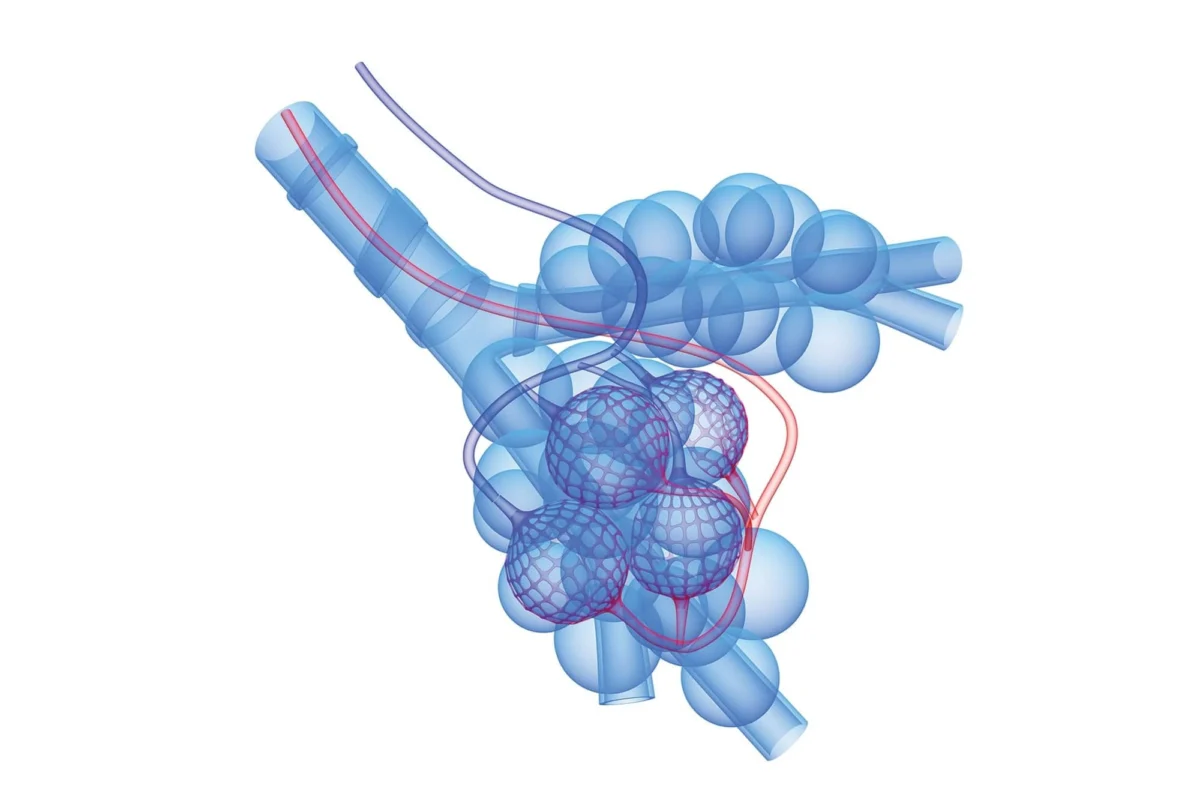
To grasp the significance of these clinical findings, one must first understand the mechanism of aPAP. The lungs rely on a delicate process to maintain clear, functional alveoli—the tiny air sacs where gas exchange occurs.
The Role of Surfactant and Macrophages
In a healthy respiratory system, cells called alveolar macrophages act as the "clean-up crew," clearing out excess surfactant, a complex substance that prevents the lungs from collapsing. This process is triggered and regulated by a signaling protein known as GM-CSF.
The Pathophysiology of aPAP
In patients with aPAP, the body produces autoantibodies that neutralize GM-CSF. Without this critical signal, alveolar macrophages become dormant or dysfunctional. Consequently, surfactant accumulates uncontrollably in the alveoli. This "gunking up" of the lung’s air sacs prevents oxygen from passing into the blood efficiently, leading to the hallmark symptoms of the disease:
- Progressive Dyspnea: A persistent, worsening shortness of breath.
- Chronic Cough: Often productive, reflecting the buildup of material in the lungs.
- Debilitating Fatigue: As oxygen levels in the blood drop, patients find even minor exertion exhausting.
If left untreated, the cumulative impact of this surfactant buildup can lead to chronic lung fibrosis, irreversible damage, and in the most severe cases, the need for a lung transplant.
Chronology: The Path to the IMPALA-2 Data
The journey to these recent findings has been one of rigorous scientific inquiry.
- Pre-Clinical Foundations: Years of research into the GM-CSF signaling pathway established that replacing the missing or neutralized signal could potentially restore macrophage function.
- The Initial IMPALA Study: The first iteration of the IMPALA trial paved the way, identifying the potential of inhaled molgramostim. It provided the necessary safety signals and initial efficacy indicators to warrant a larger, more definitive Phase 3 study.
- The Launch of IMPALA-2: Savara Inc initiated the IMPALA-2 trial to specifically quantify the "real-world" benefits of the therapy. By focusing on exercise capacity, the trial aimed to look beyond simple laboratory markers and capture how the drug affects the patient’s actual ability to live an active life.
- ATS 2026 Presentation: The presentation of the double-blind data marks a pivotal moment, as these results were also validated through publication in a supplement of the American Journal of Respiratory and Critical Care Medicine (AJRCCM). This peer-reviewed verification provides the scientific community with the confidence to evaluate the drug’s potential for regulatory approval.
Supporting Data and Technical Efficacy
The delivery mechanism for molgramostim is as critical as the drug itself. The therapy is administered via the eFlow Nebulizer System, a device specifically calibrated for the inhalation of this protein-based solution. By delivering the medication directly to the site of the disease—the alveoli—the system ensures maximum bioavailability while minimizing systemic exposure.
The IMPALA-2 data suggests that this localized approach is highly effective. In the double-blind period of the trial, the researchers observed that the consistency of improvements in walking distance and duration correlated strongly with the improvements in peak METs. This correlation is statistically significant because it indicates that the drug is not just creating a temporary improvement in breathing, but is likely facilitating a more fundamental restoration of pulmonary function.
Official Perspectives: Translating Science into Real-World Benefit
The leadership at Savara Inc has expressed optimism regarding the potential impact of these findings. Yasmine Wasfi, MD, PhD, chief medical officer at Savara, emphasized the "consistency" of the data as the most striking element of the study.
"We believe the consistency in improvements observed across both exploratory endpoints—distance walked and exercise duration—and our secondary endpoint of exercise capacity, as measured by peak METs, strengthens the overall efficacy picture," Dr. Wasfi noted in a press release.
She further articulated the ultimate goal of the research: "Taken together, these data suggest that molgramostim may translate into real-world functional benefits for aPAP patients." This statement highlights a shift in clinical trial philosophy, moving from purely physiological data to patient-centered outcomes. For the aPAP patient, "real-world functional benefit" means the ability to walk to the store, climb stairs, or play with family members—activities that the disease previously rendered impossible.
Implications: A New Era for Rare Lung Disease?
The implications of the IMPALA-2 trial extend far beyond the drug itself. If approved, molgramostim would represent a targeted, non-invasive therapeutic option for a condition that has historically lacked pharmaceutical solutions, often relying on invasive procedures like whole-lung lavage.
Clinical Management Shifts
If molgramostim becomes standard of care, pulmonologists may be able to intervene earlier in the disease process. By preventing the accumulation of surfactant before it causes irreversible fibrosis, physicians could potentially prevent the need for lung transplants in a significant subset of the population.
The Power of Targeted Therapy
The success of this trial validates the "targeted replacement" model. By identifying the specific missing signal (GM-CSF) and replacing it through an efficient delivery system, scientists have successfully addressed a complex autoimmune deficiency. This model may serve as a roadmap for treating other rare, localized respiratory conditions.
Future Outlook
While the data presented at ATS 2026 is highly encouraging, the medical community will continue to monitor long-term safety and durability of the effect. As the data enters the regulatory review phase, the focus will shift to how quickly this therapy can be brought to market to serve the aPAP patient population.
Conclusion: Bridging the Gap Between Disease and Recovery
The story of the IMPALA-2 trial is a testament to the power of precision medicine. By focusing on the underlying molecular deficit of autoimmune pulmonary alveolar proteinosis, Savara Inc has developed a therapy that offers more than just biochemical normalization; it offers the potential for restored vitality.
As we look toward the future, the integration of molgramostim into the treatment paradigm for aPAP promises to redefine what is possible for patients living with this condition. The data presented at ATS 2026 serves as a definitive milestone, marking the transition from experimental hypothesis to a tangible, life-changing therapeutic reality.
For the thousands of individuals navigating the challenges of aPAP, the promise of improved walking distance, extended exercise capacity, and a reduction in chronic fatigue is not just a statistical improvement—it is a pathway to a more active, fulfilling life. The clinical journey is far from over, but with the publication of the IMPALA-2 results, the path ahead looks clearer, and more hopeful, than ever before.