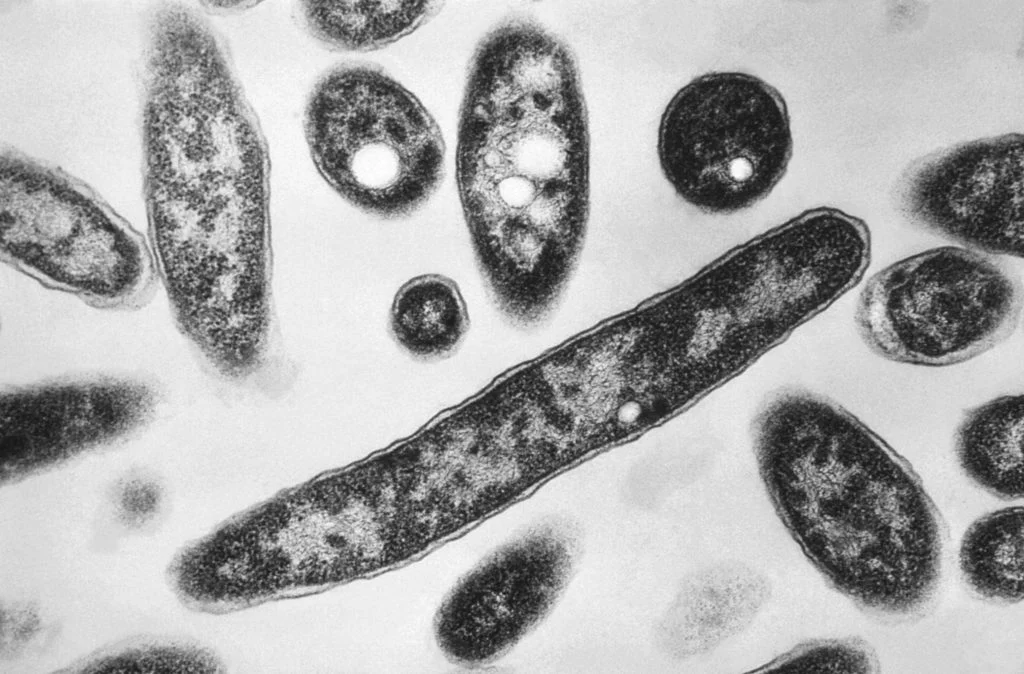
NEW YORK CITY — Public health authorities in New York City have launched an urgent investigation into a mounting cluster of Legionnaires’ disease cases affecting two prominent neighborhoods on the Upper East Side. As of July 6, city health officials confirmed 23 diagnosed cases of the illness, with 17 individuals requiring hospitalization. While no fatalities have been reported to date, the rapid emergence of the cluster has triggered a wide-scale environmental investigation aimed at identifying and neutralizing the source of the Legionella bacteria.
The investigation is currently concentrated on the Carnegie Hill and Yorkville neighborhoods, specifically targeting ZIP codes 10028, 10128, and 10075. Experts believe the outbreak is linked to contaminated cooling towers—large water-based systems typically situated on building rooftops to facilitate climate control and refrigeration.
Main Facts: Understanding the Current Situation
The New York City Department of Health and Mental Hygiene (DOHMH) has moved quickly to reassure the public while maintaining a high level of vigilance. Unlike many other infectious diseases, Legionnaires’ is not contagious; it cannot be transmitted from person to person. Consequently, residents in the affected areas have been told that their daily routines—including drinking tap water, bathing, showering, and utilizing standard air conditioning units—remain safe.
The primary concern for health officials is the inhalation of mist or vaporized water droplets that may contain Legionella bacteria. Cooling towers are the prime suspects in this investigation because they can aerosolize water during their operation. When a cooling tower is poorly maintained or lacks proper chemical disinfection, it creates an ideal, warm environment for the bacteria to colonize and eventually be distributed into the surrounding air.
Chronology of the Investigation
The identification of this cluster began in early July when surveillance data flagged an unusual spike in respiratory illnesses in the Upper East Side.
- Initial Detection: City health data systems identified a higher-than-normal rate of pneumonia-like symptoms among residents in the 10028, 10128, and 10075 ZIP codes.
- Early July: Diagnostic testing confirmed that the illness was indeed Legionnaires’ disease, a severe form of pneumonia. The health department initiated case interviews to map the geographic footprints of the affected individuals.
- Ongoing Environmental Assessment: As of July 6, the DOHMH began a systematic inspection of all cooling towers within the identified "hot zone." The process involves collecting water samples from these towers to test for the presence of Legionella.
- Public Notification: Officials issued an advisory urging anyone who has visited these specific neighborhoods and is currently experiencing symptoms—such as persistent cough, fever, or shortness of breath—to seek immediate medical evaluation.
What is Legionnaires’ Disease?
Legionnaires’ disease is a severe, sometimes life-threatening, form of pneumonia caused by the Legionella bacterium. The bacteria were first identified following a mysterious outbreak in 1976 that afflicted attendees of an American Legion convention in Philadelphia, leading to the disease’s namesake.
The bacteria thrive in warm, standing water. Beyond cooling towers, Legionella can inhabit a wide range of human-made water systems, including:
- Hot tubs and whirlpool spas.
- Showerheads and faucets that have been stagnant for long periods.
- Large building water distribution systems.
- Decorative fountains.
Inhalation of contaminated water droplets is the primary route of transmission. While most people exposed to the bacteria do not fall ill, certain populations face significantly higher risks. According to the Centers for Disease Control and Prevention (CDC), individuals aged 50 and older, current or former smokers, and those with chronic obstructive pulmonary disease (COPD) or weakened immune systems are most vulnerable to severe complications.
Supporting Data and Clinical Implications
The clinical progression of Legionnaires’ disease is rapid and requires swift intervention. Symptoms typically manifest two days to two weeks after exposure. Initial signs often mimic the flu, including headaches, muscle aches, and high fever, which then progress into a severe cough and shortness of breath.
The data regarding mortality is sobering. The CDC reports that approximately one in 10 individuals who contract the disease will die from complications. Without timely diagnosis and the administration of specific antibiotics, the infection can escalate into respiratory failure, septic shock, or multiorgan failure. The World Health Organization (WHO) emphasizes that because the disease mimics other forms of pneumonia, diagnostic delays are common, which is why the city’s current public health messaging is focused on encouraging early medical intervention for those exhibiting even mild symptoms.
Official Responses and Building Management Requirements
The New York City health department is exercising its regulatory authority to ensure all cooling towers in the affected areas are inspected and, if necessary, disinfected. Building owners are held to strict standards regarding the maintenance of these systems.
"Public safety is our absolute priority," a city health spokesperson noted. "We are working diligently to identify the specific source of the bacteria to prevent further exposures."
The WHO recommends that facility managers adopt a robust water management program to minimize the growth of Legionella. This includes:
- Chemical Control: Maintaining appropriate levels of chlorine or other biocides in cooling systems.
- Regular Cleaning: Frequent disinfection of cooling towers to prevent biofilm, a slimy layer where bacteria flourish.
- System Maintenance: Ensuring that stagnant water is eliminated from the system and that filters are replaced according to manufacturer specifications.
- Flushing Protocols: For larger buildings, regularly flushing unused taps to keep water moving and oxygenated.
Implications for the Public
For the average New York resident, the risk remains relatively low, provided that they follow health guidelines. However, the recurring nature of these clusters in urban environments highlights the critical importance of infrastructure maintenance.
While the city conducts its environmental investigation, individuals can take proactive steps to minimize risks at home. This includes:
- Garden Hoses: Draining hoses after use to prevent water stagnation.
- Water Filters: Strictly adhering to replacement schedules to avoid bacterial buildup within the filter media.
- Hot Tubs/Pools: Ensuring that pool and spa water is tested for chemical balance at least weekly.
- Water Heaters: Flushing residential hot water heaters twice a year to remove sediment that can provide a breeding ground for bacteria.
Looking Ahead
As the investigation continues, the focus remains on identifying the specific towers linked to the cluster. Once identified, these systems will undergo deep-cleaning protocols to eliminate the bacteria. The city expects that as these cooling towers are remediated, the incidence of new cases will subside.
For residents in the Upper East Side, the current situation serves as a stark reminder of the complexities of living in a densely populated urban environment. While the city’s infrastructure is designed to be safe, the invisible threats posed by water-borne pathogens necessitate constant, rigorous oversight.
Public health officials have emphasized that there is no need for panic, but there is a need for awareness. The ability to distinguish between common seasonal allergies or a mild cold and the symptoms of Legionnaires’—which persist and worsen—could be the difference in obtaining timely, life-saving treatment.
Residents are encouraged to monitor the city’s health department website for updates as the investigation progresses. For those with concerns about their health or the status of their neighborhood, medical professionals remain the best resource for guidance. As New York City continues to navigate this health challenge, the collaborative effort between building managers, public health inspectors, and informed citizens will be the key to bringing the cluster to a close.
The Associated Press Health and Science Department receives support from the Howard Hughes Medical Institute’s Department of Science Education and the Robert Wood Johnson Foundation. The AP is solely responsible for all content.