








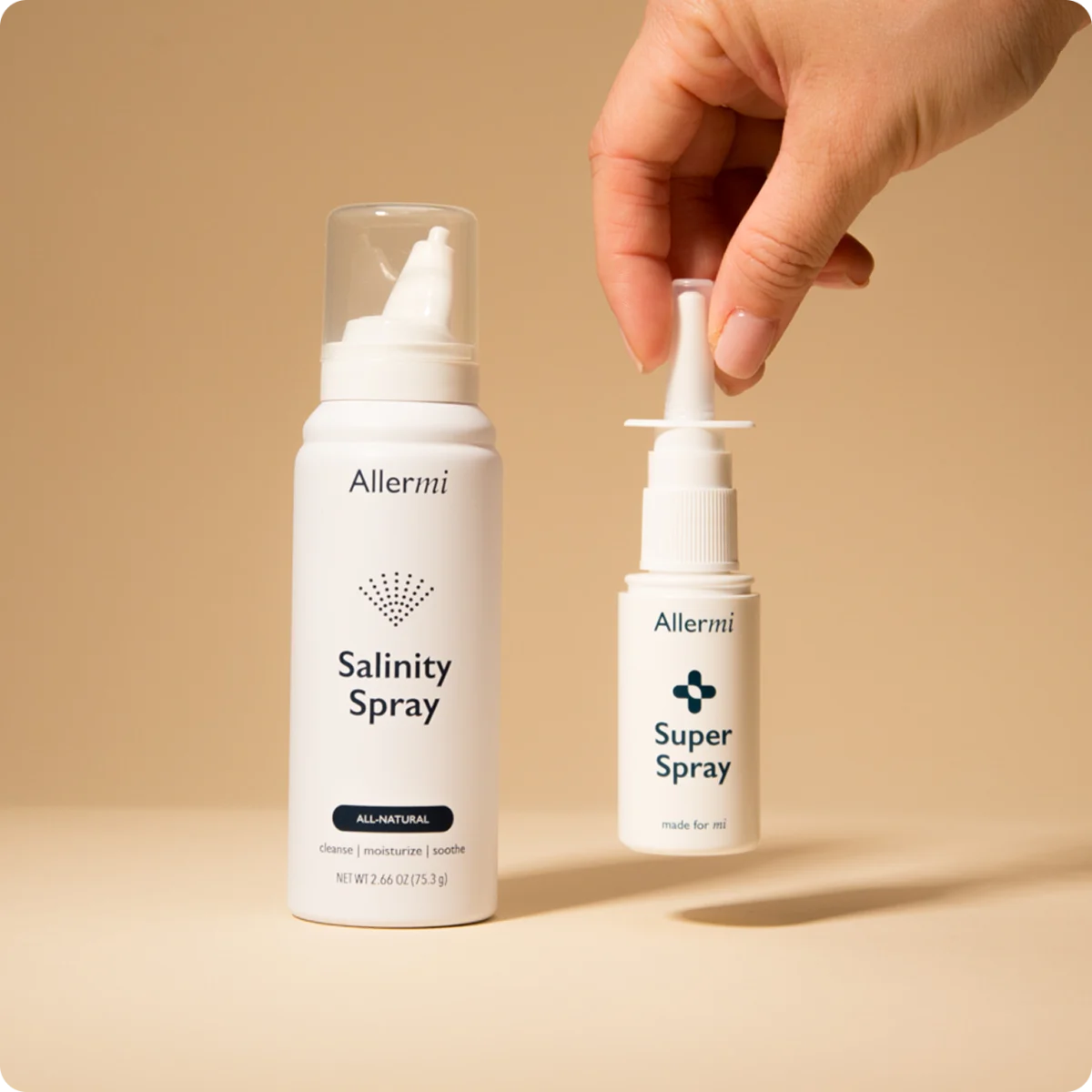
For millions of people living with obstructive sleep apnea (OSA), Continuous Positive Airway Pressure (CPAP) therapy is the gold standard for treatment. However, the efficacy of this life-saving intervention is often undermined by a significant hurdle: patient non-adherence. A new survey conducted by the telehealth company Allermi sheds light on a frequently overlooked culprit behind this struggle—nasal congestion—and suggests that addressing this physical barrier may be the key to keeping patients committed to their sleep therapy.
The Hidden Barrier: Understanding the CPAP Struggle
CPAP therapy functions by delivering a steady stream of pressurized air through a mask, acting as a pneumatic splint to keep the upper airway open during sleep. While clinically proven to reduce the cardiovascular and cognitive risks associated with OSA, the physical experience of wearing a mask can be daunting.
For years, sleep specialists have focused on mask fit, pressure settings, and psychological adjustment as the primary drivers of adherence. However, the survey data from Allermi indicates that the nasal passage itself may be a critical, yet neglected, component of the equation. When a patient’s nasal passages are inflamed or obstructed, the forced air from the CPAP machine can feel like a suffocating pressure rather than a relief. This discomfort often leads to "mask avoidance," where patients struggle to fall asleep or remove the device entirely in the middle of the night.
Key Findings: The Scope of the Problem
The Allermi survey, which polled 112 verified customers between August 28 and September 2, 2026, provides a compelling snapshot of the patient experience. The numbers are striking:
- Pervasive Obstruction: 80% of respondents identified nasal congestion as a primary factor that made it difficult to wear their CPAP mask consistently.
- Near-Abandonment: More than half of the participants (56%) indicated that their congestion was severe enough that they had seriously considered terminating their CPAP therapy before discovering a personalized nasal treatment.
- Post-Intervention Improvement: Following the introduction of a personalized nasal spray into their nightly routine, a significant majority of users reported improved consistency, suggesting that optimizing nasal health is directly proportional to therapy adherence.
While these results are based on self-reported recollections rather than a double-blind clinical trial, they align with a growing body of anecdotal and clinical evidence suggesting that "nasal resistance" is a major deterrent to long-term CPAP usage.
A History of Nasal Health in Sleep Medicine
To understand why this finding is significant, one must look at the evolution of sleep medicine. For decades, the focus of OSA treatment was almost exclusively on the "bottom" of the airway—specifically the soft palate and the base of the tongue. Clinicians were taught that if they could bypass these areas with positive pressure, the patient would sleep soundly.
However, as the field has matured, experts have begun to pivot. Dr. Rafael Pelayo of the Stanford Sleep Medicine Center, a prominent figure in the field, admits that early clinical teaching often failed to account for the nose.
"When I first started my career in sleep medicine, I did not appreciate the importance of nasal breathing," Dr. Pelayo noted in a recent statement. "The early clinical teaching focused more on the soft palate and base of the tongue. But gradually, I began to appreciate more the importance for my sleep apnea patients of having open nasal passages."
This shift in perspective marks a departure from traditional "pressure-only" solutions. By recognizing that the nose is the gateway to the respiratory system, sleep specialists are beginning to integrate nasal care—such as antihistamines, corticosteroids, or customized saline solutions—into the standard CPAP onboarding process.
Official Perspectives and Expert Commentary
The medical community is increasingly taking note of the Allermi findings. Dr. Shuba Iyengar, chief medical officer and co-founder of Allermi, emphasizes that nasal congestion is rarely treated as a part of the CPAP therapy itself, despite being one of the most frequent complaints lodged by patients.
"When patients tell us in their own words that they can finally keep the mask on, that is a signal worth taking seriously," Dr. Iyengar says. "It is why we are investing in more research with sleep medicine partners."
The implication here is a move toward "personalized sleep medicine." Rather than prescribing a one-size-fits-all CPAP machine and expecting the patient to adapt, providers are beginning to look at the patient’s underlying anatomy and physiological barriers—like rhinitis or structural congestion—and creating a multi-modal approach to treatment.
Implications for Clinical Practice and Patient Outcomes
The data suggests that the healthcare industry may need to revise its approach to CPAP adherence. If 56% of patients are considering quitting because of something as treatable as nasal congestion, then clinical protocols should include a proactive assessment of nasal health during the initial CPAP titration study.
1. Proactive Nasal Screening
Clinicians should screen for chronic rhinitis, deviated septums, and allergies before a patient even begins CPAP therapy. If a patient is identified as a "nasal breather" with existing obstructions, addressing these issues simultaneously with the introduction of the mask could prevent early drop-off.
2. The Role of Personalized Telehealth
Telehealth companies like Allermi are filling a gap that traditional primary care often misses. Because these platforms can rapidly iterate and personalize formulas based on patient feedback, they offer a nimble solution to a problem that usually requires multiple trips to an ENT or sleep specialist.
3. Economic and Health Outcomes
The economic implications are massive. CPAP non-adherence leads to untreated sleep apnea, which in turn leads to increased costs associated with heart disease, stroke, hypertension, and workplace accidents. If a simple, personalized nasal spray can boost adherence by even a small margin across the millions of CPAP users worldwide, the public health impact would be profound.
Challenges and Future Research
While the Allermi survey is an encouraging starting point, the scientific community maintains a cautious stance. Because the data is based on retrospective, self-reported metrics, it is susceptible to "recall bias."
Moving forward, the industry requires large-scale, randomized controlled trials (RCTs) to quantify the impact of nasal sprays on Objective Adherence (data pulled directly from the CPAP machine’s modem). If an RCT can prove that personalized nasal therapy increases hours-of-use per night, it could eventually lead to changes in insurance reimbursement guidelines, potentially making such nasal support a standard, covered component of sleep therapy.
Conclusion: A More Breathable Future
The intersection of nasal health and CPAP therapy represents a frontier in sleep medicine. For years, the focus has been on the technology of the mask and the pressure of the air. It is now becoming clear that the most important factor might be the human anatomy receiving that air.
As Dr. Pelayo and Dr. Iyengar suggest, by ignoring the nose, we have been ignoring the foundation of the airway. If we can make the experience of using a CPAP machine as seamless as breathing, we will undoubtedly see a surge in adherence, leading to better sleep, better health, and a better quality of life for the millions struggling with sleep apnea today.
The findings from this survey serve as a wake-up call to the medical industry: the solution to CPAP non-adherence may not be a better machine, but a better-prepared airway. As research continues, we can expect a more holistic approach to sleep apnea treatment—one where nasal comfort is no longer an afterthought, but a pillar of successful therapy.