










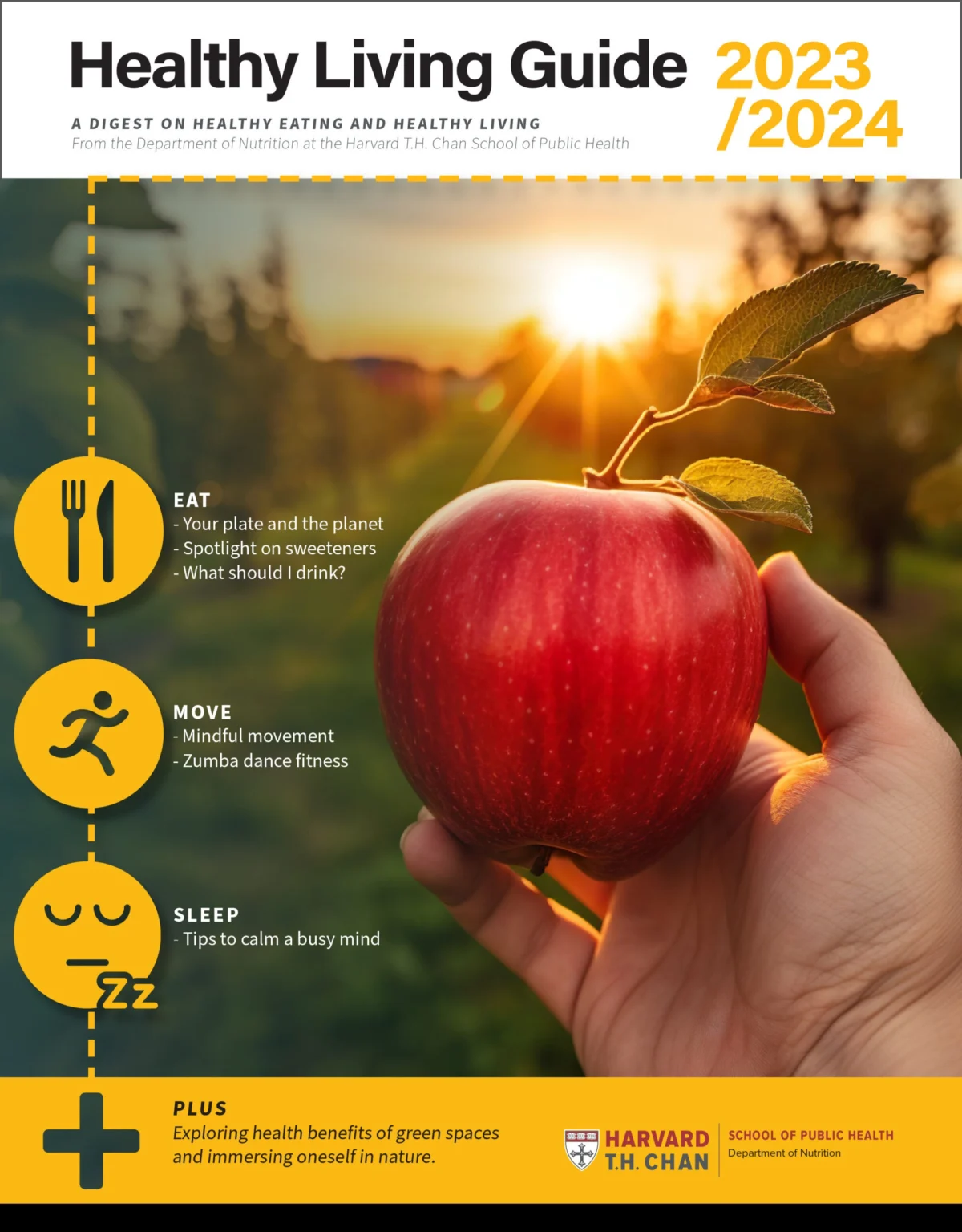
"The apple in your hand is the body of the cosmos." This profound observation by the late Zen master Thich Nhat Hanh serves as the philosophical cornerstone for the fourth edition of the Harvard Department of Nutrition’s Healthy Living Guide. As we navigate the complexities of modern existence, where dietary choices are often dictated by convenience and digital distractions, this latest publication seeks to realign our relationship with sustenance, movement, and rest.
The release of the 2023-2024 edition marks a pivotal moment for the department, coinciding with a broader institutional pivot toward holistic, mindfulness-based public health interventions. This guide is not merely a collection of dietary tips; it is a comprehensive manifesto for sustainable, conscious living in an era of global health challenges.
Main Facts: A Holistic Approach to Wellness
The Healthy Living Guide is designed as an accessible, actionable resource for the public. It synthesizes complex epidemiological data into practical, daily habits. The core premise of this year’s edition is that personal health cannot be disentangled from planetary health.
The Thich Nhat Hanh Center for Mindfulness in Public Health
The most significant development within the Department of Nutrition this past year was the official inauguration of the Thich Nhat Hanh Center for Mindfulness in Public Health. The Center represents a departure from traditional, siloed nutritional research. Instead, it focuses on the intersection of mindfulness and population-wide well-being. By integrating the practice of "mindful eating"—the act of being fully present during meals—the Center aims to combat the modern "fast-food culture" that contributes to obesity, metabolic disorders, and chronic stress.
The Guide’s Core Pillars
The Healthy Living Guide continues to focus on three fundamental pillars that dictate human longevity and quality of life:
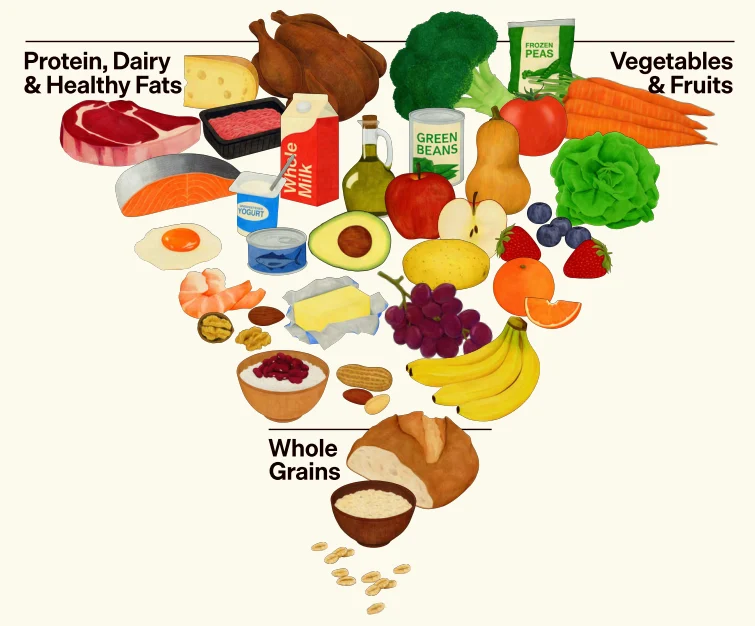
- Nutrition: Beyond the calorie, the guide emphasizes the quality of food, the reduction of ultra-processed items, and the environmental impact of dietary choices.
- Physical Activity: Moving away from the "gym-only" mentality, the guide explores how movement can be integrated into daily life through joyful practices like dance, community-based sports, and consistent, low-intensity activity.
- Sleep: The guide introduces the concept of "chronotypes," helping readers understand their internal biological clocks and how aligning sleep schedules with one’s natural circadian rhythm can lead to significant mental health benefits.
Chronology: A Year of Research and Evolution
The trajectory leading to this publication was defined by an intensive year of inquiry and institutional expansion.
- Early 2023: The Department of Nutrition began an internal audit of its outreach methods, identifying a need for a more integrative approach that addressed the psychological barriers to healthy eating.
- Mid-2023: The official launch of the Thich Nhat Hanh Center for Mindfulness in Public Health provided the theoretical framework for this year’s guide. Researchers began cross-referencing nutritional intake data with mindfulness-based stress reduction (MBSR) outcomes.
- Late 2023: Data collection regarding the impact of ultra-processed foods on cognitive health reached a critical mass, influencing the content of the upcoming guide.
- January 2024: Publication and release of the fourth edition of the Healthy Living Guide. The launch serves as a call to action for the new year, offering printable resources to help individuals track their progress toward personal health goals.
Supporting Data: The Science of Sustenance and Sleep
The Healthy Living Guide relies on peer-reviewed evidence to substantiate its recommendations. Below are the key areas where recent data has shifted the conversation.
The "Ultra-Processed" Crisis
Recent studies highlighted by the Department suggest a strong correlation between the consumption of ultra-processed foods (UPFs) and a decline in mental health. UPFs, characterized by high levels of industrial additives and low nutrient density, are linked to systemic inflammation. The guide provides clear, data-driven alternatives, encouraging readers to pivot toward whole, unprocessed ingredients that provide sustained energy rather than the "sugar crash" associated with modern snacks.
Zumba and the Psychology of Movement
Physical activity is often treated as a chore. The guide highlights research into the efficacy of "enjoyable movement." By examining the physiological response to dance—such as Zumba—researchers have found that when individuals enjoy their physical activity, they are significantly more likely to maintain long-term compliance. The rhythmic, communal nature of dance acts as a "buffer" against the stress of the workday, providing both cardiovascular and mental health benefits.
Decoding Chronotypes
A highlight of this edition is the deep dive into chronotypes—the internal biological classification of whether an individual is an "early bird" or a "night owl." The guide argues that society’s rigid "9-to-5" structure is inherently harmful to a significant portion of the population. By understanding one’s own chronotype, individuals can optimize their sleep hygiene, leading to improved cognitive function, better emotional regulation, and a reduced risk of cardiovascular disease.
Official Responses and Institutional Vision
Leaders within the Harvard Department of Nutrition emphasize that this guide is not a static document but a living resource. Dr. [Name/Representative], lead contributor to the guide, stated:
"We are moving away from the era of ‘dieting’ and into the era of ‘nourishment.’ By integrating mindfulness into our public health recommendations, we acknowledge that the mind and body are not separate entities. Whether it is the apple you eat or the way you choose to move your body, every action is an opportunity to cultivate a healthier relationship with yourself and the planet."
The Thich Nhat Hanh Center for Mindfulness in Public Health is currently spearheading longitudinal studies to see if these mindful interventions, when applied at the community level, can reduce the prevalence of diet-related illnesses in urban environments. The initial findings have been overwhelmingly positive, suggesting that simple mindfulness exercises—such as taking a moment to appreciate the origin of a meal—can significantly decrease impulsive eating behaviors.
Implications: The Future of Global Health
The implications of this guide extend far beyond the individual reader. By advocating for a mindful approach, the Harvard Department of Nutrition is subtly critiquing the current global food system.
Planetary Health
The guide underscores that the most sustainable diet for the human body—one rich in whole plants, nuts, and legumes—is also the most sustainable for the Earth. By reducing reliance on ultra-processed, resource-intensive foods, individuals can lower their carbon footprint. The "cosmic" connection mentioned by Thich Nhat Hanh serves as a reminder that our health is an extension of the environment we inhabit.
A New Standard for Public Health
The integration of mindfulness into a scientific, medical publication is a landmark shift. It suggests that the future of public health policy will likely require a multidisciplinary approach—one that combines biochemistry with psychology, sociology, and environmental science.
Call to Action
The guide concludes with a challenge to its readers: to test their own healthy living knowledge. By revisiting the concepts introduced in previous years and applying the new findings of 2024, the department hopes to empower citizens to take agency over their own well-being.
For those looking to implement these changes, the printable PDF serves as a essential toolkit. It includes:
- Tip Sheets: Quick-reference guides for mindful eating.
- Movement Log: A tool for tracking physical activity that prioritizes enjoyment over intensity.
- Sleep Hygiene Checklist: Practical steps to optimize circadian rhythms.
As we move forward into 2024, the Healthy Living Guide acts as a steady hand, guiding us toward a more conscious, vibrant, and sustainable future. In the words of the department, it is time to treat our health not as a destination, but as a practice—one bite, one step, and one breath at a time.