14 July, 2026
As the landscape of respiratory medicine shifts toward increasingly personalized therapies, Alpha-1 Antitrypsin Deficiency (AATD) remains a critical focus for clinicians and researchers worldwide. To address the complexities of this genetic condition, the European Respiratory Society (ERS) is set to host its premier AATD Conference—a two-day event designed to translate high-level scientific inquiry into tangible patient care.
Main Facts: A Convergence of Expertise
The upcoming ERS Alpha-1 Antitrypsin Conference is structured as an intensive, two-day summit for respiratory professionals, researchers, and patient advocates. With the field of AATD evolving rapidly due to breakthroughs in genetic therapies and international data registries, the conference serves as the definitive platform for knowledge exchange.
The event is designed to bridge the gap between bench science and bedside practice. By gathering global experts, the conference offers a curriculum that balances theoretical breakthroughs with the practical, real-world diagnostic hurdles that clinicians face in their daily practices. The primary objective is twofold: to disseminate the latest research findings and to foster a collaborative environment that improves long-term outcomes for those living with AATD.
Chronology of the Field: The Path to 2026
To understand the gravity of the upcoming conference, one must look at the recent trajectory of AATD research.
- The Early 2020s: The field saw a surge in the utilization of global research registries, such as the European Alpha-1 Research Collaboration (EARCO). These databases allowed for the first time a granular look at the clinical manifestation of AATD across diverse populations.
- 2024: Industry interest in AATD peaked as several phase-two and phase-three clinical trials began showing promise in stabilizing lung function and addressing the liver-related complications associated with the Z-allele.
- Early 2026: The medical community identified a critical need for standardized, international guidelines to manage the diagnostic delay often associated with AATD.
- 14 July, 2026 (Announcement): ERS confirms the final program for the summit, signaling a shift toward integrated care models where stakeholders—industry, patients, and clinicians—work in tandem.
Supporting Data: Why This Field Demands Focus
AATD is often described as an "under-recognized" condition. Despite being a common genetic cause of emphysema and liver disease, diagnostic delays remain a significant obstacle.
Recent data suggests that the "diagnostic odyssey" for an AATD patient can span years. The conference aims to address this by providing data-driven sessions on:
- Registry Expansion: Leveraging the EARCO network to identify phenotypic clusters in patients, which can inform targeted therapy.
- Therapeutic Pipeline: Reviewing the latest advancements in augmentation therapy and novel gene-silencing technologies.
- Bronchiectasis Dynamics: Addressing the contentious link between AATD and bronchiectasis, an area where recent research has provided conflicting, yet vital, data.
Official Perspectives: Co-Chair Prof. Alice Turner on the "Why"
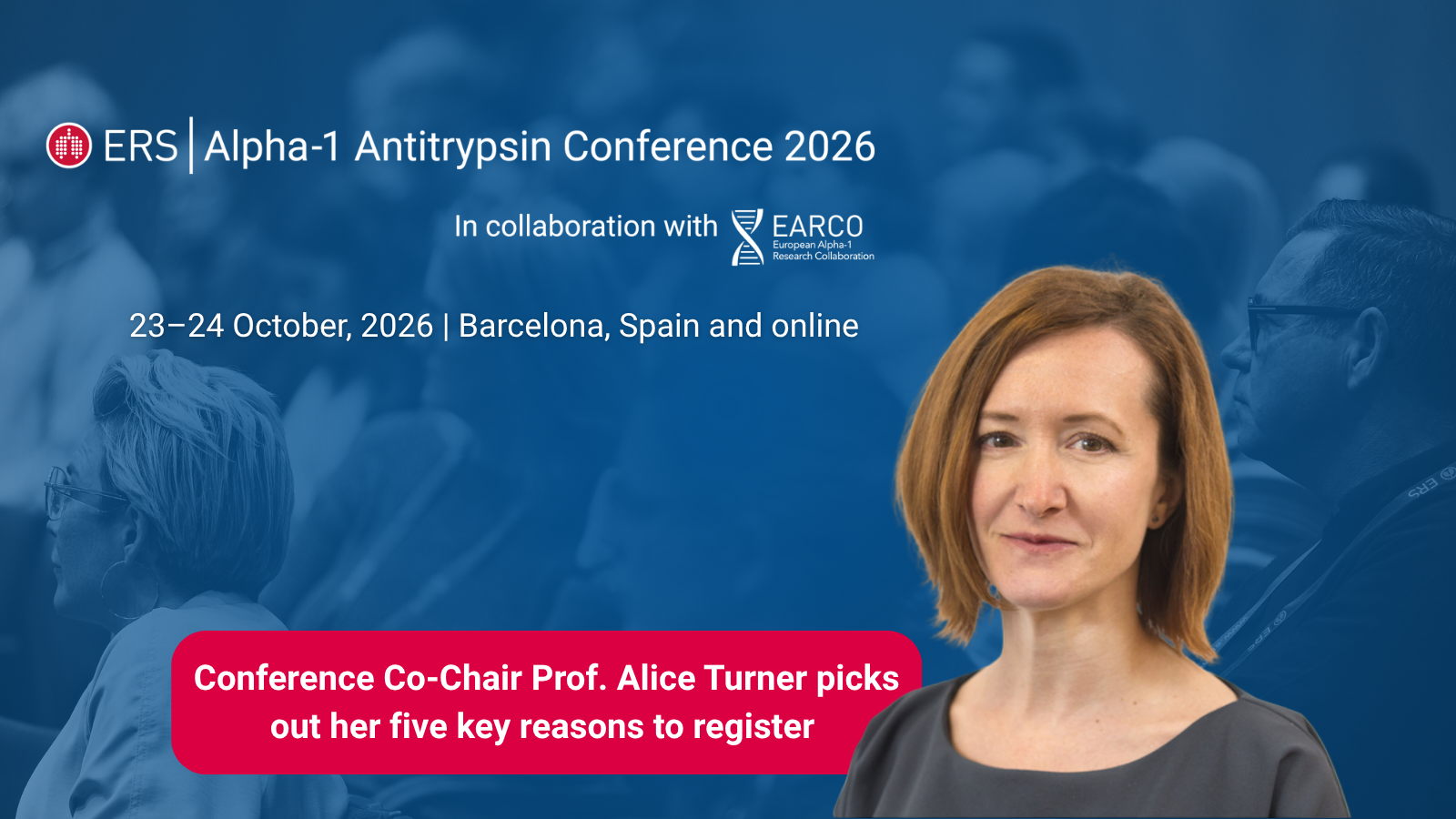
Prof. Alice Turner, Co-Chair of the conference, emphasizes that the event is more than a standard academic gathering. According to Prof. Turner, the value of the conference lies in its accessibility and its intimacy.
"All major AATD research groups will be present," says Prof. Turner. "This is not just a lecture series; it is a focused update on a rapidly evolving science. The scale of the meeting is intentional. By keeping the attendance focused, we allow for the kind of in-depth, meaningful discussions that don’t occur at larger, more impersonal congresses."
For early-career professionals, Prof. Turner highlights that the conference serves as a gateway to the broader respiratory research community. "The atmosphere is curated to be welcoming. We are specifically looking to connect the next generation of researchers with members of the EARCO committee to explore placements in expert centers. These are the connections that define a career in rare disease research."
Implications for the Future of AATD Care
The implications of this conference extend far beyond the two days of sessions. The organizers have prioritized "hot topics" that directly affect patient care, specifically through the use of debate-style formats.
The Debate on Bronchiectasis
One of the most anticipated segments is the pro-con debate regarding AATD and bronchiectasis. As clinicians struggle to determine whether AATD is a causal factor or a comorbid condition in bronchiectasis patients, this session aims to parse out the current consensus. Such debates are essential for establishing evidence-based protocols that doctors can take back to their clinics immediately.
A Stakeholder-Centered Approach
The most profound implication of the 2026 conference is the inclusion of the patient perspective. In previous decades, the development of treatments for rare diseases was often siloed. The 2026 ERS program explicitly unites healthcare providers, charities, and industry partners. This integration is designed to highlight the societal importance of AATD, ensuring that once a treatment is proven effective, the path to patient access is streamlined.
Engaging with the Future: Practical Details
For professionals aiming to refine their clinical practice, the conference serves as a critical professional development milestone. The program is meticulously crafted to ensure that attendees walk away with:
- Diagnostic Precision: Refined techniques for identifying AATD in primary care and specialized pulmonary settings.
- Global Networking: Direct lines of communication with the European Alpha-1 Research Collaboration.
- Strategic Insight: An understanding of the therapeutic landscape for the next five years.
As the scientific community prepares for this meeting, the message from the ERS is clear: the advancement of AATD care is no longer a solitary effort. It is a collective, multidisciplinary endeavor. By integrating the insights of leading experts with the enthusiasm of early-career clinicians, the 2026 ERS Alpha-1 Antitrypsin Conference is poised to be a landmark event in the history of respiratory medicine.
How to Participate
For those looking to secure their spot, registration is currently open via the official ERS portal. Attendees are encouraged to review the full conference program ahead of time to identify specific sessions—ranging from molecular pathology to patient advocacy—that align with their professional goals.
- Register for the ERS Alpha-1 Antitrypsin Conference: Official Portal
- Review the Full Programme: Conference Agenda
The future of AATD management is being written now. Whether you are a seasoned researcher or a clinician seeing your first case of suspected Alpha-1, the 2026 ERS Conference provides the evidence, the network, and the momentum necessary to move the field forward. As we look toward the event in the coming months, the focus remains on one ultimate goal: better outcomes for every patient living with AATD.