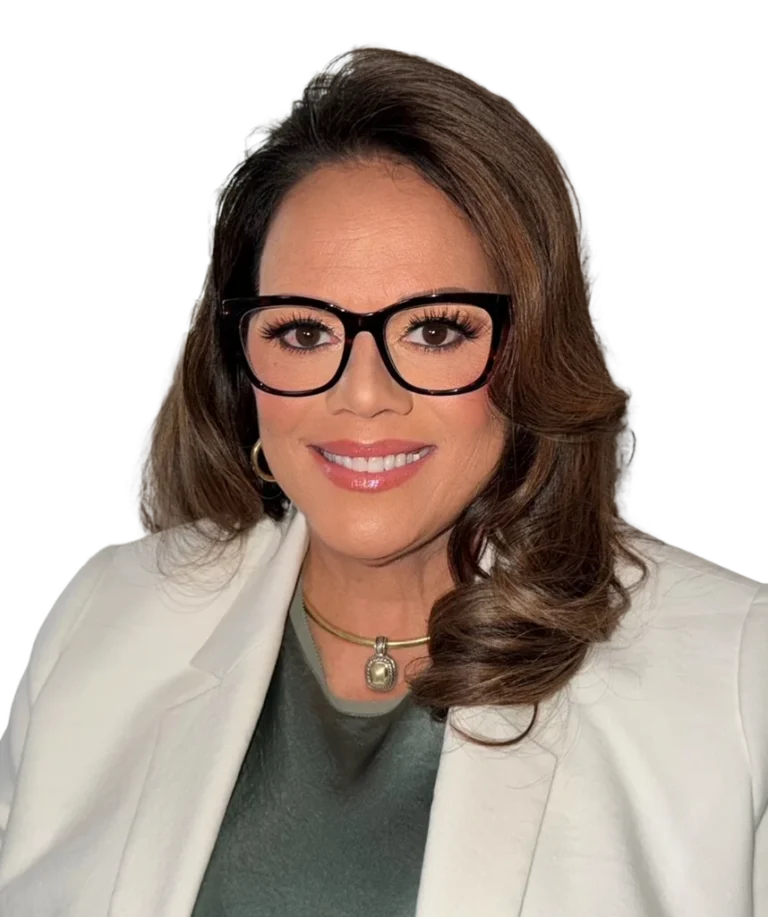
In a nation where the demographic tide is shifting toward an older population, a quiet crisis is unfolding within our very walls. As we celebrate Older Americans Month and National Home Modification Month this May, the "Caregiving Club On Air" podcast, hosted by renowned gerontologist, author, and CEO Sherri Snelling, has brought a critical issue to the forefront: the persistent disconnect between modern residential architecture and the reality of aging.
In the latest episode, Snelling sat down with Sean Fitzgerald, President of TruBlueAlly, to discuss the urgent need for universal design. Their conversation centers on a staggering statistic that serves as a wake-up call for homeowners, caregivers, and policymakers alike: of the 100 million homes currently in the United States, a mere 1% incorporate universal design features.
This architectural oversight creates what Snelling famously termed "Peter Pan Home Syndrome"—a concept she explored in her book ME TIME MONDAY. It refers to the pervasive tendency to build and maintain homes as if the occupants will never grow old, ignoring the inevitable physical changes that accompany aging.
The State of the Nation: Understanding the 1% Gap
The disparity between the design of our homes and the needs of our aging population is not merely a matter of convenience; it is a fundamental safety issue. As life expectancy increases, the demand for housing that can adapt to reduced mobility, vision impairment, and chronic health conditions has skyrocketed. Yet, the housing stock remains stubbornly static.

The "Peter Pan Home Syndrome" Defined
The term "Peter Pan Home Syndrome" is a poignant metaphor for our societal denial of aging. Most homes are designed for the "ideal" young, able-bodied user. Doorways are often too narrow for walkers or wheelchairs; bathrooms lack the structural support for grab bars; and multi-story floor plans become hazardous obstacles for those with balance issues.
During their discussion, Fitzgerald and Snelling emphasized that these are not just "senior issues." Universal design—features that make a home accessible and usable by everyone, regardless of age or ability—benefits families with young children, people recovering from temporary injuries, and anyone planning for long-term residency.
Chronology of a Movement: From Advocacy to Action
The push for better home modification has evolved from a niche concern for occupational therapists into a broad-based movement involving urban planners, gerontologists, and service providers like TruBlueAlly.
- Early 2000s: The "Aging in Place" movement gains momentum as research confirms that the vast majority of older adults prefer to remain in their own homes rather than move into assisted living facilities.
- 2010s: The rise of the "Sandwich Generation"—caregivers who are responsible for both their children and their aging parents—highlights the strain of maintaining non-accessible homes.
- 2020-2025: The COVID-19 pandemic accelerates the desire for home-based care. The focus shifts toward "Smart Home" technology and professional modification services that prioritize safety and independence.
- May 2026: Older Americans Month and National Home Modification Month coincide, serving as a national platform for organizations like the Caregiving Club to drive policy discussions and community awareness regarding residential safety.
Supporting Data: The Cost of Inaction
The statistics surrounding home safety are sobering. According to the National Council on Aging, falls are the leading cause of fatal and non-fatal injuries among older Americans. Each year, millions of older adults fall, and while not every fall is preventable, many are directly tied to environmental hazards within the home.

The Economic and Human Toll
- The 1% Reality: With only 1% of homes featuring universal design, 99% of our housing stock is effectively "pre-disabled," requiring expensive, reactive renovations once a health crisis occurs.
- Financial Impact: The cost of retrofitting a home after a fall or a sudden health decline is significantly higher than integrating accessibility features during routine renovations or at the time of construction.
- The Mental Health Connection: Beyond physical safety, the inability to navigate one’s own home leads to increased social isolation, depression, and a loss of autonomy—all of which accelerate the decline in an older adult’s health.
Official Perspectives: The TruBlueAlly Approach
Sean Fitzgerald’s work with TruBlueAlly is rooted in the philosophy that home modification should be proactive, not reactive. By providing specialized services that focus on fall prevention, safety upgrades, and home maintenance, TruBlueAlly aims to bridge the gap between where our homes are and where they need to be.
"We are not just changing homes; we are extending the quality of life," Fitzgerald noted during the podcast. His organization emphasizes that the goal is to make homes "smarter" and "safer" without sacrificing the aesthetic warmth of a family residence. This involves everything from installing high-contrast lighting to improve visibility for those with cataracts, to widening thresholds and upgrading flooring to prevent trips.
The Digital Transformation of Caregiver Support
As the Caregiving Club moves into its 6th season, it has hit a major milestone: ranking #3 among the Top 80 caregiving podcasts globally, according to Feedspot. This recognition underscores the growing hunger for high-quality, actionable information in the caregiving community.
To meet this demand, the Caregiving Club has expanded its digital footprint. The "Caregiving Club On Air" podcast now serves as a primary hub for expert interviews, while a new YouTube channel, "Caregiving Club News," has been launched to provide bi-weekly updates. This shift acknowledges that caregivers are increasingly turning to visual and short-form media to stay informed while juggling the immense responsibilities of caregiving.

Implications for the Future: A New Standard of Living
The implications of failing to address the "Peter Pan Home Syndrome" are vast. If we do not begin to prioritize universal design in new construction and renovation incentives, we face a future where millions of older adults are effectively "trapped" in homes that have become prisons of potential danger.
1. The Policy Shift
There is a growing need for government incentives, such as tax credits for homeowners who undergo "aging-in-place" renovations. Local municipalities should consider updating building codes to require at least "visitability" standards—such as one zero-step entry and wider doorways—in all new residential construction.
2. The Cultural Shift
We must move away from the idea that "accessible" means "clinical." Modern design, as discussed in Snelling’s work on biophilic design, proves that features like better lighting, ergonomic layouts, and nature-connected spaces are inherently more comfortable for everyone.
3. The Resource Ecosystem
Organizations like the Elder Care Locator (1-800-677-1116) and platforms like TruBlueAlly are essential. However, the burden also falls on families to start these conversations before a medical emergency occurs. Proactive planning—assessing a home for safety while a parent is still mobile—is the single most effective way to preserve independence.

Conclusion: Taking Action Today
As we look toward the remainder of this year, the message from the Caregiving Club and its partners is clear: we have the knowledge, the technology, and the resources to make our homes safer. What we lack is a universal sense of urgency.
Whether you are a caregiver for an aging loved one, or simply a homeowner planning for your own future, the "Peter Pan" mentality is no longer a viable strategy. By embracing the principles of universal design, we can ensure that our homes remain sanctuaries of health and comfort, regardless of the stage of life we are in.
For those looking to take the first step, we encourage you to explore the following resources:
- TruBlueAlly: For professional home modification services.
- Elder Care Locator: To find local government-sponsored support.
- Caregiving Club YouTube Channel: For ongoing education on wellness, design, and caregiving strategies.
By listening to experts like Sean Fitzgerald and engaging with the community curated by Sherri Snelling, we can begin to turn the tide, moving from a culture that hides from aging to one that designs for it with dignity and foresight.