Introduction: A New Paradigm in Oncology
The landscape of cancer treatment is undergoing a seismic shift. As artificial intelligence (AI) transitions from a theoretical research tool to a clinical reality, the necessity for human-centric design has never been more pressing. On May 19–20, 2026, the OPTIMA consortium convened in Brussels for its Annual General Meeting, marking a pivotal moment in the integration of patient advocacy and advanced machine learning.
The OPTIMA (Optimal Treatment of Patients with Solid Tumours in Europe) project, an ambitious, EU-funded initiative, is currently spearheading the development of AI-driven decision-support systems for breast, prostate, and lung cancers. However, the Brussels summit served a purpose beyond technical updates; it underscored that for AI to be truly "optimal," it must be built in partnership with the very people it intends to serve. By placing the Public/Patient Advisory Board (PPAB) at the heart of the dialogue, the consortium is setting a new international standard for transparency, trust, and co-creation in digital health.
The Chronology of Collaboration
The Brussels meeting was the culmination of months of intensive preparatory work by the OPTIMA consortium. To understand the significance of this event, one must look at the timeline of the project’s engagement strategy:
- Phase I (Foundation): Establishing the PPAB to ensure that patient advocates are embedded in the project’s governance, communication strategies, and technical tool development.
- Phase II (Data Gathering): Conducting the European Lung Foundation (ELF) patient survey on digital tools, which identified key concerns regarding privacy, transparency, and the "black box" nature of algorithmic decision-making.
- Phase III (The Brussels Summit, May 2026): The focal point of the current strategy. The meeting served as a forum for stakeholders to reconcile technical capability with the lived experiences of patients.
- Phase IV (Future Integration): The ongoing process of translating these deliberations into actionable "human-in-the-loop" clinical frameworks for oncology departments across the EU.
Main Facts: The Intersection of Data and Human Care
At the core of the OPTIMA project is a simple but profound objective: utilizing massive datasets to provide clinicians with real-time, evidence-based recommendations. However, the Brussels sessions highlighted that the "data-to-decision" pipeline is not merely a technical challenge—it is an ethical one.
The consortium is focusing on three primary cancer types, each requiring a tailored approach to AI integration:
- Breast Cancer: Leveraging predictive modeling to optimize adjuvant therapy and minimize long-term side effects.
- Prostate Cancer: Utilizing AI to refine diagnostic accuracy and help clinicians navigate complex treatment pathways.
- Lung Cancer: Integrating longitudinal data to improve early intervention strategies and personalize immunotherapy regimens.
The most critical takeaway from the meeting was the consensus that AI must act as a supplement, not a substitute. The participants emphasized that while AI can process thousands of clinical studies in seconds, it lacks the empathetic capacity and nuanced judgment required to navigate the existential and psychological complexities of a cancer diagnosis.
Supporting Data: What Patients Want from AI
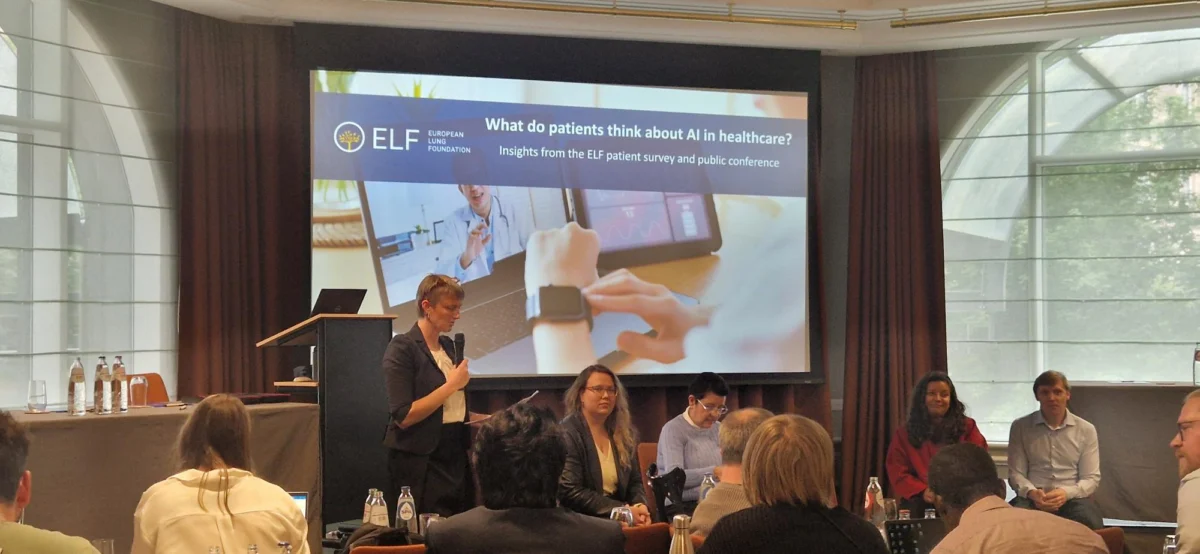
The session titled "From data to decisions: patient perspectives on AI in cancer care" synthesized findings from several recent high-level workshops and the ELF patient survey. The data revealed a clear hierarchy of patient needs:
- Transparency over Complexity: Patients expressed a strong desire to understand why an AI tool suggests a specific treatment pathway. A lack of interpretability in AI models breeds distrust.
- Human Oversight: The requirement for a human-in-the-loop is non-negotiable. Patients want the final decision-making power to remain in the hands of their oncology team.
- Real-time Access: A major point of excitement is the prospect of AI providing real-time updates on clinical trial availability and the efficacy of novel, personalized therapies, effectively shrinking the gap between laboratory research and bedside application.
- Data Security: Consistent with European values under the GDPR, there is an unwavering demand for the ethical handling of personal health data.
Official Responses: The Voice of the Patient
The panel discussion featured Ximena Montano, representing Europa Donna and the PPAB. Her contributions provided a sobering yet optimistic perspective on the trajectory of the OPTIMA project.
"It was clear that patients do favour the use of AI, but in conjunction with members of the medical profession," Montano stated during the panel. "It was deemed important that conversations regarding treatment options and decisions should be made with the participation of the specialised professional, such as an oncologist, and AI."
Montano’s testimony highlighted the dual nature of AI in the eyes of the patient community. On one hand, there is a palpable excitement regarding the potential for AI to democratize access to cutting-edge information. On the other, there is a protective instinct regarding the sanctity of the doctor-patient relationship. Her final reflection on the AGM emphasized the success of the consortium: "The OPTIMA Consortium AGM demonstrated the significant advances regarding the creation of a platform designed for the participation of cancer patients, their clinical teams, and AI to enhance their health care."
Implications: The Future of Oncology
The implications of the Brussels meeting extend far beyond the OPTIMA project itself. As healthcare systems globally look toward AI to manage the rising burden of cancer, the "OPTIMA model" of co-creation offers a blueprint for success.
1. The Erosion of the "Black Box"
The pressure from patient advocates to understand AI outputs is forcing developers to prioritize "explainable AI" (XAI). In the coming years, we can expect to see software that provides not just a recommendation, but a "rationale report" that clinicians can share with patients during consultations.
2. Democratization of Information
AI-driven platforms will eventually allow patients to access their own clinical data alongside insights from global research. This could effectively empower patients to become more active participants in their own care, shifting the dynamic from passive recipient to informed partner.
3. Safety and Regulation
The emphasis on safety discussed in Brussels reinforces the need for rigorous regulatory frameworks. The OPTIMA consortium is essentially creating a sandbox where AI tools can be tested, validated, and refined before being rolled out to wider clinical practice. This methodical approach is crucial to preventing the premature deployment of unproven technologies.
Conclusion: A Collaborative Road Ahead
The OPTIMA Annual Meeting in Brussels proved that the most sophisticated AI algorithm is useless if it does not earn the trust of the patient. By fostering a culture where researchers, oncologists, and patients sit at the same table, the consortium is ensuring that the future of oncology is not just high-tech, but high-touch.
As AI continues to weave itself into the fabric of healthcare, the lessons from the PPAB sessions serve as a guiding light. Innovation, when divorced from human experience, risks becoming obsolete. But innovation, when guided by the lived realities of those facing cancer, holds the potential to transform medicine into a truly personalized, equitable, and effective practice.
The journey toward AI-enabled cancer care is long and complex, but the Brussels summit has made one thing clear: the patient’s voice is the most important data point of all.
About the OPTIMA Project
The OPTIMA project is a landmark EU-funded initiative dedicated to the development of an interoperable, evidence-based, and patient-centric AI platform for oncology. By integrating real-world data and advanced computational models, the project aims to improve the standard of care for lung, breast, and prostate cancer patients across Europe. For more information, visit the official OPTIMA website.