In the rapidly shifting landscape of modern medicine, the boundary between the "wet lab"—the traditional domain of test tubes and biological samples—and the "dry lab"—the world of algorithms and high-performance computing—is dissolving. As oncology research becomes increasingly defined by massive, multi-dimensional datasets, the Cancer Research Institute (CRI) is spearheading a movement to ensure the next generation of scientists is fluent in both.
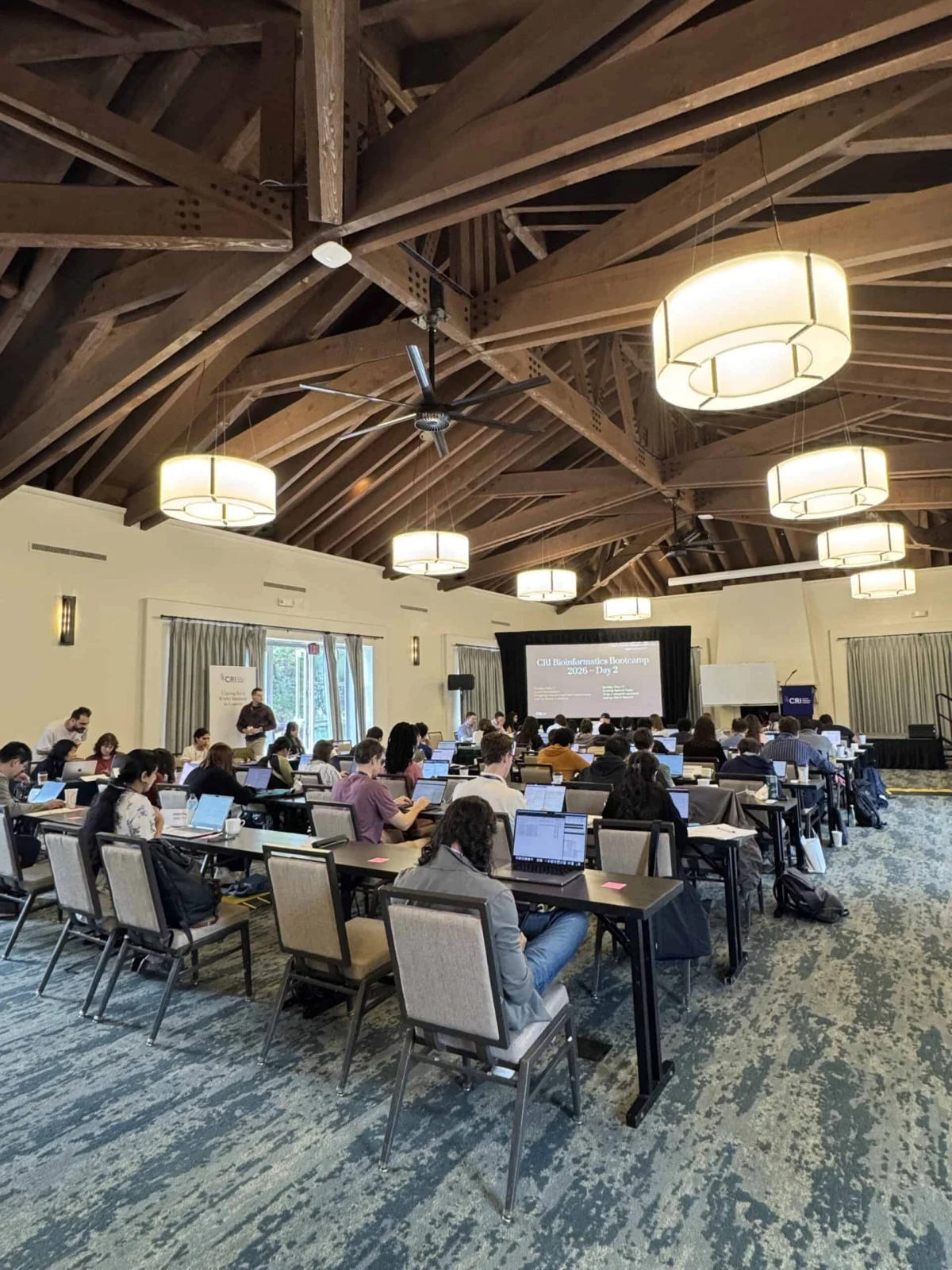
From May 16 to 22, 2026, the La Cantera Resort in San Antonio, Texas, served as the epicenter for this intellectual transformation. More than 50 fellows and students gathered for the third annual CRI Bioinformatics Bootcamp, an intensive, hands-on program designed to equip emerging researchers with the computational arsenal necessary to decode the complexities of cancer immunotherapy.
The Convergence of Biology and Big Data: Core Objectives
The Bioinformatics Bootcamp is not merely a workshop; it is an immersive pedagogical intervention. Its primary objective is to bridge the gap between experimental biology and data science. In an era where a single experiment can generate terabytes of genomic, transcriptomic, and proteomic data, the ability to extract actionable insights from that information is no longer an optional skill—it is a requirement for survival in academia and industry.
The program focuses on the technical pillars of modern immunology and oncology research, including:
- Next-Generation Sequencing (NGS) Analysis: Decoding the blueprint of tumor mutations and immune responses.
- Single-Cell Technologies: Mapping the heterogeneity of the tumor microenvironment at the level of individual cells.
- Advanced Data Visualization: Translating complex matrices into biological narratives.
- Computational Workflows: Standardizing data processing to ensure reproducibility and rigor.
A Chronology of Collaboration
The week-long residency in San Antonio was meticulously structured to balance high-level instruction with personalized mentorship.
Days 1–2: Foundations and Frameworks
The initial sessions focused on establishing a common language among attendees, many of whom arrived with diverse scientific backgrounds and varying levels of computational literacy. Faculty emphasized the importance of building robust, reproducible workflows, ensuring that the "big data" being generated could withstand the scrutiny of peer review.
Days 3–4: Deep Dives and Specialized Modalities
Mid-week sessions shifted to the practical application of NGS and single-cell analysis. Participants moved from theoretical models to working directly with their own datasets, often in one-on-one consultations with the five lead bioinformatics experts who anchored the program.
Days 5–7: The Frontiers of Innovation
The final days were dedicated to emerging trends. New additions to the curriculum—including roundtables on grant planning for computational projects, the ethics of coding reproducibility, and an exploration of Artificial Intelligence (AI) in research—marked the evolution of the program. Evening sessions provided an informal space for attendees to discuss the "next frontier," such as advanced Python scripting and the potential for AI-driven diagnostic tools.
The Expert Perspective: Evolving with the Technology
The faculty guiding this year’s cohort brought significant continuity to the program. Four of the five lead instructors have participated since the Bootcamp’s inception, a factor that has allowed the curriculum to mature in tandem with the field of bioinformatics itself.
"When we started the bioinformatics bootcamp just three years ago, we really focused on the basics and the fundamentals of programming," noted Dr. Katie Campbell, a lead faculty member. "With the rapid pace of technology, there’s a rapid pace of the tools available to analyze. We have to think about how we accelerate not just the discovery but the analysis, without taking away the necessary thought processes that have to be intrinsic to the fellows as they take on this research."
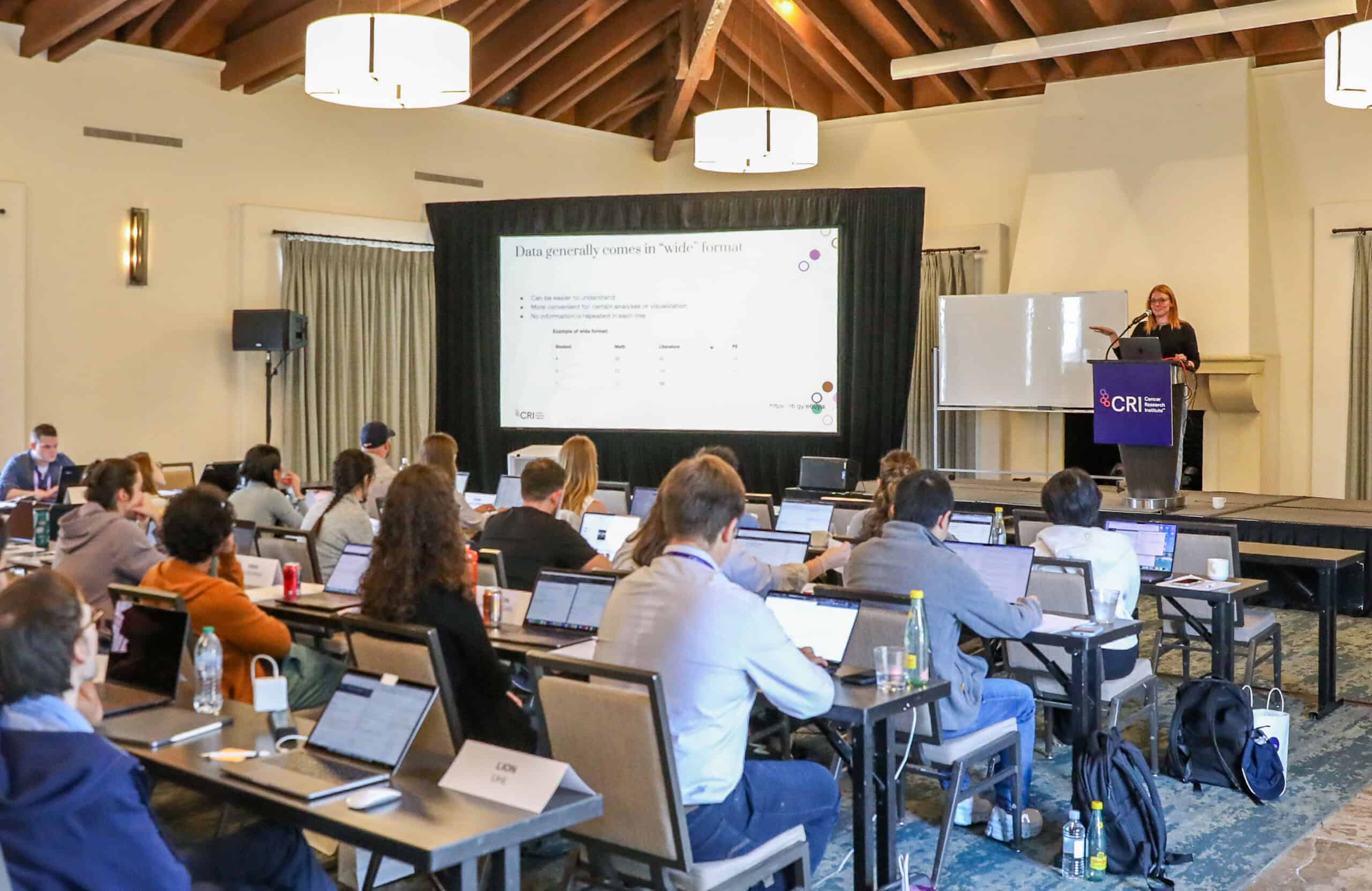
This sentiment is echoed by the Teaching Assistants (TAs), who act as the frontline of support for the fellows. Christie Chang, a TA at the event, highlighted the symbiotic relationship between human inquiry and computational power. "The Bootcamp is bridging the gap across two fields," Chang stated. "We’re only learning about cancer because we were able to extend lifespans, and we want to keep extending them. Technology advances so that we can live longer."
Supporting Data: Why Computational Literacy Matters
The demand for this training is underscored by the current state of clinical research. According to industry data, the volume of biological data produced annually is growing at an exponential rate, yet the number of researchers trained to handle such datasets has not kept pace.
The Bootcamp serves as a direct response to this "computational bottleneck." By providing participants with the tools to work with multimodal data, the program is effectively shortening the time between data collection and clinical application. As Dr. Maryam Pourmaleki, another TA at the event, explained: "Scientists who have phenomenal training in the wet lab now need to analyze bigger, multimodal data they’re generating. The Bootcamp is giving those scientists the necessary tools to navigate this transition."
Implications for the Future of Immunotherapy
The implications of the CRI Bioinformatics Bootcamp extend far beyond the walls of the La Cantera Resort. By demystifying bioinformatics and fostering a collaborative environment, the program is cultivating a generation of "bilingual" scientists—researchers who are as comfortable at a lab bench as they are at a command line.
Democratizing Access to Advanced Analysis
One of the most significant impacts of the program is its emphasis on accessibility. By offering small-group roundtables, the CRI ensures that every participant, regardless of their starting point, can develop a roadmap for their career. Whether they are interested in academic tenure, industry partnerships, or grant writing, the attendees are provided with the framework to integrate computational biology into their long-term professional goals.
The Human Element in an AI-Driven World
Interestingly, the Bootcamp serves as a vital counterbalance to the rising tide of generative AI. While AI tools are becoming ubiquitous in research, the CRI program emphasizes the importance of systematic learning over quick-fix solutions.
"It’s just such an amazing opportunity offered by CRI to really help learn all of the informatics skills more systematically, rather than just chatting with an AI engine," remarked Dr. Jia Yu (Jennifer) Ye, a CRI Immunoinformatics Postdoctoral Fellow. This distinction is critical: true scientific discovery requires a deep, fundamental understanding of the underlying logic, which is exactly what the Bootcamp aims to instill.
Conclusion: A Network of Innovators
As the 2026 Bootcamp concluded, participants left San Antonio not just with a new set of software skills, but with a robust professional network. The "zoom out" effect—the ability to see one’s individual research project as part of a larger, data-driven ecosystem—is perhaps the most valuable takeaway for the fellows.
As Dr. Tara Muijlwijk, a CRI Dr. Keith Landesman Memorial Fellow, observed, "The Bootcamp is a great way to zoom out and to think about what I’m doing, why I’m doing this, and also to connect with other people, which is super important in research."
Ultimately, the CRI Bioinformatics Bootcamp is more than a week of instruction; it is a long-term investment in the infrastructure of cancer research. By empowering scientists to harness the power of data, the Cancer Research Institute is ensuring that the next generation of breakthroughs in immunotherapy will be driven by rigorous, informed, and collaborative inquiry. As technology continues to advance, these researchers will stand at the vanguard, using every tool at their disposal to transform how we understand, diagnose, and treat the most complex diseases of our time.