










The landscape of sleep medicine in the United States is undergoing a quiet but significant transformation. For millions of Americans living with obstructive sleep apnea (OSA), the traditional pathway to treatment—often centered exclusively on continuous positive airway pressure (CPAP) therapy—is increasingly being augmented by a more flexible, patient-centric alternative: oral appliance therapy (OAT).
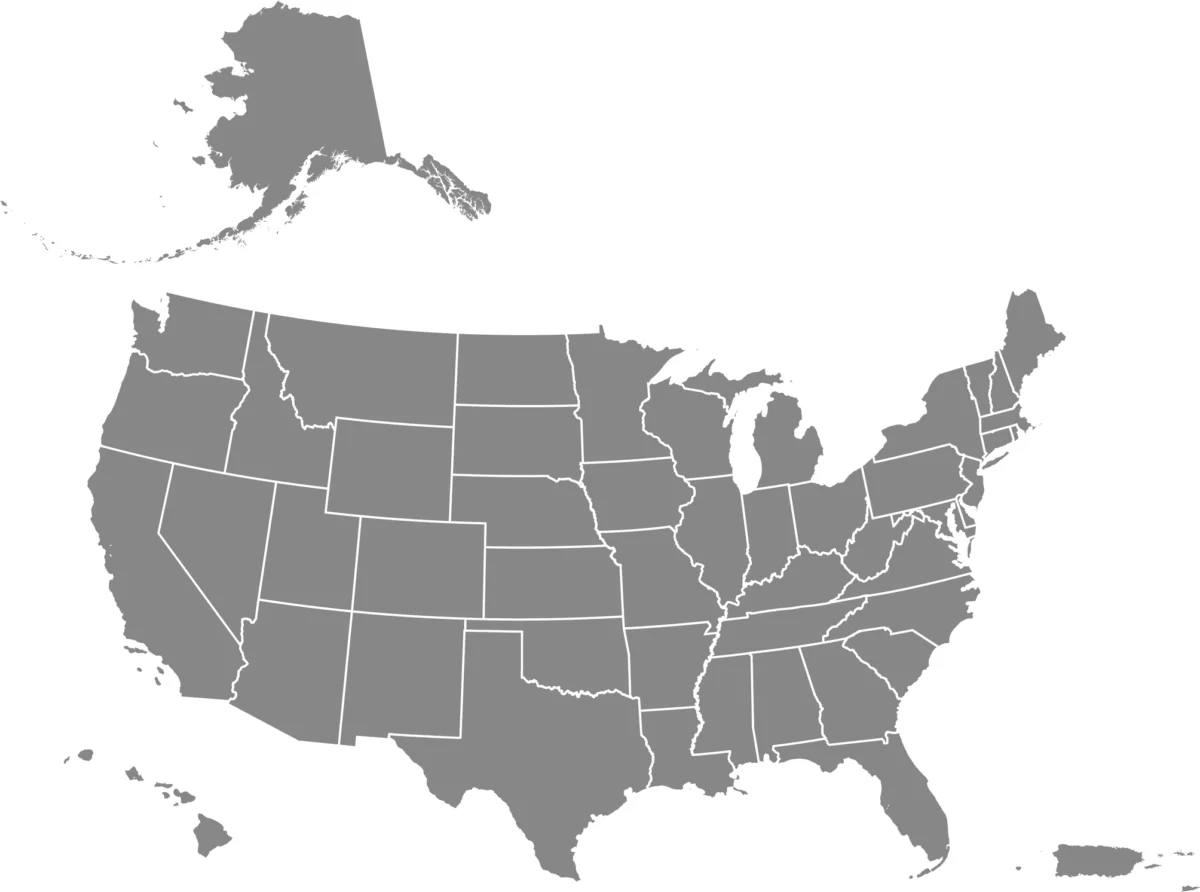
This week, the American Academy of Dental Sleep Medicine (AADSM) announced a landmark achievement in this evolution: 2,500 dentists across the country have now achieved "AADSM Qualified Dentist" status. This milestone is not merely a numerical achievement; it represents a strategic expansion of the medical infrastructure required to manage one of the nation’s most pervasive and underdiagnosed health conditions. By placing highly trained dental practitioners in every state, as well as in Puerto Rico and Washington, D.C., the AADSM is fundamentally changing how patients interact with sleep medicine.
The Growing Network: A New Era of Patient Access
Obstructive sleep apnea is characterized by recurrent collapses of the upper airway during sleep, leading to oxygen desaturation and fragmented rest. If left untreated, the physiological toll is severe, linked to hypertension, heart disease, stroke, and type 2 diabetes. While CPAP has long been the gold standard, its high rate of patient non-compliance has created an urgent demand for alternative, effective treatments.
The AADSM’s initiative to certify 2,500 dentists is a direct response to this demand. "Reaching 2,500 AADSM Qualified Dentists is an important milestone for patients who need convenient access to high-quality care close to home," said Paul Jacobs, DDS, DABDSM, president of the AADSM, in an official statement. "Obstructive sleep apnea is a serious condition, and oral appliance therapy can be a comfortable and effective option for many patients. By expanding the number of qualified dentists available nationwide, we are helping more people connect with the care they need in their own communities."
Chronology of the AADSM Certification Framework
The path to this milestone was built on years of establishing rigorous, evidence-based standards. The AADSM did not reach this figure overnight; rather, it followed a deliberate, decade-long strategy to professionalize the role of the dentist within the sleep medicine ecosystem.
- Foundational Years (2000–2010): During this period, the efficacy of mandibular advancement devices (MADs) was solidified through clinical trials, leading the American Academy of Sleep Medicine (AASM) to include OAT in clinical practice guidelines for the first time.
- Establishment of Standards (2011–2015): The AADSM began codifying the "Qualified Dentist" criteria. This was essential to distinguish general dentists from those with specialized training in the physiology of the airway and the mechanics of oral appliance titration.
- The Growth Phase (2016–2022): With the introduction of online learning modules and standardized board-certified pathways, the number of practitioners surged. The focus shifted from regional concentration to national distribution.
- The 2,500 Milestone (2023–2024): The current era represents the democratization of access. By reaching every state in the union, the AADSM has ensured that geography is no longer a barrier to seeking non-CPAP alternatives for sleep apnea.
Supporting Data: Why Qualified Dentists Matter
The necessity of the "Qualified Dentist" designation is rooted in the clinical reality of OAT. Unlike a standard night guard or over-the-counter anti-snoring device, a clinical-grade oral appliance requires a high degree of precision.
The Role of Customization
Data from clinical studies consistently show that the effectiveness of an oral appliance is highly dependent on its fit and the degree of mandibular advancement. A "Qualified Dentist" is trained to assess a patient’s oral anatomy, including the health of their temporomandibular joint (TMJ), the shape of the palate, and the baseline position of the tongue.
The Team-Based Approach
One of the most critical aspects of the AADSM training is the emphasis on medical collaboration. OSA is a medical diagnosis, not a dental one. Therefore, the AADSM requires that these dentists operate in coordination with physicians. This collaborative model ensures that the patient receives a formal diagnosis via polysomnography or home sleep apnea testing (HSAT), and that the dentist provides the therapy under the physician’s supervision, ensuring that the efficacy of the device is validated through follow-up testing.
Ongoing Monitoring
The treatment process does not end with the delivery of the device. OAT requires iterative adjustments—titration—to find the "sweet spot" where the airway remains open without causing undue stress on the jaw. Qualified dentists are specifically trained in this titration process, as well as the long-term monitoring required to ensure the device remains effective as the patient’s health or weight changes.
Official Responses and Strategic Implications
The AADSM’s success has not gone unnoticed in the broader medical community. By creating a standardized certification, the AADSM has provided a clear roadmap for healthcare providers who wish to bridge the gap between dentistry and sleep medicine.
"The expansion of our network is a signal that the medical community is moving toward a more holistic view of airway health," said a representative from the AADSM. "When a patient realizes they have a treatment option that is portable, quiet, and comfortable, their likelihood of adhering to treatment skyrockets. That is where we see the most significant impact on public health."
The implications for the healthcare system are twofold:
- Economic Efficiency: By providing a durable, long-term solution for patients who cannot tolerate CPAP, the healthcare system reduces the costs associated with untreated OSA, such as emergency room visits for cardiovascular events and the long-term management of chronic comorbidities.
- Patient Autonomy: Patients are increasingly acting as their own healthcare advocates. With the AADSM’s searchable online database, individuals can now take an active role in locating a provider in their area, effectively decentralizing the treatment process.
The Future of Sleep Medicine Workflows
Looking forward, the AADSM aims to continue integrating dental sleep medicine into the standard primary care workflow. As more dentists achieve Qualified status, the goal is to shift the perception of the dentist from an oral health provider to a key player in systemic wellness.
The "Oral Appliance Therapy Workflow" is now more streamlined than ever. In a typical patient journey, the process begins with a physician referral or a self-referral to an AADSM member. After a diagnosis is confirmed, the dentist conducts a comprehensive airway assessment. The appliance is custom-fabricated, and the patient undergoes a series of titration visits. The cycle is completed by a follow-up sleep study to confirm the therapeutic result—a process that is now available in every corner of the country.
Conclusion: A Milestone for Public Health
The 2,500 AADSM Qualified Dentists now in practice represent a significant barrier removed for patients struggling with obstructive sleep apnea. While the journey to effective treatment can often feel overwhelming, the presence of a trained professional in the local community provides a level of reassurance that is vital to long-term success.
As sleep medicine continues to evolve, the partnership between dentistry and medicine will undoubtedly deepen. The AADSM’s milestone serves as a testament to what is possible when professional standards are elevated and access is prioritized. For the millions of Americans who still go to bed struggling to breathe, these 2,500 dentists are not just providers of devices; they are providers of a better, more restful life.
With this foundation firmly in place, the future of OSA treatment looks not only more accessible but also more effective, ensuring that the next generation of patients will have the support they need to reclaim their sleep and, by extension, their health.