











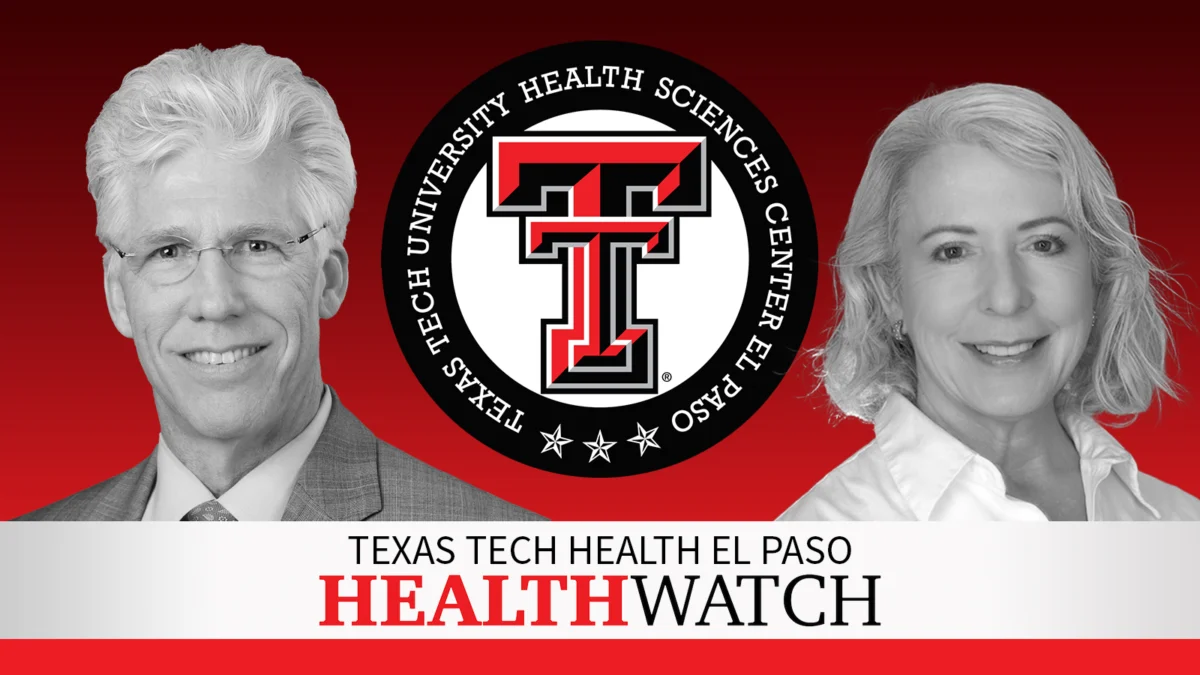
In an era where medical technology evolves at an unprecedented pace, healthcare professionals and patients alike are tasked with navigating an increasingly complex landscape of treatments, diagnostic tools, and digital health platforms. The latest episode of TTHealthWatch, a collaborative medical podcast produced by Texas Tech University Health Sciences Center, highlights the delicate balance between innovation and oversight. Hosted by medical journalist Elizabeth Tracey and Dr. Rick Lange, president of Texas Tech Health El Paso, the program examines four pivotal developments shaping contemporary medicine: the rise of telehealth-based GLP-1 prescribing, the impact of on-site respiratory testing in nursing homes, novel treatments for pulmonary fibrosis, and advancements in orthopedic surgery.
The Digital Frontier: The Rise and Risk of Online GLP-1 Prescribing
The landscape of weight loss management has been fundamentally altered by the emergence of GLP-1 receptor agonists. While these drugs have proven highly effective, their rapid shift to digital storefronts has raised significant concerns regarding patient safety and the integrity of the clinical process.
The Mechanism of Digital Access
Recent investigations published in JAMA have shed light on the burgeoning "secret shopper" economy of telehealth. Nearly 20% of adults utilizing GLP-1 receptor agonists now obtain them through online platforms, often in the form of compounded medications. While these compounded versions share the same active ingredients as FDA-approved medications, they are not strictly regulated by the agency, creating a gray market fueled by drug shortages and high public demand.
Critical Gaps in Care
The digital prescription process is characterized by a disturbing lack of clinical rigor. A study of 49 websites found that 98% successfully provided a prescription, with 69% mailing the medication directly to the patient. Most notably, the average interaction time from initial consultation to prescription approval was a mere five minutes.
The lack of comprehensive health screenings is a primary concern for medical professionals. While most platforms requested basic information about medical conditions and allergies, only about half inquired about diet and physical activity—the foundational pillars of sustainable weight loss. With median costs hovering around $217 per month, patients are often paying out-of-pocket for a service that frequently bypasses the critical diagnostic oversight required to ensure these potent medications are used safely and in conjunction with necessary lifestyle modifications.
Mitigating Respiratory Outbreaks in Long-Term Care
Nursing homes and long-term care facilities remain one of the most challenging environments for infection control. Respiratory viruses—including COVID-19, influenza, and RSV—pose an existential threat to this vulnerable population.
The Promise of Point-of-Care Testing
Researchers recently evaluated the efficacy of implementing on-site, polymerase chain reaction (PCR)-based testing instruments in 20 nursing homes, representing nearly 4,000 beds. The goal was to determine if rapid, highly sensitive diagnostics could reduce the frequency and severity of viral outbreaks.
Clinical and Systemic Implications
While the study found no statistically significant difference in the absolute number or size of outbreaks between the intervention and control groups, the implementation of point-of-care PCR testing resulted in a marked reduction in emergency department (ED) transfers—a decrease of 11%.
The implications are far-reaching. By allowing for faster initiation of antiviral therapy, facilities can treat residents in place, avoiding the "hospital-to-nursing home" cycle that often triggers delirium, physical decline, and the psychological trauma of leaving a familiar environment. Experts estimate that widespread adoption of this technology could prevent up to 64,000 emergency department transfers in the United States every season, offering a significant win for both patient quality of life and the capacity-strained healthcare system.
Innovations in Chronic Disease: Inhaled Therapy for IPF
Idiopathic pulmonary fibrosis (IPF) remains one of the most daunting diagnoses in pulmonology, characterized by progressive, irreversible lung scarring. For decades, the prognosis for patients has been grim, with limited therapeutic options available.
TETON-1 and the Future of Treatment
Recent findings from the TETON-1 study have provided a glimmer of hope. Researchers examined the efficacy of treprostinil, an inhaled pulmonary vasodilator, in patients already undergoing standard-of-care treatment for IPF. The study, which followed 600 patients over one year, demonstrated that the addition of this therapy significantly slowed the decline of forced vital capacity (FVC).
Clinical worsening occurred in only 32% of patients receiving the active therapy, compared to 45% in the control group. Despite the promising results, the study highlighted significant challenges regarding patient compliance; approximately one-fourth of participants discontinued the medication due to persistent coughing, a common side effect of the inhalation process. Nevertheless, the ability to combine therapies to prevent further clinical deterioration marks a major milestone in the management of this debilitating disease.
Orthopedic Advancements: Reducing Risks in Hip Replacement
Dislocation is the most feared early complication following total hip replacement, particularly among elderly patients suffering from femoral neck fractures. The medical community has long sought to improve joint stability through surgical innovation.
The Dual-Mobility Advantage
A multi-center study involving hospitals across the U.K. and Sweden evaluated the effectiveness of the "dual-mobility" total hip replacement device. Unlike traditional implants, which consist of a single ball-and-socket articulation, the dual-mobility device utilizes a polyethylene capsule that allows the joint to articulate in two different planes.
Reducing the Need for "Revision"
The study results were compelling: the dislocation rate for patients receiving the dual-mobility device was 1%, compared to 4% in the standard hip replacement group. By substantially reducing the risk of dislocation, this technology offers a path to avoid "revision" surgeries—a term that often masks the physical and emotional distress of a second, corrective procedure. While these devices are more expensive, the long-term benefit of reduced surgical complications for the elderly population suggests a high value-to-cost ratio.
Synthesis of Findings and Future Outlook
The breadth of topics covered by the TTHealthWatch team underscores the complexity of modern medicine. Whether through the lens of digital ethics in GLP-1 prescribing or the implementation of sophisticated diagnostic technology in nursing homes, the common thread remains the necessity of rigorous clinical oversight.
Key Takeaways for Healthcare Stakeholders:
- Digital Health Regulation: The convenience of online prescribing must not come at the expense of comprehensive, face-to-face clinical evaluation, particularly for medications that require long-term lifestyle support.
- Proactive Diagnostics: Point-of-care PCR testing in long-term care settings serves as a critical tool for preserving patient cognitive health and reducing the burden on emergency services.
- Chronic Disease Management: Combination therapies, such as the use of inhaled treprostinil for IPF, offer new avenues to slow the progression of chronic, life-limiting conditions.
- Surgical Precision: Investing in advanced orthopedic hardware like dual-mobility implants can significantly improve patient outcomes by lowering the incidence of high-risk complications like dislocation.
As Dr. Rick Lange and Elizabeth Tracey emphasize, the goal of these innovations is ultimately to ensure that, in a world of rapid technological advancement, the patient remains the primary beneficiary. Through evidence-based practice and a commitment to rigorous standards, the medical community continues to find ways to improve quality of life, prevent unnecessary hospitalizations, and address the most persistent challenges in human health. As we look toward the future, the integration of these findings into clinical practice will be essential in navigating the evolving demands of the 21st-century healthcare landscape.