










20 May, 2026
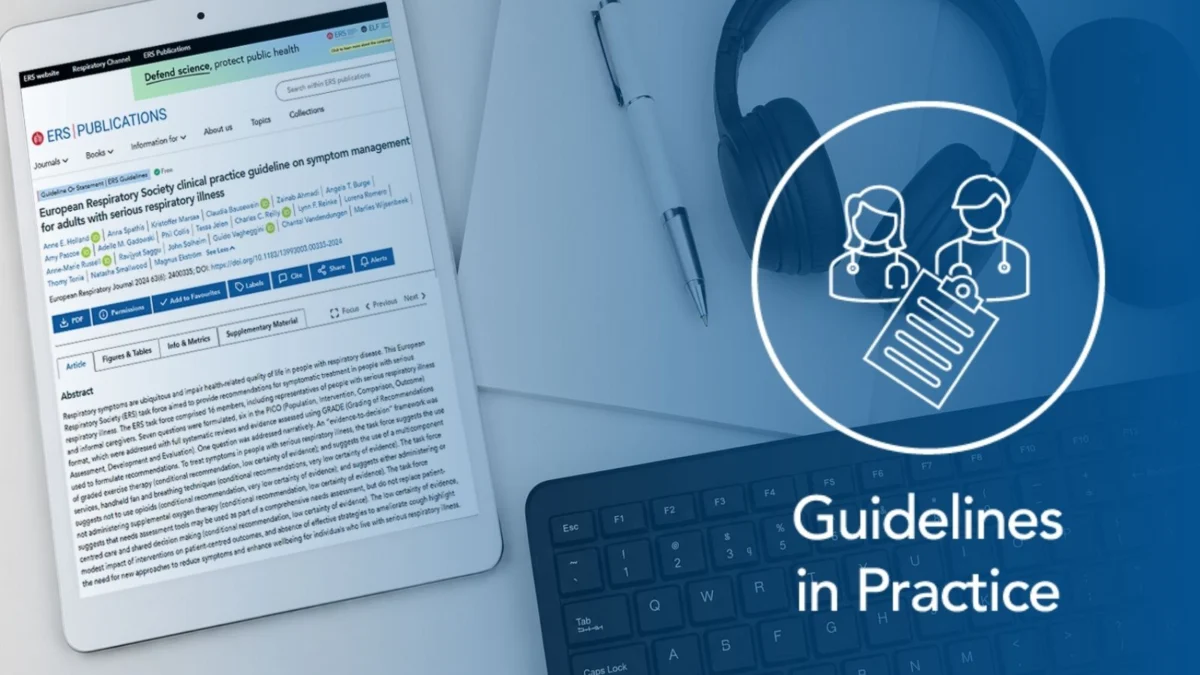
In an era where medical knowledge evolves at an unprecedented pace, the translation of clinical guidelines from paper to practice remains one of the most significant hurdles in modern medicine. Recognizing this challenge, the European Respiratory Society (ERS) has officially launched Guidelines in Practice, a pioneering podcast series designed to bridge the gap between academic recommendations and real-world patient care. By focusing on the lived experience of clinicians and the practical hurdles of implementation, the ERS aims to foster a more nuanced, evidence-based approach to respiratory medicine across the globe.
Main Facts: A New Chapter in Medical Education
The Guidelines in Practice series represents a strategic shift in how the ERS disseminates scientific information. Unlike traditional academic lectures or static, text-heavy documents, this podcast series utilizes an immersive, conversational format to dissect the tangible impact of ERS guidelines.
Each episode is structured around a dialogue between a member of the original task force responsible for developing a specific guideline and an external expert who offers an independent perspective. This structure ensures a balanced critique, moving beyond the technical minutiae of recommendations to explore the "how-to" of clinical implementation. The series will be hosted on the ERS Respiratory Channel, ensuring that these insights are accessible to a global audience of physicians, researchers, and allied health professionals.
The core mission of the series is to move away from the "technical repetition" of content. Instead, the podcast emphasizes storytelling—utilizing real-world case studies and anecdotal evidence to illustrate how guidelines change the trajectory of care for patients with respiratory illness.
Chronology: From Development to Implementation
The journey of an ERS guideline is rigorous, often spanning years of literature review, expert consensus, and peer review. However, the publication of a guideline is rarely the finish line; it is merely the starting point for clinical adoption.
The timeline for Guidelines in Practice is specifically designed to assess long-term impact. By revisiting guidelines at least one year after their formal publication, the ERS allows for a maturation period. This timeframe is crucial, as it provides clinicians enough time to attempt implementation, encounter institutional barriers, and observe patient outcomes.
- Pre-2026: The ERS identifies a need for a more dynamic dissemination strategy, moving beyond traditional webinars and congress presentations.
- May 20, 2026: Official launch of the Guidelines in Practice podcast.
- Inaugural Episode Release: The first episode premieres, featuring a deep dive into the 2025/2026 guidance on symptom management for adults with serious respiratory illnesses.
- Ongoing Strategy: The ERS plans to release subsequent episodes throughout the year, each targeting different respiratory conditions, ensuring a continuous stream of updated clinical intelligence.
Supporting Data: Why "Real-World" Matters
The necessity for this initiative is supported by clinical data suggesting that "guideline-practice gaps" are a persistent issue in respiratory medicine. Studies have repeatedly shown that while physicians are generally aware of major clinical guidelines, adherence is often hindered by systemic barriers, lack of resources, and the complexity of applying standardized advice to comorbid, multi-symptomatic patients.
The inaugural episode addresses the ERS Clinical Practice Guideline on Symptom Management for Adults with Serious Respiratory Illness. This specific topic was chosen for its high complexity. Symptom management—including the treatment of dyspnea, fatigue, and anxiety in chronic respiratory disease—requires a multidisciplinary approach that is often poorly integrated in acute hospital settings.
By bringing together Prof. Natasha Smallwood, Director of Respiratory Medicine at the Alfred Hospital in Melbourne, and Prof. Irene Higginson, a world-renowned authority on palliative care from London, the podcast highlights the necessity of blending respiratory physiology with palliative care philosophy. This collaboration provides listeners with a template for how to bridge the gap between "treating the lung" and "treating the person."
Official Responses: Insights from the ERS Leadership
The initiative has received strong backing from the highest echelons of the European Respiratory Society. Prof. Winfried Randerath, the ERS Guidelines Director, has been a driving force behind this shift toward a more narrative-driven educational model.
"ERS guidelines are produced by task forces on specific topics in respiratory medicine in order to guide respiratory professionals in their clinical practice," Prof. Randerath stated during the launch announcement. He emphasized that the value of these documents is not found in their existence, but in their application.
"ERS guidelines have a significant impact on clinical practice, and it will be fascinating to hear first-hand about this impact from the professionals who are implementing the guidance they provide," he noted. By facilitating a platform for dialogue, Prof. Randerath hopes to encourage a culture of transparency where clinicians can openly discuss the challenges they face in the clinic. "I look forward to listening to, and taking part in, engaging discussions as part of this new series," he added.
Implications: Changing the Landscape of Respiratory Medicine
The launch of Guidelines in Practice signals a broader evolution in medical continuing education (CME). As the volume of medical literature continues to explode, clinicians are increasingly overwhelmed by the sheer number of guidelines, position papers, and systematic reviews published annually.
1. Reducing Cognitive Load
By synthesizing complex guidelines into a 30-to-40-minute audio format, the ERS is helping clinicians distill the "need-to-know" information, reducing the cognitive load required to stay updated.
2. The Human Element of Medicine
The focus on storytelling is perhaps the most significant implication. Medical practice is often dehumanized by the pressure of data and metrics. By exploring the human side of clinical challenges—such as how to communicate a prognosis or manage refractory symptoms—the podcast reminds the global respiratory community that guidelines are meant to serve the patient, not just satisfy a bureaucratic checklist.
3. A Feedback Loop for Future Guidelines
The podcast also functions as a feedback loop. By highlighting the challenges that remain after a guideline is published, the ERS is essentially crowdsourcing the needs for future revisions. If clinicians consistently report that a specific recommendation is impossible to implement due to resource constraints or lack of clarity, the ERS task forces can use this intelligence to refine future iterations of the guideline.
4. Globalizing Best Practices
With experts from Australia and the UK collaborating on the inaugural episode, the ERS is fostering a truly global dialogue. This cross-pollination of ideas ensures that best practices are not siloed within specific healthcare systems but are instead shared and adapted to suit different clinical environments worldwide.
How to Engage with the Series
For medical professionals looking to integrate these insights into their daily practice, the ERS has made accessibility a priority. The podcast is not locked behind complex portals; it is hosted on the ERS Respiratory Channel, a digital hub that serves as the central repository for the society’s on-demand educational content.
Listeners are encouraged to:
- Subscribe to the ERS Respiratory Channel: This ensures notification of new episodes as they are released.
- Participate in Discussion: The ERS has indicated that they will monitor feedback on these episodes to inform future clinical priorities.
- Utilize the Accompanying Materials: While the podcast is conversational, it is grounded in evidence. The ERS website provides links to the full clinical guidelines discussed in each episode, allowing listeners to deep-dive into the raw data if they require further detail.
Conclusion: A New Era of Accessible Expertise
The ERS Guidelines in Practice series is more than just a podcast; it is a vital evolution in the lifecycle of medical guidance. By fostering an environment where experts can speak candidly about the realities of clinical work, the ERS is ensuring that its high-standard research does not merely sit on a digital shelf. Instead, it is being brought to life, one conversation at a time.
As the series progresses, it will undoubtedly become a cornerstone resource for pulmonologists, nurses, and allied health professionals. By prioritizing the practice in Guidelines in Practice, the European Respiratory Society is reaffirming its commitment to the most critical component of medicine: the direct improvement of patient care.
For those ready to hear how the latest clinical evidence is being translated into real-world action, the first episode is available now on the ERS Respiratory Channel. As the medical community continues to navigate the complexities of 2026 and beyond, tools like this will be essential in ensuring that the best of scientific discovery reaches the bedside where it is needed most.