









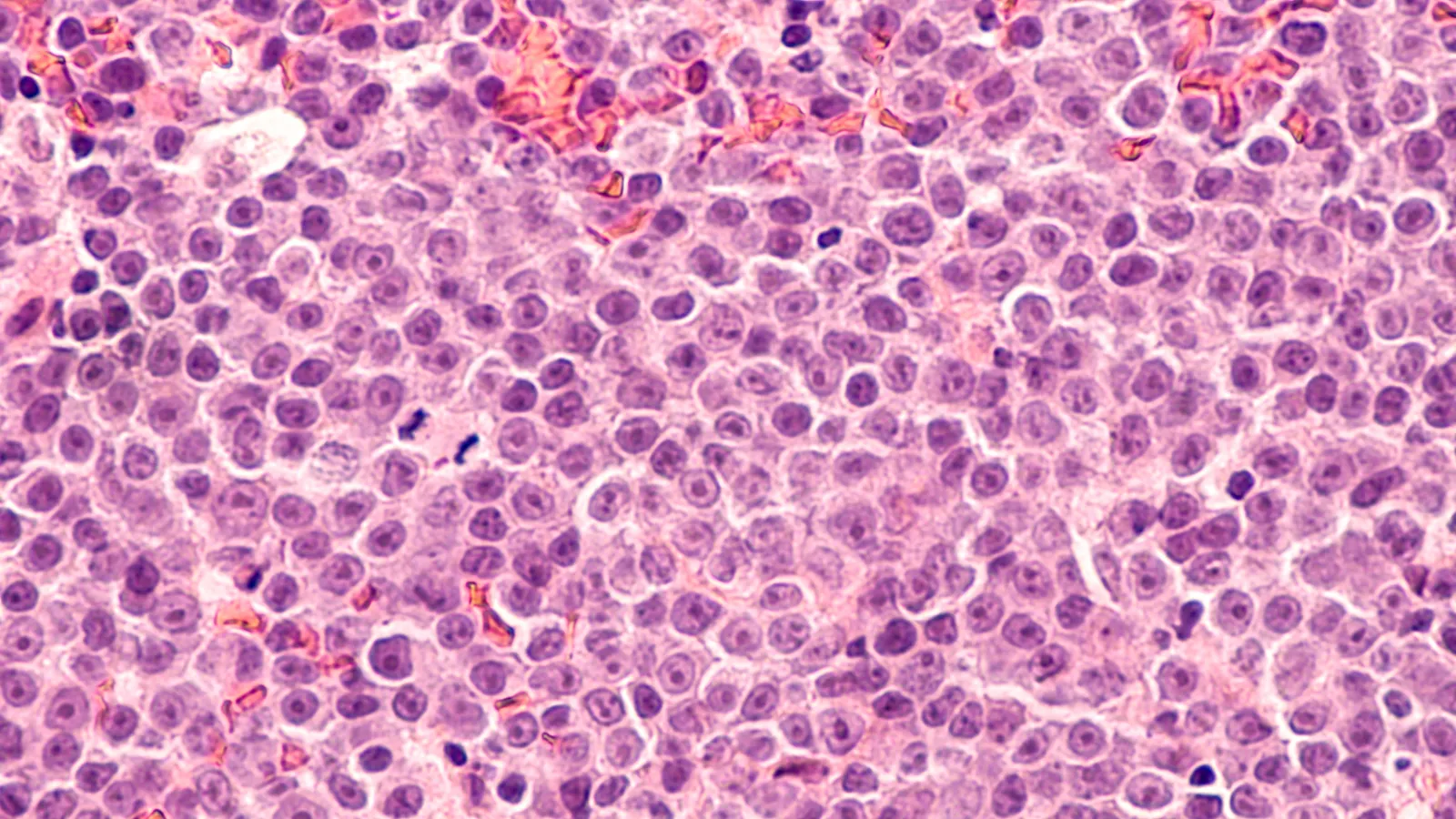
In a jarring development for the biotechnology sector, shares of Switzerland-based ADC Therapeutics plummeted by more than 50% during Thursday’s trading session. The precipitous drop followed the release of data from the company’s pivotal Phase 3 "LOTIS-5" clinical trial, which tested its blood cancer drug, Zynlonta (loncastuximab tesirine-lpyl), in combination with rituximab for the treatment of relapsed or refractory diffuse large B-cell lymphoma (DLBCL).
While the company reported that the trial successfully met its primary endpoint of progression-free survival (PFS), the clinical triumph was immediately eclipsed by a concerning imbalance in mortality rates between the treatment and control arms. This safety signal has triggered widespread alarm among investors and analysts, casting a long shadow over the drug’s prospects for converting its current accelerated FDA approval into a full, permanent regulatory endorsement.
The Core Clinical Data: A Statistical Win with a Human Cost
The LOTIS-5 trial was designed as a confirmatory study to solidify the standing of Zynlonta, an antibody-drug conjugate (ADC), as a standard-of-care option for patients whose large B-cell lymphoma has failed to respond to at least two prior lines of therapy. The study enrolled 440 participants, comparing the Zynlonta-rituximab combination against a standard-of-care immunotherapy regimen consisting of rituximab, gemcitabine, and oxaliplatin.
From a purely statistical perspective, the trial achieved its primary goal. Patients receiving the Zynlonta regimen experienced a median progression-free survival of 6.1 months, compared to 4.7 months for those in the control arm. This 1.4-month improvement was deemed statistically significant by the researchers. However, the study failed to meet its secondary endpoint regarding overall survival, with the company noting that there was "no detrimental effect" on that measure, despite the lack of a clear survival advantage.
The narrative of the study shifted dramatically when safety data was unveiled. The trial recorded 27 deaths among patients treated with the Zynlonta combination, a stark contrast to the nine deaths recorded in the control group. This mortality imbalance has become the focal point of the crisis, as industry observers scramble to determine if the drug’s clinical benefit is outweighed by its potential toxicity.
Chronology of the Zynlonta Development
To understand the gravity of the current situation, it is necessary to examine the path Zynlonta has traveled since its inception.
- April 2021: The FDA granted accelerated approval to Zynlonta for the treatment of adult patients with relapsed or refractory DLBCL after two or more lines of systemic therapy. This approval was based on a single-arm clinical trial, meaning the drug was not compared against a placebo or standard-of-care, a common pathway for drugs targeting high-unmet-need conditions.
- Post-Approval Expansion: Following its entry into the market, ADC Therapeutics sought to solidify its position by initiating the LOTIS-5 trial, a randomized, confirmatory Phase 3 study intended to move the drug from the "accelerated" status to a full, permanent approval.
- The LOTIS-5 Execution: Over the subsequent years, the trial enrolled 440 patients, testing the drug in a broader clinical setting against active control therapies.
- June 2024: The company announced the results of the LOTIS-5 trial. While the primary endpoint was met, the disclosure of the 27 deaths versus nine deaths triggered an immediate market sell-off, leading to the current regulatory and financial impasse.
Supporting Data: Contextualizing the Mortality Imbalance
The higher death toll in the treatment arm has been met with both professional skepticism and nuanced defense. ADC Therapeutics, in an attempt to contextualize the findings, highlighted that the majority of the deaths occurred in patients aged 75 years or older. The company argues that the demographic makeup of the study—which included elderly patients with aggressive, late-stage disease—may have contributed to the higher mortality rate.
Investment analysts have offered varying interpretations of these figures. Eric Schmidt of Cantor Fitzgerald has suggested that the disparity might be partially attributable to the trial design rather than purely drug-related toxicity. Specifically, the LOTIS-5 trial recorded adverse events and deaths up to 105 days after treatment, whereas previous studies for the drug only monitored outcomes up to 30 days. This extended observation window likely captured natural mortality rates in a frail patient population that would have been missed in shorter-term trials.
Despite these potential explanations, the scientific community remains cautious. The lack of an overall survival benefit means that the "modest" 1.4-month gain in progression-free survival must be weighed heavily against the potential for increased mortality. As RBC Capital Markets analyst Leonid Timashev noted, the "benefit/risk profile" is now a matter of intense debate, and regulators will undoubtedly require a granular look at the cause of death for each of the 27 patients to determine if the drug, the combination therapy, or the patient population itself was the primary driver of the safety signal.
Official Responses and Strategic Pivot
ADC Therapeutics has maintained a posture of cautious optimism, insisting that the data, when viewed in its entirety, will support a successful regulatory submission. The company is currently preparing for a formal meeting with the FDA, scheduled for August, where they intend to present their findings and discuss the next steps for a full regulatory submission, which is targeted for the fourth quarter of this year.
"We believe these data will support conversion from accelerated to full FDA approval," noted analysts at Cantor Fitzgerald, reflecting the company’s internal sentiment. However, the management team at ADC Therapeutics faces an uphill battle in convincing both the medical community and the FDA that the safety signal is a manageable demographic artifact rather than an inherent, dangerous characteristic of the Zynlonta-rituximab regimen.
For a company that relies entirely on Zynlonta as its sole commercial asset, the stakes could not be higher. Any regulatory setback or label restriction—such as a "Black Box" warning regarding mortality—would drastically curtail the drug’s market potential and, by extension, the company’s valuation.
Implications for the Future of ADC Therapeutics
The immediate implication of the LOTIS-5 results is a significant increase in "regulatory risk." Investors are notoriously sensitive to safety signals, and the market’s reaction—wiping out more than half of the company’s market capitalization—indicates a profound loss of confidence in the short-term trajectory of the firm.
For patients and physicians, the dilemma is equally complex. Large B-cell lymphoma is an aggressive, often lethal condition. Physicians are frequently willing to accept higher toxicity profiles for drugs that offer a meaningful extension of life. However, when the evidence for that extension is "modest," as described by analysts, the threshold for accepting higher mortality becomes much higher.
If the FDA requires additional studies or issues a complete response letter (CRL) requesting more data, ADC Therapeutics may face a liquidity crisis, as the cost of further trials could deplete the company’s cash reserves. Conversely, if the agency finds the company’s explanations for the mortality imbalance satisfactory, the stock may recover.
As we look toward the August meeting with the FDA, the biotechnology industry will be watching closely. The outcome will serve as a bellwether for how the agency balances the need for rapid access to novel therapies with the stringent requirements of confirmatory, randomized, controlled trials. For ADC Therapeutics, the road ahead is fraught with uncertainty, and the company must now prove that its primary asset is not only effective but fundamentally safe for the population it intends to treat.