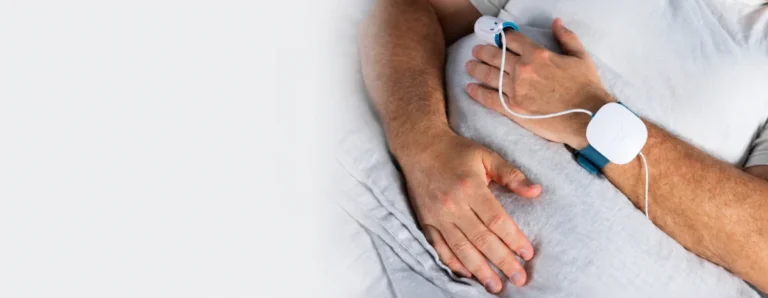
In a significant move toward digitizing sleep medicine, ProSomnus Sleep Technologies and MonitAir LLC have announced a strategic collaboration designed to redefine the management of Obstructive Sleep Apnea (OSA). By integrating the FDA-cleared ProSomnus RPMO™ OSA device data directly into MonitAir’s comprehensive monitoring platform, the partnership aims to shift the paradigm from episodic, snapshot-based care to a model defined by continuous, longitudinal physiologic monitoring.
This integration addresses one of the most persistent challenges in sleep medicine: the "data gap" that exists between the patient’s home environment and the provider’s clinical office. As sleep specialists increasingly move toward remote monitoring, this collaboration provides the technical infrastructure to turn raw device data into actionable clinical insights.
Main Facts: The Intersection of Hardware and Software
At the heart of this partnership is the integration of high-fidelity biometric data into a streamlined, HIPAA-compliant workflow.
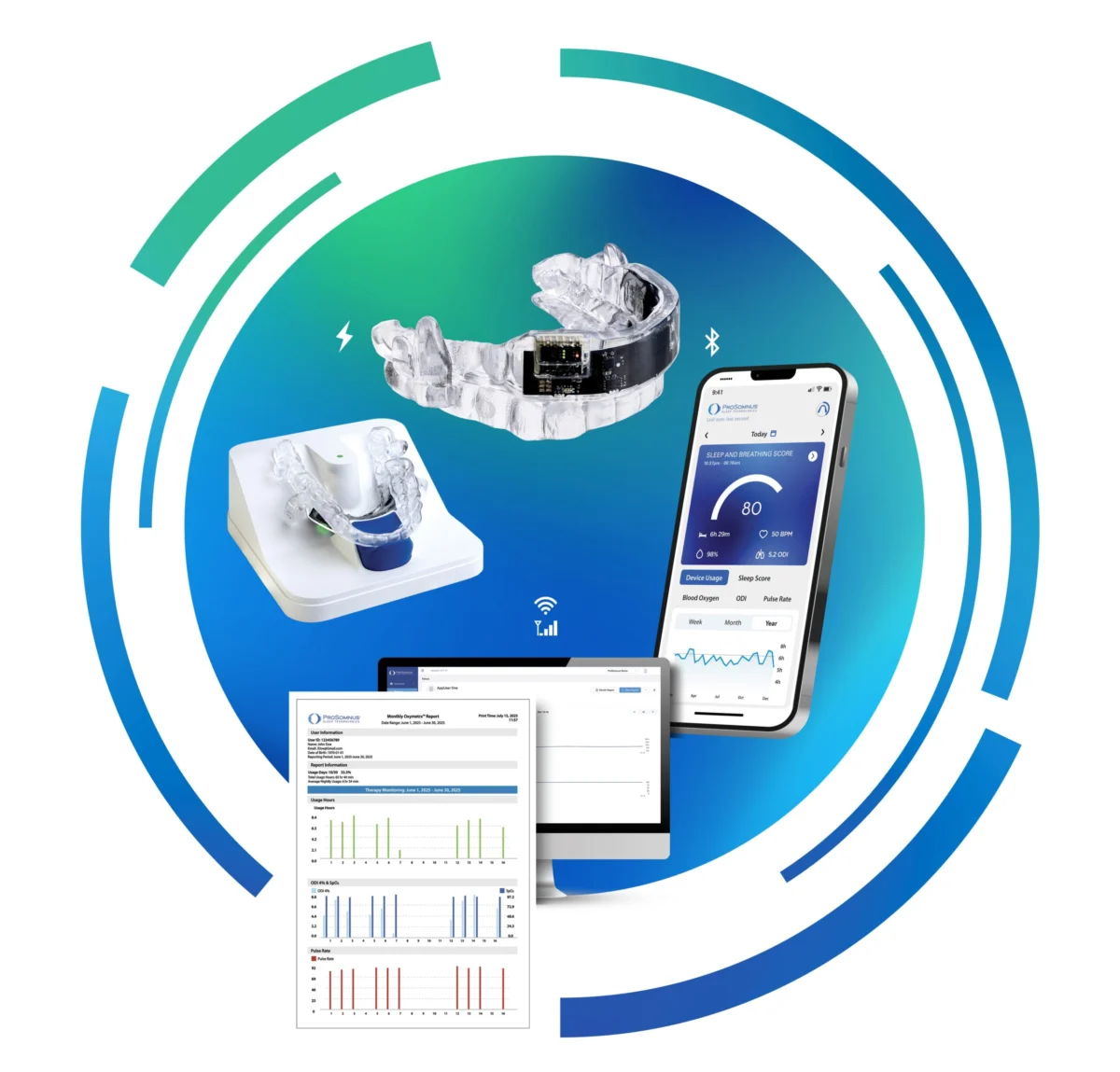
The ProSomnus RPMO™ OSA Device is a Class II FDA-cleared oral appliance that features a miniaturized, embedded pulse oximeter located in the buccal mucosal region of a maxillary dental overlay. This unique design allows the device to measure, store, and transmit oxygen saturation and pulse rate data continuously throughout the night. Unlike traditional diagnostic tools that often require bulky equipment, the RPMO™ integrates diagnostic capability into a therapeutic device, facilitating seamless data collection during the patient’s normal sleep cycle.
The MonitAir platform serves as the central nervous system for this data. As an FDA-registered and HIPAA-compliant environment, it consolidates remote physiologic monitoring (RPM), remote therapeutic monitoring (RTM), and chronic care management (CCM) into a single, user-friendly interface. By pulling data from the ProSomnus hardware, the MonitAir platform provides clinicians with a dashboard that simplifies data visualization, automates compliance tracking, and facilitates proactive communication with patients.
Chronology: The Evolution Toward Connected Sleep Care
The journey toward this collaboration is part of a broader industry shift that has been accelerating since the onset of the COVID-19 pandemic, which forced a rapid adoption of telehealth and remote monitoring technologies.
- The Rise of Oral Appliance Therapy (OAT): For years, OAT has been a preferred alternative for patients who struggle with Continuous Positive Airway Pressure (CPAP) machines. However, a common criticism of traditional oral appliances was the lack of objective data to prove efficacy.
- FDA Clearance of the RPMO™: The introduction of the ProSomnus RPMO™ represented a landmark moment, as it brought objective physiologic data to the OAT category. This provided the necessary hardware for objective monitoring.
- The Need for Workflow Integration: Even with the hardware, clinicians struggled with disparate data sources. The manual process of downloading files and uploading them to Electronic Health Records (EHR) created friction in busy clinical practices.
- The MonitAir Partnership: The current collaboration addresses this final hurdle. By creating a direct pipeline between the ProSomnus device and the MonitAir cloud, the two companies have effectively automated the lifecycle of sleep apnea monitoring, from data capture at the patient’s bedside to clinical review in the provider’s office.
Supporting Data: Why Longitudinal Tracking Matters
The clinical urgency for this integration is rooted in the inherent limitations of current OSA diagnostic and monitoring standards.
The Problem with "Snapshot" Diagnostics
Traditionally, OSA has been managed through "one-off" sleep studies. A patient visits a lab or uses a home sleep testing (HST) device for a single night, and the provider makes treatment decisions based on that singular data point. However, sleep apnea is a highly variable condition. Factors such as alcohol consumption, sleep position, weight fluctuations, and seasonal allergies can cause significant night-to-night variance in oxygen saturation (SpO2) and apnea-hypopnea index (AHI).
The Power of Continuous Data
Longitudinal tracking, which this partnership enables, allows clinicians to:
- Identify Trends: Instead of a single night, providers can look at 30, 60, or 90 days of data, allowing them to see how lifestyle changes or appliance adjustments impact the patient’s respiratory health.
- Improve Compliance: By monitoring usage data, providers can identify non-compliant patients early and intervene before treatment abandonment occurs.
- Reduce Economic Burden: Untreated OSA is linked to hypertension, stroke, diabetes, and increased risk of motor vehicle accidents. By keeping patients on therapy and optimizing their treatment through data, the health system reduces the long-term costs associated with these comorbidities.
Official Responses: Insights from Industry Leaders
The leadership teams of both organizations emphasize that this partnership is not just about technology—it is about improving the patient-provider relationship.
Len Liptak, CEO of ProSomnus Sleep Technologies:
"Despite well-documented health, quality of life, and economic consequences, OSA remains undertreated due to fundamental limitations in how the condition is measured and managed—including night-to-night variability, reliance on frequency-based metrics that may not fully reflect health risk, and limited connectivity between patients and providers," said Liptak. He noted that the collaboration is a deliberate effort to pivot toward a data-driven, personalized approach to care, ensuring that treatment is not just prescribed, but effectively managed over the long term.
Edward Mezerhane, MD, CEO of MonitAir LLC:
Dr. Mezerhane highlighted the clinical necessity of the integration, stating, "Effectively managing obstructive sleep apnea requires continuous, actionable insights, not just a single snapshot in time. By integrating the high-fidelity data from the ProSomnus RPMO™ OSA Device directly into MonitAir’s comprehensive monitoring platform, we are giving clinicians the longitudinal visibility they need." According to Dr. Mezerhane, this integration bridges the gap between home-based usage and high-level clinical decision-making, empowering practices to achieve a higher standard of care.
Implications: The Future of Sleep Medicine
The implications of this collaboration are far-reaching for clinicians, patients, and the broader healthcare ecosystem.
For Clinicians: Efficiency and Empowerment
For the sleep dentist or physician, the primary benefit is efficiency. The MonitAir interface reduces the administrative burden of tracking patient outcomes. Instead of waiting for a patient to report back at a three-month follow-up, clinicians can be alerted to potential issues (such as a decrease in therapy efficacy) in real-time. This allows for proactive rather than reactive care.
For Patients: Personalized Therapy
Patients benefit from a more personalized experience. Because their provider can see how their device is performing, they can offer more specific coaching and adjustments. This "feedback loop" often increases patient engagement, as the patient can clearly see the data-backed evidence that their treatment is working, which can improve long-term adherence.
For the Healthcare System: A Scalable Model
As the population ages and the prevalence of obesity—a primary driver of OSA—continues to climb, the healthcare system is facing a massive bottleneck in sleep clinics. The ability to monitor patients remotely and reliably without the need for constant in-office visits is essential to managing the sheer volume of patients requiring care. This partnership provides a scalable model that can support more patients with fewer clinical resources.
Conclusion: Setting a New Standard
The collaboration between ProSomnus Sleep Technologies and MonitAir LLC represents a maturation of the sleep medicine field. By moving away from siloed hardware and disconnected workflows, the industry is moving toward an integrated, "connected health" model.
As this technology becomes more widely adopted, it is likely that "longitudinal monitoring" will become the standard of care for OSA, just as it is for other chronic conditions like diabetes or hypertension. By ensuring that the ProSomnus RPMO™ data is not only collected but effectively utilized within the MonitAir ecosystem, these companies are providing the tools necessary to make that vision a reality. The result is a more transparent, efficient, and patient-centered approach to one of the most widespread and overlooked health challenges in the modern world.