



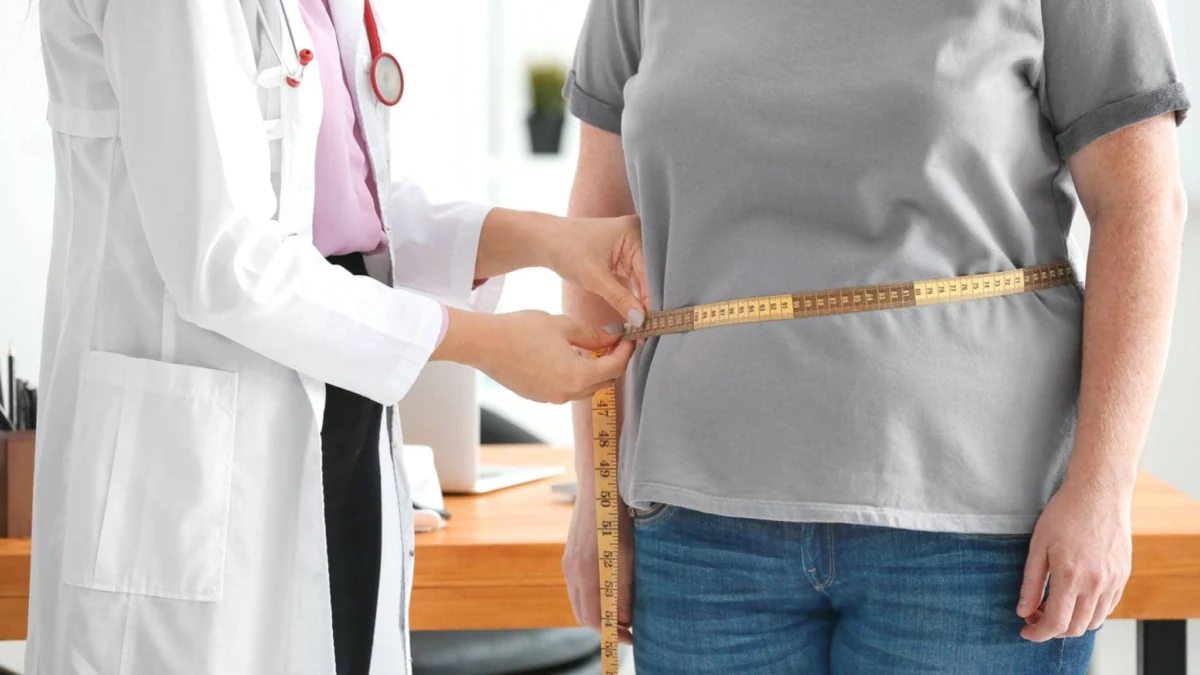
The landscape of obesity treatment has undergone a seismic shift in recent years, driven by the meteoric rise of GLP-1 receptor agonists. While these pharmaceutical interventions have proven remarkably effective at inducing weight loss, a growing consensus among medical professionals suggests that medication alone is an incomplete solution. To address this, the American College of Lifestyle Medicine (ACLM) has launched a comprehensive "Obesity Medications & Lifestyle Medicine Toolkit," designed to provide clinicians with a structured, evidence-based framework for integrating lifestyle interventions into the treatment of obesity.
The Current State of Obesity Treatment: A Paradigm Shift
Recent data from the Kaiser Family Foundation (KFF) indicates that the utilization of obesity medications is no longer a niche clinical practice. Approximately one in eight adults in the United States report currently taking a GLP-1 medication for weight loss, diabetes management, or related metabolic conditions. Furthermore, one in five adults report having used these therapies at some point.
This widespread adoption has outpaced the development of clinical protocols. While pivotal clinical trials—such as those published in the New England Journal of Medicine—demonstrated the efficacy of these drugs, those trials almost exclusively paired pharmacotherapy with structured lifestyle interventions, including nutritional counseling and physical activity targets. However, in real-world clinical practice, many patients are prescribed these medications without the necessary behavioral support, creating a significant "care gap."
Chronology of the GLP-1 Surge and the Need for Guidance
The emergence of GLP-1 receptor agonists, originally developed for the management of type 2 diabetes, marked a turning point in metabolic health. As their weight-loss benefits became evident, demand surged, transforming them into household names.
- Initial Approval and Discovery: GLP-1s were initially validated for glycemic control. However, secondary analysis of trial data revealed significant, sustained weight loss, leading to subsequent FDA approvals for obesity treatment.
- The Rapid Adoption Phase (2022–2023): As media coverage and social media amplified the benefits of these drugs, primary care providers and specialists were inundated with requests for prescriptions.
- The Clinical Reality Check (2023–2024): As prescriptions became more common, clinicians began to report "real-world" challenges: patients struggling with muscle mass loss, nutrient deficiencies, and the uncertainty of what happens when a patient stops taking the medication.
- The Launch of the ACLM Toolkit (2024): Recognizing the urgent need for a standardized approach, the ACLM developed their new toolkit to ensure that the rapid adoption of these drugs is paired with "whole-person" care.
Supporting Data: The Risks of Monotherapy
The clinical danger of using GLP-1 medications as a "silver bullet" without lifestyle support is well-documented. Without structured integration, patients face a cascade of potential complications that can undermine the very health improvements the medication is intended to achieve.
The Biological Consequences
When weight loss occurs rapidly—as it often does with GLP-1s—the body often sheds both fat and lean muscle mass. Without adequate protein intake and resistance training, this loss of lean mass can lead to functional decline, particularly in older adults. Furthermore, rapid weight loss can lead to:
- Nutrient Deficiencies: As caloric intake drops, the risk of inadequate micronutrient intake increases, potentially affecting bone density and immune function.
- Gastrointestinal Distress: Nausea, vomiting, and other GI side effects are the most common reasons for medication discontinuation. Proper dietary adjustments can mitigate these symptoms.
- Weight Regain: Without the establishment of sustainable, healthy habits, patients are at a high risk of rebounding once they discontinue the medication.
Official Responses and Expert Perspectives
The development of the ACLM toolkit was spearheaded by a multidisciplinary team of experts who recognized that the medical community was at a crossroads.
Kate Cohen, MS, RD, CDN, DipACLM, a clinical nutritionist at the Hospital for Special Surgery, served as a primary developer of the toolkit. "Obesity medications can be powerful tools, but they are not stand-alone solutions," Cohen noted in an official release. She emphasized that while the adoption of these medications is unprecedented, the medical field has lacked the "straightforward, practical guidance" necessary to navigate the complexities of long-term patient care.
Dr. Jasdeep Saluja, MD, FRCPC, DipABLM, DipABOM, chief medical officer at Aroga Lifestyle Medicine and chair of the ACLM’s GLP-1 Committee, reinforced this sentiment. "The toolkit reinforces ACLM’s position that the primary goal of obesity treatment is improved health, function, and quality of life—not simply weight loss," he stated. Dr. Saluja believes that these resources will allow clinicians to align rapidly evolving pharmacological treatments with evidence-based, whole-person care models.
Key Features and Components of the Toolkit
The ACLM toolkit is designed to be a "living document" that supports clinicians through the entire patient journey. It is tailored for use across primary care, endocrinology, cardiology, and obesity medicine. The toolkit provides:
- Initiation Protocols: Guidance on identifying appropriate candidates for therapy and setting realistic expectations.
- Titration Support: Strategies for adjusting doses to maximize benefit while minimizing side effects.
- Maintenance Strategies: Long-term planning for patients who have achieved their weight-loss goals.
- Discontinuation Frameworks: Evidence-based approaches for patients who need to stop medication or who have reached a point where medication is no longer necessary.
- Patient-Facing Education: A comprehensive library of resources that clinicians can share directly with patients, covering nutritional advice, physical activity guidance, and psychological support.
Implications for the Future of Healthcare
The introduction of the ACLM toolkit signals a maturation in the obesity treatment space. By moving away from a medication-only focus toward an integrated lifestyle medicine approach, the medical community is acknowledging that obesity is a complex, chronic condition that requires multifaceted care.
A New Standard of Care
If broadly adopted, this toolkit could significantly alter outcomes. By emphasizing the preservation of muscle mass and the importance of nutrient-dense eating, clinicians can help patients transition from a state of medical dependence to one of metabolic health and functional independence.
Economic and Health System Impact
The economic implications are equally significant. If patients can maintain their health outcomes through lifestyle medicine, the reliance on lifelong pharmacological intervention may be reduced for some, or at the very least, the health outcomes of those on medication will be optimized. This could reduce the overall burden on the healthcare system by decreasing the rate of weight-regain-related hospitalizations and metabolic complications.
Professional Education
The toolkit also serves as a vital training resource. As primary care physicians—who are often the first line of defense—find themselves increasingly managing complex metabolic cases, these resources provide the "how-to" of lifestyle medicine that was traditionally missing from medical school curricula.
Conclusion: A Holistic Path Forward
The "Obesity Medications & Lifestyle Medicine Toolkit" represents a necessary evolution in the treatment of obesity. By marrying the potency of new pharmaceutical advancements with the foundational principles of lifestyle intervention, the American College of Lifestyle Medicine is providing the tools necessary for a more sustainable, human-centric approach to health.
As clinicians integrate these resources into their daily practice, the focus will hopefully shift from the scale to the person. For patients, this means more than just losing weight; it means gaining the habits, nutrition, and physical strength required for long-term health and vitality. The toolkit is currently available to ACLM members as a benefit of membership and is accessible to non-members for $49, marking a significant, accessible step toward a more integrated future for clinical obesity care.