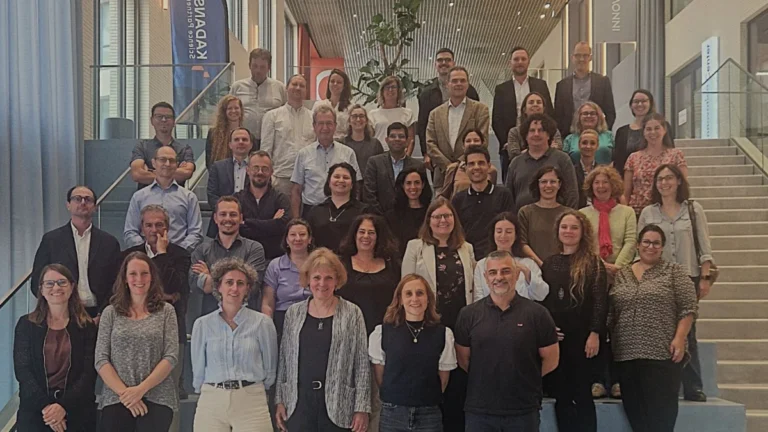







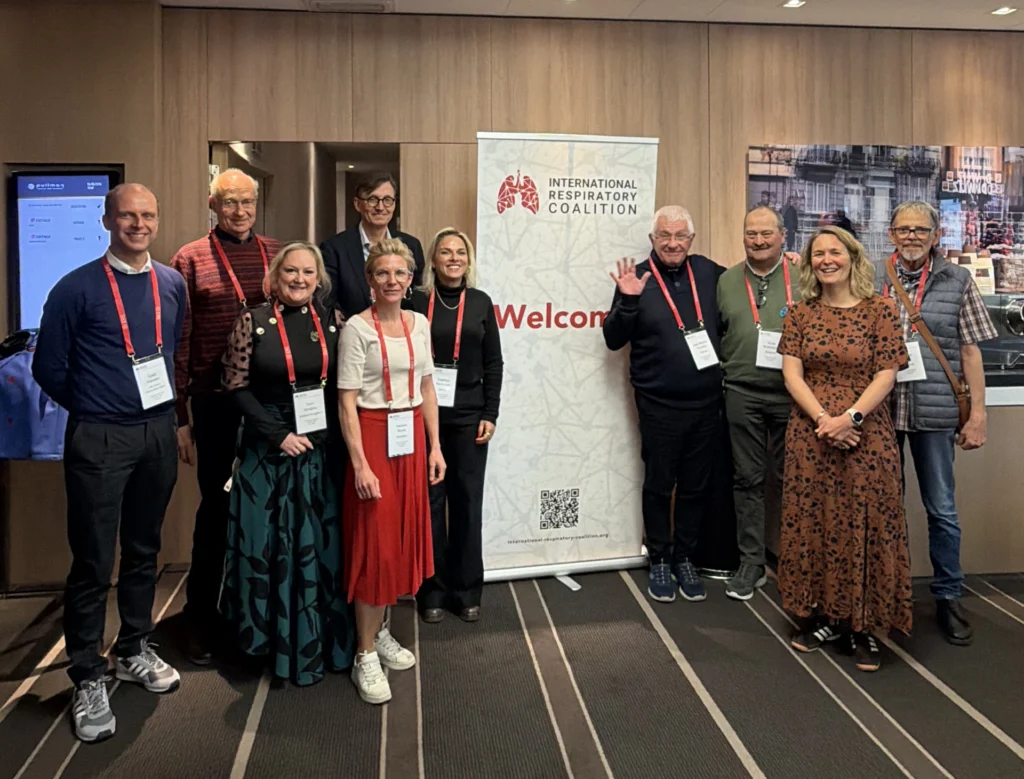
BRUSSELS – As the respiratory health landscape faces unprecedented challenges—from the rising burden of chronic conditions to the persistent inequalities in access to care—a pivotal moment for European advocacy occurred on May 5–6, 2026. The European Lung Foundation (ELF), alongside global partners, gathered in Brussels for the International Respiratory Coalition (IRC) National Coalitions Workshop, a summit that redefined the role of patient advocates in the architecture of public health policy.
The two-day event served as a melting pot for 21 national respiratory coalitions, bringing together a diverse assembly of healthcare professionals, clinical researchers, policymakers, and, most crucially, the patients whose lives are directly shaped by the outcomes of these high-level discussions.
The Core Mandate: Why Patient Involvement Matters
At the heart of the workshop lay a fundamental shift in philosophy: lung health policy is no longer a top-down mandate but a collaborative effort. The event underscored that without the lived experience of patients, strategies—no matter how scientifically rigorous—often fail to address the complexities of daily life with a chronic condition.
Patient representatives were not merely observers; they were architects of the conversation. By contributing directly to the drafting of national respiratory plans, they ensured that the focus remained on the "full respiratory care pathway," moving beyond simple clinical diagnosis to encompass the long-term, holistic support that patients require to thrive.
Chronology of the Summit: A Two-Day Roadmap for Change
Day One: Strategy and Global Alignment
The first day of the workshop was dedicated to the mechanics of influence. How does one translate a global manifesto into a local reality? The session, titled Leveraging Global Policy for National Impact, became the cornerstone of the event.
Co-chaired by European Respiratory Society (ERS) President Joanna Chorostowska and Jean-Michel Fourrier, President of Association Fibroses Pulmonaires France (AFPF), the session dissected the IRC Blueprint. This tool is designed to help national coalitions implement the IRC Manifesto, providing a practical, scalable framework for countries to improve their respiratory care delivery.
A highlight of the morning was a presentation by former ELF Chair, Kjeld Hansen. He navigated the complexities of the WHO Lung Health Resolution, demonstrating how international commitments can be leveraged as "legal leverage" by national advocacy groups when negotiating with domestic health ministries.
Day Two: Addressing Disparities and Future-Proofing
The second day shifted focus toward equity. Ildiko Horvath introduced the participants to JARED, an EU-funded project specifically targeting chronic respiratory diseases (CRDs). The conversation moved away from theoretical policy and toward the reality of underserved populations. The discussion centered on identifying the systemic barriers that prevent marginalized communities from accessing early diagnosis and standard-of-care treatments.
The afternoon sessions were marked by collaborative breakout groups, where patient advocates worked alongside health economists to map out how to allocate limited healthcare budgets toward preventative measures, which offer the highest long-term return on investment for the state.
Supporting Data: The Landscape of European Respiratory Health
The workshop took place against a backdrop of sobering statistics. As delegates noted, respiratory conditions remain among the leading causes of morbidity and mortality across Europe.
- The Chronic Burden: Chronic Obstructive Pulmonary Disease (COPD) and asthma continue to place an immense strain on healthcare systems, costing European economies billions of euros annually in direct medical costs and lost productivity.
- The Disparity Gap: Data presented during the workshop highlighted that in several member states, the time from symptom onset to diagnosis for rare diseases like idiopathic pulmonary fibrosis (IPF) can exceed two years.
- The Prevention Deficit: Despite the efficacy of smoking cessation programs and air quality interventions, public spending on respiratory prevention remains disproportionately low compared to other chronic health sectors.
The IRC Blueprint aims to invert these trends by providing a structured, data-driven approach to standardizing care across borders, ensuring that a patient in one corner of Europe receives the same quality of intervention as one in another.
Official Responses and Voices from the Floor
The human impact of the summit was perhaps best captured by Jean-Michel Fourrier, whose leadership in the ELF Pulmonary Fibrosis Patient Advisory Group (PAG) has been instrumental in keeping the patient perspective at the forefront of the IRC’s agenda.
Reflecting on the workshop, Fourrier expressed a sense of urgency and optimism:
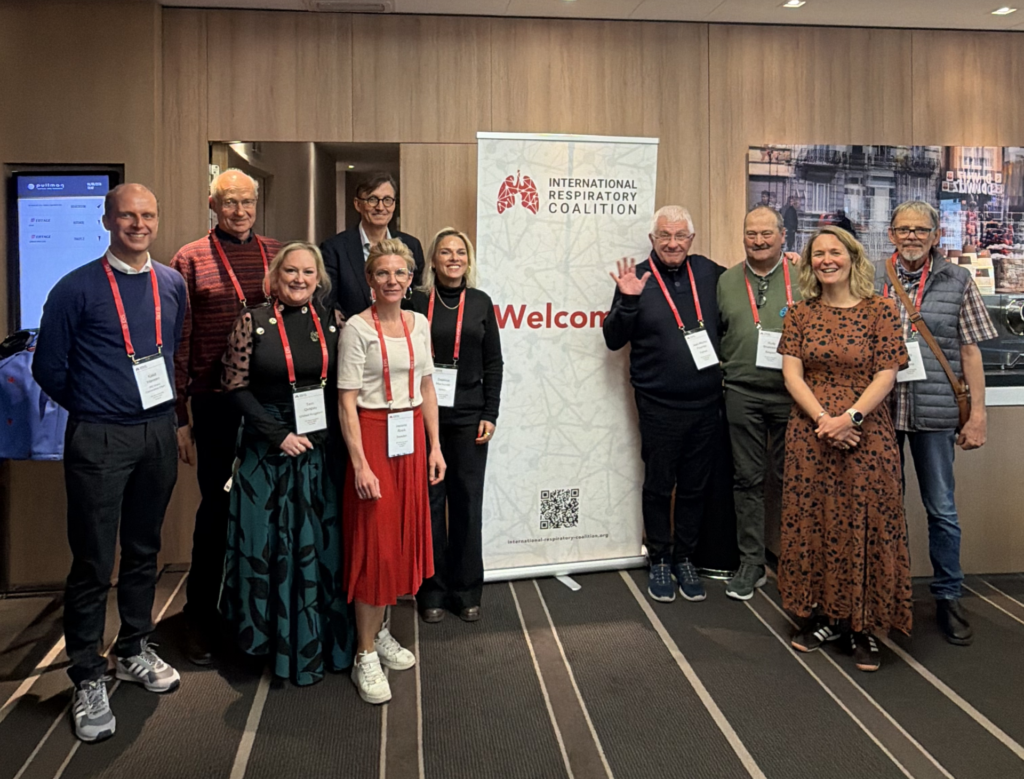
"It was amazing for us to connect and share status and experience with one another. There was such a powerful energy in the air. I was also really happy to talk on behalf of European patients alongside the European Lung Foundation team and those affected by rare diseases, including, of course, pulmonary fibrosis."
This sentiment was echoed by high-level stakeholders during the special World Asthma Day evening session. José Luis Castro, WHO Director-General Special Envoy for Chronic Respiratory Diseases, emphasized that the WHO is increasingly looking to grassroots coalitions to provide the "ground truth" that informs their global strategies.
MEP Tomislav Sokol, a key voice in the MEP Lung Health Group, noted that the legislative landscape in Brussels is becoming increasingly receptive to patient-led data. "When patients provide the evidence of their lived experience, it is no longer just a policy debate—it is a moral imperative," Sokol remarked during the panel.
Implications: The Road Ahead
The Brussels workshop was not merely an exchange of ideas; it was a rallying cry for a new era of respiratory health governance. The implications for the coming years are clear:
1. Centrality of the Patient Voice
The "nothing about us without us" mantra is now standard operating procedure for the IRC. Future national respiratory plans will be vetted by patient representatives to ensure they meet criteria for accessibility, usability, and patient-centeredness.
2. Standardization of Care
Through the adoption of the IRC Blueprint, the hope is to reduce the "postcode lottery" of respiratory care. By aligning national policies with international standards, the coalitions aim to ensure that medical innovations and diagnostic advancements are deployed equitably.
3. Strengthening National Coalitions
The workshop served as a masterclass in coalition building. Many of the 21 represented countries are in the early stages of organizing their respiratory stakeholders. The mentorship provided by more established coalitions, facilitated by the ELF, is expected to accelerate the development of advocacy groups in emerging regions, creating a more robust European network.
4. Integration of Digital Health
A recurring theme throughout the event was the role of digital health in monitoring respiratory conditions. From telehealth platforms to remote monitoring devices for asthma management, the participants agreed that digital infrastructure must be a pillar of national policy to reach populations in rural or underserved areas.
Conclusion: A Sustained Momentum
As the Brussels workshop concluded, the message was one of enduring collaboration. The European Lung Foundation (ELF) has committed to maintaining this momentum, ensuring that the dialogue between patients, clinicians, and policymakers does not end at the close of a summit.
The challenges are significant. The path from policy design to on-the-ground implementation is often long and fraught with bureaucratic hurdles. However, the energy displayed by the delegates—a coalition of the willing, armed with both data and empathy—suggests that the tide is turning.
For the millions of Europeans living with lung conditions, the IRC National Coalitions Workshop represents more than just a meeting of minds. It represents a promise: that their voices will not only be heard but will be the foundation upon which the future of European respiratory health is built.
To stay informed about the progress of these national respiratory initiatives, or to contribute your voice to the European lung health movement, join the European Lung Foundation mailing list. By subscribing, you gain access to the latest research, upcoming advocacy events, and the opportunity to share your experience with a network of experts and fellow patients.