Date: July 15, 2026
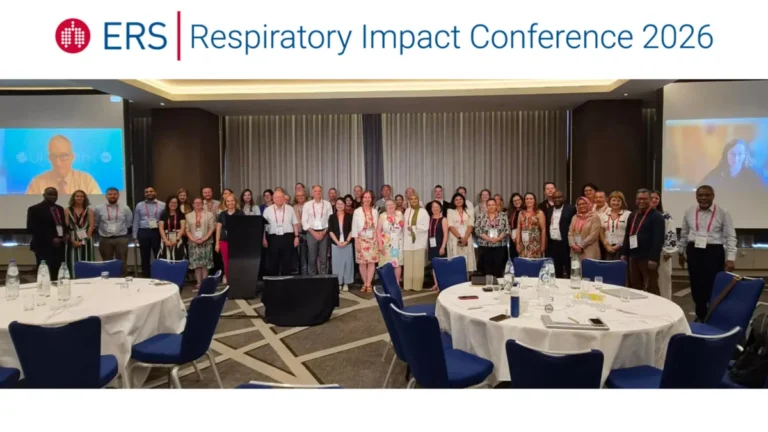
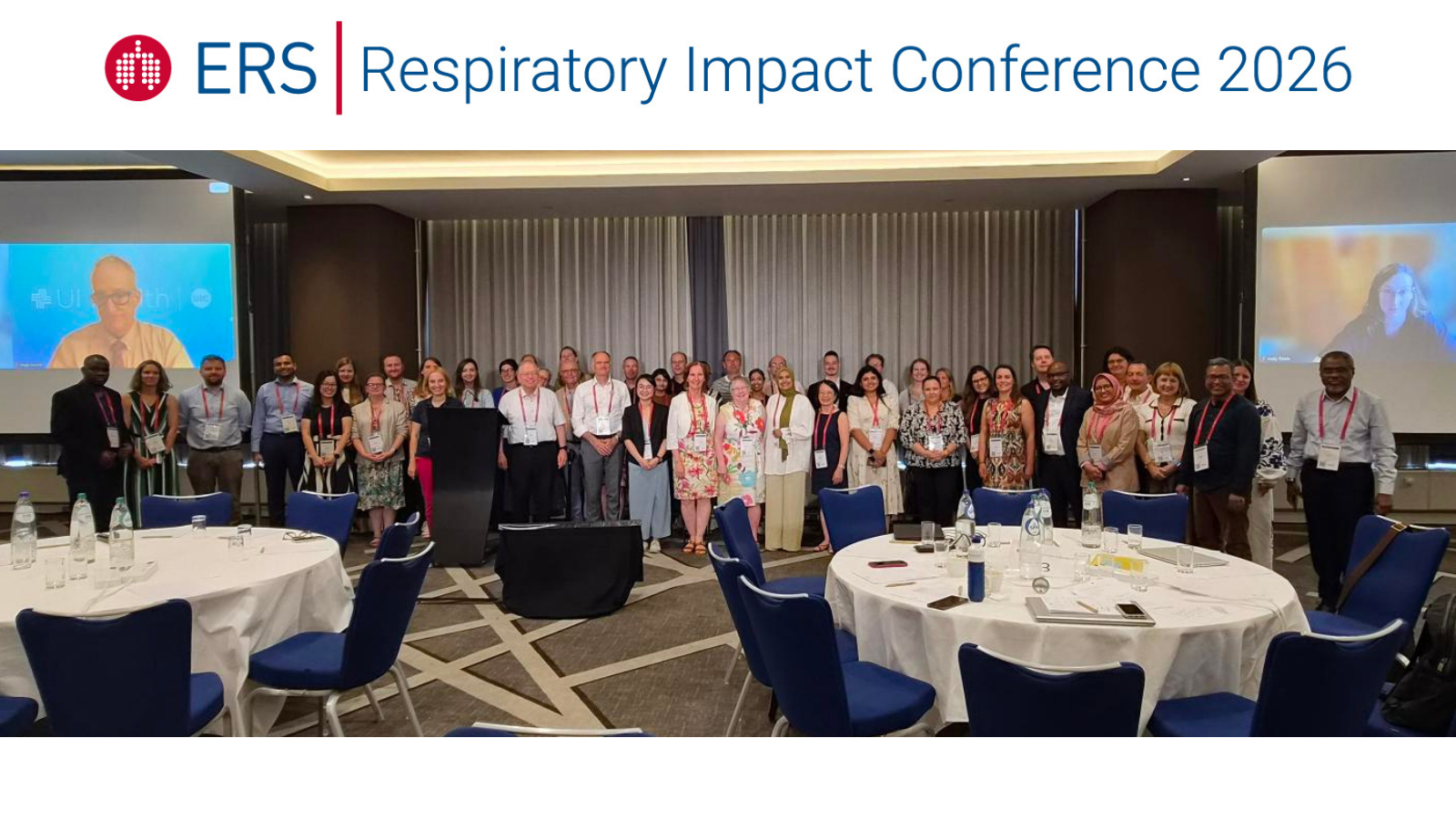
In a landmark development for global health, the European Respiratory Society (ERS) hosted its inaugural Respiratory Impact Conference in late June 2026. Designed as a definitive forum for the implementation of evidence-based care, the event marked a strategic shift in how the international medical community approaches respiratory disease—moving beyond the laboratory to prioritize the real-world application of medical breakthroughs.
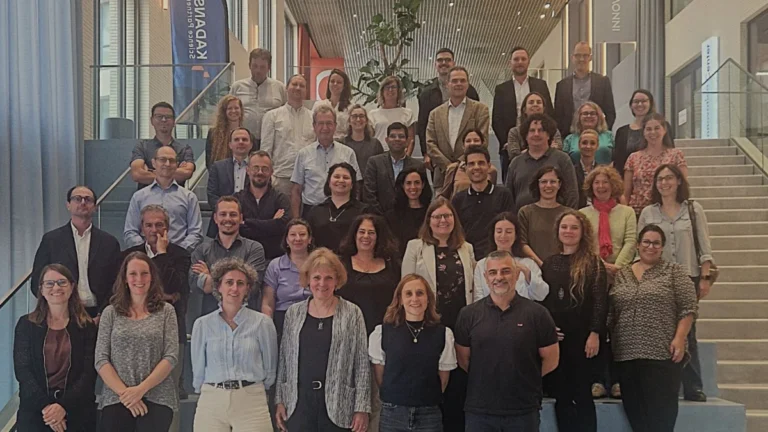
For decades, the "translational gap"—the distance between scientific discovery and its integration into routine clinical practice—has been a persistent hurdle in healthcare. The ERS Respiratory Impact Conference sought to dismantle this divide, bringing together a multidisciplinary coalition of experts from 38 countries to chart a new course for respiratory medicine.
Main Facts: A New Era for Implementation Science
The inaugural conference served as a nexus for stakeholders representing every facet of the healthcare ecosystem. Unlike traditional medical conferences that focus primarily on pathology or pharmacology, the ERS Impact Conference prioritized "Implementation Science"—the study of methods to promote the uptake of research findings into routine healthcare practice.
The core objective was to move respiratory health from the theoretical to the practical. With attendees ranging from policymakers and patient advocates to frontline clinicians and educators, the conference underscored a fundamental truth: scientific innovation remains sterile unless it is accessible, scalable, and culturally integrated into diverse healthcare systems.
Key pillars of the event included:
- Systems Integration: Analyzing how to embed new diagnostic protocols into primary and secondary care.
- Health Equity: Addressing the disparities in respiratory care access across varying socioeconomic landscapes.
- Policy Advocacy: Converting clinical data into actionable legislation to combat chronic respiratory diseases at a population level.
Chronology: A Roadmap to Global Impact
The conference program was meticulously structured to mirror the journey of medical evidence from conception to community adoption.
Pre-Conference: Setting the Global Agenda
Months of preparation by the ERS organizing committee ensured that the program addressed the most pressing gaps in global respiratory care. The committee prioritized speakers who could speak to both the technical rigor of respiratory medicine and the sociopolitical realities of public health.
The Opening Keynote: Framing the Challenge
The event commenced with a powerful address from José Luis Castro, Director-General Special Envoy for Chronic Respiratory Diseases for the World Health Organization (WHO). Castro’s keynote provided the necessary gravitas, highlighting the escalating global burden of chronic respiratory conditions. He emphasized that the "science of implementation" is not merely an academic pursuit but a moral imperative. By aligning WHO’s global policy goals with the ERS’s clinical expertise, the address set a collaborative tone for the subsequent sessions.
Mid-Conference: The Deep Dive
Following the keynote, the schedule transitioned into highly interactive, multidisciplinary workshops. These sessions were designed to break down "siloed" thinking. Clinicians were paired with policymakers to debate the regulatory hurdles of new inhaler technologies, while researchers worked alongside patient representatives to ensure that new clinical guidelines were not only scientifically sound but also patient-centered.
Conclusion: Synthesizing the Future
The final day focused on the "three pillars" of ERS: Science, Education, and Advocacy. The closing sessions were dedicated to establishing a sustainable network for ongoing collaboration, ensuring that the momentum generated in June would carry forward into local implementation projects across the 38 represented nations.
Supporting Data: Why Implementation Matters
The urgency of the conference is supported by a growing body of data regarding the "implementation gap." Research indicates that it can take, on average, 17 years for medical evidence to reach clinical practice. In the context of rapidly evolving respiratory diseases, such as COPD, asthma, and post-viral pulmonary sequelae, this delay is unacceptable.
Data presented at the conference highlighted several critical areas:
- The Burden of Disease: Chronic respiratory diseases remain a leading cause of disability-adjusted life years (DALYs) globally.
- The Efficacy Gap: While pharmacological therapies for asthma have advanced significantly in the last decade, regional data suggests that patient adherence and correct inhalation technique remain low, largely due to a lack of structured educational implementation.
- Economic Impact: The cost of failing to implement evidence-based preventative care—such as smoking cessation programs and early diagnostic screening—far outweighs the initial investment in training and infrastructure.
The conference showcased case studies from pilot programs where integrated care pathways reduced hospital readmission rates for COPD patients by nearly 25% over 18 months, providing a compelling economic argument for the "Impact" model.
Official Responses and Expert Perspectives
The success of the event was reflected in the enthusiasm of its leadership and faculty. Prof. Hilary Pinnock, ERS Education Council Chair and Professor of Primary Care Respiratory Medicine at The University of Edinburgh, served as a Co-Chair for the event. Her remarks highlighted the symbiotic relationship between discovery and implementation.
"ERS recognizes that the translational pathway extends beyond ‘bench to bedside’ to encompass how effective treatments can be implemented in routine care," Prof. Pinnock noted. "The Respiratory Impact Conference complements the discovery science focus that has been served so well by the ERS Lung Science Conference. Together, these meetings represent the full spectrum of respiratory science—from understanding the mechanisms of disease and developing new therapies through implementation and population health."
Furthermore, Prof. Pinnock highlighted the importance of the conference’s structure: "The faculty and highly interactive sessions demonstrated that achieving impact relies on the three pillars of ERS working together: science, education, and advocacy. It was inspiring to see so many disciplines coming together with a shared goal of improving respiratory health."
The feedback from participants—who included frontline healthcare workers and high-level policy analysts—was universally positive, with many reporting that the event provided the "missing link" between their research and their daily professional challenges.
Implications: The Path Forward
The 2026 ERS Respiratory Impact Conference is poised to serve as a catalyst for a fundamental change in how the medical community views its responsibilities. The implications are far-reaching:
1. A Shift in Medical Education
The conference signaled that the next generation of respiratory specialists must be as fluent in implementation science as they are in pulmonary physiology. We can expect to see an increased emphasis on "implementation-ready" curriculum designs in medical schools worldwide.
2. Policy Reform
By bringing policymakers into the room, the ERS has opened a direct channel for evidence to influence national health policies. Future legislative efforts concerning air quality, tobacco control, and respiratory infrastructure are now better positioned to rely on the robust, peer-reviewed data championed at the conference.
3. Patient-Centered Innovation
The active participation of patient representatives ensures that future respiratory care models will be more inclusive. This means moving away from "one-size-fits-all" approaches toward personalized, patient-centric care that accounts for individual lifestyles and community resources.
4. A Permanent Framework for Collaboration
Perhaps the most significant outcome is the strengthening of the ERS infrastructure as a global hub. By creating a dedicated forum for implementation, the ERS has ensured that "Impact" is no longer an afterthought but a central tenet of its strategic plan.
Conclusion
As the curtains closed on the 2026 conference, the consensus among attendees was clear: the era of the isolated researcher is ending, replaced by an era of collaborative impact. The challenges facing global respiratory health—from climate-induced lung stress to the chronic burden of existing diseases—are complex and multifaceted. However, by uniting science, education, and advocacy under one umbrella, the European Respiratory Society has provided the tools necessary to bridge the gap between discovery and care.
The success of this first event is not just a triumph for the ERS, but a victory for patients worldwide who stand to benefit from a more efficient, evidence-driven, and compassionate approach to respiratory health. As the medical community looks toward the future, the lessons of June 2026 will undoubtedly serve as the foundation for the next great leap in respiratory medicine.