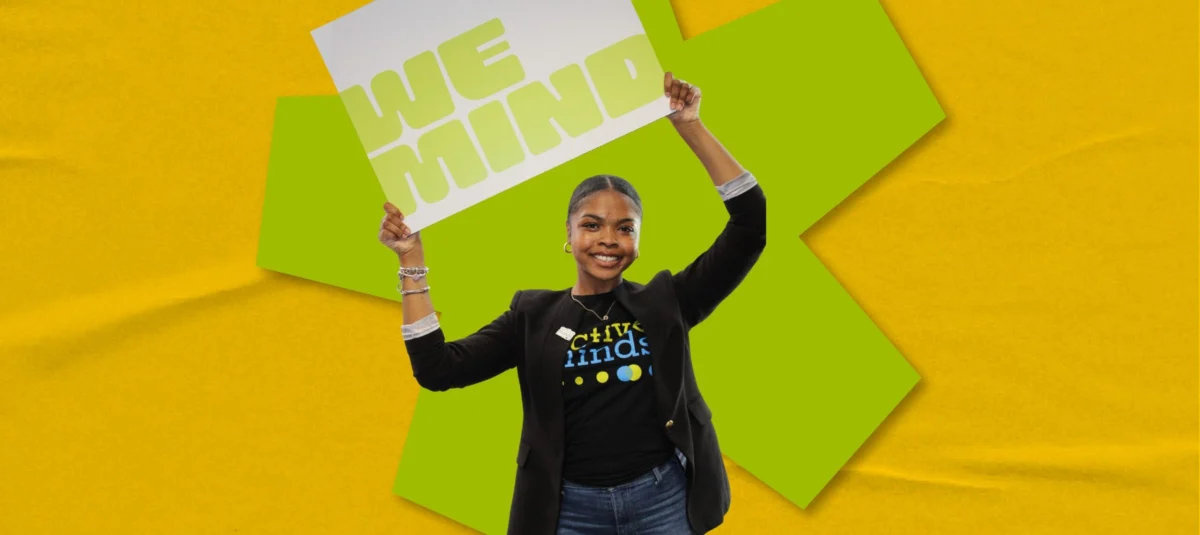
WASHINGTON, D.C. — In the corridors of the Rayburn House Office Building, where policy is often dictated by seasoned legislators and veteran lobbyists, a new generation of leaders recently took center stage. To mark the commencement of Mental Health Awareness Month this May, five young advocates representing the national non-profit organization Active Minds convened on Capitol Hill. Their mission: to champion the Campus Lifeline Act, a pivotal piece of legislation designed to integrate mental health resources directly into the daily lives of millions of American students.
The advocacy day served as a powerful reminder that the most effective solutions to the youth mental health crisis are those informed by youth themselves. By sharing their lived experiences with depression, loss, and recovery, these five panelists moved beyond abstract statistics, providing House of Representatives staffers and legislators with a human face for a national emergency.
Main Facts: The Push for the Campus Lifeline Act
At the heart of this legislative push is the Campus Lifeline Act (H.R. 8657). Authored in collaboration with Active Minds, the bill seeks to address the staggering rise in mental health challenges among college students by mandating the inclusion of the 988 Suicide & Crisis Lifeline on all newly issued student identification cards.
The bill is not merely a branding exercise; it represents a strategic shift toward "point-of-crisis" accessibility. By placing the three-digit emergency number on a physical or digital card that students carry at all times, the legislation aims to eliminate the "friction" of seeking help. Furthermore, the Act calls for increased federal investment in youth-informed mental health strategies, ensuring that the resources provided are culturally competent and relevant to the modern student experience.
Active Minds, the organization behind this initiative, has long maintained that leadership begins with young adults. With a network of over 600 chapters across high schools and colleges, the organization operates on the foundational truth that peer-to-peer advocacy is the most potent tool in destigmatizing mental health care.
Chronology of the Advocacy: From Grassroots to the Rayburn Building
The events of May 5th were the culmination of months of grassroots organizing and individual journeys of resilience. The panel discussion featured five distinct voices, each representing a different facet of the mental health struggle and the advocacy landscape.
A Trajectory of Grassroots Organizing
Ayaan Moledina, a 17-year-old from Rock Round, Texas, opened the dialogue with a perspective that bridged the gap between student life and local governance. As the director of Students Engaged in Advancing Texas (SEAT) and a candidate for his local school board, Moledina spoke to the necessity of including young people in the policy-making process.
Diagnosed with depression at age ten, Moledina’s journey into advocacy was born of necessity. "You can’t make effective mental health policy for young people without young people," he told the room of Congressional staffers. "Students are the ones closest to the problem." His testimony highlighted the importance of "mental health competency" in educational settings, arguing that early intervention is the key to preventing long-term crises.
From Personal Loss to Legislative Change
For Carson Domey of Massachusetts and Amy Senkerik of Arizona, the mission was deeply personal, rooted in the tragic loss of friends to suicide.
Domey began his advocacy at age 12, initially focusing on the accessibility of telehealth. However, the loss of a friend in 2018 shifted his focus toward systemic reform. He has since worked to redefine physical education standards to include mental health education, arguing that the mind and body cannot be treated as separate entities in a school curriculum.
Similarly, Amy Senkerik, an undergraduate at Arizona State University—the nation’s largest public university—brought a "proof of concept" to the table. Senkerik successfully advocated for the addition of the 988 Lifeline to ASU’s digital student IDs. "When we make help easier to find, we give people a better chance," she noted. Her success at the university level provides a blueprint for what the Campus Lifeline Act seeks to achieve on a federal scale.
Destigmatization and Clinical Parity
The panel also addressed the social and clinical barriers to care. Michael Landu spoke passionately about the need for "medical parity"—the idea that psychiatric prescriptions should be viewed with the same acceptance as medications for physical ailments like high blood pressure. Landu, who lives with Major Depressive Disorder (MDD), emphasized that the 988 Lifeline is a vital safety net that he wished he had known about during his own darkest moments.
Naomi Hines, a soon-to-be graduate of Bowie State University and CEO of the Acts of Kindness Project, focused on the intersection of mental health and underserved communities. As a certified mental health first aid provider, Hines highlighted the "comfort gap"—the reality that even when resources exist, students often feel uncomfortable or stigmatized when using them. Her advocacy centers on creating a culture of kindness and proactive support that reaches students before they hit a breaking point.
Supporting Data: The Urgent Need for Intervention
The advocacy efforts of Active Minds are backed by a sobering set of data regarding the state of youth mental health in the United States. According to the Centers for Disease Control and Prevention (CDC), suicide remains the second leading cause of death for individuals aged 10 to 24.
Furthermore, recent studies by Active Minds and the Healthy Minds Network indicate that:
- 39% of college students report experiencing a significant mental health issue.
- Two-thirds of students who are struggling do not seek professional help, often citing a lack of knowledge about where to go or a fear of stigma.
- Peer influence is the most significant factor in a student’s decision to seek care; 67% of students say they would tell a friend they are struggling before telling a professional.
The transition to the 988 Suicide & Crisis Lifeline in July 2022 was a major milestone, but awareness remains a hurdle. Data suggests that while the 988 line has seen a significant increase in call volume, younger demographics—who primarily communicate via text and digital platforms—require more direct and constant reminders of its availability. The Campus Lifeline Act addresses this by placing the number in the one place every student looks: their ID.
Official Responses and Legislative Context
The Campus Lifeline Act is positioned as a bipartisan effort, reflecting a growing consensus in Washington that mental health is a non-partisan issue. While the bill is currently making its way through the legislative process, the response from staffers following the May 5th panel was reportedly positive.
Legislators supporting the bill argue that it provides a low-cost, high-impact solution. Unlike larger healthcare reforms that require massive infrastructure overhauls, updating student IDs is a practical step that can be implemented relatively quickly.
"Policy should reflect who it is created for," the panelists argued collectively. By having Active Minds author the bill, the legislation avoids the "top-down" approach that often fails to resonate with Gen Z. Instead, it utilizes the language and platforms that students already use, such as digital wallets and mobile-first resources.
Implications: A New Era of Youth-Led Policy
The significance of the Capitol Hill panel extends beyond the specific clauses of H.R. 8657. It signals a shift in how mental health policy is crafted in the United States. For decades, mental health advocacy was led by clinicians and parents; today, it is increasingly led by the students themselves.
The Power of the "Lived Experience"
The inclusion of young people like Moledina, Domey, Hines, Landu, and Senkerik in the legislative process validates the "lived experience" as a form of expertise. Their presence on the panel suggests that the era of making decisions for youth without including youth is coming to an end. This "seat at the table" ensures that policies are not just well-intentioned, but also effective and accessible.
Long-term Cultural Shift
If the Campus Lifeline Act passes, the long-term implication is a fundamental shift in campus culture. By normalizing the presence of crisis numbers on student IDs, the act helps to "bake" mental health awareness into the fabric of the educational experience. It sends a clear message from the federal government to every student in America: Your mental health matters, and help is always within reach.
A Call to Action
Active Minds continues to urge the public to support the Campus Lifeline Act. Through their online portal, supporters can contact their representatives in under three minutes—a testament to the organization’s commitment to lowering barriers to entry for advocacy.
As Mental Health Awareness Month continues, the stories of these five young leaders serve as a blueprint for the future. They have demonstrated that while the mental health crisis is daunting, the solution lies in the hands of those who understand it best. Through a combination of personal courage, data-driven policy, and relentless advocacy, the next generation is not just asking for change—they are drafting the legislation to make it happen.