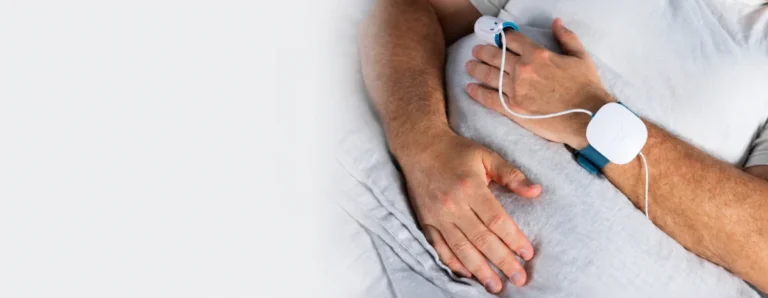
In a significant move to advance the standard of care for patients with acquired brain disorders, Burke Rehabilitation has secured a $75,000 grant from the ResMed Foundation. This financial infusion will propel a multi-year clinical research project designed to investigate the prevalence and impact of obstructive sleep apnea (OSA) within inpatient rehabilitation settings. By integrating sleep health directly into the rehabilitation continuum, the project aims to transform how clinicians approach the recovery process for some of the most medically complex patients in the healthcare system.
The Intersection of Sleep and Neurological Recovery
Obstructive sleep apnea is a chronic condition characterized by repeated interruptions in breathing during sleep, often leading to fragmented rest, oxygen desaturation, and systemic inflammation. While OSA is widely recognized as a public health concern, its specific role in the recovery trajectory of patients suffering from acquired brain disorders—such as strokes, traumatic brain injuries (TBI), or neurological conditions—has historically been under-researched in inpatient settings.
The fundamental premise of the Burke Rehabilitation study is that untreated sleep-disordered breathing serves as a "hidden" barrier to neurological rehabilitation. If a patient’s brain is not receiving adequate oxygen or restorative sleep cycles during the critical post-injury window, the biological processes required for neuroplasticity and functional gains may be severely compromised. By systematically identifying and treating OSA, the research team hopes to unlock new pathways for patient improvement.
A Two-Step Diagnostic Strategy
The research methodology employs a rigorous, two-step diagnostic protocol designed to be both efficient and accurate within the fast-paced environment of an inpatient rehabilitation facility.
- Screening: All eligible patients will first undergo the STOP-BANG screening instrument. This widely validated tool assesses factors such as snoring, tiredness, observed apnea, blood pressure, BMI, age, neck circumference, and gender to categorize patients by their risk level for OSA.
- Diagnostic Testing: Patients identified as high-risk will then be evaluated using the ZOLL Itamar WatchPAT, a sophisticated home sleep testing (HST) device. The WatchPAT allows for a non-invasive, clinical-grade assessment of sleep architecture and respiratory events without the need for a traditional in-laboratory polysomnography, which is often difficult to facilitate for patients already undergoing intensive rehabilitation.
Following diagnosis, the project establishes a clear roadmap for intervention, including the initiation of Continuous Positive Airway Pressure (CPAP) therapy and coordinated follow-up care with sleep medicine specialists after the patient is discharged from the rehabilitation facility.
Chronology: A Roadmap to Better Patient Outcomes
The research project is structured to unfold over several years, ensuring that the findings are robust and statistically significant. The timeline is as follows:
- Project Initiation: The research team, led by Burke’s chief physician of research and innovation, Mooyeon Oh-Park, MD, MHCM, has finalized the study design and established the collaborative framework with the Montefiore Health System’s department of pulmonary and sleep medicine.
- Patient Enrollment Phase (May 1, 2026 – December 31, 2028): Burke will recruit patients between the ages of 18 and 90 who are admitted to the facility with a diagnosis of an acquired brain disorder. This expansive timeframe allows for a large enough sample size to draw meaningful conclusions.
- Data Collection and Intervention: Throughout the patient’s stay, the team will monitor functional outcomes, sleep quality metrics, participation rates in therapy sessions, length of stay, and readmission rates.
- Post-Discharge Monitoring: The study extends into the post-acute phase, tracking how long-term CPAP compliance and sleep medicine follow-ups influence the patient’s long-term functional status.
Supporting Data and Hypotheses
The research team at Burke Rehabilitation has established ambitious but grounded expectations for the study. Their central hypothesis posits that at least 40% of the inpatient population admitted with acquired brain disorders will screen positive for OSA via the initial STOP-BANG assessment. Furthermore, among those who screen positive, the team anticipates that at least 40% will receive a confirmed diagnosis of OSA through the WatchPAT diagnostic testing.
These figures reflect a significant potential for clinical intervention. If these hypotheses are proven correct, it would confirm that a massive portion of the rehabilitation population is currently suffering from an undiagnosed, modifiable risk factor. By addressing this, clinicians can potentially improve:
- Functional Recovery: Faster attainment of physical and cognitive rehabilitation goals.
- Rehabilitation Participation: Increased stamina and mental acuity for daily physical, occupational, and speech therapy sessions.
- Length of Stay: Reducing the duration of inpatient care through optimized recovery trajectories.
- Readmission Rates: Decreasing the frequency of return visits to the hospital by stabilizing the patient’s underlying respiratory and cardiovascular health.
Official Responses: A Commitment to "Whole-Person" Care
The leadership at Burke Rehabilitation views this project as a cornerstone of their broader mission to deliver scientifically grounded, patient-centric care.
"Obstructive sleep apnea is a modifiable risk factor that can significantly affect neurological recovery and overall health after brain disorders," says Dr. Mooyeon Oh-Park. "By identifying sleep apnea earlier and understanding its role in recovery, we aim to advance more personalized, integrated care plans and shape the future of rehabilitative medicine for medically complex patients."
The sentiment is echoed by Scott Edelman, MBA, CPA, CFE, executive director at Burke Rehabilitation, who emphasizes the organizational culture of innovation. "At Burke, cutting-edge research and innovation are embedded in the clinical care we deliver every day," Edelman states. "This work underscores our commitment to advancing evidence-based care and ensuring it is fully integrated into practice. By driving innovation in physical medicine and rehabilitation, we are improving patient outcomes and setting the standard of excellence for rehabilitative care nationwide."
Implications for the Future of Rehabilitative Medicine
The implications of this study reach far beyond the walls of Burke Rehabilitation. If the integration of sleep diagnostics into standard inpatient rehabilitation proves successful, it could fundamentally alter the "standard of care" guidelines for traumatic brain injury and stroke rehabilitation across the United States.
Shifting the Paradigm
Currently, rehabilitation focuses heavily on physical modalities—gait training, fine motor skill development, and cognitive exercises. This research argues for the addition of "metabolic and physiological stabilization" as a primary pillar of the rehabilitation experience. By treating the patient as a "whole person" rather than a set of isolated symptoms, Burke is advocating for a shift in the philosophy of rehabilitative medicine.
Addressing Health Disparities
Often, patients with acquired brain disorders face significant barriers to specialized care. By utilizing the WatchPAT home testing device, the study demonstrates a commitment to accessibility, proving that advanced diagnostic tools can be integrated into the rehabilitation environment without creating additional logistical burdens for the patient.
Collaboration and Expertise
The strength of this research lies in its multidisciplinary approach. The team includes experts in respiratory therapy, clinical research compliance, and brain injury medicine, bolstered by the specialized pulmonary expertise of the Montefiore Health System. This collaboration ensures that the project is not just a theoretical study, but a practical application of clinical expertise that can be scaled and replicated in other healthcare systems.
Conclusion
As the medical community continues to explore the complex relationship between sleep and neurological health, the project at Burke Rehabilitation stands as a beacon of progress. With the support of the ResMed Foundation, the researchers are poised to provide the empirical evidence needed to prove that sleep health is an essential component of rehabilitation.
By identifying the prevalence of OSA in patients with brain injuries and measuring the subsequent impact of treatment, Burke is not merely conducting a study; they are actively working to improve the quality of life for thousands of patients. As the enrollment phase approaches in 2026, the healthcare industry will be watching closely, anticipating a new standard for how we help the brain heal—one night of restful sleep at a time.