




For millions of adults worldwide, the simple act of rising from a chair, navigating a flight of stairs, or taking a short walk is not just a routine movement—it is an exercise in endurance. Osteoarthritis (OA), the most common form of arthritis and a leading cause of chronic disability, affects more than 365 million people globally. While conventional treatments—ranging from physical therapy and anti-inflammatory medications to intra-articular injections—provide initial relief, many patients eventually reach a clinical stalemate where these methods fail, yet they are either medically ineligible for or personally opposed to the life-altering commitment of total knee replacement surgery.
A burgeoning, minimally invasive procedure known as Genicular Artery Embolization (GAE) is emerging as a potential solution for this "treatment gap." Recent findings published in the journal Radiology offer the most comprehensive evidence to date on the efficacy of using rapidly resorbable, gelatin-based microspheres to target the neurovascular drivers of knee pain. With a study cohort of 194 patients, researchers have demonstrated that this procedure may provide significant, long-lasting relief, potentially altering the landscape of orthopedic care.
The Pathophysiology of Pain: Why Joints Fail
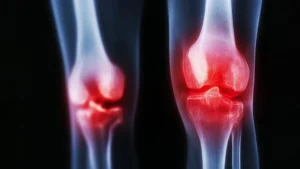
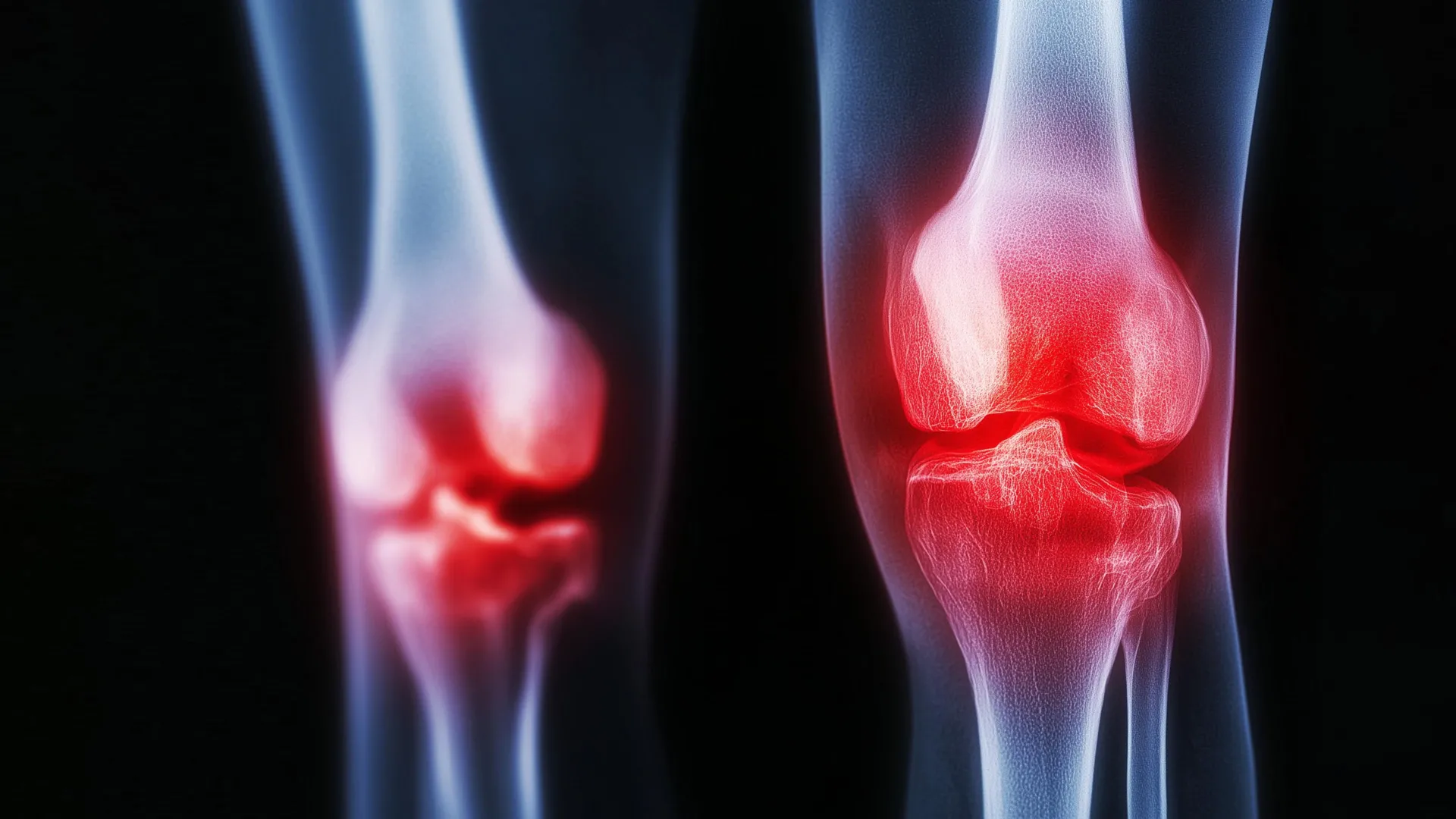
To understand the promise of GAE, one must first understand that osteoarthritis is far more than simple "wear and tear." While the gradual erosion of cartilage is the hallmark of the disease, the pain associated with OA is a complex biological phenomenon. It involves chronic inflammation within the synovium—the thin membrane lining the joint—and the development of abnormal blood vessels (hypervascularity) that proliferate within and around the joint.
These abnormal vessels do more than just supply blood; they create a pathological environment that encourages the growth of sensory nerves, which transmit persistent, debilitating pain signals to the brain. Traditional treatments, such as corticosteroids or hyaluronic acid injections, attempt to suppress local inflammation but often fail to address the underlying structural vascular changes. By ignoring the "neurovascular environment," conventional medicine has struggled to provide long-term relief for patients in the middle stages of the disease.
A New Frontier: The GAE Procedure
Genicular Artery Embolization (GAE) approaches the problem from a radical new angle. Rather than operating on the joint or replacing it, interventional radiologists utilize a minimally invasive, image-guided technique to "quiet" the inflammation.
Using real-time fluoroscopy (continuous X-ray imaging), a physician guides a micro-catheter through the arterial system directly to the small vessels feeding the synovium. Once the target vessels are identified, the doctor injects microscopic, gelatin-based particles. These particles temporarily block blood flow to the hypervascular tissue. Because the particles are "rapidly resorbable"—designed to dissolve within hours—they effectively shut down the pathological pathways that trigger pain signals without permanently compromising the knee’s necessary circulation.
This technique, termed "superselective embolization," allows for precise intervention, sparing the rest of the joint and avoiding the trauma of an open surgical incision.
Chronology of the 194-Patient Study
The study, conducted between July and November 2024, represents a significant milestone in interventional radiology. The researchers monitored 194 patients—114 women and 80 men—with a median age of 69 and a median body mass index (BMI) of 28.4. All participants had previously exhausted conservative care for at least three months without success.
- Initial Intervention: The team performed 239 total procedures (accounting for 45 patients who received bilateral treatment). Every procedure was reported as technically successful.
- Safety Assessment: Safety outcomes were notably positive. There were no moderate or severe adverse events recorded, and mild complications (such as minor skin discoloration or superficial bruising at the catheter site) occurred in only 6.7% of cases, all resolving without long-term issues.
- The 6-Week Milestone: Patients reported a dramatic shift in pain intensity, with median Numeric Rating Scale (NRS) scores dropping from a 7 (pre-treatment) to a 4.
- The 6-Month and 1-Year Follow-Up: The relief proved remarkably durable. By six months, the median pain score had further declined to 3 and remained at that level at the 12-month mark.
Quantitative Breakthroughs: Data and Quality of Life
The study utilized the standardized Knee Injury and Osteoarthritis Outcome Score (KOOS) to measure success beyond mere pain reduction. The improvements across five key domains were statistically significant and clinically meaningful:
- Daily Living: Scores for routine tasks like walking and stair climbing jumped from 53 to 71.5.
- Sports and Recreation: Participation in more physically demanding activities saw a score increase from 15 to 36.
- Symptom Management: General OA symptom scores rose from 51 to 68.
- Pain Intensity: The pain sub-score improved from 44 to 65 (on a 100-point scale).
- Quality of Life: Perhaps the most significant metric, the quality-of-life score more than doubled, rising from 19 to 40.
Critically, 80% of the patients who completed the one-year follow-up met the "minimum clinically important difference" (MCID) threshold. This means the improvements were not just statistical anomalies but were tangible changes that drastically altered the patients’ day-to-day functional capacity.
Official Perspectives: Dr. Florian Nima Fleckenstein
Dr. Florian Nima Fleckenstein, deputy head of Interventional Radiology at Charité – Universitätsmedizin Berlin, believes the data provides a strong argument for integrating GAE into standard practice.
"For many patients with knee osteoarthritis, there is a real treatment gap today," Dr. Fleckenstein stated. "Conservative measures no longer provide sufficient relief, but joint replacement is not an option for medical or personal reasons. By embolizing the pathological vessels, we are able to normalize the vessel structure—and, in turn, the neuronal structure of the knee."
Dr. Fleckenstein emphasized that the study’s strength lies in its "real-world" design. Rather than selecting an elite, limited group of patients, the research reflects the diverse population physicians see in clinics every day. He suggests that GAE could potentially be the first procedure to actually modulate the pathological neurovascular environment, thereby potentially slowing the disease’s progression, though he notes that further study is required to confirm whether the treatment prevents future cartilage loss.
The Broader Scientific Landscape: Weighing the Evidence
While the results from Dr. Fleckenstein’s team are promising, the medical community maintains a cautious stance. GAE is currently a subject of intense academic debate.
A 2026 randomized study in Clinical Radiology found that GAE combined with standard care yielded a 72.7% improvement in pain scores compared to 24.2% for standard care alone. However, other randomized, sham-controlled trials have yielded more ambiguous results. For instance, an April 2026 study in European Radiology involving 58 patients found that while both the GAE and "sham" (placebo) groups experienced pain relief, there was no statistically significant difference between the two.
These conflicting results have led to meta-analyses—such as the September 2026 review of 633 patients—concluding that while pain scores improve post-procedure, the current "certainty of evidence" remains low to very low when compared to sham treatments. Critics argue that the placebo effect in joint procedures can be powerful, and until more large-scale, blinded trials are completed, GAE should be viewed as an emerging experimental therapy rather than a definitive cure.
Clinical Implications and Future Directions
Despite the ongoing debate, the Society of Interventional Radiology (SIR) released a 2026 position statement supporting GAE for appropriately selected patients. The society underscores that the procedure is not a replacement for surgery but a "middle-path" for those who have exhausted all other options.
Key Considerations for Patients:
- Patient Selection: Success depends heavily on identifying patients whose pain is primarily driven by inflammatory hypervascularity.
- Procedural Expertise: The success of GAE relies on the skill of the interventional radiologist to navigate and "superselect" the exact vessels involved.
- The Need for Rigor: Larger, multi-center, sham-controlled trials are currently the priority to determine if GAE truly prevents long-term joint degradation or simply masks symptoms.
For a patient currently trapped between the limitations of injections and the daunting prospect of a total knee replacement, the results of the 2024 study offer a flicker of hope. While science continues to parse the difference between physical intervention and the placebo effect, the data suggests that for a significant majority of sufferers, GAE can provide the one thing they have been searching for: a return to their daily lives, free from the shadow of chronic, limiting pain. As research matures, GAE may well transition from an experimental curiosity to a cornerstone of regenerative and interventional orthopedic medicine.