










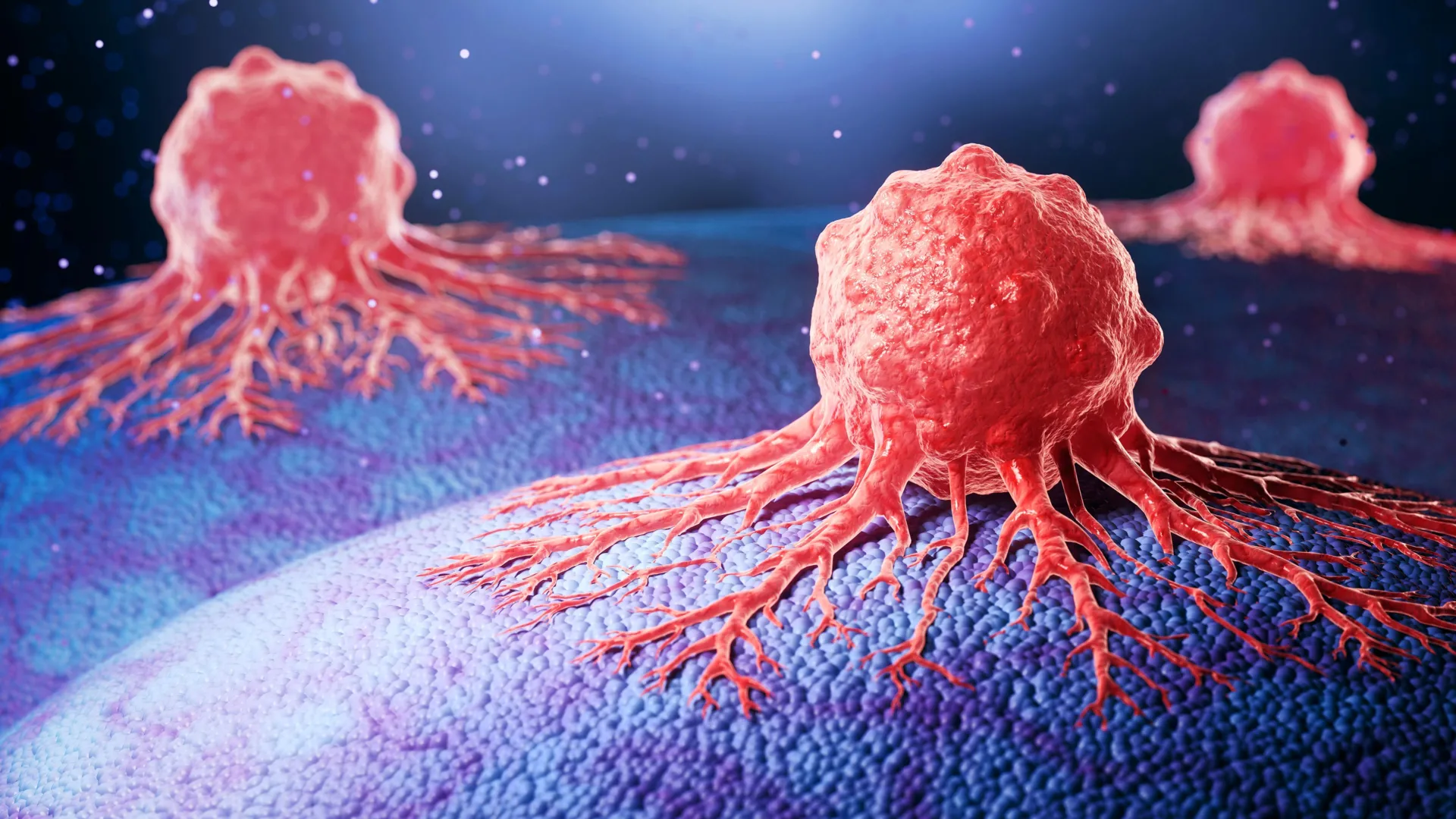
A troubling medical trend has emerged from the heart of the United Kingdom, casting a long shadow over the health landscape for younger generations. A comprehensive study, recently published in the open-access journal BMJ Oncology, has identified a significant and concerning uptick in cancer incidence among adults under the age of 50 in England. While cancer has historically been viewed as a disease of aging, this research indicates that the clinical reality is shifting, with younger cohorts experiencing faster growth rates for certain malignancies than their older counterparts.
Main Facts: A Generational Shift in Cancer Incidence
The study, which utilized data from England’s National Disease Registry Service spanning 2001 to 2019, paints a complex picture of public health. Researchers scrutinized trends across more than 20 distinct types of cancer, comparing the experiences of adults aged 20 to 49 against those 50 and older.
The findings are stark: cancer rates are not merely rising; they are rising with a distinct age-based disparity. For younger women, 16 out of 22 examined cancer types showed statistically significant increases. For younger men, the figure stood at 11 out of 21. Among these, bowel and ovarian cancers have emerged as particularly alarming cases. Unlike other malignancies that are rising across all age groups, the incidence of bowel and ovarian cancer is climbing specifically within the younger demographic, while remaining stable or decreasing in older populations.
This phenomenon suggests that the "cancer burden" is being redistributed, moving toward younger segments of the population in ways that traditional medical models may not yet be equipped to address.
Chronology: Two Decades of Data
To understand the trajectory of this shift, researchers conducted an extensive longitudinal analysis. By evaluating incidence records from 2001 to 2019, they were able to isolate trends that might have been obscured by shorter-term observations.
- 2001–2010 (The Baseline): During the early years of the study, cancer incidence among younger adults showed signs of divergence from historical norms. Researchers began to track the correlation between established behavioral risk factors—such as smoking, alcohol consumption, dietary habits, and BMI—and the incidence of cancer.
- 2010–2019 (The Acceleration): As the decade progressed, the data revealed a rapid acceleration in the incidence of 11 specific cancers linked to behavioral risks. These included cancers of the thyroid, liver, kidney, gallbladder, bowel, pancreas, mouth, breast, and ovary, alongside multiple myeloma and endometrial cancer.
- 2019 and Beyond: By the conclusion of the study period, the data showed that despite improvements in some lifestyle metrics—such as a notable decline in red meat consumption—the cancer rates continued their upward climb, creating a "paradox of health" that remains a central mystery for oncologists.
Supporting Data: Dissecting the Risk Factors
The researchers did not merely look at cancer rates; they cross-referenced these trends with national health surveys to determine if changes in lifestyle could account for the surge. The variables included tobacco use, alcohol intake, fiber intake, and physical activity levels.
The Obesity Paradox
Excess body weight was identified as a primary contributor, linked to 10 of the 11 cancers identified as high-risk for younger adults. However, the study provides a critical caveat: obesity cannot be the sole culprit. While BMI-related cancer cases are rising, the incidence of non-BMI-attributable cancers is also increasing. This indicates that while body weight is a massive public health concern, it is merely one component of a much larger, more multifaceted puzzle.
Lifestyle Trends: The Contradiction
Perhaps the most perplexing aspect of the data is the improvement in certain behavioral risk factors. For instance, between 2008 and 2018, red meat consumption among younger men dropped from 38 grams per day to 17 grams. Younger women saw a similar decline, dropping from 22 grams to 10 grams. Fiber intake, while still largely insufficient across the population, showed signs of stabilization or slight improvement.
If these established risk factors are improving, why is the cancer rate increasing? The study suggests that there may be a "net effect" of multiple, competing influences. The researchers noted that for many cancers, behavioral risks like smoking or alcohol consumption still account for a substantial percentage of cases—ranging from 29% to 68% depending on the specific cancer—but these factors do not explain the acceleration of the trend in younger people.
Official Perspectives and Scientific Inquiry
The scientific community is currently grappling with the implications of these findings. Because the study was observational, it cannot definitively prove causation. However, the researchers have proposed several hypotheses for why younger adults are facing an increased risk.
The Search for Hidden Triggers
If traditional lifestyle factors are not the sole explanation, what is? The study highlights several potential "external" drivers:
- Early-Life Exposures: The researchers pointed toward the possibility of "early-life or prenatal risk factors." This hypothesis suggests that the seeds of cancer in a 40-year-old may have been sown during childhood or even in utero.
- The Gut Microbiome: There is growing interest in the role of the gut microbiome. Disruptions in the delicate ecosystem of microorganisms in the digestive tract could be a silent driver of inflammatory processes that lead to malignancy.
- Ultra-Processed Foods: The modern diet has shifted dramatically toward ultra-processed foods, which often contain additives, preservatives, and sugar profiles that were not present in previous generations’ diets.
- Environmental Factors: Exposure to air pollution, antibiotics, and other modern chemicals is being examined as a potential contributor, though current data has yet to provide a "smoking gun."
The "Age-Specific" Susceptibility
The researchers suggest that younger adults may have unique biological susceptibilities. They note that, "some cancers may have age-specific exposures, susceptibilities, or differences in screening and detection practices." In essence, the biological environment of a 30-year-old body may process carcinogenic exposures differently than that of a 70-year-old, potentially leading to more aggressive or frequent developments of certain cancers.
Implications for Public Health and Clinical Practice
The implications of this research are far-reaching, demanding a fundamental re-evaluation of how we approach cancer screening and prevention.
Rethinking Screening Guidelines
Historically, cancer screening has been heavily focused on the 50-plus demographic. If incidence rates are rising among those in their 20s, 30s, and 40s, health systems may need to reconsider the age at which screening for bowel, breast, and other cancers begins. The "wait until 50" approach is increasingly looking like an outdated strategy.
The Need for Lifelong Prevention
The study serves as a stern reminder that health is cumulative. The researchers emphasize that the "absolute burden" of cancer still remains much higher among older adults, and there is a risk that focusing exclusively on the younger demographic could divert essential resources. However, the data highlights the urgent need to view cancer prevention as a lifelong endeavor—starting from early childhood.
A Call for Further Research
The authors of the BMJ Oncology study are clear: we are only scratching the surface. The next phase of research must go beyond simple observational data. Prospective studies that track younger generations over longer periods, incorporating genetic, environmental, and microbiome data, are essential.
As it stands, the rise in cancer among the young is a signal that our modern environment, lifestyle, and medical landscape are undergoing a profound shift. While we continue to fight the battle against cancer in our older populations, the silent surge among the young serves as a sobering reminder that the disease is evolving—and our public health strategy must evolve with it.
For now, the medical community urges vigilance. While individual lifestyle changes like maintaining a healthy weight and reducing alcohol intake remain the best tools for risk reduction, the broader trends suggest that there is a wider, systemic issue at play. Until science can pinpoint the exact causes of this generational shift, the focus must remain on early detection, increased awareness, and a comprehensive, lifelong approach to health and wellness.