








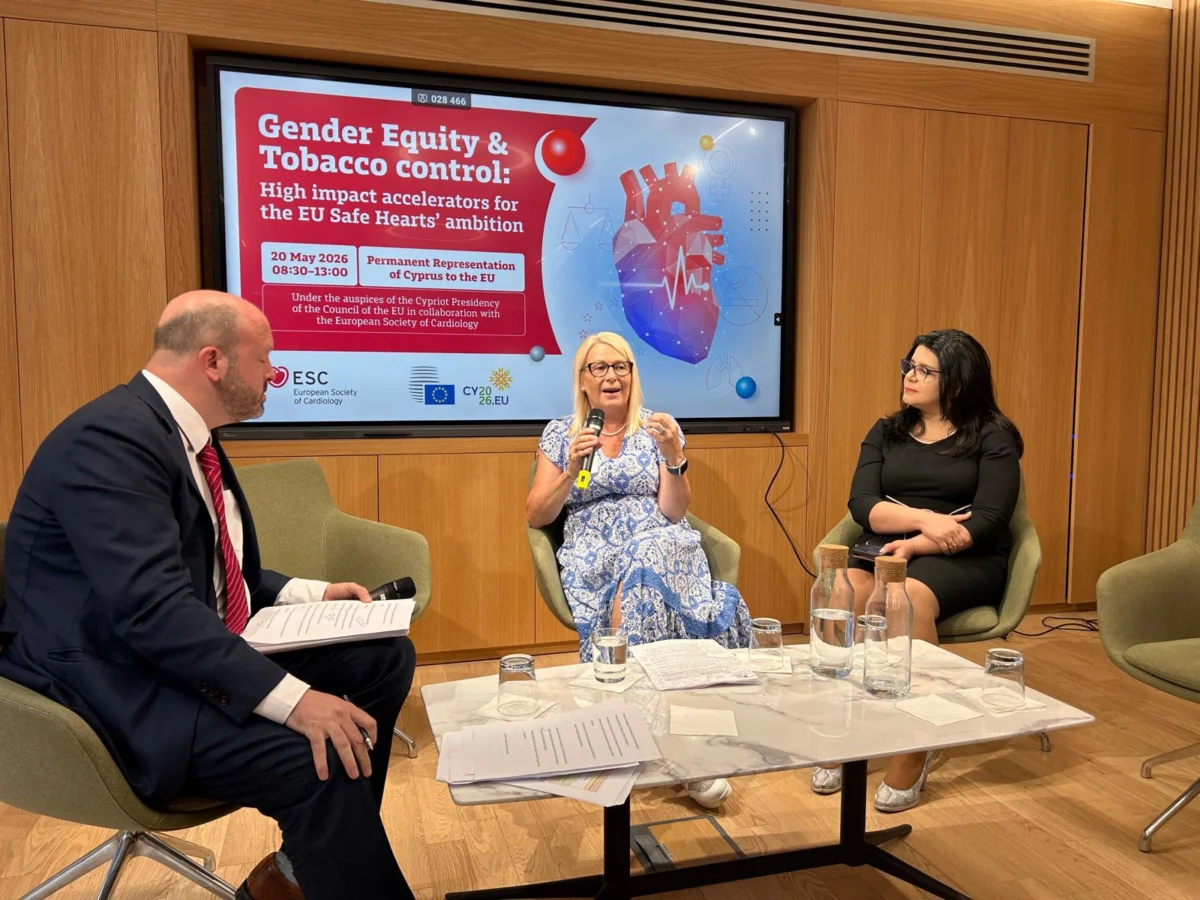
In the ongoing quest to improve respiratory and cardiovascular health across Europe, the European Lung Foundation (ELF) continues to place the lived experience of patients at the heart of public health discourse. On May 20, the organization achieved a dual milestone in advocacy, with two senior leaders representing the patient voice in critical policy forums.
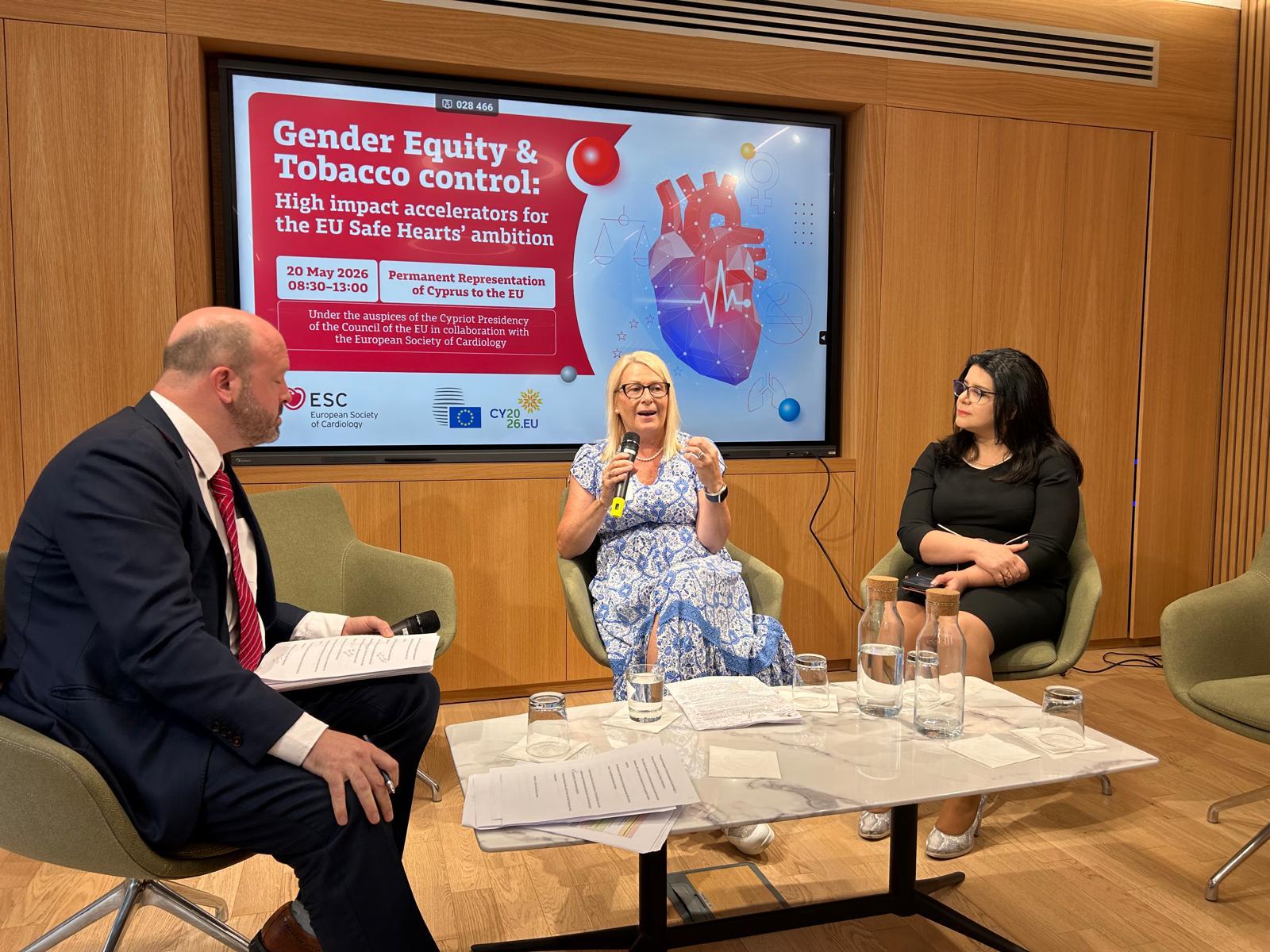
Helen Parks, an ELF Council member and Chair of the ELF United Patient Advisory Group (UPAG), took the stage in Brussels at a European Society of Cardiology (ESC) event dedicated to gender equity in cardiovascular health and the urgent necessity of tobacco control. Simultaneously, incoming ELF Chair Phil Taverner participated in a Clean Air Champions network meeting in the United Kingdom, focusing on mobilizing clinicians to address the systemic health impacts of air pollution.
These engagements underscore a fundamental shift in medical advocacy: the transition from treating patients as passive recipients of care to empowering them as active, essential partners in shaping the policies that govern their long-term health.
Chronology of Advocacy: A Day of Coordinated Action
The events of May 20 highlight the breadth of the ELF’s current mission. The day began with a focus on the structural determinants of health—specifically, the environmental and behavioral factors that contribute to chronic illness.
Morning: Addressing the Tobacco and Nicotine Crisis in Brussels
At the ESC event, the focus was on the "EU Safe Hearts Plan." Helen Parks’ contribution was pivotal, as she brought the conversation away from abstract statistics and toward the lived reality of nicotine dependency. Her panel discussion addressed the modern challenges of tobacco control, specifically the alarming proliferation of vaping among youth populations.
Afternoon: The Clinical Frontline of Air Quality
In the UK, Phil Taverner’s engagement with the Clean Air Champions network shifted the focus toward the role of the healthcare professional as an environmental advocate. By collaborating with clinicians, Taverner helped frame air quality not merely as a policy issue for government ministries, but as a critical clinical intervention that requires clear communication between doctors and their patients.
Raising the Alarm: The Evolving Face of Nicotine Addiction
Helen Parks’ intervention at the ESC event was rooted in both professional and personal experience. As someone living with asthma, Parks provided a harrowing account of how passive smoke influenced her early life, creating a foundation for her lifelong commitment to lung health advocacy.
The Vaping Epidemic
Drawing from her professional background as an educator, Parks provided the audience with a stark reality check. She noted that the rapid rise in vaping among students is not a localized trend but a systemic failure of current regulatory frameworks.
Parks highlighted a specific concern regarding teenage girls, noting that the marketing and accessibility of modern nicotine products have successfully rebranded addiction for a new generation. Her argument was clear: the current "unregulated" nature of the vaping market is a public health disaster in the making. She urged policymakers to look past the industry rhetoric of "harm reduction" and focus on the reality of a new wave of nicotine-dependent youth, which will inevitably place a future burden on European healthcare systems.
The Path to Prevention
Parks’ message to the policymakers present was unequivocal: the prevention of future respiratory and cardiovascular disease begins with aggressive, cross-border regulation. She called for:
- Stricter marketing restrictions: Ending the appeal of flavored, colorful, and tech-forward devices to minors.
- Regulatory parity: Treating vaping products with the same scrutiny and tax structures as traditional tobacco.
- Policy-driven protection: Implementing comprehensive public health strategies that prioritize the lung health of the next generation over the profit margins of the tobacco and nicotine industry.
Supporting Action on Air Quality: The Patient-Clinician Dialogue
While Parks focused on behavioral health, Phil Taverner addressed the environmental factors that many patients find impossible to control. His participation in the Clean Air Champions network provided a vital bridge between patient experiences and clinical practice.
The Myth of Individual Agency
A central theme of Taverner’s contribution was the limitation of individual choice. While patients are often told to "avoid" high-pollution areas, Taverner noted that for many, this is a privilege, not a standard option. Those living in lower-income areas or who are required to commute through urban centers for work do not have the luxury of choosing cleaner air.
Taverner emphasized that when healthcare professionals provide advice on air quality, they must do so with an understanding of these socioeconomic constraints. He advocated for a model where clinicians provide "practical, actionable, and empathetic" guidance, rather than generic advice that may be impossible for the patient to implement.
Empowering the Clinical Community
The Clean Air Champions network is designed to help clinicians talk to patients about air quality in a way that is empowering rather than overwhelming. By sharing his own struggles as an asthma patient, Taverner helped the gathered clinicians understand that the conversation about air quality is a conversation about the patient’s right to breathe.
He stressed that clear, accessible information is a prerequisite for patient agency. Patients need to understand the correlation between local air quality index (AQI) readings and their specific symptoms, allowing them to make informed, if limited, decisions about their daily routines.
The Implications of Patient-Led Advocacy
The dual actions of Parks and Taverner highlight a broader, critical shift in the European medical landscape. Patient participation is no longer a "nice to have" component of healthcare policy; it is a clinical and ethical imperative.
Closing the Gap Between Policy and Reality
Public health policies are frequently developed in sterile environments, far removed from the daily management of chronic illness. When patients like Parks and Taverner enter these spaces, they act as "reality checks." They ensure that a policy designed to reduce smoking rates accounts for the reality of school-age vaping, and that a policy on air quality accounts for the reality of urban inequality.
The Power of the "Lived Experience"
The inclusion of patient representatives in high-level discussions forces a shift in tone. Statistics on respiratory health can be ignored or debated by lobbyists, but the testimony of a patient describing the struggle to breathe on a high-pollution day is immutable. This human-centric approach is what drives the ELF’s advocacy strategy, ensuring that the human impact of these conditions remains at the forefront of the political agenda.
Future Outlook: A Unified Strategy
The European Lung Foundation’s work is far from finished. Looking ahead, the organization is committed to scaling these efforts across the continent. By building a network of patient representatives who are trained to engage with policymakers, clinicians, and the media, the ELF is creating a powerful engine for change.
The upcoming phase of this work will focus on:
- Standardizing Advocacy: Developing toolkits for patients to engage with local health authorities on air quality.
- Trans-European Collaboration: Ensuring that the lessons learned in Brussels and the UK are shared with member states, creating a unified front against tobacco and air pollution.
- Enhanced Clinical Partnerships: Expanding the Clean Air Champions model to ensure that every pulmonology department in Europe is equipped to discuss environmental health with their patients.
Conclusion
The events of May 20 serve as a template for the future of health advocacy. By blending the high-level policy focus of the ESC with the grassroots, clinician-led approach of the Clean Air Champions, the ELF has demonstrated that effective advocacy requires a multifaceted strategy.
As Helen Parks and Phil Taverner continue their work, they serve as a reminder that the most powerful tool in the fight for better lung health is the voice of the person living with the condition. By grounding policy in the realities of daily life, the ELF is not only shaping the future of European healthcare—it is actively protecting the next generation from the avoidable, preventable health crises of tomorrow. The progress made in Brussels and the UK is just the beginning of a broader movement to ensure that for every citizen in Europe, breathing clean air and living in a smoke-free environment is a right, not a luxury.