









At the heart of the Alliance for Aging Research lies a dedicated team committed to a singular, transformative vision: shifting the cultural narrative surrounding aging while securing equitable access to healthcare for older adults. Behind the organization’s high-impact policy work, clinical advocacy, and community outreach is a backbone of staff members whose operational expertise ensures these critical missions come to fruition.
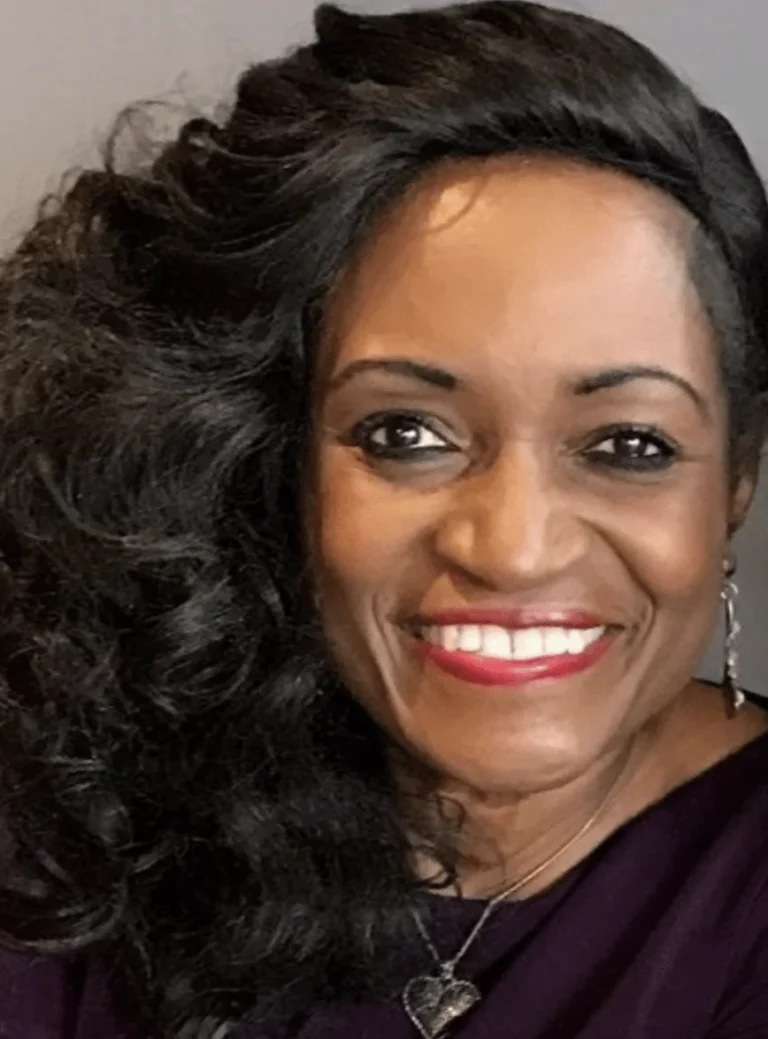
This week, we turn our spotlight to Lauren Belsky, the Alliance’s Development Coordinator. As a vital link between the organization’s strategic goals and its network of supporters, Belsky provides an essential perspective on how modern development, advocacy, and a commitment to inclusivity are shaping the future of aging in America.
The Engine of Advocacy: Belsky’s Role at the Alliance
As the Development Coordinator, Lauren Belsky serves as a pivotal bridge within the organization. Working in close tandem with the Vice President of Development, Sarah Delgado, Belsky is deeply entrenched in the logistical and relational machinery that keeps the Alliance running.
Her portfolio is broad and demanding, encompassing the stewardship of corporate partnerships, the meticulous coordination of programming, and the complex orchestration of fundraising events. In the non-profit sector, development is more than just securing financial resources; it is about cultivating a community of stakeholders—from corporate leaders to philanthropic foundations—who share a common goal of improving the quality of life for the aging population. By managing these relationships and streamlining internal processes, Belsky ensures that the Alliance has the capacity to pursue its aggressive research and educational agenda.
A Journey to the Capital: From Chicago to the Alliance
Belsky’s path to the Alliance for Aging Research is rooted in a deliberate pursuit of impact. Originally from Chicago, she was drawn to the Washington, DC area by the academic and professional prestige of the University of Maryland, College Park. For Belsky, this choice was calculated; she sought the perfect intersection of a robust collegiate environment and proximity to the epicenter of American policy, advocacy, and non-profit enterprise.
Her career trajectory moved quickly. Demonstrating both ambition and academic focus, she graduated a semester early, successfully securing a position in the DC-metro area immediately upon entering the workforce. Having been with the Alliance for nearly a year and a half, Belsky has transitioned from a recent graduate to an integral member of the team, proving that professional dedication in the public interest is a career path that rewards those who are agile and mission-driven.
Landmark Initiatives: The Heroes in Health Celebration
When asked about her most significant projects, Belsky points to the Alliance’s signature Heroes in Health celebration. This event is not merely a fundraiser; it is a vital platform for recognizing the scientists, advocates, and policymakers who have fundamentally altered the landscape of geriatric care and healthy aging.
For Belsky, the project represents a multi-dimensional challenge. The process is exhaustive, involving:
- Strategic Selection: Identifying awardees whose contributions have had a measurable, positive impact on aging research and advocacy.
- Stakeholder Engagement: Collaborating with a wide array of sponsors and vendors to ensure the event meets the highest standards of excellence.
- Programmatic Design: Shaping the narrative of the event to ensure that the mission of the Alliance remains at the forefront.
"Watching it all come together and seeing so many familiar and new faces gathered in one room makes all of the planning worthwhile," Belsky notes. The event serves as a microcosm of the Alliance’s broader mission—bringing disparate groups together to celebrate progress and build momentum for the future.
The Personal Dimension: Caregiving and Alzheimer’s
While her role is professional, Belsky’s connection to the Alliance’s work is deeply personal. She possesses a keen awareness of the challenges surrounding neurodegenerative diseases, particularly Alzheimer’s. Her empathy is directed not only toward the patients but toward the critical, often overlooked demographic of family caregivers.
"I sincerely appreciate the way the Alliance extends its awareness and educational work to include the tireless efforts of family and patient caregivers," Belsky says. She recognizes that caregivers are the "fundamental components" of the healthcare ecosystem. Without their support, the understanding, diagnosis, and treatment of Alzheimer’s and other neuropsychiatric conditions would be significantly hindered. Her commitment to this topic underscores a growing understanding in the health policy community: that the health of the caregiver is inextricably linked to the health of the patient.
Redefining Aging in the Digital Era
Working at the forefront of aging research has fundamentally shifted Belsky’s personal philosophy regarding the aging process. Growing up as a digital native, she admits that she was accustomed to the immediate accessibility of information. However, her tenure at the Alliance has provided a more nuanced perspective on the "digital divide" and the realities of modern healthcare.
Innovation Must Be Equitable
Belsky highlights a critical tension in contemporary medicine: the acceleration of medical advancement versus the reality of access. "The acceleration and advancement of healthcare we are seeing is remarkable," she observes, "but it has served as a reminder that innovation only matters if it is accessible and equitable across generations."
This realization has changed how she views her own future. She now defines healthy aging not just as the absence of disease, but as an experience that must be inclusive of the diverse needs of those living it. This shift from a clinical view of aging to a human-centric, equitable view is the cornerstone of the Alliance’s current messaging.
Beyond the Office: Intellectual Pursuits and Linguistic Passion
Outside of her professional responsibilities, Belsky is an avid reader and polyglot. Her reading habits reflect a love for complex perspectives, as evidenced by her recommendation of One More Thing by B.J. Novak. She describes the book as a collection of "poignant and sharply penned short stories" that offer fresh perspectives on mundane situations—a trait that mirrors her own professional approach of finding meaning in the details.
Perhaps most revealing of her character is her dedication to language learning. Belsky speaks five languages, a hobby that she approaches with genuine curiosity. "I love how languages are intricately connected with culture, people, and places," she explains. This interest in linguistic diversity is more than a hobby; it represents a fundamental desire to connect with others on a deeper level—a skill that undoubtedly serves her well in her role as a coordinator in a global, multi-faceted advocacy organization.
Implications for the Future of the Alliance
The profile of staff members like Lauren Belsky highlights the internal culture of the Alliance for Aging Research. By combining professional expertise with personal passion and a commitment to equity, the organization is uniquely positioned to address the demographic shift of an aging global population.
Key Takeaways for the Sector
- Equity is Essential: As Belsky noted, the pace of innovation in healthcare is useless if it is not accessible. Organizations must focus on policy solutions that bridge the gap for marginalized and older populations.
- The Caregiver Crisis: The focus on family caregivers, as championed by Belsky, is becoming the gold standard for patient advocacy. The next phase of health research must incorporate the needs of the caregiver as a primary metric for success.
- Humanizing Advocacy: By blending professional rigor with a genuine, human-centric approach to aging, the Alliance continues to set the pace for what effective, mission-driven organizations can achieve.
As the Alliance for Aging Research continues its mission to "change the narrative," individuals like Lauren Belsky are proving that the most important work in aging isn’t just done in the lab—it is done through the community, the advocacy, and the commitment to ensuring that every individual, regardless of age, has the opportunity to lead a healthy and dignified life.