








The Alliance for Aging Research stands at the vanguard of the global effort to redefine the aging experience. By bridging the gap between cutting-edge scientific discovery and federal legislative action, the organization works tirelessly to ensure that the later stages of life are characterized by health, dignity, and independence. Central to this mission is a dedicated team of policy experts who navigate the complex corridors of Washington, D.C., to advocate for the millions of Americans whose lives are shaped by aging and chronic health conditions.
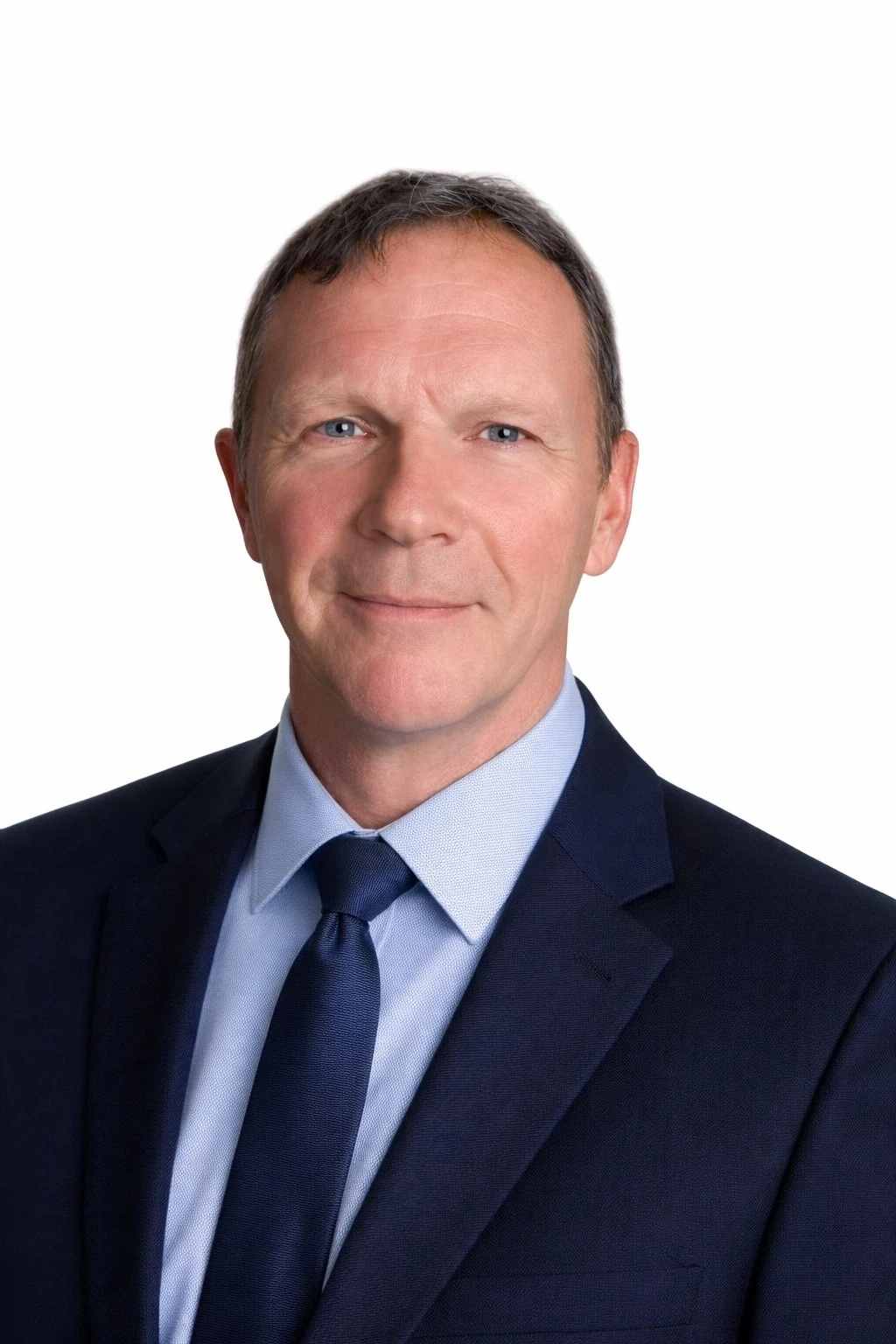
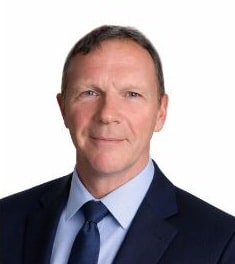
This month, the Alliance shines its spotlight on Scott Frey, the Senior Vice President of Public Policy and Government Relations. With a career spanning nearly four decades in the nation’s capital, Frey brings a unique blend of historical perspective and forward-thinking strategy to the Alliance. His work is not merely professional; it is a lifelong commitment born of personal promise and a deep-seated belief in the power of public service.
The Architect of Advocacy: Scott Frey’s Professional Mission
As the Senior Vice President of Public Policy and Government Relations, Scott Frey serves as the primary conduit between the Alliance’s scientific objectives and the legislative mechanisms of the U.S. Congress and the Federal Executive Branch. His role is multifaceted: he is an educator, a negotiator, and a strategist.
"I engage with fellow stakeholders and decision-makers in Congress and the Federal Executive Branch to advance the policy goals of the Alliance," Frey explains. His work involves distilling complex medical research into actionable policy proposals that can withstand the rigors of federal scrutiny. In an era where scientific literacy and evidence-based policymaking face increasing skepticism, Frey’s role is more vital than ever. He acts as a guardian of the Alliance’s mission, ensuring that policy decisions are rooted in sound science rather than political expediency.
A Legacy of Service: Chronology and Motivation
To understand Scott Frey’s current work, one must look at the trajectory that brought him to the Alliance. Born and raised in the industrial landscape of central and western Pennsylvania, Frey’s early life was defined by the tangible effects of economic shifts on the elderly.
"I moved to the D.C. area in 1987 to pursue a career in federal public policy," Frey recalls. "It was a time when good-paying manufacturing jobs were rapidly disappearing across the towns and cities I knew. With that disappearance came a declining quality of life and diminished retirement security for so many."
This observation was not merely an economic footnote; it was a formative experience. It highlighted the fragility of security in one’s golden years and ignited a passion for public service that has fueled his career for nearly 40 years.
The Grandmother’s Charge
Perhaps the most poignant aspect of Frey’s journey is the genesis of his career. Upon his graduation from college, his grandmother—the last surviving member of his older kin—gave him a simple, yet profound instruction: "Go down there to Washington and fight for us older folks."
That request became a guiding light. Frey’s tenure at the Alliance, currently at one year and eight months, is merely the latest chapter in a long-standing commitment to fulfilling that promise. He treats every policy win—whether it involves funding for geriatric education or the expansion of treatment access—as a continuation of that early vow to his grandmother.
Supporting Data: The Landscape of Aging Research
The work undertaken by Frey and his colleagues at the Alliance is supported by a growing body of evidence that underscores the necessity of targeted aging research. As the global population ages, the burden of chronic diseases—such as Alzheimer’s, cardiovascular disease, and frailty—places unprecedented strain on public health infrastructure.
- The Demographic Shift: According to the U.S. Census Bureau, by 2030, all baby boomers will be age 65 or older. This demographic "silver tsunami" requires a proactive approach to medical research that focuses on prevention rather than just reactive treatment.
- Economic Implications: Research suggests that increasing public investment in healthy aging could save the U.S. healthcare system billions of dollars annually by delaying the onset of disability and reducing the need for long-term institutional care.
- The Policy Gap: Frey often highlights the disparity between the prevalence of age-related conditions and the funding allocated to understand the underlying biology of aging. His advocacy work is designed to close this gap by demonstrating that aging is not an inevitable decline, but a biological process that can be managed and mitigated through science.
Official Perspectives: Navigating the Policy Landscape
When asked about his most rewarding work, Frey reflects on the inherent difficulty of choosing a single project, comparing it to picking a favorite child. However, he emphasizes the importance of maintaining public trust in science.
"It’s rewarding and exciting to share a part in the fight to ensure science-driven public policy and public trust in science at a time when these imperatives are under serious attack both outside and within the federal government," he notes.
Frey’s background includes significant legislative battles, including early work in Congress to correct inequities in women’s health research and the historic campaign to expand breast cancer early detection and research funding. These experiences have given him a blueprint for success in the aging sector: identify a systemic failure, mobilize patient advocates, and secure the necessary federal resources to create a permanent, positive change.
"I’ve had the honor to know and befriend so many patients and families who chose to channel their personal health care battles into a fight for positive change for others," Frey says. "Their efforts made all the difference, and their stories continue to inspire me."
Implications: The Future of Healthy Aging
As we look toward the future, the work of the Alliance for Aging Research is reaching a critical inflection point. Frey views the current era as one of the most exciting in the history of medical science.
"We sit on the cusp of so many promising and long-awaited new developments in treatments and access to care," he says. However, he warns that these developments require consistent support to move from the laboratory to the bedside. He identifies "embracing new challenges" as a fundamental pillar of healthy aging—not just for individuals, but for the organizations that serve them.
A Personal Approach to Longevity
Frey’s philosophy on aging has been profoundly impacted by his professional life. He no longer views aging as a static state, but as a dynamic process of continuous learning and adaptation. By staying engaged with the latest scientific developments and challenging himself to understand new facets of geriatric medicine, he embodies the very principles he advocates for in Washington.
Beyond the Beltway: A Human Perspective
While his professional life is consumed by the rigors of policy, Frey’s inner life is defined by a deep appreciation for the humanities. His favorite authors—Joseph Heller, Kurt Vonnegut, and William Shakespeare—suggest a mind that values both the satirical absurdity of life and the profound beauty of the human experience. His preference for the works of A.A. Milne and Maurice Sendak for younger readers highlights a desire to pass on a sense of wonder and empathy to the next generation.
For those who see him only as a high-level executive navigating the halls of power, it is worth remembering the core of the man: a grandson from Pennsylvania who promised to fight for his elders and has spent a lifetime ensuring that promise is kept.
Conclusion
The Alliance for Aging Research’s mission is expansive, but it is executed through the specific, targeted actions of individuals like Scott Frey. His work is a reminder that policy is not just about numbers and legislation—it is about the dignity of the human experience. As he continues to champion the cause of healthy aging in Washington, Frey remains a vital bridge between the potential of scientific advancement and the reality of the lives it aims to improve. Whether he is testifying before a committee or mentoring a junior staffer, he carries with him the weight of his grandmother’s request and the optimism of a researcher who knows that the best days for human health are still ahead.