









By Aria Lovelace
Published: September 22, 2026
The transition from mundane family life to a state of permanent bereavement often occurs in a single, unsuspecting moment. For many, this moment is no longer delivered via a somber phone call or a knock at the door, but through the glowing interface of a smartphone. The experience of the Lovelace family serves as a poignant case study in the modern landscape of grief, highlighting the intersection of mental health crises, the "shadow pandemic" of 2020, and the long-term implications of suicide loss on the family unit.
Main Facts: The Intersection of Personal Tragedy and Public Crisis
Suicide remains one of the most significant public health challenges in the United States and globally. According to data from the Centers for Disease Control and Prevention (CDC), suicide is a leading cause of death, with nearly 50,000 Americans taking their own lives annually. However, the statistics rarely capture the "ripple effect"—the phenomenon where a single death by suicide intimately affects an average of 135 people, ranging from immediate family to the broader community.
In the case of the Lovelace family, the tragedy struck during the winter of 2020, a period defined by the isolation of COVID-19 restrictions. The loss of a beloved uncle—described as a "king of jokesters" and a pillar of his North Carolina community—shattered a lineage of stories that had previously defined the family’s identity. The delivery of this news via Snapchat, a platform typically reserved for ephemeral social interactions, underscores a shift in how traumatic information is disseminated among younger generations and the unique psychological hurdles this presents.

Chronology of a Crisis: From Normalcy to Devastation
To understand the impact of suicide loss, one must examine the timeline of the event, which often begins in the deceptively calm waters of daily life.
The Eve of the Revelation
In December 2020, the Lovelace household was engaged in the typical friction of the holiday season. Dubbed "the Bickersons" for their twelve-year history of playful arguing, the siblings were navigating the frustrations of a pandemic-restricted Christmas. At the time, the primary concern was the lack of enthusiasm for holiday traditions and the hope for a socially distanced tour of Christmas lights. This atmosphere of "normalcy" is a common precursor to traumatic loss, making the eventual shock more profound.
The Digital Dispatch
Late in the evening, while the family was winding down, a Snapchat message arrived from an older cousin. The message broke the typical mold of the cousin’s personality—usually characterized by pranks and humor. The juxtaposition of a "southernism" like "Hey girl" with the news of a suicide created a cognitive dissonance for the recipient.
Journalistic accounts of such events often highlight this "flashbulb memory" effect, where survivors remember exactly where they were and what they were doing when the news broke. For Aria Lovelace, it was the transition from the "worn-out green couch" of childhood to a newer, less comforting gray one—a physical metaphor for the loss of old security.

The Immediate Aftermath and Denial
The hours following the news were defined by intense denial and anger. Aria’s initial reaction—challenging the cousin and accusing her of a "joke gone too far"—is a documented psychological defense mechanism. This was followed by the harrowing task of informing the parents. The silence of the father, described as "too calm," and the mother’s sleep-heavy voice denying the reality, represent the various stages of acute grief as they manifest across different personality types within a single family.
The Melancholy Holidays
The weeks following the death transformed the family’s history. Stories of the Outer Banks, once "rose-tinted" and filled with "rebellious idealism," became colored with melancholy and regret. The "shadow" of the uncle’s absence permeated every retelling of their small-town youth, from KISS albums to beach-side curfews.
Supporting Data: The Pandemic’s Toll on Mental Health
The timing of this tragedy coincides with a period of unprecedented mental health strain. While official suicide rates in 2020 showed a slight overall decrease in some demographics, the prevalence of suicidal ideation and mental health distress skyrocketed.
- Ideation Statistics: A CDC report from June 2020 found that 10.7% of surveyed adults had seriously considered suicide in the previous 30 days. Among those aged 18–24, that number was as high as 25.5%.
- The Isolation Factor: The "socially distanced" Christmas mentioned in the Lovelace narrative was a reality for millions. Mental health experts argue that the lack of traditional mourning rituals—funerals, wakes, and physical community support—during the pandemic led to "complicated grief," a condition where the mourning process is prolonged and more debilitating.
- Geographic Context: The North Carolina-Virginia border region, where the uncle resided, reflects national trends where rural and semi-rural communities often face higher rates of suicide due to limited access to mental health resources and a lingering stigma surrounding psychological help.
Official Responses and Mental Health Advocacy
In response to the growing crisis, national organizations have pivoted toward more accessible, immediate intervention strategies.

The 988 Initiative
One of the most significant shifts in public health policy was the 2022 launch of the 988 Suicide & Crisis Lifeline. Replacing the traditional 10-digit number, 988 provides a direct link to trained counselors. According to the Substance Abuse and Mental Health Services Administration (SAMHSA), the 988 lifeline has seen a significant increase in call and text volume, particularly among youth who prefer digital communication.
Active Minds and Peer Support
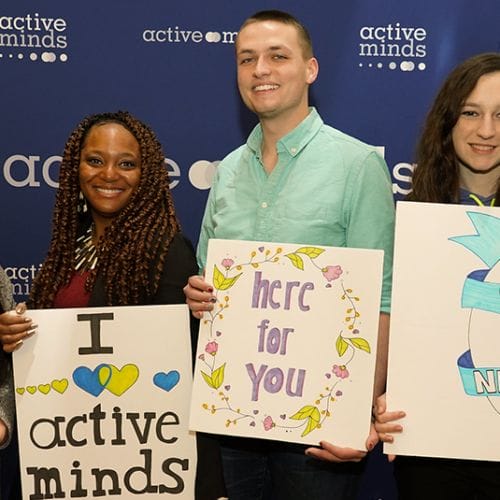
Organizations like Active Minds focus on the collegiate and high school demographic, aiming to destigmatize mental health conversations. Their "Validate-Appreciate-Refer" (V-A-R) protocol is designed specifically for situations like the one the Lovelace family faced—equipping young people with the tools to handle "serious and out of character" messages from peers or family members.
Expert Commentary
Dr. Thomas Joiner, a leading expert on suicidal behavior, notes that "belongingness" and "perceived burdensomeness" are key factors in suicide. The uncle in the Lovelace narrative was described as someone who "never met a stranger he couldn’t charm," highlighting the "masking" often performed by those struggling with severe depression. Experts stress that a person’s external social success is not always an indicator of their internal mental state.
Implications: The Long Road to Healing
The Lovelace family’s story concludes with a common, yet powerful, therapeutic intervention: the adoption of a rescue animal. On Christmas Eve, 2020, the family adopted Hollybelle, a Rottweiler from the ASPCA.

The Role of Emotional Support Animals
While not a cure for grief, the introduction of a pet provides a "biological anchor" for grieving families. Research indicates that interacting with dogs can lower cortisol levels and increase oxytocin. In the context of suicide loss, where family members may feel a sense of failure or guilt, the "unconditional" nature of a dog’s affection serves as a vital component of the healing process. Aria Lovelace noted that the dog was "more for my mom than for us," recognizing the specific burden placed on a sibling who has lost their childhood companion.
Destigmatization and Storytelling
The act of writing and sharing this narrative is, in itself, a form of advocacy. By moving the conversation from private "bickering" to public reflection, survivors of suicide loss help to break the cycle of silence. The implications for public health are clear: we must move toward a society where a "long and serious" message on an app like Snapchat is met with immediate, literate, and compassionate intervention rather than disbelief.
A Call to Action
The Lovelace narrative ends with a crucial reminder for all readers: "If you or someone you know is struggling or in crisis, help is available." The integration of the 988 lifeline into daily consciousness is perhaps the most significant legacy of the tragedies experienced during the pandemic era.
As we look toward the future, the goal of mental health professionals and advocates is to ensure that no family has to experience the "trajectory-changing" Wednesday afternoon that the Lovelace family endured. Through a combination of better data, robust public policy, and the courage of individuals to share their stories, the "silent ripple" of suicide may eventually be met with a tide of support and prevention.
Resource Information:
- 988 Suicide & Crisis Lifeline: Call or text 988, or chat at 988lifeline.org.
- Crisis Text Line: Text HOME to 741741.
- Active Minds: Visit activeminds.org for resources on student mental health and peer support.