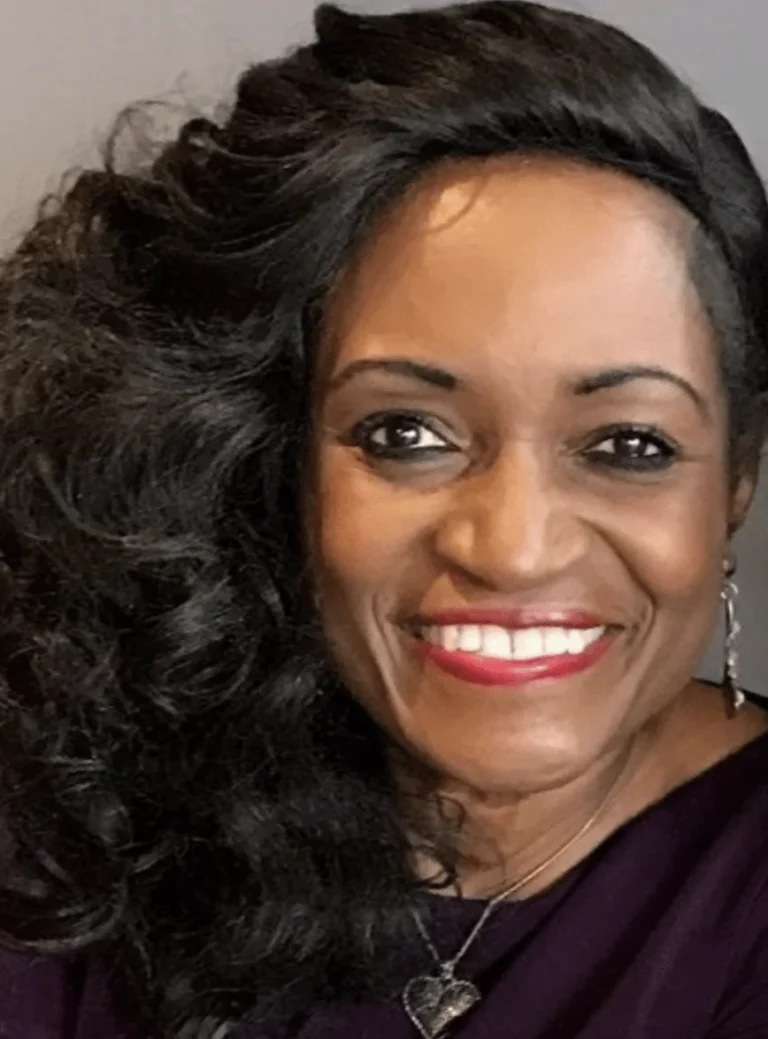

The Alliance for Aging Research remains at the forefront of the movement to redefine the aging experience. By shifting the narrative from passive decline to active, healthy longevity, the organization works tirelessly to ensure equitable access to care for all generations. At the heart of this mission are the dedicated professionals who facilitate the partnerships, advocacy, and research necessary to drive systemic change. This week, we shine a spotlight on Development Coordinator Lauren Belsky, a key figure in the organization’s operational and strategic growth.
The Role of Development: Bridging Ambition and Action
In the non-profit sector, "development" is often misunderstood as merely fundraising. At the Alliance for Aging Research, however, it is the lifeblood of mission-critical programming. As Development Coordinator, Lauren Belsky serves as a pivotal bridge between the organization’s vision and its execution.
Working under the leadership of Vice President of Development Sarah Delgado, Belsky’s responsibilities are vast. Her role encompasses the meticulous orchestration of corporate partnerships, the logistical heavy lifting of event coordination, and the strategic planning of fundraising initiatives that allow the Alliance to continue its advocacy work.
"My role is essentially about building the foundation upon which our advocacy stands," Belsky explains. By managing relationships with stakeholders and sponsors, she ensures that the Alliance has the resources required to champion policy changes, public education, and clinical research in the fields of geriatrics and chronic disease management.
A Professional Journey: From Chicago to the Capital
Belsky’s path to the Alliance is a testament to the power of strategic positioning and academic focus. A native of Chicago, she sought an environment that would challenge her intellectual curiosity while offering immediate professional opportunities. She found this at the University of Maryland, College Park.
"I was drawn to the DC area because it represents the epicenter of policy and advocacy," she notes. Her tenure at the university allowed her to balance the traditional collegiate experience with the fast-paced reality of Washington’s internship and job market. By graduating a semester early, Belsky gained a competitive edge, successfully securing a position in the DC-metro area immediately upon completion of her degree.
She has been with the Alliance for Aging Research for nearly a year and a half, a period during which she has navigated the complexities of health advocacy with a maturity that belies her tenure. Her background in the Washington landscape has provided her with a unique perspective on how regional policy shifts impact the broader national discourse on aging.
The Art of Advocacy: The "Heroes in Health" Celebration
While Belsky’s role involves significant administrative rigor, her work is punctuated by moments of profound impact. Among her favorite projects is the Alliance’s signature Heroes in Health celebration.
The event is more than just a gala; it is a vital mechanism for recognizing the individuals, clinicians, and researchers who are pushing the boundaries of what is possible in geriatric medicine. For Belsky, the event is a culmination of months of granular work. "I love that every stage of the process plays a part in bringing the event to life," she says. "From selecting the awardees whose impact we have the honor to recognize, to collaborating with our sponsors and vendors, to shaping the program and sharing the excitement leading up to the event."
The significance of this event lies in its ability to foster community. When stakeholders, patients, and experts gather in one room, the abstract goals of "healthy aging" become tangible. Seeing that transition from planning to realization is, for Belsky, the most rewarding aspect of her professional life.
Personal Connections and the Caregiver Crisis
Belsky’s commitment to the Alliance is not merely professional; it is deeply personal. Like many Americans, she has witnessed the devastating trajectory of neurodegenerative disease firsthand. Her connection to the work regarding Alzheimer’s disease and the broader spectrum of neuropsychiatric conditions is rooted in her respect for the "unsung heroes" of the healthcare system: the family caregivers.
"I sincerely appreciate the way the Alliance extends its awareness and educational work on the subject to include the tireless efforts of family and patient caregivers," Belsky says.
Understanding the Caregiver Ecosystem
The statistics regarding Alzheimer’s caregiving are sobering. According to the Alzheimer’s Association, more than 11 million Americans provide unpaid care for people with Alzheimer’s or other dementias. These caregivers often face extreme physical, emotional, and financial strain. Belsky’s advocacy focuses on the necessity of supporting this demographic, recognizing that caregivers are the primary point of stability in a patient’s journey. By highlighting the needs of these individuals, the Alliance ensures that the conversation around Alzheimer’s is not limited to clinical trials, but includes the lived reality of families.
Shifting Perspectives on Aging in the Digital Age
One of the most profound takeaways from Belsky’s tenure at the Alliance is her evolving philosophy on what it means to age in the 21st century. Having grown up in the digital era, she admits that she once took the accessibility of information for granted.
"The acceleration and advancement of healthcare we are seeing is remarkable, but it has served as a reminder that innovation only matters if it is accessible and equitable across generations," she asserts.
This realization has fundamentally altered her worldview. She now approaches her work with the understanding that technological advancement—while positive—can create "digital divides" that disproportionately affect the elderly. Her perspective serves as a cornerstone for the Alliance’s mission: innovation must be inclusive, and the benefits of modern medicine must be distributed with an eye toward health equity.
Beyond the Office: A Lifelong Learner
When she is not coordinating development efforts, Belsky is an avid reader and a dedicated language enthusiast. Her recommendation for One More Thing by B.J. Novak highlights a penchant for sharp, poignant, and unconventional narratives—a reflection of her own analytical mind.
Her most striking personal pursuit, however, is her passion for linguistics. "I am an avid language learner," she reveals. "I love how languages are intricately connected with culture, people, and places." Currently proficient in five languages, Belsky views the process of learning a new language as an exercise in empathy. By understanding the structure of a foreign tongue, she gains access to the mindset and history of the people who speak it. It is a hobby that mirrors her professional life: she is constantly looking for new ways to connect, communicate, and bridge gaps between different groups.
Implications for the Future of Healthy Aging
As the Alliance for Aging Research continues its work, professionals like Lauren Belsky ensure that the mission remains grounded in both urgency and compassion. The implications of her work are broad:
- Sustainable Advocacy: By strengthening corporate partnerships and event programming, Belsky provides the fiscal stability needed to challenge status quo healthcare policies.
- Caregiver Empowerment: Her emphasis on the role of family caregivers highlights the need for policy interventions that provide respite and financial support for those at the bedside.
- Equitable Innovation: The commitment to ensuring that new healthcare technologies are accessible across all age groups is a critical step in preventing the marginalization of older adults in a tech-driven economy.
In a field often dominated by clinical data and legislative jargon, Belsky brings a human-centric approach to development. She understands that behind every grant, every partnership, and every event is a person—an older adult, a caregiver, or a researcher—whose life can be improved by the work being done at the Alliance.
For Belsky, the future of aging is not a problem to be solved, but an experience to be improved. Through her work in development, she is helping to secure the resources, the awareness, and the community support necessary to ensure that as the world ages, it does so with dignity, equity, and access to the very best that modern science has to offer.