





For decades, the medical community has chased a "holy grail" of oncology: the ability to program a patient’s own immune system to identify and neutralize their unique cancer cells with pinpoint accuracy. That vision has moved from the realm of theoretical science to clinical reality.
Merck and Moderna recently announced a major milestone, confirming that their Phase 3 clinical trial, INTerpath-001, has yielded positive topline results. The trial evaluated intismeran autogene, a personalized mRNA-based cancer vaccine, administered in tandem with the immune checkpoint inhibitor pembrolizumab (Keytruda®). The study focused on patients with high-risk melanoma who had undergone complete surgical resection. This landmark success marks the first time an individualized neoantigen therapy—and an mRNA-based cancer vaccine—has achieved positive Phase 3 results, signaling a paradigm shift in how we treat malignancy.
The Mechanics of Precision: How Personalized mRNA Vaccines Work
To understand the magnitude of this breakthrough, one must distinguish between traditional vaccines and therapeutic cancer vaccines. While conventional vaccines are prophylactic—designed to prevent infectious diseases before they occur—intismeran autogene is a therapeutic agent. It is not intended to prevent cancer, but rather to treat it by teaching the immune system to recognize a specific, pre-existing threat.
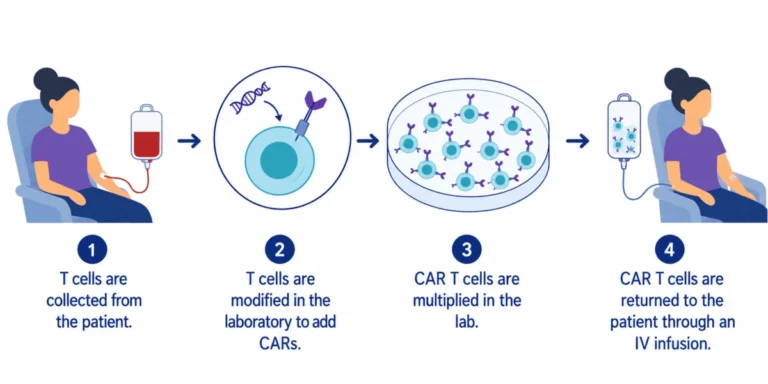
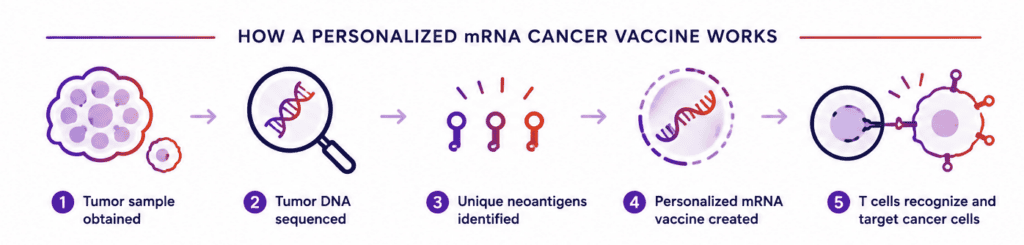
The process is highly bespoke. It begins with the genetic sequencing of a patient’s tumor to identify unique mutations. Some of these mutations manifest as neoantigens—molecular "flags" found exclusively on the surface of cancer cells and absent in healthy tissue. Once these neoantigens are identified, scientists synthesize mRNA strands that encode the instructions for these specific markers.
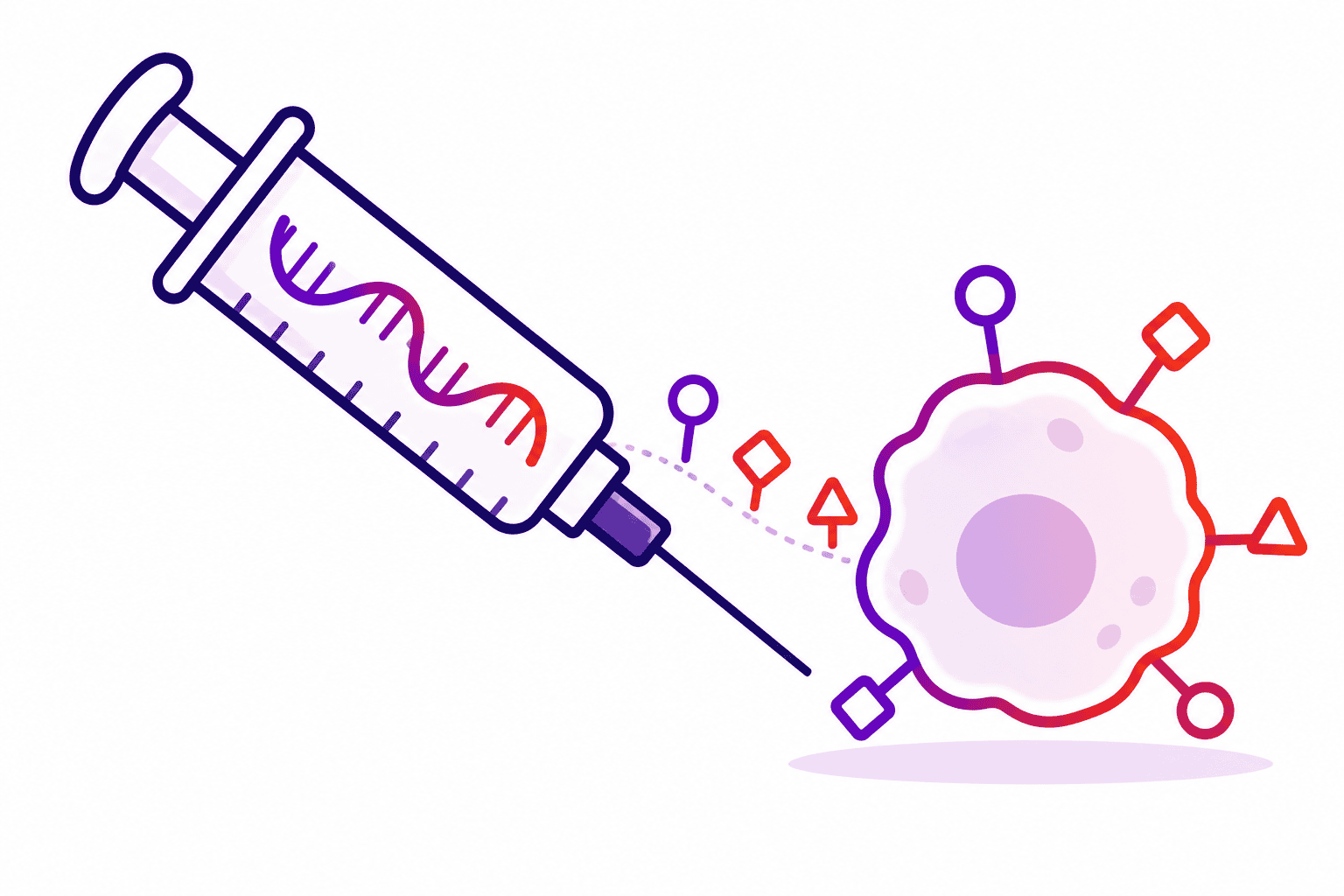
When injected, the vaccine acts as a set of biological instructions, training the immune system to recognize these neoantigens. However, cancer is a master of evasion. Tumors often exploit "immune checkpoints," which are natural braking mechanisms that prevent the immune system from overreacting. By hijacking these checkpoints, tumors effectively suppress the T cells that would otherwise destroy them.
This is where the synergy of the combination therapy becomes critical. While the vaccine acts as a high-resolution map, teaching the immune system exactly what to target, the checkpoint inhibitor (Keytruda) acts as the accelerator. By blocking the PD-1 pathway, Keytruda prevents the tumor from "switching off" the T cells, allowing the immune system to maintain a sustained and potent response.
A Chronology of Discovery: Seven Decades in the Making
The success of INTerpath-001 is not an overnight sensation; it is the culmination of seventy years of incremental scientific discovery, largely championed by the Cancer Research Institute (CRI).
The Foundation (1950s–1990s)
In the 1950s, Dr. Lloyd J. Old, the founding scientific and medical director of CRI, pioneered the study of immune-based tumor destruction. His work with the Bacillus Calmette-Guérin (BCG) vaccine—originally for tuberculosis—proved that the immune system could be stimulated to attack tumors, laying the groundwork for the field of immuno-oncology.
The Rise of Checkpoint Blockade
In 1992, CRI began funding the laboratory of Dr. James P. Allison. His transformative research proved that the body’s natural immune "brakes" could be released to allow T cells to attack cancer. This discovery led to the development of modern checkpoint inhibitors like Keytruda, earning Dr. Allison the 2018 Nobel Prize in Physiology or Medicine.
The mRNA Revolution
The third pillar of this success—mRNA technology—received a massive boost through the work of Katalin Karikó, Drew Weissman, Uğur Şahin, and Özlem Türeci. Their research into mRNA stability and delivery, recognized by CRI with the William B. Coley Award in 2021 and Nobel Prizes in 2023, enabled the rapid development of COVID-19 vaccines and provided the delivery vehicle necessary for cancer neoantigen therapy.
Converging Paths
In 2001, the formation of the Cancer Vaccine Collaborative (CVC) by CRI and the Ludwig Institute for Cancer Research accelerated this progress. By conducting nearly 60 early-phase trials, researchers learned that a vaccine alone was often insufficient; it required the "unbraking" effect of checkpoint inhibitors to achieve durable success. Today, the INTerpath-001 trial stands as the point where these disparate streams of inquiry—vaccinology, immunology, and mRNA delivery—finally merge.
Supporting Data: The Power of INTerpath-001
The INTerpath-001 trial was a massive global undertaking, enrolling 1,137 patients with stage IIB–IV cutaneous melanoma. All participants had their tumors removed surgically. The cohort was randomized to receive either the combination of intismeran autogene and Keytruda or Keytruda alone.
The interim analysis provided clear evidence of efficacy. The combination demonstrated statistically significant improvements in two critical clinical benchmarks:
- Recurrence-Free Survival (RFS): A measure of how long a patient remains cancer-free after treatment.
- Distant Metastasis-Free Survival (DMFS): A measure of how long a patient remains free of cancer that has spread to organs beyond the primary site.
While the exact magnitude of the Phase 3 benefit is pending formal publication, the data is consistent with promising results from the earlier Phase 2b trial. In that study, the combination reduced the risk of recurrence or death by 49% and the risk of distant metastasis or death by 59% compared to the standard of care alone. These figures represent a massive leap forward for patients with high-risk melanoma, for whom traditional options often carried a high risk of relapse.
Official Perspectives and Implications
The pharmaceutical partnership between Merck and Moderna has been lauded by the scientific community, though stakeholders remain cautious about the path to commercialization.
"The positive results from INTerpath-001 offer the strongest late-stage evidence to date that combining personalized vaccination with checkpoint blockade is a winning strategy," notes a spokesperson for the clinical research team. However, they emphasize that this is only the beginning. The trial continues to monitor overall survival rates—the ultimate metric of clinical success.

The Challenge of Scale
Beyond the biological efficacy, the medical system faces a logistical hurdle. Because intismeran autogene is uniquely tailored to each patient, it requires a bespoke manufacturing process. Every patient’s tumor must be biopsied, sequenced, and synthesized into a vaccine in a specialized facility. Integrating this into global health systems will require massive investments in infrastructure, standardized protocols for rapid manufacturing, and solutions for cost-accessibility.
The Future: Beyond Melanoma
Perhaps the most exciting implication of the INTerpath-001 results is the potential for expansion. If a personalized vaccine can effectively train the immune system to target melanoma, researchers are optimistic that the same logic can be applied to other "cold" or "hot" tumors, including lung, breast, and pancreatic cancers.
Global researchers are already testing various vaccine delivery technologies and combinations. The success of this trial validates the fundamental hypothesis of personalized medicine: that our own immune systems, when provided with the right map and the right support, are the most effective weapons we have against cancer.
While we are not yet at a point where cancer is universally curable, the "intismeran era" marks a definitive departure from the "one-size-fits-all" approach of the past. As the industry looks toward regulatory review and further data, one thing is clear: the history of cancer treatment is currently being rewritten, not just in the laboratory, but in the clinical outcomes of patients who, for the first time, have a tailor-made defense against their disease.

The story of the cancer vaccine, which began with modest experiments in the 1950s, has finally reached its most pivotal chapter. As we transition from the era of "standard of care" to "personalized care," the medical community remains committed to the goal that has driven this research for seven decades: moving from managing cancer to effectively eradicating it.