










The release of the 2025–2030 Dietary Guidelines for Americans (DGAs) was met with immediate anticipation and, shortly thereafter, significant scrutiny. Positioned under the evocative, consumer-friendly banner of "Eat Real Food," the latest federal guidance attempts to modernize the American approach to nutrition. However, beneath the polished, interactive web interface and the simplified visual aids, a complex web of scientific contradiction and procedural controversy has emerged, raising questions about the future of national health policy.
Main Facts: The New Landscape of Federal Nutrition
The 2025–2030 DGAs represent a pivot toward a more aggressive stance on food processing. For the first time, the federal government has formally categorized and explicitly warned against "highly processed foods." This shift aligns with growing global consensus that the industrial alteration of food—often involving heavy fortification, artificial additives, and the removal of essential fiber—is a primary driver of metabolic disease.
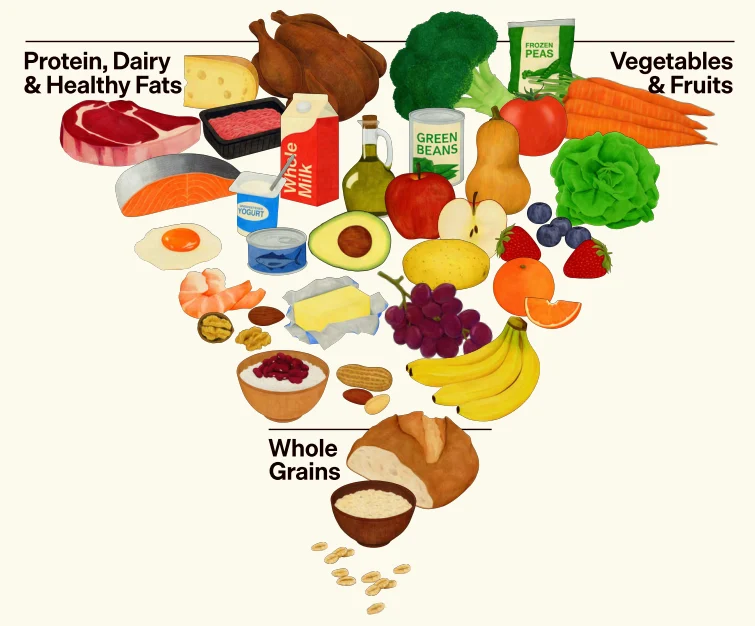
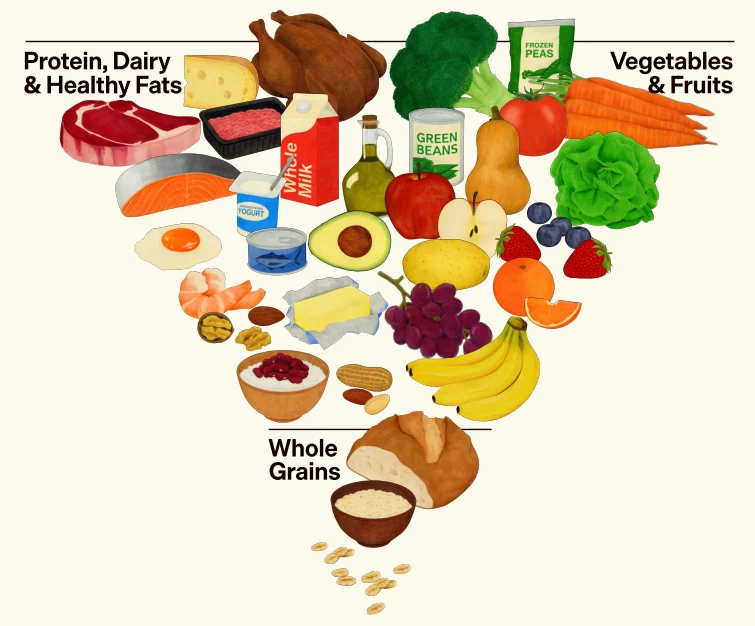
The Guidelines maintain the long-standing, scientifically supported limit on added sugars, suggesting they should not exceed 10% of daily caloric intake. Furthermore, the document introduces a more stringent recommendation for children, advising that added sugars be avoided entirely until the age of 10. Despite these progressive stances, the DGAs have simultaneously introduced a new "Food Pyramid" graphic that appears to undercut the very nutritional principles the text promotes.
Unlike previous iterations, this pyramid is inverted in its visual hierarchy, placing significant emphasis on animal-based proteins such as steak, butter, and full-fat dairy. This visual contradiction has sparked immediate debate among nutritionists, who worry that the "image-first" nature of the guide will override the more nuanced, written requirements for heart health.
Chronology: The Road to a Disputed Document
The creation of the DGAs is a multi-year, rigorous endeavor involving the U.S. Departments of Agriculture (USDA) and Health and Human Services (HHS). Historically, this process begins with an independent Dietary Guidelines Advisory Committee (DGAC), a body of top-tier nutrition scientists tasked with synthesizing current evidence.
- Evidence Synthesis (2023–2024): The independent DGAC conducted a two-year, transparent review of the latest nutritional science, livestreaming meetings and inviting public comment.
- The Rejection (Late 2024): In an unprecedented move, the current administration rejected the findings of the independent committee.
- The Supplemental Analysis (2025): The government initiated a "federal contracting process" to select a new group of individuals to conduct a supplemental scientific analysis.
- The Final Release (January 2026): The resulting 2025–2030 DGAs were published, bearing the hallmarks of this new, less transparent development process.
This shift in procedure is not merely administrative; it has fundamentally altered the credibility of the final output. As Dr. Deirdre Tobias, a member of the original 2025-2030 Advisory Committee, noted, the final document lacks the replicability and transparency that define the rigorous standards expected of federal health policy.
Supporting Data: The "Saturated Fat Math" Problem
One of the most glaring issues within the new guidelines is the dissonance between the textual advice and the practical math of a healthy diet. The DGAs maintain the standard recommendation that saturated fat intake should be capped at 10% of total daily calories. For a standard 2,000-calorie diet, this equates to roughly 22 grams of saturated fat per day.
When analysts break down the daily serving recommendations provided by the DGAs, the numbers fail to align. The guidelines suggest three servings of dairy per day. If a consumer follows the common, and now visually suggested, path of choosing full-fat options—such as one cup of whole milk (5g saturated fat), three-quarters of a cup of full-fat Greek yogurt (6g), and one ounce of cheddar cheese (6g)—the individual has consumed 17 grams of saturated fat before even accounting for cooking oils, snacks, or animal protein in other meals.
When adding a single tablespoon of butter (7g) or beef tallow (6g)—both explicitly featured as suggested cooking fats in the new materials—the consumer instantly exceeds their daily limit. This "saturated fat math" reveals a profound lack of cohesion between the calorie-level targets and the actual food recommendations provided in the pyramid.
Official Responses and Expert Critique
The professional nutrition community has been vocal regarding these contradictions. Frank Hu, chair of the Department of Nutrition at the Harvard T.H. Chan School of Public Health, has been a leading voice in identifying the risks posed by this new guidance.
"The mixed messages surrounding saturated-fat-rich foods such as red meat, butter, and beef tallow may lead to confusion," Dr. Hu explained. "This can result in a higher intake of saturated fat, which is directly linked to increased LDL cholesterol and cardiovascular risk."
Critics have also highlighted the financial disclosures within the supplemental analysis. Several individuals tasked with the final review of the guidelines have documented financial ties to the beef and dairy industries. While these conflicts were disclosed, the presence of these ties in a document that happens to place those specific industries’ products at the center of the new food pyramid has led to accusations of industry influence over public health, further eroding public trust in the document.
Implications for Public Health
The implications of these guidelines are far-reaching. If the American public adopts the new "New Food Pyramid" as their primary guide for daily eating, the potential for a long-term increase in cardiovascular disease is significant.
1. The Protein Confusion
The new DGAs suggest an increase in protein intake (1.2 to 1.6 grams per kilogram of body weight), a 50–100% increase over previous minimums. While higher protein can be beneficial, the Guidelines fail to distinguish between protein sources. There is a massive health difference between the "protein package" of a serving of salmon or beans and that of processed red meat. By failing to emphasize plant-based and high-quality lean protein, the government risks encouraging an over-consumption of fats and sodium that often accompany animal-based protein sources.
2. Environmental and Socioeconomic Blind Spots
The 2025–2030 DGAs continue a tradition of ignoring the environmental impact of food production. As the link between climate change and food security becomes increasingly clear, the omission of sustainable dietary practices—such as the promotion of plant-forward diets—is a major step backward. Furthermore, the guidelines fail to address the systemic barriers that prevent many Americans from accessing "real food," such as food deserts and the high cost of fresh produce.
3. The Need for Independent Guidance
Because the DGAs are intended to inform federal programs, including the National School Lunch Program and SNAP, the impact of these contradictions will be felt most acutely by vulnerable populations. When federal policy provides confusing or scientifically questionable advice, it creates a vacuum that is often filled by industry marketing.
Conclusion: A Call for Better Literacy
The 2025–2030 Dietary Guidelines for Americans are a stark reminder that public health documents are often subject to political, economic, and bureaucratic pressures that can compromise their scientific integrity. While the focus on reducing added sugars and ultra-processed foods is a step in the right direction, the broader structure of the guidance—particularly the visual emphasis on saturated-fat-heavy foods—is a cause for concern.
For the average consumer, the message is clear: trust the scientific consensus over the marketing graphics. The "Healthy Eating Plate," developed by independent researchers at Harvard, remains a more accurate, transparent, and evidence-based tool for those seeking to optimize their health. As the nation navigates these new guidelines, the most effective strategy for individuals remains to consult with registered dietitians and prioritize whole, plant-based, and minimally processed foods, regardless of what the latest government pyramid suggests.