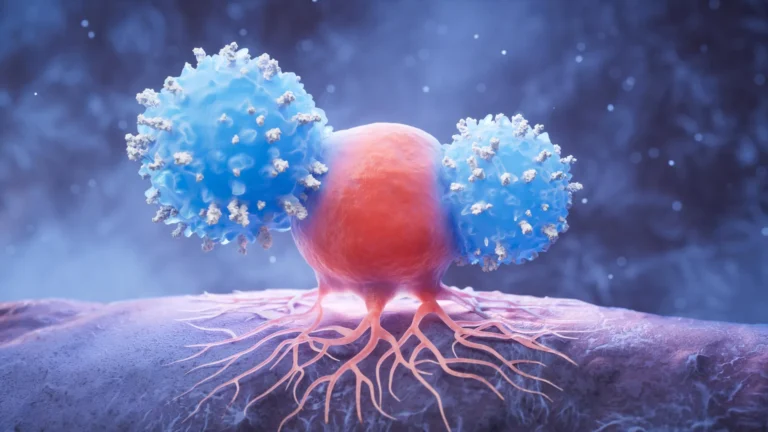











In a landmark achievement for synthetic biology and pharmacology, a multi-institutional research team has finally decoded a biological mystery that has confounded scientists for decades: how bacteria naturally "mix and match" components to manufacture diverse families of potent anti-cancer drugs. This breakthrough, recently published in Nature Communications, does more than just solve a puzzle of evolutionary biology; it provides a definitive blueprint for engineers to replicate and accelerate the creation of next-generation cancer therapies.
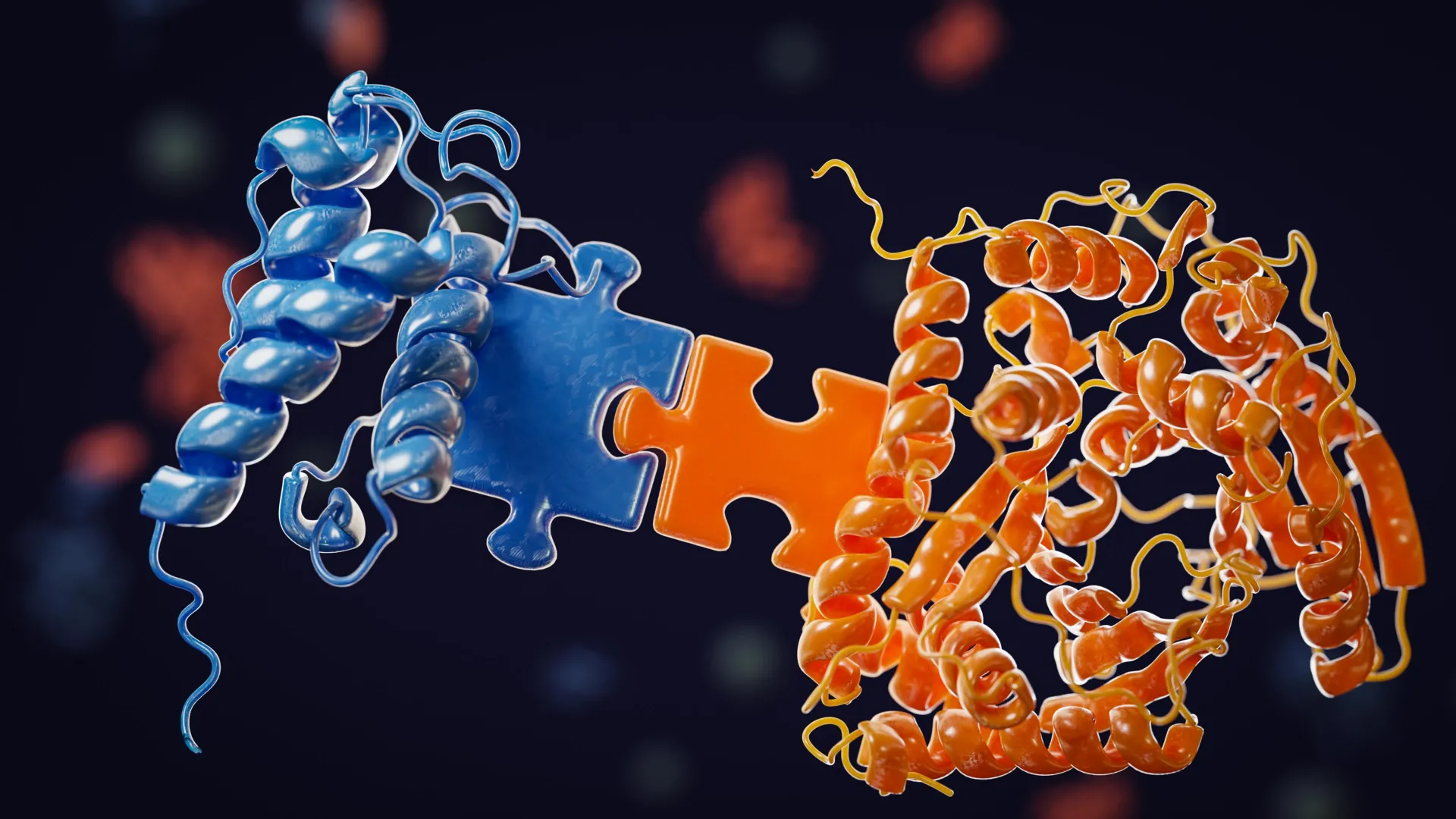
By identifying the "docking domains"—the precise molecular connectors that allow bacterial enzymes to communicate—researchers have unlocked the ability to manipulate these natural production lines. This could fundamentally alter the landscape of drug development, allowing scientists to design synthetic pathways that generate highly optimized, more potent, and more selective anti-cancer agents.
The Mystery of Microbial Versatility
For decades, the pharmaceutical industry has looked to the natural world for inspiration. Bacteria, in particular, are master chemists, capable of synthesizing complex molecules that humans struggle to replicate in a laboratory. Among these are the HDAC inhibitors—a class of drugs that target histone deacetylases, enzymes that regulate gene expression. When these regulatory mechanisms go awry, they often drive the uncontrolled cell division characteristic of cancer.
One such FDA-approved drug, Romidepsin (Istodax), used to treat certain blood cancers like T-cell lymphomas, is a prime example of a depsipeptide—a complex, cyclic molecule assembled by bacteria. However, Romidepsin is just one member of a larger family of related compounds. For years, scientists observed that bacteria could produce several variants of these drugs, yet the mechanical "assembly instructions" remained hidden.
"For decades, we’ve known that bacteria can naturally produce multiple versions of powerful anti-cancer drugs, yet we had no idea how they achieved this," said Dr. Munro Passmore, the study’s first author and a Research Fellow in the Department of Chemistry at the University of Warwick. "This work finally cracks that code. We’ve identified how the different enzymes communicate and cooperate to produce these drug variants, something that has eluded researchers because the system is so elegantly economical."
Chronology of Discovery: From Observation to Engineering
The journey to this discovery was a multi-year endeavor that required a convergence of diverse scientific disciplines.
The Early Phase: Identifying the Gap
The quest began with the study of FR-901375, a compound chemically related to Romidepsin that has been known to the scientific community for decades. While researchers recognized its therapeutic potential, the biological pathway—the "how" of its production—remained a black box. Understanding this pathway was the essential first step toward synthesizing the drug in a controlled environment.
The Integrative Approach
To solve the puzzle, the research team, led by experts from the University of Warwick and the Monash Warwick Alliance, employed a sophisticated, cross-disciplinary methodology. They combined:
- Structural Biology: To visualize the physical shape of the protein machinery.
- Biochemistry: To test the catalytic activity of individual enzymes in isolation.
- Genetics: To manipulate the bacterial genome and observe changes in compound output.
- Computational Modeling: To simulate the interaction between docking domains and enzyme partners, predicting how the molecular assembly line functions in real-time.
The "Aha!" Moment
The turning point came when the team identified the "docking domains." These are small, specialized regions of proteins that act as physical bridges. The researchers discovered that these domains possess a conserved connection point, allowing them to dock with multiple, different enzyme partners. This flexibility allows the bacteria to swap components in and out of the production line, creating a "combinatorial biosynthesis" effect.
The Mechanics of Nature’s Assembly Line
To understand why this is a breakthrough, one must understand the sheer complexity of the "PKS-NRPS" hybrid systems used by bacteria. These are massive, multi-protein complexes that function like a highly efficient factory floor.
PKS (polyketide synthase) and NRPS (nonribosomal peptide synthetase) are large enzymatic machines that assemble complex organic molecules from amino acid building blocks and hydroxy acids. In a standard factory, if you want to change the product, you have to build a new assembly line. In the bacterial cell, the discovery of the docking domains reveals that the "factory" is modular. By utilizing these connectors, the bacteria can route their intermediate products to different "stations," allowing for the assembly of various related compounds using the same underlying infrastructure.
This "mix and match" strategy is the key to both the diversity of the drugs produced and the efficacy of the final compounds. Because the assembly is tightly regulated, the bacteria maintain the precision necessary to create compounds that are chemically stable and biologically active.
Official Perspectives: The Blueprint for the Future
The implications of this research extend far beyond the laboratory. By reverse-engineering this natural evolutionary logic, scientists now possess a "blueprint" for drug design.
"This research gives us a blueprint to do what nature does, but better and faster," says Prof. Greg Challis, Monash Warwick Alliance Professor of Sustainable Chemistry at the University of Warwick and Monash University. "By reverse-engineering nature’s evolutionary logic, we can now design synthetic pathways that generate new anti-cancer drug candidates with properties optimized for clinical use, such as superior potency, improved selectivity, and fewer side effects."
Prof. Challis emphasizes that the shift is one from passive observation to active construction. "Our immediate goal is to build an expanded library of candidates for various cancers where new treatments are urgently needed. This discovery is moving us from understanding how the systems work to building new ones."
Implications for Future Cancer Therapeutics
The ability to synthesize these drug variants in the lab using engineered pathways is a game-changer for several reasons:
1. Enhanced Potency and Selectivity
Current chemotherapy drugs often suffer from toxicity, damaging healthy cells alongside cancerous ones. By tweaking the bacterial assembly lines, scientists can potentially create variants of HDAC inhibitors that are more specific to cancer cells, sparing the patient from debilitating side effects.
2. Overcoming Drug Resistance
Cancer cells are notorious for evolving resistance to existing treatments. By having a "library" of related compounds, researchers can quickly cycle through different variants to see which ones are most effective against resistant tumor lines, effectively staying one step ahead of the cancer’s evolutionary adaptations.
3. Sustainable Manufacturing
The research highlights a sustainable path to drug production. By leveraging the inherent efficiency of bacterial systems, the pharmaceutical industry could eventually move away from complex, waste-heavy chemical synthesis toward "biomanufacturing"—using engineered microbes to produce drugs in a cleaner, more efficient, and potentially cheaper way.
A New Frontier in Pharmacology
As the research team moves from the discovery phase into the application phase, the scientific community is watching with anticipation. The identification of the docking domains serves as a foundational piece of knowledge that will likely be applied to other classes of natural products, not just HDAC inhibitors.
The study in Nature Communications acts as a bridge between the ancient evolutionary history of microorganisms and the cutting edge of 21st-century medicine. By recognizing that these bacteria were not just making drugs, but were running a sophisticated, modular manufacturing plant, researchers have opened a door to a new era of "programmable" medicine.
In the coming years, the focus will shift to scaling these synthetic pathways. As the team at Warwick and Monash begins building an expanded library of drug candidates, the potential for discovering a "miracle molecule"—one that is highly potent against recalcitrant cancers—becomes significantly more tangible. The mystery of the bacterial drug factory has been solved; now, the work of building the future of cancer care truly begins.