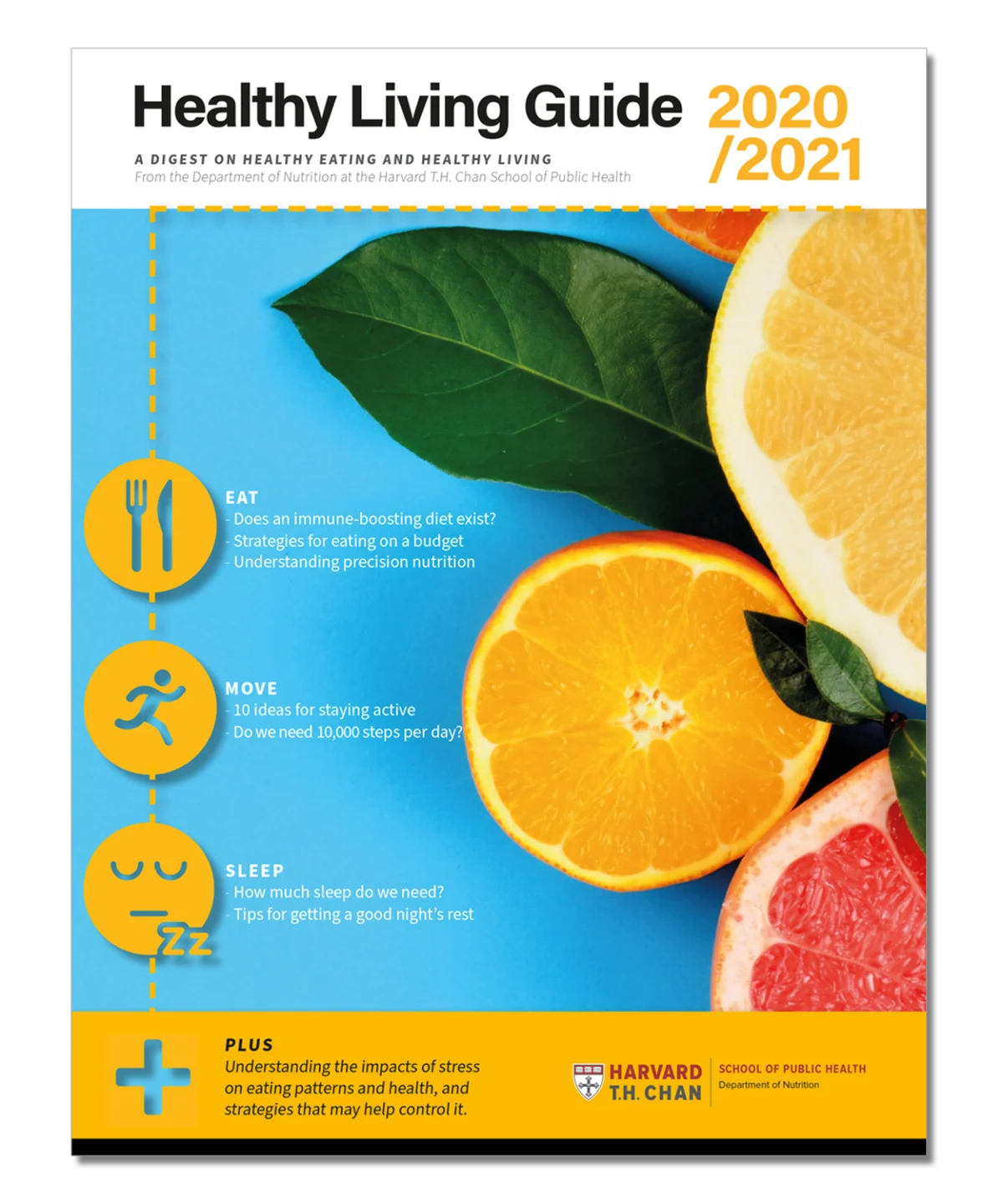
In the wake of global disruptions that have fundamentally altered the landscape of daily life, the pursuit of optimal health has transitioned from a personal goal to a collective imperative. As individuals navigate the lingering complexities of the COVID-19 pandemic—ranging from supply chain interruptions and food insecurity to unprecedented levels of psychological stress—the importance of foundational wellness has never been more pronounced.
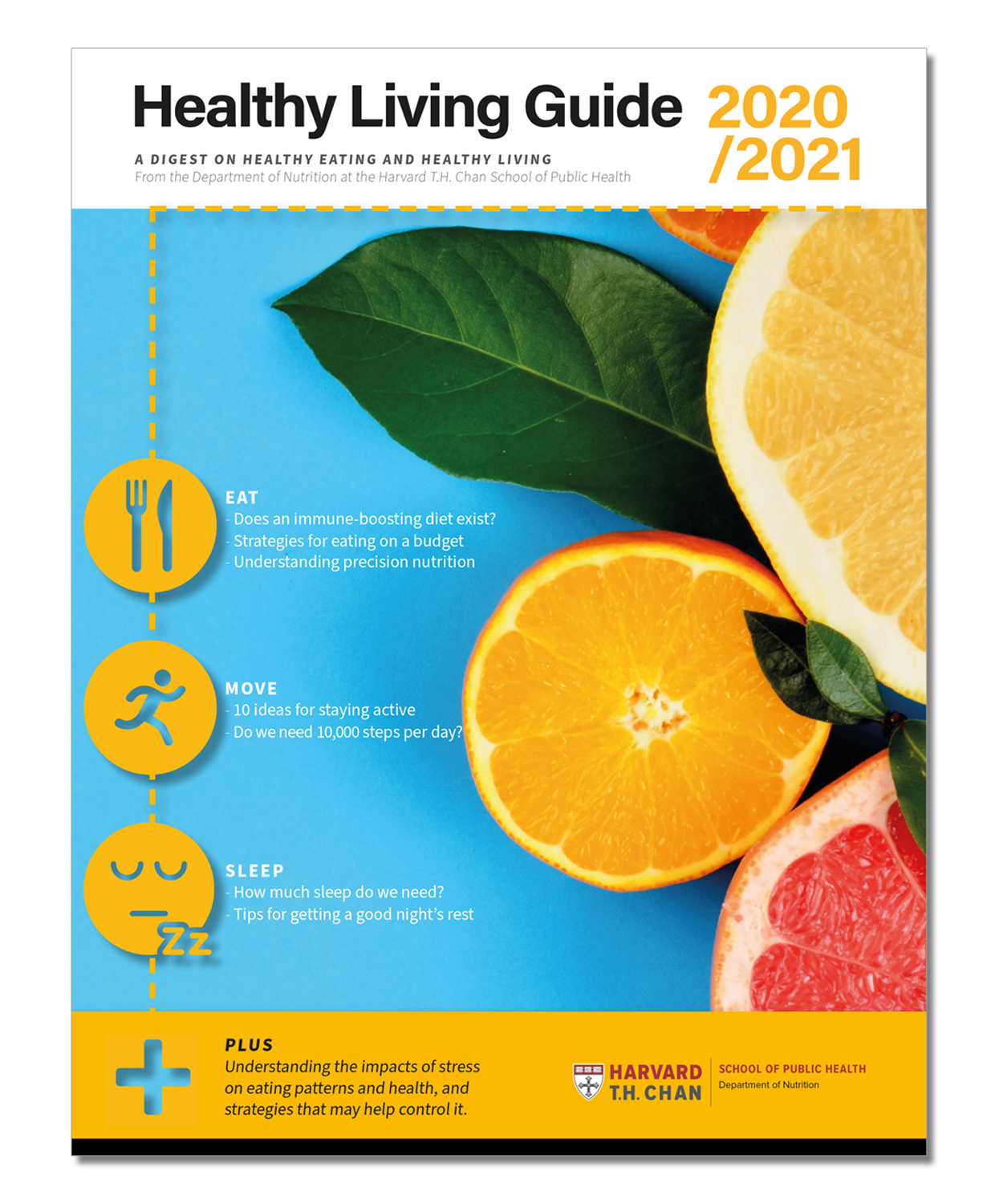
Harvard T.H. Chan School of Public Health has released a definitive Healthy Living Guide, a resource designed to help the public navigate these challenges through evidence-based lifestyle modifications. By focusing on five core habits, the guide serves as a roadmap for longevity, disease prevention, and enhanced quality of life in an increasingly unpredictable world.
Main Facts: The Pillars of Longevity
At the heart of the Healthy Living Guide is a distillation of decades of epidemiological research. While the pandemic brought health to the forefront of the public consciousness, the principles outlined by experts are timeless. The core message is clear: health is not merely the absence of disease, but a proactive state of well-being maintained through consistent, daily choices.
The guide emphasizes five key lifestyle habits that are statistically correlated with a significant extension of life expectancy:
- Nutritional Integrity: Consuming a nutrient-dense, plant-forward diet.
- Physical Activity: Engaging in regular, consistent movement.
- Weight Management: Maintaining a healthy body mass index (BMI).
- Moderate Alcohol Consumption: Limiting intake to avoid systemic health damage.
- Smoking Cessation: Total abstinence from tobacco products.
Research consistently shows that individuals who adhere to these five pillars live more than a decade longer than those who do not. Beyond the raw numbers of added years, these habits function as a safeguard against the "diseases of civilization," including type 2 diabetes, cardiovascular disease, and various forms of cancer.
Chronology: From Crisis to Proactive Health Management
The genesis of this guide stems from the unique intersection of the 2020 global health crisis and the long-term trends in public health.
- Early 2020: The onset of the pandemic introduced systemic shocks. With lockdowns and social distancing, sedentary behavior increased, and access to fresh produce became compromised for vulnerable populations.
- Mid-2020: Public health researchers began noting a shift in health priorities. While the world focused on viral transmission, the "shadow pandemic" of chronic health decline—exacerbated by stress-induced poor eating habits and isolation—became a primary concern for long-term health policy.
- Late 2020 – Early 2021: Synthesis of long-term longitudinal studies confirmed that lifestyle remains the most potent tool in the human arsenal for disease prevention. The Healthy Living Guide was compiled to synthesize this information into a digestible, actionable format for the general public.
- Present Day: The principles continue to serve as a cornerstone for public health advocacy, emphasizing that while we cannot control external viral threats, we can optimize our physiological resilience.
Supporting Data: The Science of Habitual Wellness
The scientific community has long debated the "nature vs. nurture" aspects of longevity. However, large-scale studies—many conducted at institutions like Harvard—have provided robust data confirming that lifestyle choices often outweigh genetic predispositions.
The "Decade-Long" Advantage
Studies tracking thousands of participants over decades have revealed that men and women who follow the five healthy habits at age 50 live, on average, 12 to 14 years longer than those who adopt none of them. This is not just a marginal improvement; it is a fundamental shift in life trajectory.
Years Free of Chronic Disease
Perhaps more important than total lifespan is "healthspan"—the number of years an individual lives free of debilitating chronic conditions. Data indicates that for those who maintain a healthy lifestyle in middle age, the onset of chronic diseases is significantly delayed.
- Cardiovascular Health: Regular exercise and proper nutrition reduce systemic inflammation, the primary driver of heart disease.
- Metabolic Stability: Maintaining a healthy weight and avoiding processed sugars helps regulate insulin sensitivity, drastically lowering the risk of type 2 diabetes.
- Oncological Prevention: Smoking cessation and a diet high in fiber and antioxidants have been consistently linked to lower incidences of lung, colorectal, and breast cancers.
Official Perspectives and Expert Guidance
Health experts are quick to clarify a common misconception: these habits are not intended to be "cures" for acute viral infections like COVID-19. Rather, they are strategies to optimize the baseline functioning of the immune system.
"While we do not have concrete evidence regarding specific dietary factors that can reduce the risk of contracting a virus," the report notes, "we do know that a healthy lifestyle is critical to keeping the immune system functioning at its peak."
The experts behind the guide argue that the mental health benefits of these habits are equally important. During periods of high stress, the act of preparing a healthy meal, going for a brisk walk, or engaging in a hobby provides a sense of agency. This sense of control is a vital psychological buffer against the helplessness that often accompanies global crises.
Implications: Building a Sustainable Future
The transition from 2021 into the current era serves as a permanent reminder of the fragility of health. The implications of this research are twofold: individual responsibility and systemic access.
The Individual’s Role
For the individual, the Healthy Living Guide suggests that small, incremental changes are more sustainable than radical, overnight overhauls. The inclusion of tools like the "Healthy Living Bingo Challenge" is a deliberate strategy to gamify wellness. By breaking down "healthy living" into small, achievable tasks, the barrier to entry is lowered, encouraging long-term adherence.
The Societal Perspective
The broader implication is that public health policy must prioritize the accessibility of these five habits. If a healthy diet and regular exercise are the primary determinants of longevity and healthspan, then food deserts, lack of safe public spaces for exercise, and high costs of healthy living are not just social issues—they are public health emergencies.
Strategies for Success
To integrate these habits into a busy, modern life, the guide suggests the following strategies:
- Start Small: Don’t attempt to overhaul your life in a week. Focus on one habit at a time, such as increasing daily step counts.
- Prioritize Nutrient Density: Focus on whole, unprocessed foods. Use the printable tip sheets provided in the guide to plan meals.
- Seek Community: Even in a digital world, shared goals (like a family or community bingo challenge) improve accountability and motivation.
- Manage Stress: Recognize that mental health is a component of physical health. Hobbies, meditation, and adequate sleep are just as critical as the gym.
Conclusion: A Living Commitment
The Healthy Living Guide is more than a static document; it is a reminder that our health is a dynamic, ongoing project. As the world continues to evolve, the need for a strong, resilient body and mind remains constant. By focusing on the five pillars of healthy living—nutrition, movement, weight, alcohol moderation, and the avoidance of smoking—we can significantly improve not only the duration of our lives but the richness of our daily experience.
For those looking to begin this journey, the resources provided by the Harvard T.H. Chan School of Public Health—including printable tip sheets and the interactive bingo card—offer a practical starting point. In times of uncertainty, investing in one’s health remains the single most reliable path toward a secure and vibrant future.
To access the full suite of resources, including the printable Healthy Living Guide and the Healthy Living Bingo Challenge, please visit the official Harvard Nutrition Source website.