Introduction: A New Paradigm for Public Health
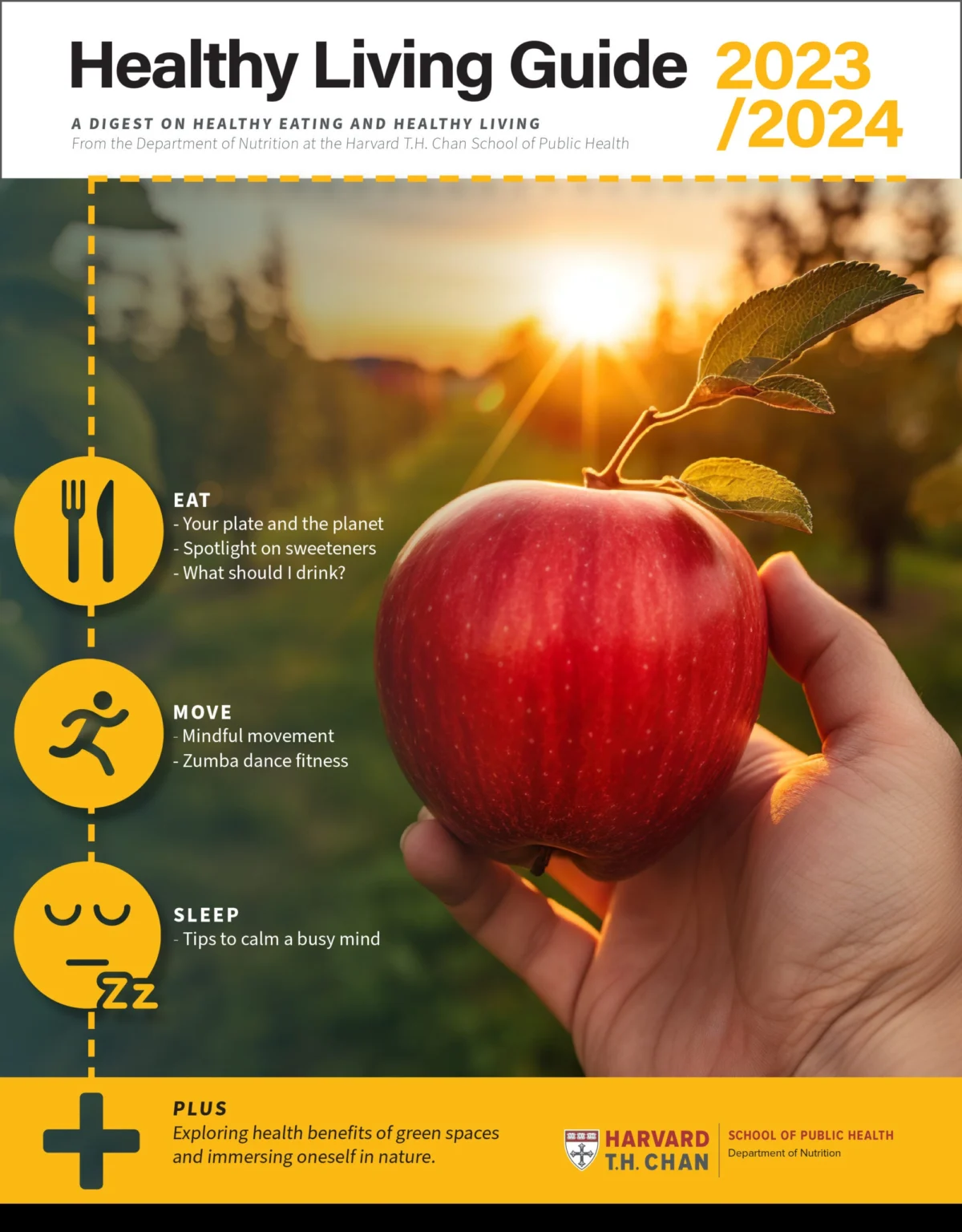
As we step into 2024, the global conversation surrounding health has shifted from mere physical maintenance to a holistic integration of mental clarity, environmental stewardship, and physiological balance. Marking this evolution, the Department of Nutrition at the Harvard T.H. Chan School of Public Health has released the fourth edition of its Healthy Living Guide. This year’s publication is more than a collection of dietary advice; it serves as a manifesto for a new era of "Mindful Public Health."
Drawing inspiration from the late Zen master Thich Nhat Hanh—who famously noted that "the apple in your hand is the body of the cosmos"—the guide emphasizes that every choice we make, from the foods we consume to the way we move our bodies, carries implications that ripple far beyond the individual. By bridging the gap between clinical nutrition and the philosophy of mindfulness, this edition offers a roadmap for those seeking to harmonize personal vitality with global sustainability.
Main Facts: The Intersection of Mindfulness and Nutrition
The cornerstone of this year’s publication is the official launch of the Thich Nhat Hanh Center for Mindfulness in Public Health. Unlike traditional medical research centers, this initiative is dedicated to the study and application of mindfulness at a population level.
The core premise is that mindfulness—the practice of present-moment awareness—is a powerful, yet underutilized, tool in the fight against chronic disease. Researchers at the center are investigating how mindful eating practices can mitigate the harms of the modern, rapid-paced food environment. By fostering a deeper connection to the source, nutritional density, and sensory experience of food, the center posits that individuals can improve their metabolic health while simultaneously reducing the ecological footprint of their diet.
The 2023-2024 Healthy Living Guide synthesizes these findings into actionable modules, ensuring that the complex, evidence-based research produced by the department remains accessible to the general public.
Chronology: The Evolution of the Guide
The journey of the Healthy Living Guide reflects the changing landscape of nutritional science over the last four years:
- 2020-2021 (The Inception): The guide was launched in response to the COVID-19 pandemic, focusing heavily on immune support, home-based physical activity, and the psychological stresses of lockdowns.
- 2021-2022 (The Refinement): This phase shifted toward long-term dietary patterns, such as the Mediterranean and DASH diets, and the importance of routine during periods of global uncertainty.
- 2022-2023 (The Expansion): The focus widened to include the "planetary health diet," acknowledging that the health of the individual is inextricably linked to the sustainability of the food systems that nourish them.
- 2023-2024 (The Mindfulness Integration): The current edition solidifies the marriage between behavioral psychology and nutritional science, centering on the Thich Nhat Hanh Center’s research pillars.
Supporting Data: Nutrition, Movement, and Sleep
The Healthy Living Guide does not rely on trends; it is anchored in rigorous, peer-reviewed data. This year’s edition highlights three critical pillars of human health:
1. The Ultra-Processed Food Crisis
One of the most alarming trends identified in current research is the rapid proliferation of ultra-processed foods (UPFs) in the modern diet. The guide provides updated evidence linking high consumption of UPFs to not only physical ailments—such as obesity and cardiovascular disease—but also to declining mental health. The data suggests that the chemical additives and structural modifications inherent in these foods may disrupt gut-brain signaling, contributing to increased rates of depression and anxiety.
2. The Mechanics of Movement: Zumba and Beyond
Exercise is often prescribed as a binary task: "get your steps in." However, the guide challenges this clinical approach by advocating for "joyful movement." By highlighting the physiological benefits of rhythmic, music-driven exercise like Zumba, the researchers demonstrate that exercise adherence is significantly higher when the activity triggers a dopamine response through music and social synchronization.
3. Chronotypes and Circadian Rhythms
The 2024 guide introduces a nuanced discussion on "chronotypes"—the internal biological clocks that dictate our preference for sleep and wakefulness. Rather than forcing a rigid 9-to-5 sleep structure, the guide suggests that optimizing health requires aligning one’s lifestyle with their natural chronotype. Research presented shows that working against one’s biological clock (social jetlag) is a significant predictor of metabolic syndrome and poor insulin sensitivity.
Official Responses: Insights from the Department of Nutrition
Faculty members at the Department of Nutrition view this year’s guide as a necessary correction to the "quick-fix" culture prevalent in the wellness industry.
"The goal of the Thich Nhat Hanh Center is to move mindfulness out of the meditation cushion and into the cafeteria, the grocery store, and the policy-making table," says a senior researcher involved in the guide’s development. "When we eat mindfully, we are not just counting calories; we are acknowledging the labor, the land, and the biological processes that make our survival possible. This shift in perspective is the first step toward a more resilient public health system."
The department stresses that the guide is designed to be a living document. By offering printable tip sheets and interactive summaries, they aim to lower the barrier to entry for evidence-based wellness, allowing community leaders and educators to disseminate this information to diverse populations.
Implications: Building a Mindful Future
The release of this guide carries profound implications for how we define public health in the coming decade.
A New Public Health Agenda
If mindfulness can be proven to improve population-level health, it could reshape public policy. For instance, school lunch programs could incorporate mindfulness training to reduce food waste and improve student nutrition. Corporate wellness programs might pivot from mere physical screenings to mental-emotional training that reduces burnout.
Environmental Sustainability
The focus on the "body of the cosmos" serves as a poignant reminder that personal health is an environmental issue. By choosing minimally processed, plant-forward foods, the individual is effectively voting for a more sustainable food system. The 2024 guide provides the necessary data to help consumers make these informed, high-impact decisions, effectively turning the act of eating into a form of environmental advocacy.
Addressing the Mental Health Crisis
Perhaps the most significant implication of this year’s research is the link between gut health, mindfulness, and mental stability. In an era of record-high rates of anxiety and depression, the guide offers a non-pharmacological, preventative approach. By regulating sleep, choosing whole foods, and practicing awareness, individuals may build a physiological and psychological buffer against the stressors of modern life.
Conclusion: How to Utilize the 2024 Guide
The 2023-2024 Healthy Living Guide is available for free, reflecting the Department of Nutrition’s commitment to democratizing health information. Readers are encouraged to:
- Download the PDF: Use the provided printable tip sheets to create visual reminders in the kitchen or office.
- Engage with the Data: Explore the links to the full articles cited in the guide to understand the depth of the research.
- Test Your Knowledge: Utilize the interactive quizzes to assess your current understanding of healthy living.
- Practice Mindfulness: Start small. Whether it is a mindful walk or a slow, intentional meal, the guide advocates for the accumulation of small, consistent habits over grand, unsustainable gestures.
As we move further into 2024, the Healthy Living Guide stands as a testament to the power of integrating science with wisdom. By embracing the principles outlined by the Department of Nutrition, we can move toward a future where "healthy living" is not just a personal pursuit, but a shared commitment to the health of our bodies, our minds, and our planet.
For those interested in exploring the complete findings and accessing the full repository of research, the official PDF and supplementary resources are available through the Harvard Nutrition Source portal.