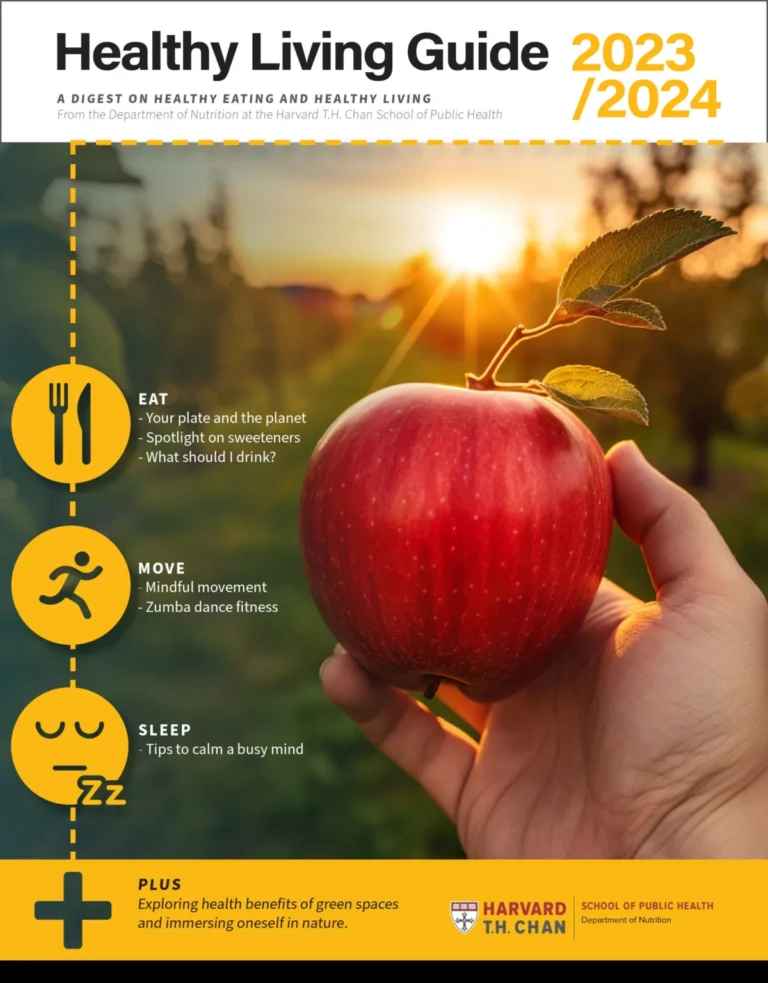





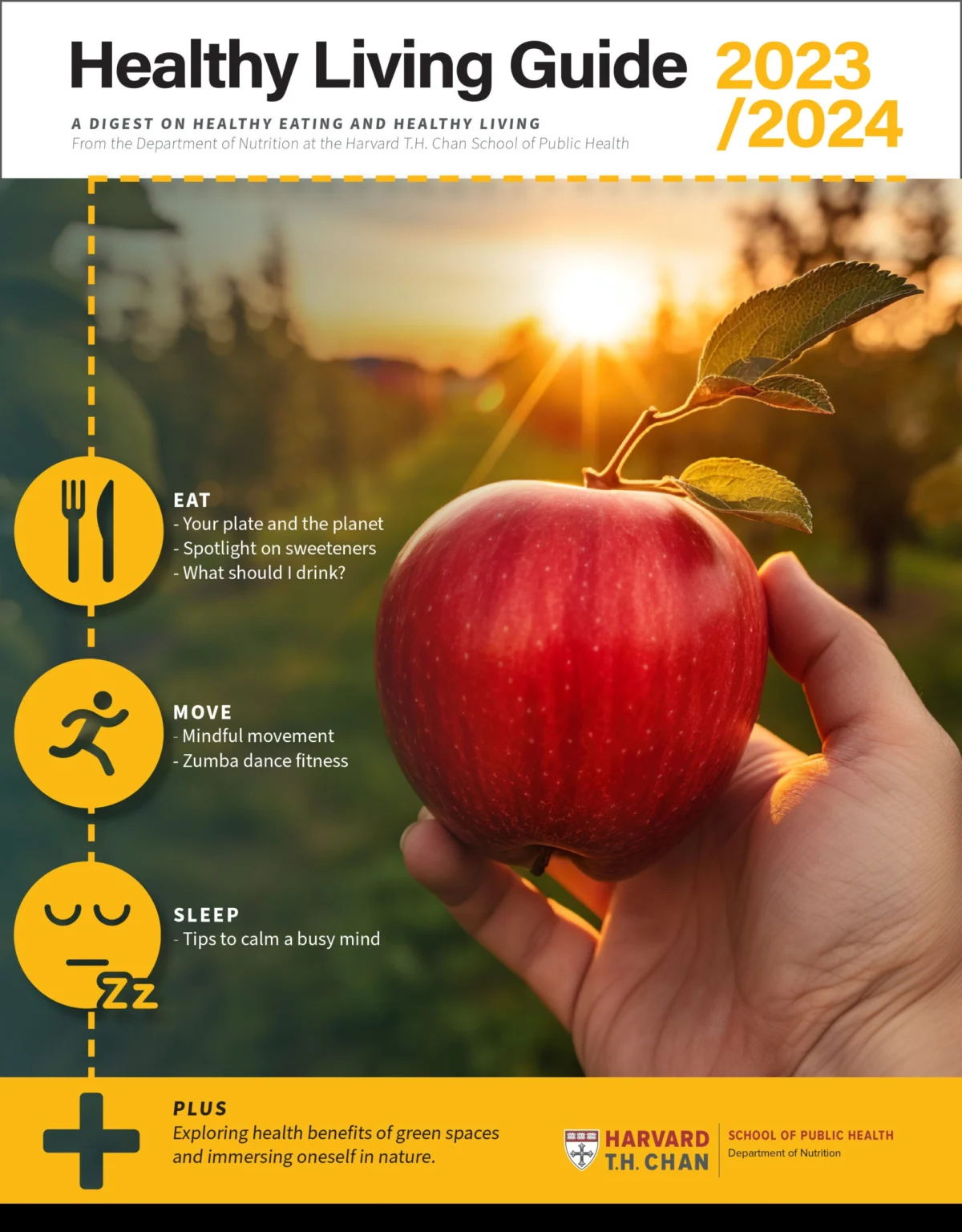
As we step into 2024, the global conversation surrounding health has shifted from mere physical maintenance to a holistic integration of mental, physical, and environmental well-being. Reflecting this evolution, the Department of Nutrition at the Harvard T.H. Chan School of Public Health has released its fourth annual Healthy Living Guide. This year’s edition is more than a collection of dietary advice; it serves as a roadmap for navigating the complexities of modern wellness, anchored by the principles of mindfulness and scientific rigor.
Main Facts: The Intersection of Mindfulness and Public Health
The cornerstone of the 2023-2024 Healthy Living Guide is the formal introduction of the Thich Nhat Hanh Center for Mindfulness in Public Health. The establishment of this center marks a pivotal moment for the Department of Nutrition, signaling a strategic pivot toward studying how mindfulness can be scaled from individual practice to population-level interventions.
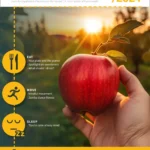
The guide posits that our relationship with food is fundamentally tied to our awareness. By borrowing the wisdom of the late Zen master Thich Nhat Hanh—who famously remarked, “The apple in your hand is the body of the cosmos”—the publication invites readers to reconsider the interconnectedness of their dietary choices. The core mission is to demonstrate that "mindful eating" is not just a trend for the individual, but a vital strategy for planetary health, sustainable food systems, and long-term metabolic wellness.
Chronology: A Trajectory of Wellness Advocacy
The publication of this guide is the culmination of a year of intensive research and institutional growth.
- Early 2023: The Department of Nutrition initiated the formal planning phase for the Thich Nhat Hanh Center for Mindfulness in Public Health, aiming to bridge the gap between ancient contemplative practices and modern epidemiological research.
- Mid-2023: Researchers conducted a series of systematic reviews focusing on the impact of ultra-processed foods on neurological health, alongside observational studies regarding "chronotypes"—the biological rhythms that dictate an individual’s optimal sleep and wake cycles.
- Late 2023: The editorial team synthesized these disparate research threads into a cohesive, actionable format designed for public consumption.
- January 2024: The official launch of the fourth annual Healthy Living Guide, providing a comprehensive resource for the public to translate complex academic findings into daily habits.
This chronology underscores the institution’s commitment to iterative growth, building upon the foundations laid in the 2022-2023 edition while pivoting toward the emerging field of mindfulness science.
Supporting Data: Nutrition, Movement, and Circadian Biology
The guide provides a rigorous examination of three primary pillars: nutrition, physical activity, and sleep. Each section is supported by current empirical data:
The Ultra-Processed Food Crisis
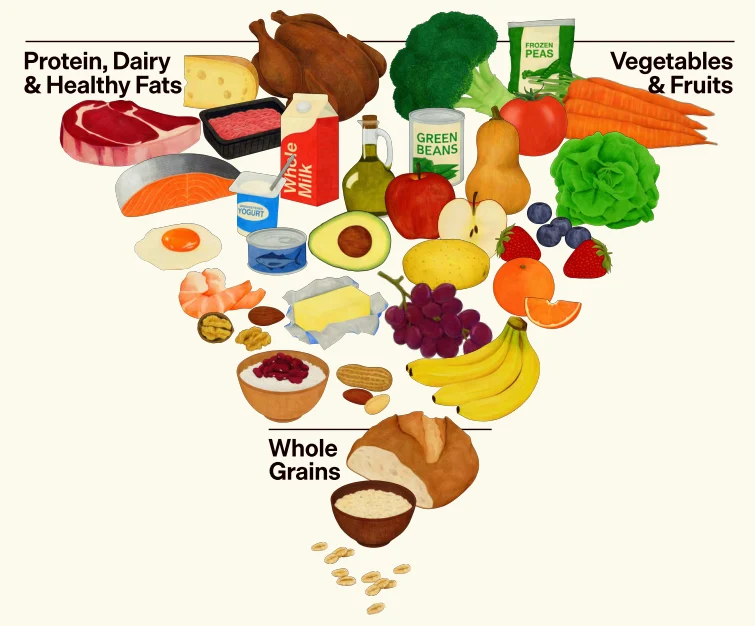
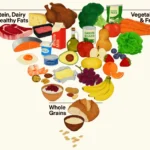
The research highlights a troubling correlation between the consumption of ultra-processed foods (UPFs) and declining mental health. Unlike whole foods, UPFs are often stripped of nutritional density and loaded with additives, which recent studies suggest may disrupt the gut-brain axis. The guide provides evidence-based alternatives, emphasizing whole, plant-forward diets that mitigate the inflammatory responses often triggered by hyper-palatable processed snacks.
The Science of Movement: Zumba and Beyond
Physical activity is treated in the guide as a dynamic tool for stress regulation. One of the standout features is an exploration of "fun-based" movement, such as Zumba. Data cited in the guide suggests that the psychological benefits of group exercise, combined with rhythmic, high-energy movement, significantly improve adherence to physical activity goals compared to solitary, monotonous exercise routines.
Chronotypes and Sleep Architecture
The guide demystifies the concept of "chronotypes"—the biological predisposition toward being an "early bird" or a "night owl." Rather than suggesting that everyone must adhere to a 6:00 AM wake-up call, the guide provides evidence that aligning one’s professional and social obligations with their natural circadian rhythm can lead to substantial improvements in metabolic health, insulin sensitivity, and cognitive performance.
Official Responses and Expert Perspectives
Faculty and researchers associated with the Harvard T.H. Chan School of Public Health have expressed that this year’s guide is a direct response to the "wellness fatigue" felt by the general public.
"We are seeing a paradox," noted a lead contributor to the guide. "People are more aware of health information than ever, yet health outcomes are declining. The missing link is not more data; it is the integration of mindfulness into the daily structure of life."
The leadership at the Thich Nhat Hanh Center emphasizes that the goal is to make healthy living accessible, not prescriptive. By offering printable tip sheets and actionable summaries, the department is attempting to democratize complex nutritional science, making it digestible for families, educators, and healthcare providers alike.
Implications: A New Paradigm for 2024
The implications of this year’s Healthy Living Guide are significant for both public policy and personal health management.
For the Individual
The shift toward mindfulness suggests that "dieting" is becoming obsolete, replaced by "conscious nourishment." By focusing on the source of the food—the "body of the cosmos"—the guide encourages individuals to support sustainable agricultural practices, which in turn benefits the environment. This shift turns eating from a utilitarian task into a moral and health-conscious act.
For Public Health
The establishment of the Thich Nhat Hanh Center signals that the academic community is taking the psychological component of public health seriously. If future research confirms that mindfulness can effectively reduce systemic stress in large populations, it could lead to new public policy recommendations regarding urban design, work-life balance legislation, and school-based nutritional education programs.
For Future Research
The guide explicitly challenges readers to test their own knowledge, highlighting that learning is a continuous process. By linking to previous years’ editions, the authors reinforce the idea that health is not a destination but a trajectory. The focus for the coming year will likely be on how these mindfulness interventions can be applied to combat the rising tide of chronic diseases, such as Type 2 diabetes and hypertension, which are heavily influenced by the interplay of diet, stress, and sleep.
Conclusion: Accessing the Tools for Change
The 2023-2024 Healthy Living Guide serves as a bridge between the ivory tower of academia and the kitchen tables of the general public. By focusing on the synergy of sleep, nutrition, and movement, and by grounding these in the science of mindfulness, the Harvard Department of Nutrition has provided a document that is both aspirational and deeply practical.
For those looking to optimize their well-being in the coming year, the guide is available as a downloadable PDF, complete with interactive features and printable resources designed to facilitate long-term behavior change. Whether one is a seasoned health enthusiast or someone simply looking to make more mindful choices, this year’s digest offers the necessary tools to turn scientific theory into a healthier, more fulfilling reality.
As we navigate 2024, the lesson from Harvard is clear: true health is found at the intersection of what we put in our bodies and the presence of mind we bring to the act of living. By slowing down, moving with intention, and honoring our biological rhythms, we can move toward a more resilient and sustainable future.