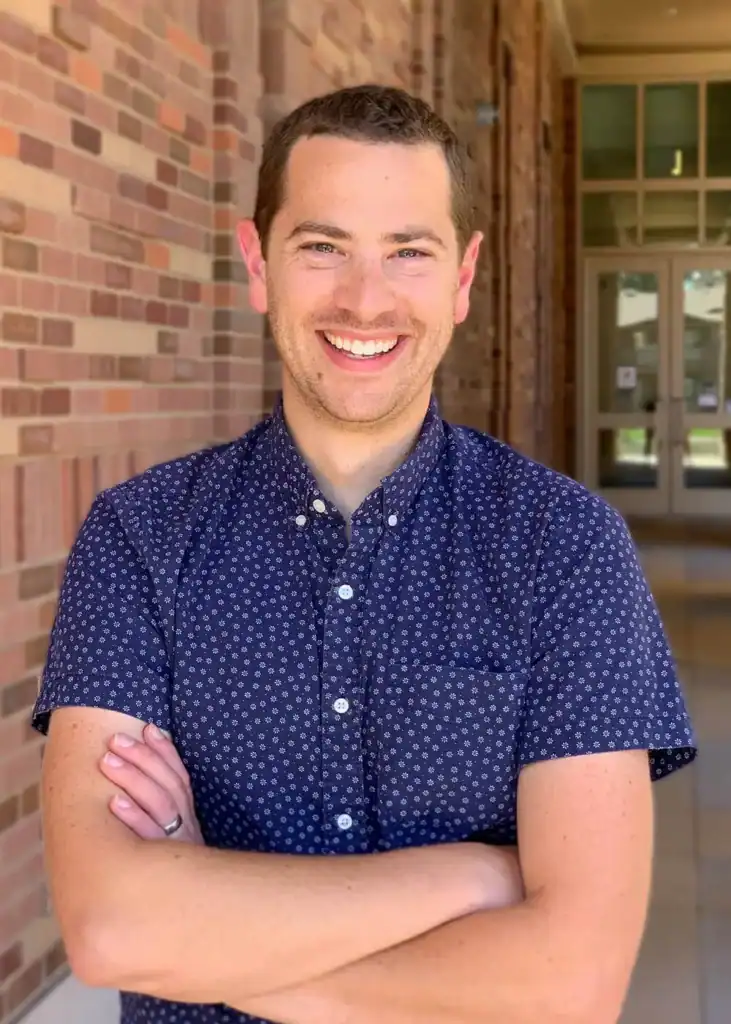
In the rapidly evolving landscape of oncology, the most groundbreaking discoveries often emerge from the most unexpected places. For Dr. Aaron Whiteley, an Assistant Professor in the Department of Biochemistry at the University of Colorado Boulder, the secret to revolutionizing cancer immunotherapy may lie in the microscopic battles fought by bacteria over a billion years ago.
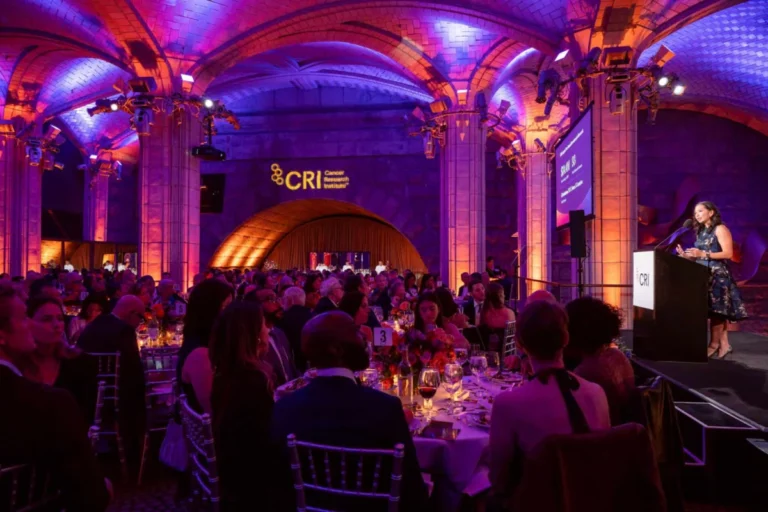
Dr. Whiteley has been named a recipient of the prestigious Cancer Research Institute (CRI) Lloyd J. Old STAR (Scientists Taking Risks) award. This honor recognizes his innovative approach to immunology, which seeks to translate ancient bacterial defense mechanisms into novel, high-impact treatments for human cancer. By viewing the human immune system through the lens of evolutionary microbiology, Dr. Whiteley is building a "Rosetta Stone" for immune signaling that could fundamentally alter how we prime the body to defeat malignant tumors.
Main Facts: A New Frontier in Immune Signaling
At the core of Dr. Whiteley’s research is a profound realization: the sophisticated pathways that human cells use to detect and respond to threats are not entirely unique to humans. Many of these mechanisms, essential for maintaining health and warding off disease, trace their lineage back to prokaryotic organisms that dominated the Earth more than a billion years ago.
Dr. Whiteley’s laboratory is currently investigating newly discovered bacterial enzymes that possess the unique ability to activate specific immune pathways in humans. The hypothesis is compelling: if researchers can harness these bacterial enzymes, they may be able to "teach" the human immune system to recognize and eliminate cancer cells more effectively.
The CRI STAR award provides Dr. Whiteley with the financial runway to pursue this "high-risk, high-reward" research. Unlike traditional grant mechanisms, which often require researchers to demonstrate preliminary data for incremental progress, the STAR program encourages the exploration of paradigm-shifting ideas that have the potential to open entirely new frontiers in the field of immunotherapy.
Chronology: From Berkeley to the Forefront of Biochemistry
Dr. Whiteley’s trajectory toward this breakthrough is marked by a rigorous academic foundation and a persistent, interdisciplinary curiosity.
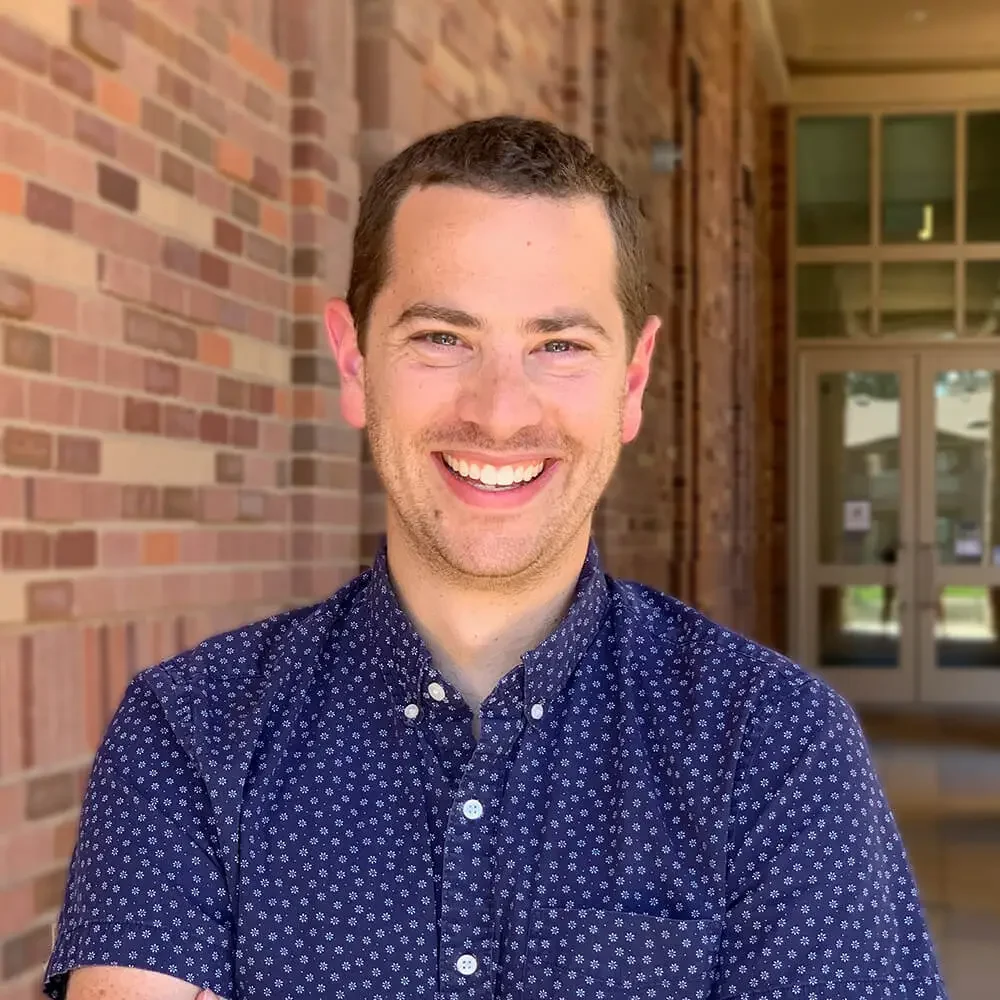
- Academic Foundations: Dr. Whiteley earned his PhD from the University of California, Berkeley, where he was recognized as a National Science Foundation Graduate Research Fellow. His doctoral work solidified his foundational understanding of molecular mechanisms and provided the analytical framework for his later work.
- Postdoctoral Excellence: Following his PhD, he completed advanced postdoctoral training at Harvard Medical School. This period was instrumental in bridging the gap between basic biochemistry and complex immunological signaling.
- The Independent Lab: In 2020, Dr. Whiteley established his independent laboratory at the University of Colorado Boulder. Since then, his team has focused on the evolution of immune signaling, specifically looking at the conservation of pathways across the tree of life.
- The STAR Award: In 2026, his work was recognized by the Cancer Research Institute. The selection as a STAR investigator marks a pivotal moment for his lab, shifting their focus toward translating bacterial-human communication into tangible therapeutic applications.
Supporting Data: The Evolutionary Connection
The rationale for Dr. Whiteley’s research rests on the concept of "deep homology." When the human immune system encounters a tumor, it relies on specific signaling pathways to trigger an inflammatory or cytotoxic response. Dr. Whiteley has spent the last decade identifying these pathways and tracing their evolutionary origins.
The data suggests that the pathways critical to human cancer immunotherapy are not modern inventions; they are highly conserved systems that bacteria have used for eons to defend themselves against viral invaders and environmental stressors. By studying these bacterial enzymes, the Whiteley lab has identified a "language" of chemical signaling that is shared between these ancient organisms and human immune cells.
This research implies that our immune system is fundamentally a modular, evolved machine. By introducing specialized bacterial enzymes—or developing "customized probiotics" that produce them—scientists may be able to modulate the immune response within the tumor microenvironment, effectively "flipping the switch" on dormant or exhausted T-cells.
Official Responses: The Philosophy of "High-Risk, High-Reward"
The CRI STAR program was created to address a critical "valley of death" in scientific funding: the inability of researchers to pursue unconventional, high-stakes ideas due to the restrictive nature of traditional grant-making bodies.
"When you’re constantly focused on how do I get a little bit more data to get the next grant, especially when those grants are coming from the National Institutes of Health, they are a little bit more risk-averse," Dr. Whiteley noted. "You can’t do the ‘pie-in-the-sky’ paradigm-shifting experiments. This grant will enable us to push the limits, as it’s high risk, high reward. It is game-changing for my research program."
His sentiment is shared by his colleagues at the University of Colorado Boulder, including 2025 STAR awardee Dr. Edward Chuong. According to Dr. Chuong, the value of the STAR program lies in its unrestricted nature, which empowers scientists to chase "high-risk leads." For these investigators, the freedom to fail—or to pivot entirely based on new, unexpected findings—is precisely what is needed to unlock the next generation of cancer treatments.
Implications: Redefining the Future of Cancer Care
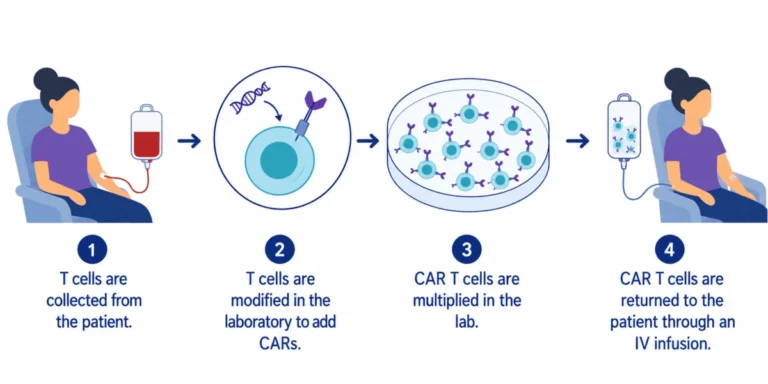
The implications of Dr. Whiteley’s research extend far beyond the laboratory bench. If successful, the translation of bacteria-immune interactions could lead to the development of a new class of "immuno-probiotics"—engineered or selected bacterial strains designed to colonize or signal within the body to enhance the efficacy of checkpoint inhibitors and CAR T-cell therapies.
The Role of Mentorship
Beyond his scientific inquiry, Dr. Whiteley remains committed to the human element of science. As a recipient of multiple graduate mentoring awards, he emphasizes the necessity of nurturing the next generation of researchers. He often reflects on the exponential growth of cancer treatment, noting that therapies like CAR T-cell therapy—which would have seemed like science fiction only 25 years ago—are now clinical realities.
"But that only happens if there’s another generation to keep moving the needle, keep pushing the envelope," Dr. Whiteley says.
Redefining the Microbe-Immunity Nexus
The long-term goal of the Whiteley lab is to create a comprehensive framework for how microbes influence immunity. This "Rosetta Stone" would allow clinicians to interpret the signals occurring within a patient’s body, potentially allowing for personalized treatments based on a patient’s unique microbiome and immune landscape.
In conclusion, the work being conducted in Dr. Whiteley’s lab represents a shift toward a more integrative approach to medicine. By looking back over a billion years of evolution, he is helping us look forward to a future where cancer is no longer a terminal diagnosis, but a condition that can be managed and cleared by a finely tuned, highly informed immune system. Through the support of the CRI STAR program, Dr. Whiteley is not just conducting experiments; he is redefining the boundaries of what is possible in the fight against cancer.
As the scientific community watches the progress of the Whiteley lab, one thing is clear: the most potent answers to our most modern medical challenges may well be hidden in the ancient, microscopic code that has sustained life on Earth since the dawn of time.