








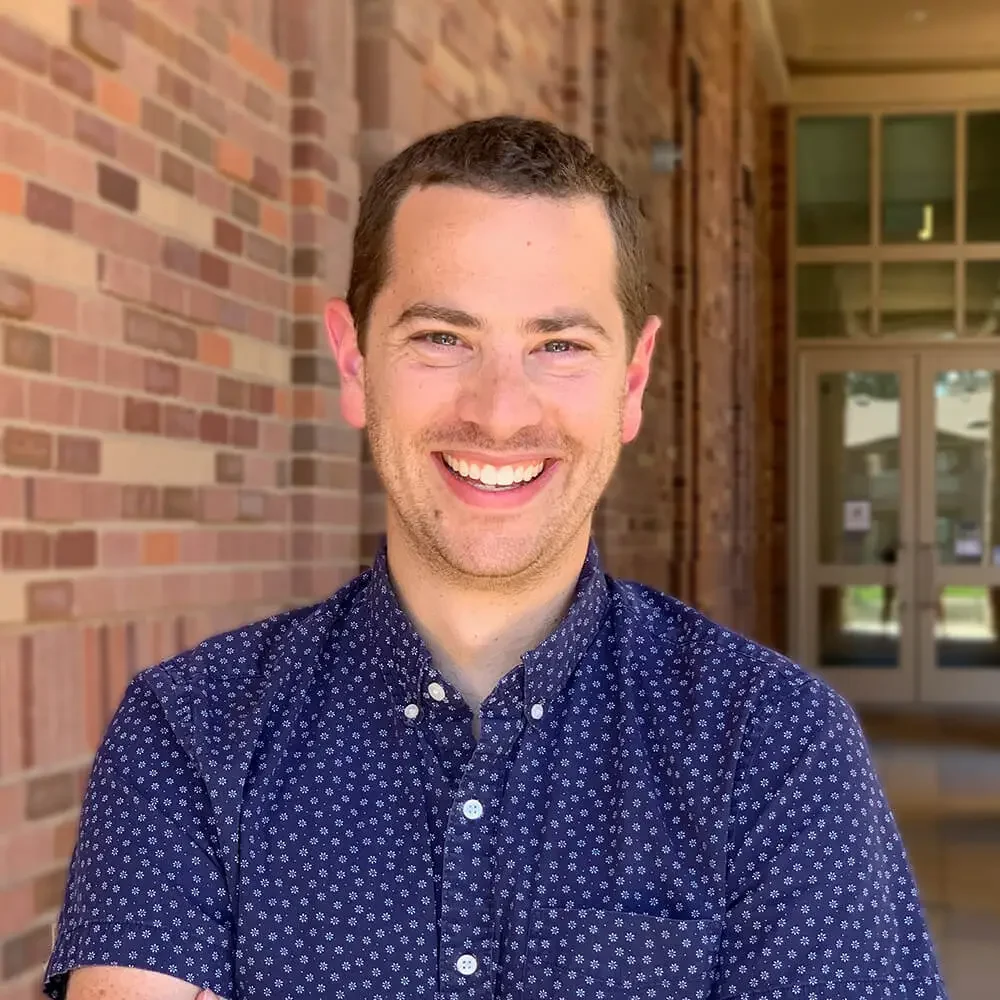
In the high-stakes world of oncology, the most innovative breakthroughs often arrive from the most unexpected sources. For Dr. Aaron Whiteley, an Assistant Professor in the Department of Biochemistry at the University of Colorado Boulder, the secret to defeating modern cancer might just lie in the evolutionary history of the humble bacterium. By tracing the molecular lineage of our immune system back over a billion years, Dr. Whiteley is spearheading a research program that could fundamentally redefine how we treat malignancy.
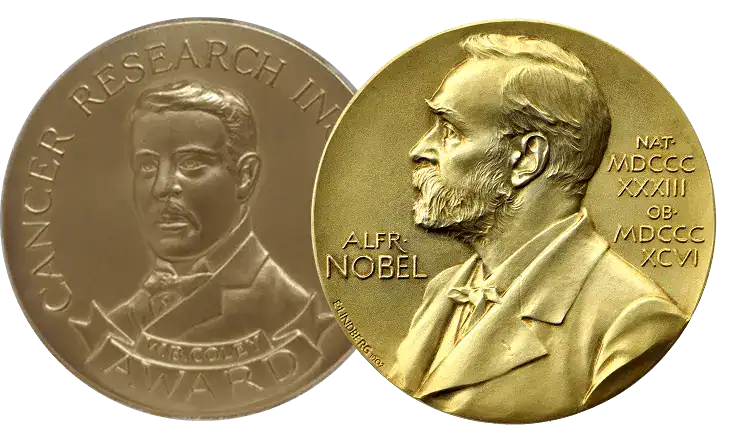
As a recent recipient of the prestigious Cancer Research Institute (CRI) Lloyd J. Old STAR award, Dr. Whiteley is now poised to move beyond the constraints of traditional research, leveraging a "Rosetta Stone" of biological communication to develop next-generation, customized probiotics that prime the human immune system to recognize and destroy cancer cells with unprecedented precision.
The Core Mission: Bridging Bacteria and Human Immunity
At the heart of Dr. Whiteley’s research is a startling discovery: many of the immune signaling pathways that protect human health today did not evolve in the complex multicellular organisms we recognize as humans. Instead, these pathways originated in ancient bacteria. Over eons, these mechanisms were conserved and repurposed, eventually becoming the backbone of the human innate immune response.
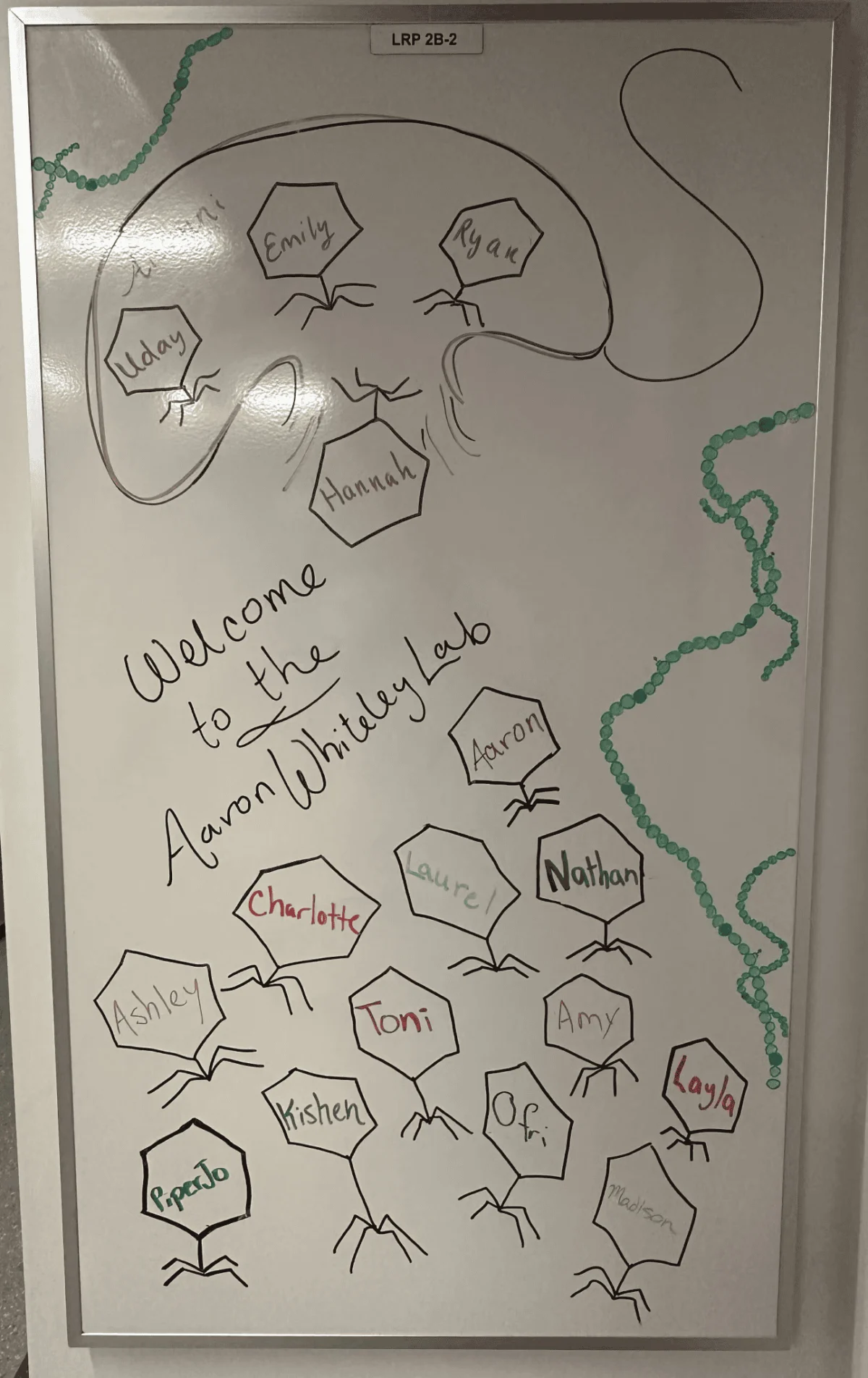
Dr. Whiteley’s laboratory, established in 2020, focuses on decoding these ancient molecular dialogues. The primary objective is to identify bacterial enzymes capable of activating specific immune pathways that have been proven to drive successful cancer immunotherapy. By translating this "ancient language"—essentially the communication between bacterial cells and human hosts—Dr. Whiteley hopes to create a bridge that allows clinicians to "teach" the immune system how to better identify and combat tumor growth.
Chronology of an Academic Visionary
The trajectory of Dr. Whiteley’s career reflects a consistent dedication to fundamental biological questions that underpin human disease.
- Foundational Education: Dr. Whiteley earned his PhD at the University of California, Berkeley. During this tenure, his academic excellence and potential for groundbreaking research were recognized through his appointment as a National Science Foundation Graduate Research Fellow.
- Postdoctoral Training: Seeking to refine his expertise in complex biological systems, he moved to Harvard Medical School. Here, he honed the skills that would eventually allow him to navigate the intersection of microbiology and immunology.
- Establishment of the Whiteley Lab: In 2020, he launched his independent laboratory at the University of Colorado Boulder. This period marked the beginning of his intensive focus on the molecular mechanisms and evolution of immune signaling.
- The STAR Breakthrough (2026): After years of gathering evidence on the bacterial origins of immune pathways, Dr. Whiteley was selected for the CRI STAR award. This grant serves as a catalyst, providing the financial runway to pursue high-risk, "paradigm-shifting" experiments that were previously too ambitious for traditional funding avenues.
The STAR Program: Fostering High-Risk, High-Reward Science
The Lloyd J. Old STAR program is an outlier in the scientific funding landscape. Unlike the National Institutes of Health (NIH) or other government-led grant programs, which often prioritize projects with predictable, incremental outcomes, the STAR program is specifically designed to support "high-risk, high-reward" ventures.
In the competitive world of academic research, scientists are often trapped in a cycle of needing "just a little more data" to secure the next grant. This environment creates a culture of risk aversion, where researchers are discouraged from pursuing "pie-in-the-sky" ideas that could fail but, if successful, could change the course of medicine.
Dr. Edward Chuong, a fellow 2025 STAR recipient at the University of Colorado Boulder, underscores the transformative nature of this support. "The STAR award has inspired our lab to go all in on our ideas," Dr. Chuong noted. "The unrestricted support has allowed us to chase high-risk leads and provides an incredible chance to take big risks that have a chance of improving cancer immunotherapy."
For Dr. Whiteley, the freedom granted by the CRI is not merely financial—it is intellectual. It removes the pressure to conform to conservative milestones and allows for the pursuit of scientific intuition, which is often where the most significant discoveries are made.
Implications for Cancer Therapy: The Future of Probiotics
The long-term goal of the Whiteley Lab is to translate the communication between bacteria and human cells into a clinical application: custom-designed probiotics.
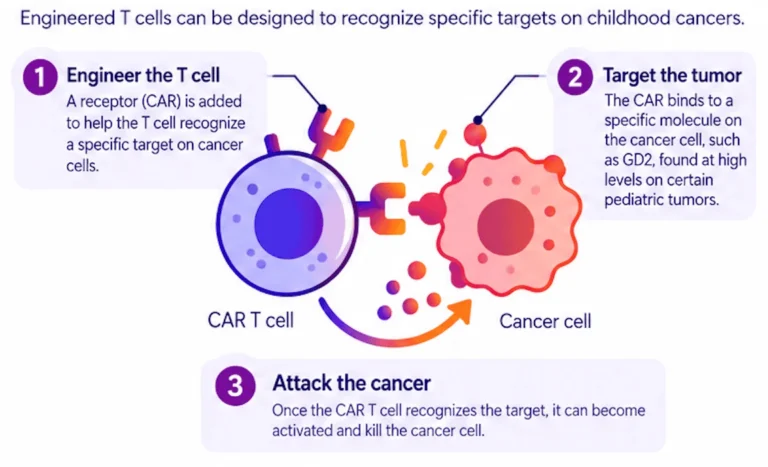
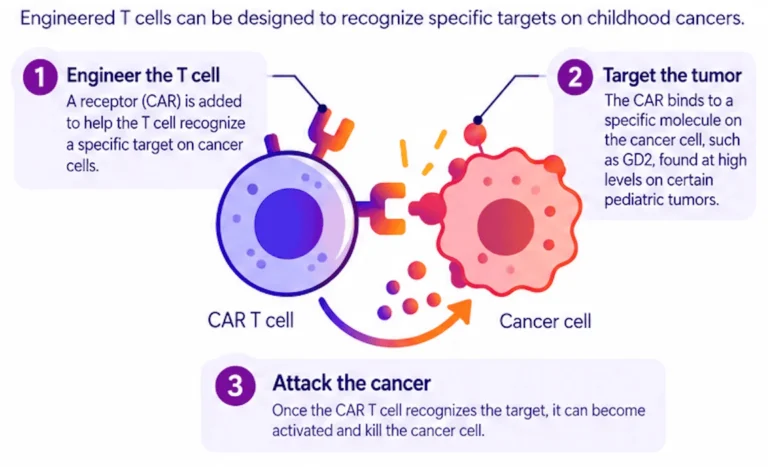
Current cancer immunotherapies, such as checkpoint inhibitors and CAR T cell therapy, have revolutionized the field, yet they do not work for every patient. The "microbiome" has long been suspected to play a role in how patients respond to these therapies, but the exact mechanisms remain opaque. Dr. Whiteley’s research aims to turn this mystery into a map.
By engineering bacterial enzymes that stimulate the immune system to recognize tumor-specific antigens, the Whiteley Lab hopes to create an adjunct therapy that "supercharges" the patient’s natural defenses. If successful, this could mean that patients who were previously resistant to immunotherapy could gain a new, potent line of defense. This approach does not just treat the tumor; it reshapes the environment in which the tumor exists, making it hostile to cancerous growth while supporting the patient’s overall health.
Mentorship and the Next Generation
Dr. Whiteley’s commitment to the field extends far beyond his own bench. As a multi-award-winning mentor, he views his role as a bridge-builder, ensuring that the next generation of scientists is equipped with the curiosity and boldness required to challenge medical status quos.
"If we look back at history, even 100 years ago at how bleak treating a disease like cancer was," Dr. Whiteley reflects. "And now I overhear patients in line at the supermarket saying they had gotten CAR T cell therapy. I think, could you imagine explaining that to someone from 100 years ago? But that only happens if there’s another generation to keep moving the needle, keep pushing the envelope."
His laboratory, which has grown significantly since 2025, serves as a hub for collaborative, interdisciplinary research. By fostering an environment where young researchers are encouraged to think about the "ancient origins" of biology, he is cultivating a new wave of thinkers who are unafraid to look at the past to solve the most pressing problems of the future.
Conclusion: A New Frontier in Oncology
The partnership between the Cancer Research Institute and Dr. Aaron Whiteley represents a strategic investment in the future of human health. By supporting the exploration of ancient bacterial-immune interactions, the STAR program is facilitating a move away from the traditional, rigid models of research and toward a more fluid, imaginative approach to science.
As the Whiteley Lab moves into its next phase of research, the implications are profound. If we can successfully decode the "Rosetta Stone" of bacteria-immune communication, we will not only have a deeper understanding of our own biological origins but will also possess a powerful new tool in the fight against cancer.
For a scientist who is "passionate about immune signaling," the journey from the microscopic origins of life to the clinical bedside is a marathon, not a sprint. However, with the support of the STAR program and a relentless commitment to discovery, Dr. Whiteley is proving that the most ancient parts of our biology may hold the key to the most modern of medical miracles.