







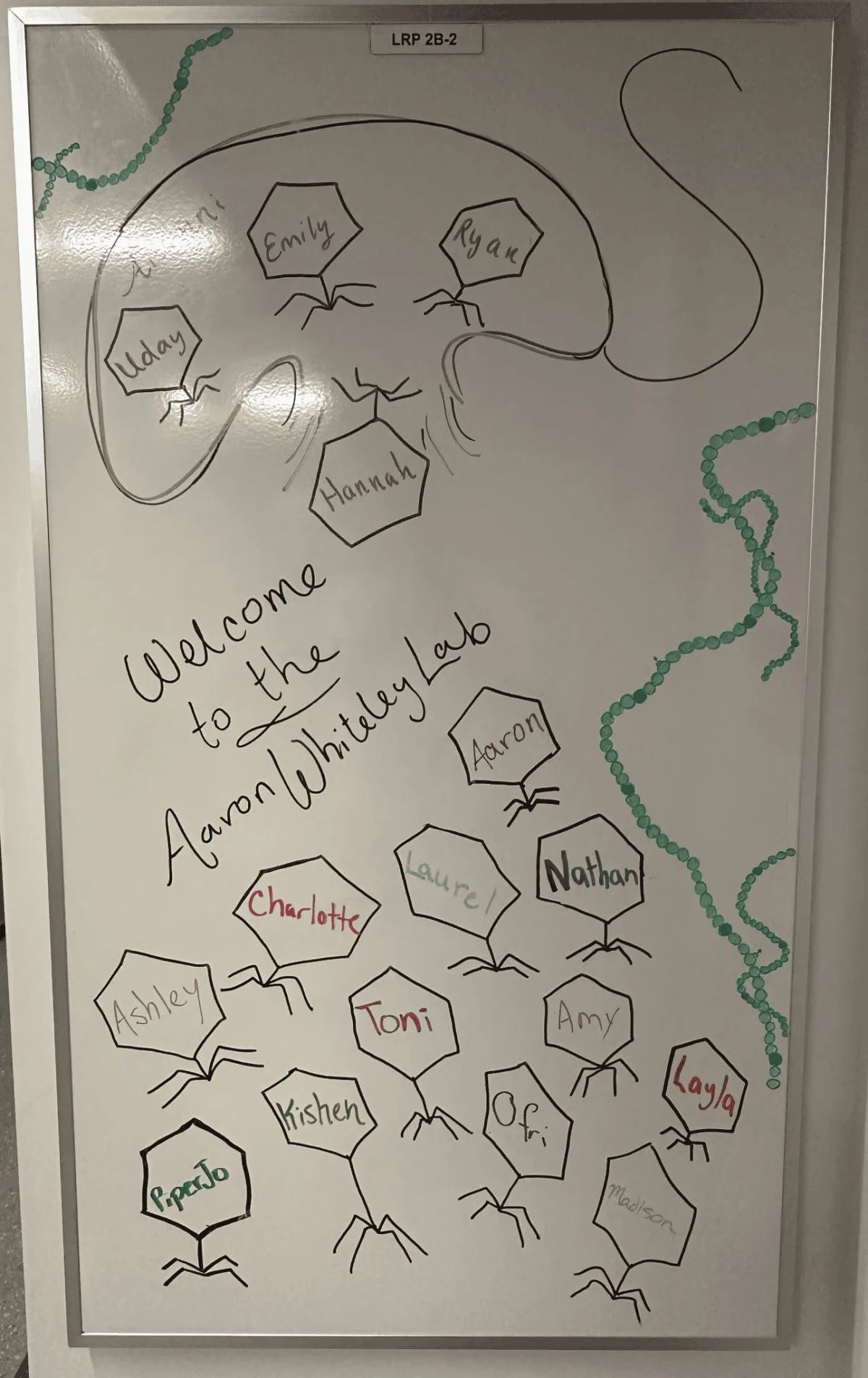
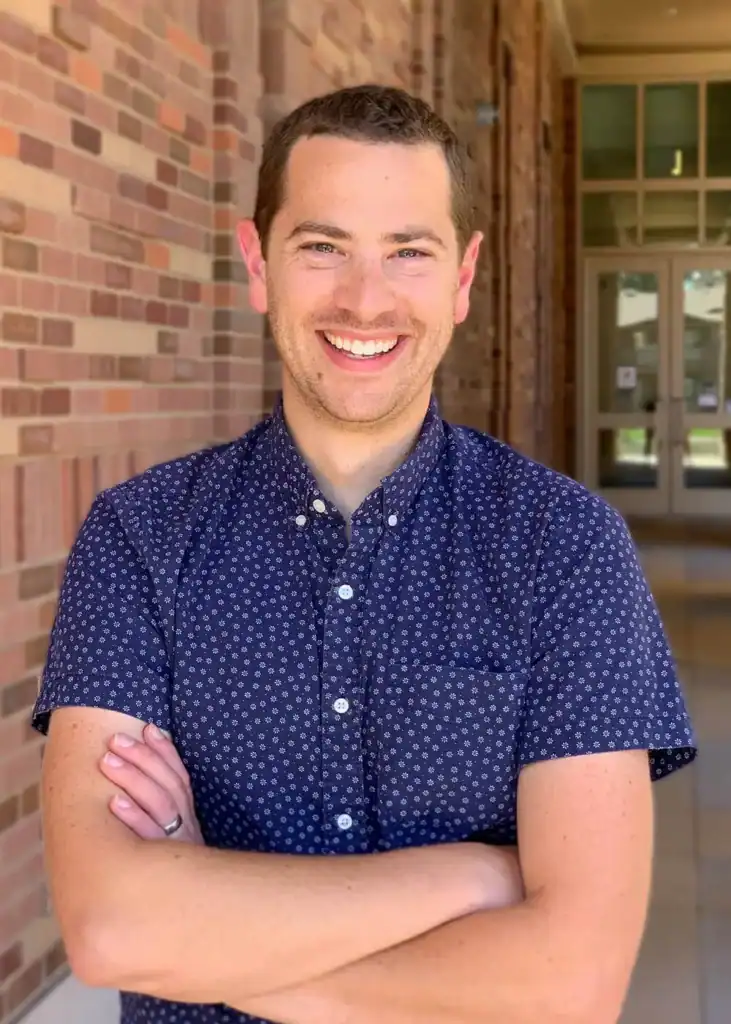
In the quiet, high-tech corridors of the University of Colorado Boulder’s Department of Biochemistry, a quiet revolution is taking place. It is not occurring in a state-of-the-art oncology ward or a traditional clinical trial center, but at the intersection of evolutionary biology and microbiology. Dr. Aaron Whiteley, a rising star in the field of immune signaling, is currently challenging our fundamental understanding of how human immunity functions. By looking back over a billion years into the evolutionary history of life on Earth, Dr. Whiteley is uncovering the "ancient code" that may hold the key to the next generation of cancer therapies.
With the recent support of the Cancer Research Institute (CRI) Lloyd J. Old STAR Program, Dr. Whiteley is shifting the paradigm of cancer treatment from reactive medicine to proactive, bio-engineered enhancement.
The Main Facts: Bridging Bacteria and Human Immunity
At the core of Dr. Whiteley’s research is a startling discovery: the signaling pathways that protect the human body from malignancy are not unique to humans. In fact, many of these critical pathways originated in bacteria more than a billion years ago.
Dr. Whiteley’s work focuses on the "molecular Rosetta Stone"—a series of bacterial enzymes that interact with the human immune system in ways that were previously misunderstood or entirely unknown. By deciphering how these bacteria "talk" to human cells, Whiteley’s lab aims to develop customized, therapeutic probiotics. These engineered microbial agents would be designed to prime the immune system, supercharging its ability to recognize and destroy cancerous cells.
Unlike traditional immunotherapies, which often focus on inhibiting checkpoints or modifying T cells, the Whiteley approach seeks to modulate the fundamental communication network between the microbiome and the host immune system. If successful, this could turn the human gut into a localized pharmaceutical factory, producing immune-boosting signals on demand.
A Chronological Journey: From Berkeley to Boulder
To understand the trajectory of Dr. Whiteley’s research, one must look at the academic foundation that shaped his investigative rigor.
- The Formative Years: Dr. Whiteley earned his PhD at the University of California, Berkeley. During this time, as a National Science Foundation Graduate Research Fellow, he began to develop his fascination with the mechanisms of immune signaling. His early work was characterized by a desire to look beyond human biology to understand the conserved mechanisms of life.
- The Harvard Training: Following his doctoral studies, he transitioned to Harvard Medical School. This period was pivotal, as it allowed him to refine his skills in molecular biology and immunology under the tutelage of world-class mentors. It was here that he began to connect the dots between bacterial survival strategies and human immune responses.
- Establishing the Independent Lab (2020): Upon arriving at the University of Colorado Boulder, Dr. Whiteley established his independent laboratory. The timing was significant, as it allowed him to leverage advancements in CRISPR and genomic sequencing to explore the "dark matter" of the genome—the bacterial enzymes that mirror human immune signaling.
- The STAR Award (2026): The culmination of this trajectory is his recent selection as a CRI STAR awardee. This milestone marks a shift from foundational discovery to high-risk, high-reward translational research.
Supporting Data: Why High-Risk Research Matters
Modern scientific funding, particularly through government channels like the National Institutes of Health (NIH), often favors incremental, low-risk progress. While necessary for standard clinical developments, this approach can stifle the kind of "blue-sky" thinking required to solve complex medical puzzles like metastatic cancer.
Dr. Whiteley notes that the traditional grant landscape often forces researchers into a cycle of "safe" experimentation—collecting just enough data to justify the next stage of funding. However, the CRI STAR program explicitly rejects this model. By providing unrestricted, multi-year support, the program empowers scientists to pursue "pie-in-the-sky" hypotheses that, while risky, have the potential to rewrite medical textbooks.
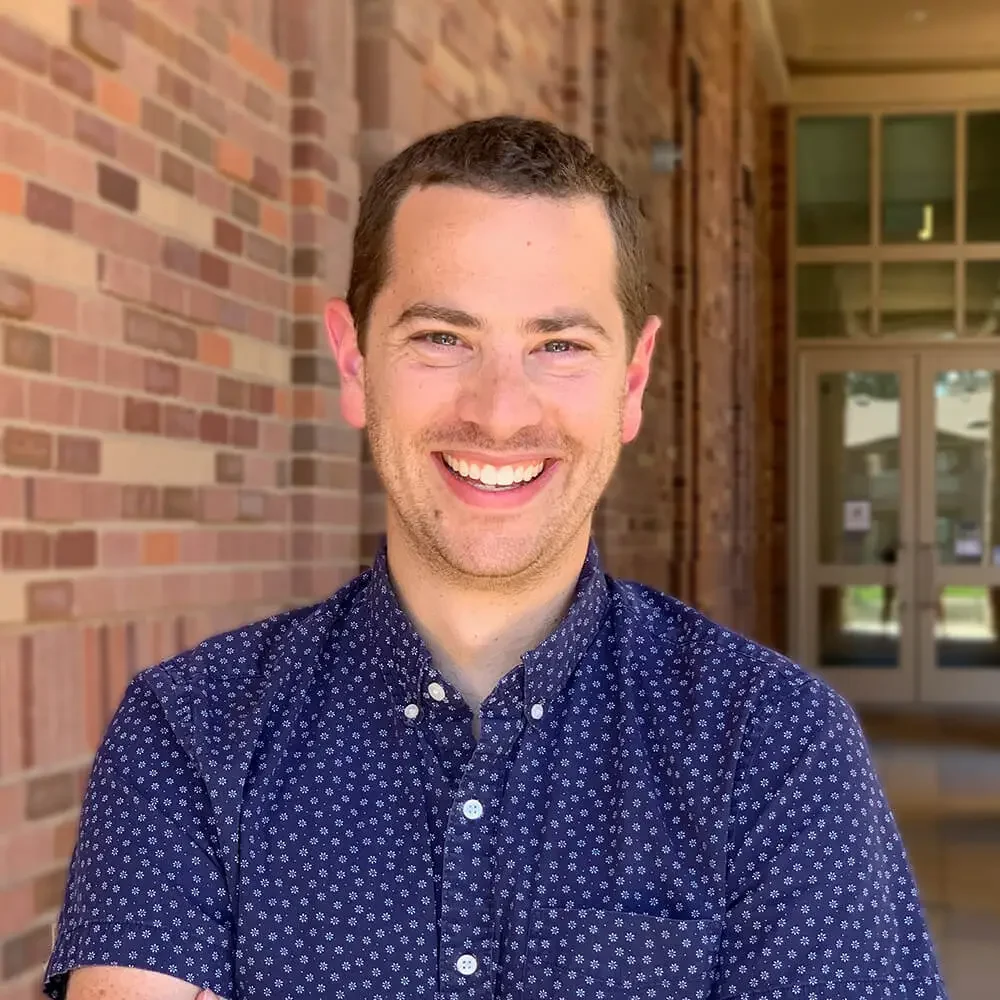
The data supports this philosophy. When researchers are given the latitude to fail, they are statistically more likely to discover breakthrough mechanisms. By focusing on the evolutionary origins of immunity, Whiteley’s lab is moving beyond the "one-size-fits-all" approach of current checkpoint inhibitors, which only work for a subset of the cancer patient population. His lab’s focus on the microbiome offers a potential solution to the "non-responder" problem in immunotherapy, potentially opening doors for thousands of patients currently resistant to standard treatments.
Official Responses and the Culture of Innovation
The philosophy behind the STAR program is echoed by previous recipients, such as Dr. Edward Chuong, another pioneer at the University of Colorado Boulder.
"The STAR award has inspired our lab to go all in on our ideas," Dr. Chuong stated. "The unrestricted support has allowed us to chase high-risk leads and provides an incredible chance to take big risks that have a chance of improving cancer immunotherapy."
Dr. Whiteley mirrors this sentiment, emphasizing that the freedom afforded by the CRI is, in itself, a form of innovation. "When you’re constantly focused on how do I get a little bit more data to get the next grant… you can’t do the pie-in-the-sky paradigm-shifting experiments," Dr. Whiteley explains. "This grant will enable us to push the limits. It is game-changing for my research program."
This support extends beyond the balance sheet. It is an endorsement of a specific type of scientific temperament: one that values curiosity, interdisciplinary collaboration, and the bravery to question established dogma.
Implications: A New Frontier in Oncology
The long-term goal of the Whiteley lab is to translate the communication between bacteria and human cells into clinical utility. The implications of this are profound:
1. Personalized Probiotic Therapy
Instead of generalized probiotic supplements, we may soon see the rise of "precision biotics." These would be engineered strains of bacteria designed to thrive in a patient’s unique gut environment, specifically calibrated to stimulate the patient’s immune system to target their specific tumor antigens.
2. Overcoming Treatment Resistance
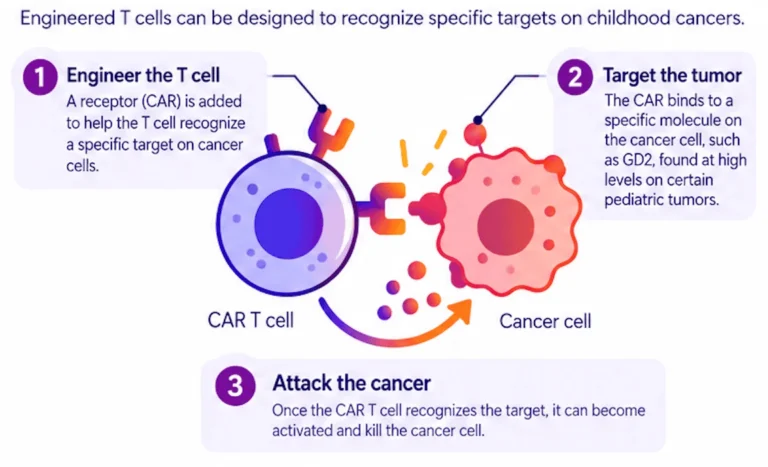
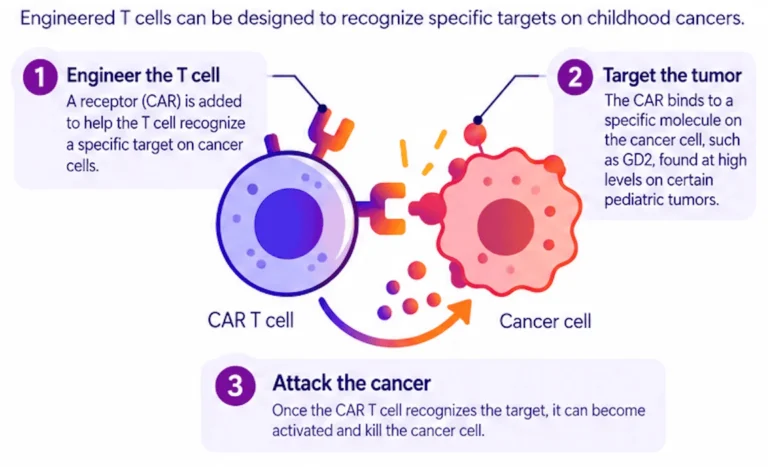
Many patients fail to respond to CAR T-cell therapy or PD-1 inhibitors due to an immunosuppressive tumor microenvironment. By introducing bacterial agents that signal for immune activation, Whiteley’s approach could "prime" the environment, turning "cold" tumors into "hot" ones that the immune system can easily identify and eradicate.
3. Evolutionary Medicine
By validating the idea that our immune systems share a common language with the microbial world, this research shifts the focus of oncology from fighting an enemy to fostering an internal environment of defense. It suggests that the keys to our survival were encoded in our biology long before the advent of modern medicine.
The Legacy of Mentorship
Dr. Whiteley’s commitment to science is not limited to his own experiments. As a mentor, he views his role as the architect of the next generation of scientific leaders. His perspective on the progress of oncology is deeply rooted in the history of the field.
"If we look back at history, even 100 years ago at how bleak treating a disease like cancer was," Dr. Whiteley muses. "And now I overhear patients in line at the supermarket saying they had gotten CAR T cell therapy… But that only happens if there’s another generation to keep moving the needle, keep pushing the envelope."
His dedication to mentoring ensures that the curiosity driving his lab will continue to flourish long after the current projects are concluded. He instills in his students the belief that no question is too ambitious and that the greatest discoveries are often found at the edge of what is currently known.
Conclusion: Redefining the Human-Microbe Relationship
The partnership between Dr. Aaron Whiteley and the Cancer Research Institute represents the gold standard of modern scientific inquiry. By funding the "high-risk, high-reward" frontiers of immunology, the CRI is not just supporting a single researcher—it is investing in a shift in the global strategy against cancer.
As we stand on the precipice of a new era in medicine, the work of the Whiteley lab reminds us that the answers to our most difficult questions may not be found in a new synthetic molecule, but in the ancient, billion-year-old dialogue between ourselves and the microbes we carry. By translating this language, we may finally be able to command our own biology to do what it was evolved to do: protect, repair, and thrive.
The journey from a small bacterial enzyme to a life-saving cancer therapy is long, but with the freedom to dream and the courage to act, Dr. Whiteley is charting a course that may one day make cancer a manageable, or even curable, condition.